Did you know that almost half of renovations run over budget or schedule? Before you commit, you should have a tight set of questions ready for your builder. You’ll want clarity on their timeline, budget inclusions, permits, who actually does the work, how changes are handled, material decisions, communication, and risk management. Start the conversation with concrete expectations and solid answers, then weigh how their approach aligns with your goals to keep the project on track.
What’s the Renovation Timeline and Key Milestones
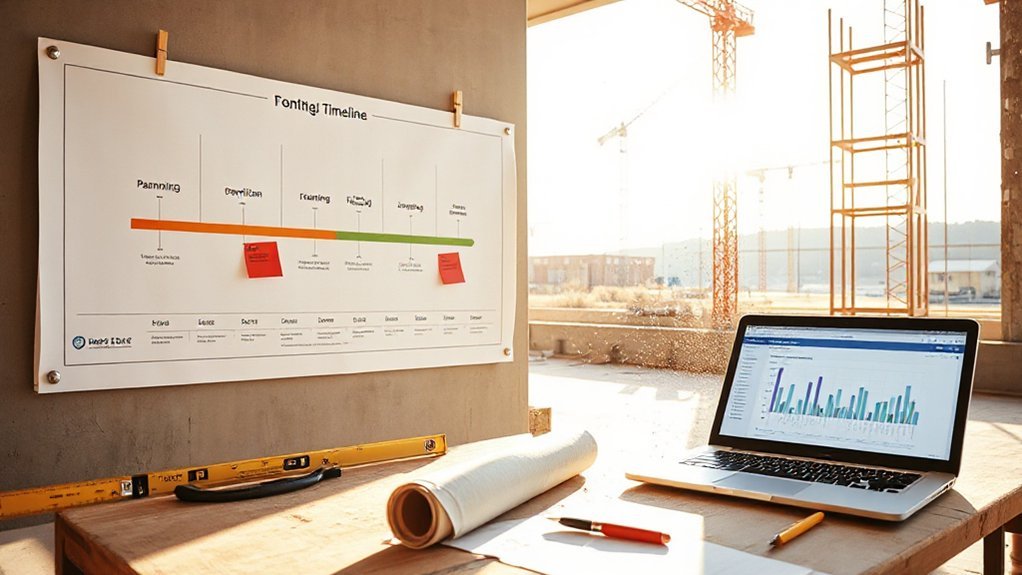
Understanding the renovation timeline and key milestones upfront helps you stay in control. You’ll map phases from design kickoff to final walk-through, so you know what happens when and why.
Begin with a realistic start date, then set ripples: design decisions, permit approvals, material lead times, and trade scheduling. Communicate daily or weekly updates to minimize surprises.
Expect potential bottlenecks, but build in buffers for weather, delivery delays, and inspections. Break the project into milestones you can verify: design sign-off, demolition, rough-in, insulation, fixtures, and finish-out.
Keep Design considerations in mind to align choices with your schedule, budget, and quality goals. Consider Sustainability options early, so eco-friendly selections don’t derail timing later in the project.
What’s the Real Renovation Budget and What’s Included
Knowing your real renovation budget isn’t just about a number—it’s about what’s included and what it’ll cost you down the line. I’ll help you map the scope, line up essential inclusions, and flag each item’s true price so you avoid surprise charges.
Let’s start by clarifying what’s in and what isn’t, so you lock in a practical, actionable budget.
Real Budget Scope
So, what’s the real renovation budget, and what does it actually cover? You’ll pin down a practical scope by separating hard costs from soft ones, then verify contingencies.
Start with a realistic base: trades, permits, structural work, and finishings. Then add a 10–15% contingency for unexpected hurdles, like code updates or access issues.
Clarify what’s included in the bid: demolition, site prep, and basic systems, plus allowances for fixtures and finishes.
Design inspiration guides choices, but you should lock in preferred materials early to avoid price creep.
Material durability matters most when selecting long-term components—countertops, flooring, and mechanicals—so ask for product specs and warranty terms.
Keep a written budget table, update it with documented changes, and review it before any contract signing.
Inclusions And Costs
Here’s what your real renovation budget should cover: the hard costs like trades, permits, structural work, and finishings, plus soft costs such as design, inspections, and project management.
Inclusions aren’t just items; they’re scope decisions that shape value. Start with design considerations that affect what you’ll gain from each space, then map interior features you truly need versus nice-to-haves.
A precise budget aligns with your goals and avoids surprises. Demand itemized quotes that separate labor, materials, and contingency.
Include a sensible contingency for unknowns, typically 10–15%. Clarify warranties, post-completion checks, and potential scope changes.
Are Permits and Approvals in Place for Your Renovation
Before you break ground, verify that all permits and approvals are in place. You should confirm the Permitting process upfront, so delays don’t erode your schedule or budget.
Ask your builder to show the status of each permit, from pulling to final inspections, and request official documentation or receipt numbers. Clarify who tracks approvals, and set a timeline for when each item must be satisfied.
You want explicit confidence that zoning, building, and any specialty permits are resolved before work begins. Understand the approval procedures for changes during construction, and how changes affect timelines and costs.
With permits secured, you reduce risk, keep inspections smooth, and maintain steady progress toward your renovation goals.
Who Works on My Project, and How Are Subcontractors Vetting?
You need to know exactly who’ll be on your project team and how subcontractors are vetted before any work starts. Ask for a roster with roles, licenses, and contact points, and confirm who manages daily oversight.
In project management, clear accountability matters, so you should know who signs off on each phase and how decisions pass between trades.
In practice, expect a structured vetting process for every subcontractor: proof of insurance, references, safety records, and current licenses. Your builder should explain how they assess quality, reliability, and schedule alignment before accepting a bid.
Also ask about onboarding: timelines, site access, and how problems get escalated.
A transparent approach protects you from delays and budget surprises while keeping work on track.
How Do We Handle Changes, Variations, or Scope Creep?
When changes arise, you’ll want a clear process from the start so tweaks don’t derail your schedule or budget. A solid plan uses change management to formalize how requests are submitted, evaluated, priced, and approved.
Establish a single point of contact for all variations, and require written notices for any scope adjustments. Your contract should define thresholds for cost, time, and quality impacts, plus a predictable approval timeline.
Tie decisions to a documented impact analysis, so you know whether a change is essential or optional. Build in contingencies for unforeseen items, and agree on how savings from substitutions are handled.
Clear communication and documented approvals keep everyone aligned, reduce disputes, and protect your project’s final outcomes.
What Hidden Costs Should I Plan For Up Front?
Hidden costs can quietly derail a budget, so plan for them upfront. You’ll likely encounter Hidden fees and unexpected expenses that aren’t part of the initial quote. Start with a realistic contingency—10% is common—so you don’t chase surprises mid-project.
Review permits, inspection fees, and site prep, which can add up quickly if overlooked. Ask your builder to itemize allowances and escalation clauses for materials and subcontractors, and confirm how overruns are handled.
Build in a schedule buffer to accommodate weather delays or late deliveries. Clarify disposal fees, temporary utilities, and insurance deductibles that can surface later.
Document a transparent change process, so you’re prepared rather than reactive. By identifying these upfront, you protect your budget and keep the renovation moving smoothly.
How Will Material and Finish Selections Be Handled?

Material and finish choices can make or break your project’s look and budget, so set up a clear process now. You should know who drives selections, the timeline for approvals, and how decisions affect trade scheduling. Establish a single point of contact for all material decisions to avoid miscommunication.
Require documented selections with product names, SKUs, colors, and finish options, plus backup options in case of stock issues. Set realistic lead times and notify your team of changes promptly.
Demand consistency across surfaces—mounting hardware, cabinetry, and countertops should coordinate in one color palette and finish level. Clarify who bears cost changes if substitutions occur.
Finally, confirm a final material and finish schedule before fabrication begins to keep momentum and prevent delays.
How Will We Communicate, Report Progress, and Manage Delays?
Effective communication keeps your project on track, so agree on a single communication plan that everyone follows. You’ll choose clear Communication methods up front and set expectations for daily or weekly updates. Decide who reports to whom, and specify formats—short emails, a shared dashboard, or a project app—that everyone understands.
You’ll want concise Progress reporting that highlights milestones, changes, and risks, not just tasks completed. Establish a cadence: quick daily check-ins for critical phases and a weekly summary for the whole project. Define response times and escalation paths, so delays don’t fester.
Include decision points where approvals are needed to avoid bottlenecks. Finally, document the protocol in writing and review it at key milestones to stay aligned.
What If Weather Delays or Things Go Wrong?
Weather delays and unexpected issues happen, so you’ll want a clear plan for Weather Contingencies and how we Controlling Delays Risks.
We’ll discuss concrete triggers, timelines, and cost-sharing to keep the project moving even when the weather shifts.
Let’s set practical safeguards now so you stay informed, protected, and confident as milestones shift.
Weather Contingencies
If weather delays threaten your schedule, you need a practical plan to keep the project moving. Build a contingency timeline with buffer days for rain, heat, and snow, and confirm it with your builder.
Schedule seasonal planning sessions to align delivery windows, crew availability, and material storages, reducing idle time.
Identify critical path tasks vulnerable to weather and predefine start-or-resume triggers so work resumes quickly after a pause.
Establish weather-driven decisions, like shifting exterior work to drier or cooler periods and using indoor alternatives to maintain progress.
Guarantee contracts include clear weather allowances, notice requirements, and cost-sharing for extended timelines.
Emphasize climate preparedness and flexible sequencing so you stay on track even when forecasts change.
Controlling Delays Risks
When weather delays threaten your schedule, you should have a clear plan to minimize impact and keep momentum. In this phase, you practice risk management by identifying likely disruption sources, bottlenecks, and critical-path tasks.
Pin down trigger points for weather-driven pauses and define fallback sequences so crews can shift quickly without losing progress. Document alternate workflows, supply buffers, and updated timelines, then share them with all stakeholders upfront.
Implement delay mitigation by pre-ordering long-lead materials, coordinating utility outages, and scheduling weather-tolerant tasks during risky windows. Establish daily check-ins to monitor conditions and adjust the plan in real time.
A proactive, data-driven approach reduces downtime, protects budget, and keeps your renovation moving toward completion.
What Documentation Will I Receive and How Should I Store It?
As a homeowner, you’ll receive a bundle of documents that prove what was built, how it was built, and who oversaw it. You want these records organized and easy to reference, so you can prove compliance or resolve questions later.
Start with the contract, add change orders, permits, inspections, warranties, and plans. Create a simple index that tags each item by date and scope. Use clear, labeled folders or a digital folder system you can back up.
Documentation storage should be consistent across projects, so everyone understands where to find what. Request a final closeout packet from the builder that includes as-builts and guarantees.
This supports contract clarity and protects your investment long after renovation day.
Frequently Asked Questions
How Do You Handle Design Changes After Construction Starts?
When changes occur after construction starts, you review impact with your builder, prioritize, and approve quickly. You’ll renegotiate Material selection and Budget adjustments, maintain clear documentation, and guarantee any scope shifts align with project goals and timeline.
What Safety Protocols Are Mandatory on Site?
Site safety rules are mandatory on site, and you must follow construction protocols at all times. You’ll wear PPE, secured scaffolding, fall protection, and first aid readiness, because disciplined practice prevents injuries and keeps your project on track.
Do You Provide a Dedicated Project Supervisor or Point of Contact?
You’ll have a dedicated project supervisor as your single point of contact, a juxtaposition against chaos. This guarantees clear Budget considerations and precise Material selection, keeping you informed, accountable, and confident throughout the renovation journey.
How Do You Manage Subcontractor Insurance and Liens?
You’ll receive clear Insurance documentation and proactive lien resolution steps, with subcontractors properly insured and listed. We verify coverage, track expirations, and handle potential claims, so you stay protected while projects progress and liens are resolved promptly.
What Warranty and Post-Renovation Support Do You Offer?
Your warranty covers defects, and post-renovation support is available. Think of it as trusted backup weatherproofing you can call on. We’ll guide material selection and budget adjustments to keep your project smooth and confidently on track.
Conclusion
You’ve got this—you’ve asked the right questions and set clear expectations. A well‑documented plan, transparent budget, and solid contractor vetting reduce surprises and build trust from day one. One interesting stat: homes with a detailed project plan and written change orders save up to 20% on final costs by avoiding scope creep. Stay proactive: confirm permits, timelines, and communication protocols in writing, keep a single point of contact, and review progress weekly to stay on schedule and budget.
About the Author