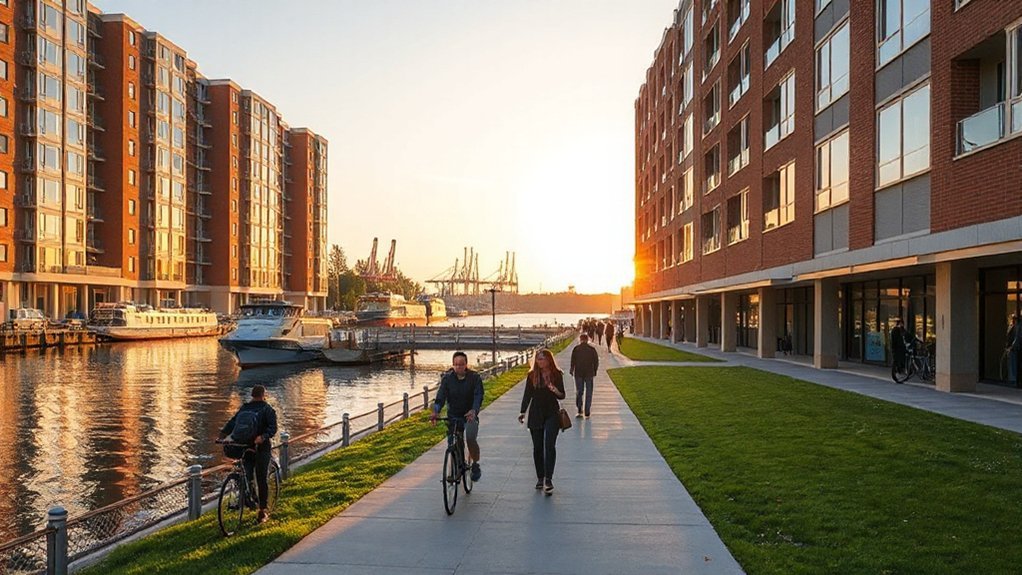
Southampton property with port-adjacent positions, puts you at the core of maritime and logistics demand. You’ll find higher rental yields and resilient resale value driven by proximity to ships, freight hubs, and fast transit links. With ongoing redevelopment and mixed-use zoning, density and live-work options expand. Yet questions remain: which neighborhood and which project mix best fit your goals, and how to prioritize near-term gains vs long-term stability?
Southampton Ports and Housing: Why It Matters
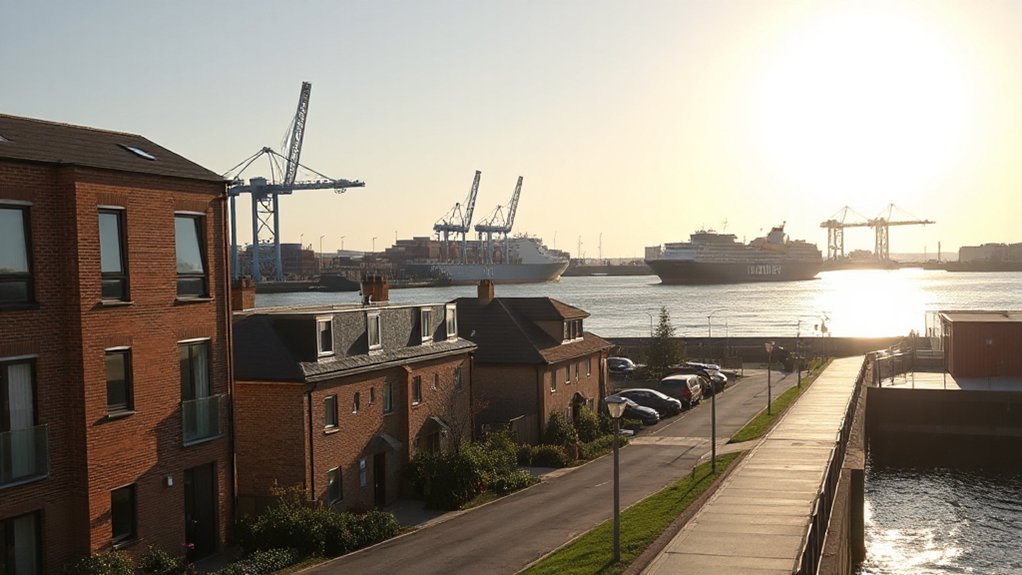
The relationship between Southampton’s ports and housing is a core driver of regional growth. You assess how port activity translates into residential demand, supply constraints, and price momentum across neighborhoods.
Data show steady throughput supports local employment, boosting income stability and housing affordability bands near transit and docking clusters. You’ll note maritime history anchors brand and investor confidence, while ongoing Shipping regulations shape development timelines, import-driven retail, and logistics land use.
Market signals indicate occupancy rates tighten around major terminals, even as new housing supply ladders up to meet workforce needs. You weigh infrastructure plans, dockside amenity gains, and zoning adaptations that liberate mid-rise models without sacrificing permeability.
The takeaway: port-led activity aligns housing demand with steady, city-wide growth trajectories.
How the Port of Southampton Shapes Property Value
How does the Port of Southampton move property values? You’ll see a clear, data-driven pattern: proximity to port facilities and efficient port infrastructure typically boosts residential demand, rental yields, and resale prices.
Activity levels, container throughput, cruise traffic, and logistics efficiency correlate with market confidence and temporary rental spikes, especially for workers and short-term residents.
Maritime heritage adds a cultural premium, reinforcing the desirability of waterfront pockets even as spillover zones mature.
Investors monitor freight-related developments, terminal upgrades, and dredging projects, all of which can lift local pricing trajectories.
In steady-state markets, property near the port benefits from diversified demand—shipping, logistics, and service sectors—while still balancing potential downsides like noise or traffic, which planners mitigate through targeted infrastructure improvements.
Key Employment Hubs You Can Reach on Foot or Bike
Suited for walkers and cyclists, several key employment hubs lie within easy reach of Southampton’s port-adjacent neighborhoods, boosting daily convenience and appeal. You’ll notice that work centers cluster around rail-friendly corridors and marina districts, translating to shorter commutes and predictable turnover.
Foot and bike accessibility supports high employee retention and faster service fulfillment, critical in maritime logistics and related sectors. Data show consistent commuter time savings versus car-dominated routes, with peak-hour throughput improving as network density increases.
This mobility premium aligns with ongoing maritime infrastructure investments and the port’s evolving cadence. Port expansion plans feed demand for nearby office and light-industrial spaces, sustaining rental yields and capital value.
In short, proximity-driven demand reinforces Southampton’s competitive stance in current and future logistics employment markets.
Southampton Neighborhoods With the Best Port Access

Southampton’s port-adjacent neighborhoods offer the strongest access to the port and related logistics hubs, delivering shorter commutes and higher service velocity. You’ll see lower dwell times for container moves, with transit windows tightened by proximity to key facilities and rail links.
Among top sectors, Harbor revitalization projects uplift parcel values and attract last-mile operators seeking predictable throughput. You gain measurable advantages in yield, lease velocity, and occupancy stability as waterfront locations command premium rents aligned to throughput reliability.
Waterfront amenities bolster both live-work appeal and workforce retention, supporting density growth without congestion spikes. Data indicates higher throughput per square mile near the harbor, underscoring favorable cap rates and risk-adjusted returns for investors prioritizing proximity to port operations.
Affordable Living Near Maritime and Logistics Clusters
You can access affordable waterfront living while staying close to growing maritime and logistics clusters, keeping housing costs in line with local wage levels.
Data shows steady demand from Marine and port-related employers, with rental and purchase options concentrated near key hubs.
This proximity combines lower commuting times with access to marine jobs, making affordability a meaningful differentiator for buyers and renters.
Affordable Waterfront Living
You’ll find lower housing costs per square foot in emerging waterfront corridors, combined with strong rental demand from logistics firms and port-related employers.
Market data show steady cap rate stability and favorable mortgage conditions compared to inland equivalents, supported by redeveloped marinas and mixed-use schemes.
Waterfront amenities, including promenade access, flood-resilient design, and community spaces, enhance value without inflating maintenance.
Marine conservation initiatives are increasingly integrated into project briefs, appealing to environmentally conscious buyers.
Proximity to Marine Jobs
Market data show clustering around ports correlates with higher occupancy rates and resilient pricing, even amid broader market swings. For buyers and renters, this means predictable cash flow and lower vacancy risk.
Key drivers include shipping logistics needs, port feeder routes, and marine services that sustain wage growth in related roles. You benefit from access to training hubs and networks that enhance career mobility while preserving cost competitiveness.
- Maritime security
- Shipping logistics
- Port-centric employment
- Multimodal freight access
What to Look for in Southampton Homes Near Work
If you’re targeting Southampton properties near work hubs, prioritize neighborhoods with short, reliable commutes, strong transit links, and growing employment clusters. Look for data-backed indicators: average drive times, bus frequency, bike lanes, and proximity to business parks.
Evaluate price momentum alongside vacancy rates and future development plans to gauge appreciation potential. Historical architecture adds character and may retain value, but guarantee its preservation aligns with renovation costs and permitting timelines.
Local amenities matter: nearby grocery stores, healthcare facilities, and recreational spaces boost livability and time-on-site for workers. Assess school quality, crime statistics, and noise levels to capture true living costs.
In short, balance commute efficiency with amenity density and market signals to identify resilient, rent-ready opportunities.
Financing and Incentives for Port-Adjacent Buys
Port-adjacent buys hinge on smart financing with favorable incentives, especially in markets where proximity to ports and employment hubs can pressure cap rates and price momentum. You’ll see value from blended debt and grant schemes, tax breaks, and lender underwriting that weighs port logistics spillovers and throughput growth.
Data shows lower loan-to-value variability when anchors align with cargo cycles and marine insurance risk controls. Incentives may include phased equity raises, reduced from-lease rates, or capital allowances tied to sustainable port operations.
Risk management matters; diversify lenders and counterparty exposure to port activity. Expect tighter covenants during peak trade periods, plus favorable appraisal adjustments when vessel traffic and hinterland access improve.
- Subsidies or tax credits
- Reduced insurance friction
- Flexible financing windows
- Performance-based incentives
Renting Near the Port: Short-Term to Long-Term Options

If you’re weighing port-adjacent living, you’ll see a clear split between short-term stays and longer leases driven by turnover rates, seasonal demand, and price per square foot.
Data indicates strong rental velocity near the docks, with flexible options capturing commuters and project workers alike.
We’ll compare short-term furnished options to traditional leases to map out cost, availability, and the expected duration of stays.
Short-Term Accommodation Options
Are you weighing your options for short- to long-term stays near the port? You’ll find a mix of flexible, market-driven solutions that cater to varying budgets and needs.
Short-term lets often balance convenience with clear cost signals, guiding decisions on location, space, and length of stay. Key indicators include occupancy trends, nightly rates, and proximity to employment hubs.
Evaluating options against rental affordability helps you strike the right balance between price and value. Look for properties offering transparent pricing, weekday vs weekend rates, and included utilities.
- Centralized locations with easy port access
- Fully equipped units with flexible lease terms
- Tiered pricing aligned to stay duration
- Properties touting luxury amenities and modern design
Long-Term Renting Strategies
Long-term renting near the port hinges on aligning duration, cost, and access to core employment hubs. You’ll want a strategy that prioritizes high-quality properties with strong maintenance records, minimizing downtime and unexpected repairs.
Start by mapping average rents within 1–3 miles of key ports and related logistics centers, then compare total cost of occupancy, including utilities and council tax.
Your plan should emphasize property maintenance schedules, routine inspections, and prompt vendor responses to avoid disruption to work routines.
In lease negotiation, seek clarity on renewal options, rent escalation caps, and maintenance responsibilities to protect cash flow.
Favor leases offering flexible term lengths and subletting provisions if job assignments shift.
Data-driven vetting of landlords and built-in contingencies can reduce vacancy risk while maximizing access to transport links and shift patterns.
Case Studies: Living Near Ports, Working Near Home
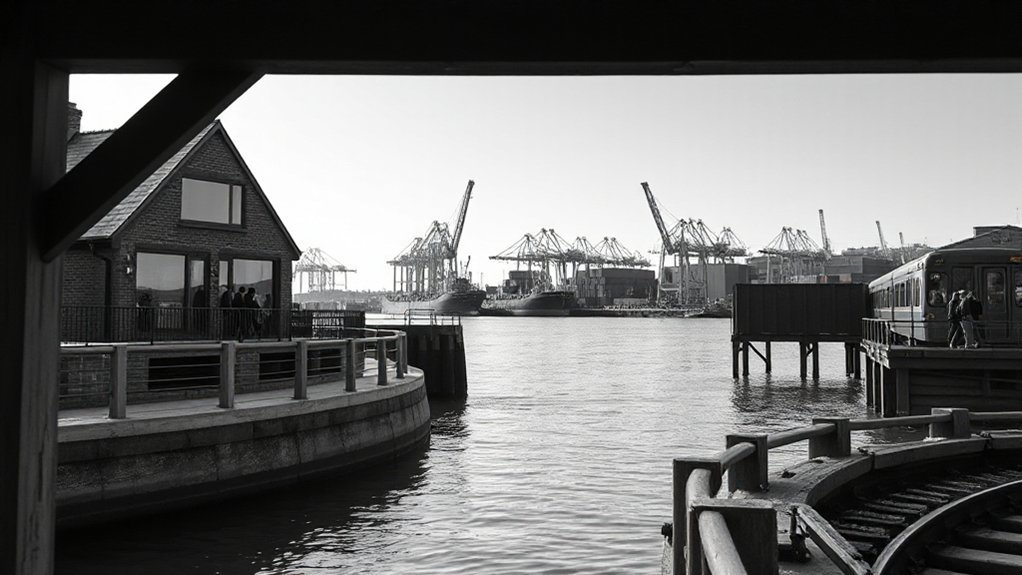
Across ports and nearby employment hubs, living and working patterns reveal distinct advantages: residents save commute time, firms access a stable labor pool, and property demand tracks shipping cycles and freight throughput.
- You’ll see tight residential markets cluster near freight corridors and rail links, driving price resilience.
- Businesses report lower turnover as staff choose proximate housing and flexible hours around port activity.
- Property investors track maritime history indicators and seasonal throughput to time acquisitions.
- Waterfront amenities, from promenades to logistics hubs, shape demand beyond pure proximity.
In these case studies, your choices hinge on access to ferries, quay-front views, and local services, all intersecting with market cycles and the region’s maritime heritage.
Planning and Development Trends You Should Know
As cities near ports lean into growth, development pathways now prioritize modular, transit-oriented schemes that blend logistics with liveability. You’ll see planners favor mixed-use blocks that compress supply chains into walkable cores, reducing truck queues and boosting last-mile efficiency.
Data show a shift toward adaptable, reusable units that scale with demand, supported by standardized engineering and rapid permitting.
Urban renewal remains central, targeting underused warehouses and waterfront belts for phased upgrades rather than wholesale demolitions.
Zoning policies increasingly embrace density bonuses, multi-use tall buildings, and dedicated freight corridors to minimize congestion while preserving green space.
You should monitor approvals, cost-index trends, and infrastructure upgrades, since market risk hinges on timely delivery, freight capacity, and the alignment of residential amenity with employment hubs.
Tips for First-Time Buyers Near Maritime and Logistics Hubs
You’ll see strong value when you’re close to ports, with shorter commutes boosting daily productivity and potential resale appeal.
Local employment spots near maritime and logistics hubs indicate steadier demand and more job-driven traffic, which supports healthy rental and sale markets.
Use proximity to ports as a data point in your decision, weighing transport access, service links, and neighborhood growth indicators to time your purchase.
Proximity To Ports
- near-port neighborhoods often offer faster commutes to logistics hubs
- property values respond to seasonal cargo flows and berth capacity
- regulatory changes can reprice risk for new builds or renovations
- access to warehousing, maintenance facilities, and cold-chain networks strengthens resale appeal
Leverage market data, compare port-side pricing, and consider resilience to regulatory shifts when evaluating Southampton options.
Local Employment Spots
In data terms, areas with diverse employers reduce vacancy risk and support steadier rent with mortgage affordability. Look for proximity to port infrastructure that supports freight, including rail-connected terminals and road corridors, as these sustain employment density even in slower maritime cycles.
Historical resilience matters: maritime history contributes to enduring demand for nearby residences. Evaluate area growth forecasts, planned port infrastructure upgrades, and projected container throughput to gauge appreciation potential.
Target neighborhoods with accessible transit, walkable amenities, and consistent employer presence for prudent, long-horizon buying.
Next Steps: Evaluate Your Port-Adjacent Property Shortlist
To evaluate your port-adjacent property shortlist effectively, start by verifying each option against your target metrics: proximity to ports and employment hubs, access to rail and road networks, and potential for future growth.
You’ll compare data on capacity, throughput, and tenancy demand, then weight risks against returns. Track market fluctuations and how they alter cap rates, rents, and vacancy trends for each site.
Use this information to refine investment strategies and prioritize options with scalable logistics, resilient demand, and favorable zoning.
Document decision criteria and the rationale behind rankings so you can act quickly when opportunities arise.
- Proximity to key ports and employment clusters
- Transport links availability and reliability
- Growth indicators: leases, plans, and infrastructure commitments
- Financial metrics: cap rate, NOI, and upside potential
Frequently Asked Questions
How Are Port Upgrades Affecting Future Property Values?
Port upgrades boost future property values by attracting investments and increasing demand. You’ll see stronger economic growth and infrastructure development, supporting rental yields and resale prices. You should track data trends, forecast models, and regional redevelopment plans for accuracy.
What Safety Concerns Come With Port-Adjacent Housing?
Sure, you’ll love living by the port—except for industrial pollution and noise pollution all around. You’ll need robust insulation, air filtration, and sound barriers; data shows risk-adjusted premiums rise where adverse emissions and traffic spike.
Do Schools Near Ports Impact Long-Term Investment Returns?
You’ll see schools near ports can influence long-term returns, but gains hinge on community amenities and noise pollution management. Data shows resilient demand when amenities rise, yet noise reduces appeal, so calibrate pricing and risk accordingly.
Which Transit Options Best Connect Housing to the Port?
You should prioritize high-frequency bus lines and light rail links; they maximize Public transportation access and minimize Car commute. In data terms, these options boost connectivity to ports, supporting churn and marketability without sacrificing reliability or cost.
Are There Hidden Costs for Residents Near Logistics Hubs?
Yes, there can be hidden costs for residents near logistics hubs. You’ll face tradeoffs like community noise and air quality, which data shows tend to affect health and property values, potentially reducing appeal and increasing insurance and mitigation expenses.
Conclusion
Port-adjacent living near Southampton’s ships, ferries, and logistics hubs blends value with convenience. You’ll gain shorter commutes, robust rental demand, and resilient resale prospects as ports drive activity and employment. This isn’t just about current momentum—it’s a data-driven trajectory shaped by ongoing upgrades and zoning for density. Think of it as a lighthouse: a steady, guiding signal for long‑term gains amid maritime ecosystem shifts. Ready to shortlist portside properties and start evaluating options.
About the Author