If you want to boost rental value in UK cities, you’ll prioritise practical upgrades that tenants notice and pay for. Think durable kitchen and bathroom refreshes, energy-efficient appliances, smart tech, and smart storage for compact flats. Exterior curb appeal matters too, plus low-maintenance finishes that survive high turnover. You’ll balance cost against longer tenancy and higher rents, while staying compliant. Get the ROI framework in place, because the next steps determine just how far your property can go.
Assess ROI: Which UK Rental Upgrades Pay Best
If you want solid ROI from UK rental upgrades, start by focusing on value-adding improvements that tenants actually notice and are willing to pay for. You’ll assess ROI by linking costs to measurable gains in property valuation and tenant satisfaction, not guesses.
Begin with durable essentials—fresh paint, clean fixtures, efficient heating, and reliable safety features—as these reduce vacancy risk and support a premium rent.
Quantify impact: add up annual rent uplift, minus annualized cost, to gauge payback period.
Track tenant feedback on comfort, noise, and maintenance responsiveness to validate value.
Prioritize upgrades that boost appraisal values and insurance discounts, while staying within market brackets.
A targeted approach aligns upgrades with demand, preserves long-term value, and keeps you ahead of competing listings.
Kitchen Upgrades That Raise UK Rent Fast
Consider upgrading your kitchen with modern cabinet refurbishments that refresh style without a full redo, boosting perceived value and rent fast.
Pair that with efficient appliance upgrades to cut utility costs and attract water- and energy-conscious tenants.
These targeted improvements keep capex lean while driving faster rental rate gains.
Modern Cabinet Refurbishment
Modern cabinet refurbishment is a quick, cost-effective upgrade that can raise rental value fast by delivering a fresh, functional kitchen without a full remodel. You’ll boost perceived quality with minimal downtime, targeting tenants’ daily needs and landlord ROI.
Sand, repaint, or replace doors to create a cohesive palette that aligns with contemporary trends while preserving durability. Choose durable finishes, soft-close hinges, and smart-organized interiors to maximize usability.
By updating hardware and adding efficient storage zones, you’ll reduce tenant complaints about clutter and maintenance. Use vintage fixtures sparingly as a tasteful nod to character, and pair them with clean lines for a balanced look.
Add decorative accents that reinforce a modern vibe without overcapitalizing. Prioritize rapid turnaround, predictable costs, and measurable rent-value impact.
Efficient Appliance Upgrades
Upgrading appliances is a fast, high-impact way to lift rental value in UK properties while keeping costs predictable. You’ll target core fixtures that tenants rely on daily, focusing on reliability, efficiency, and maintenance costs.
Start with a durable fridge, dishwasher, and oven that meet modern energy standards, ensuring warranties and service support are robust.
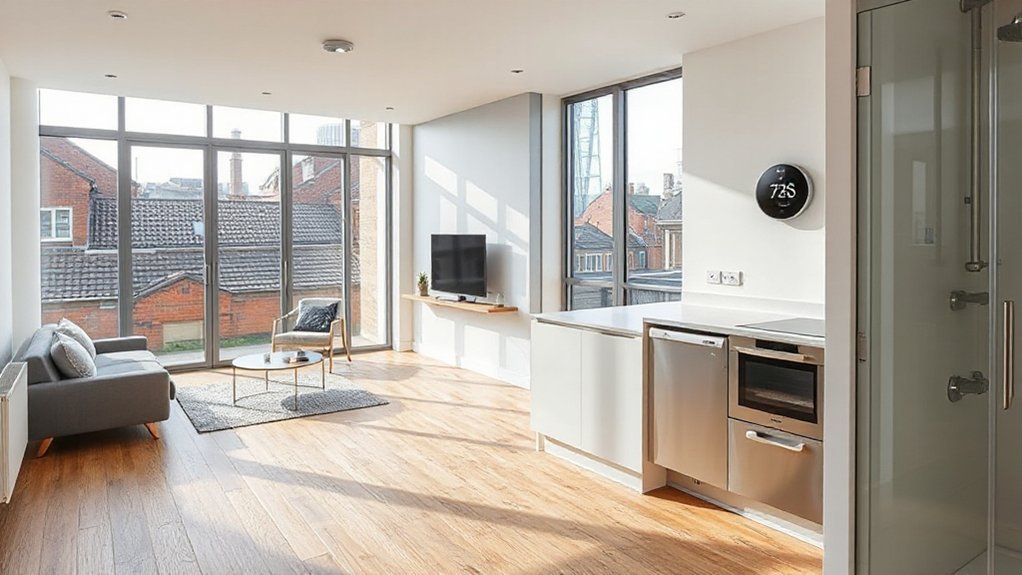
Install smart thermostats to optimize heating control, reducing energy use and appealing to eco-conscious renters.
Choose energy-efficient lighting throughout kitchens and adjoining spaces, lowering operating costs and boosting perceived quality.
Pair these upgrades with clear appliance demonstrations and accessible manuals to minimize tenant friction.
Document energy savings and warranty terms for the rental listing, reinforcing long-term profitability with lower vacancy risk and predictable monthly bills.
Bathrooms That Tenants Will Pay a Premium For
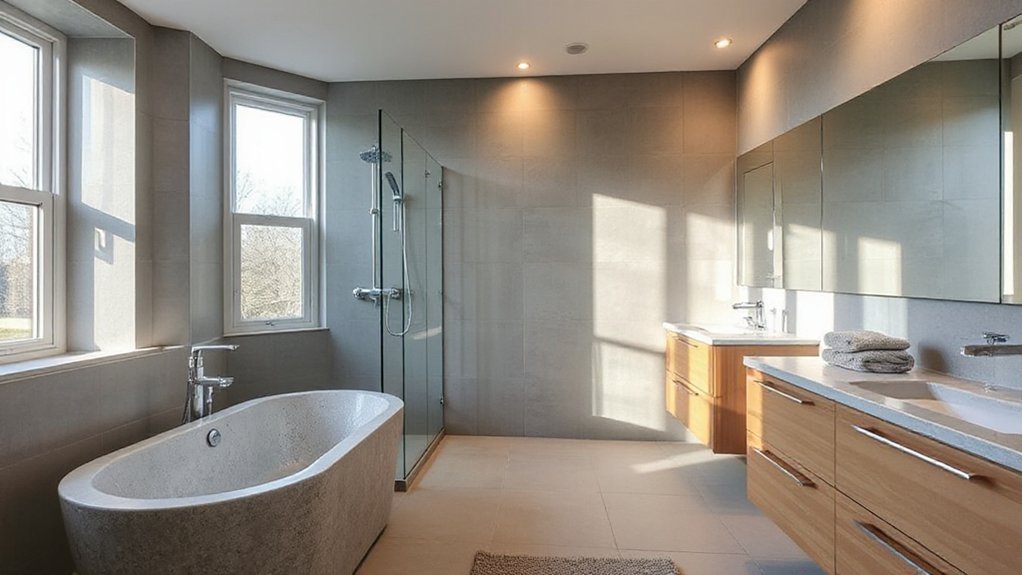
Bathrooms that tenants will pay a premium for aren’t an afterthought; they’re a strategic lever to raise rent, reduce vacancy, and boost returns. You should tailor bathrooms to show durability, ease of maintenance, and perceived luxury.
Prioritize solid core fixtures, quality taps, and moisture-resistant surfaces to minimize wear and tear. Invest in tasteful, timeless choices over trend-driven looks to sustain value.
The keywords matter: luxury fixtures signal high value, while spa style bathrooms create a retreat-like feel that justifies higher rents.
Plan layouts for efficient cleaning and accessibility, with good ventilation and robust waterproofing. Source reputable brands, warrantied products, and professional installation to avoid costly callbacks.
In short, a well-executed upgrade pays back through higher rents and lower vacancy.
Energy Upgrades to Cut Costs and Boost Value
Energy upgrades pay for themselves by cutting operating costs and lifting rent-ready value. You’ll see lower utility bills when you install high-efficiency boilers, programmable thermostats, and smart meters that reveal usage patterns.
Focus on insulation efficiency first: sealing gaps, upgrading loft insulation, and upgrading wall and floor insulation where feasible to reduce heat loss.
Renewable energy options, like rooftop solar PV, can offset daytime loads and provide a predictable income stream through feed-in tariffs or metering credits.
The upfront capex should be weighed against long-term savings, accelerated by property size and tenancy turnover.
Prioritize upgrades that improve comfort and reliability, since tenants value stable temperatures and predictable bills as much as cosmetic upgrades.
Budget, track savings, and benchmark against similar rental units.
Smart Storage Solutions for Small UK Flats
Smart storage pays off in small UK flats by maximizing usable space without expanding footprint. You’ll access value by prioritising discreet, scalable systems that tenants notice and landlords can justify higher rents for.
Start with Smart lockers in entryways and closets to keep bulk items organized and out of sight, reducing clutter that makes rooms feel smaller.
Pair with Modular shelving that adapts to varying storage needs—from shoes and bags to seasonal decor—without consuming floor area. Choose units that install flush against walls and integrate with existing decor to avoid visual crowding.
Prioritise durable materials, adjustable heights, and easy access for weekly chores.
Document the improvements, quantify space gains, and frame them as maintenance-friendly features that appeal to transit‑conscious or work-from‑home tenants.
Flexible, Multi‑Use Living Spaces That Rent Faster
You can boost rental velocity by prioritizing Flexible Living Configurations that let tenants rearrange spaces in minutes.
Multi-Use Space Design should enable quick reconfigurations, so the unit appeals to a broader lease pool and reduces vacancy downtime.
Focus on practical, modular layouts that support different routines and tenants, driving faster rent capture.
Flexible Living Configurations
Flexible living configurations enable faster rents by letting landlords tailor spaces to evolving demand. You optimize floor plans to maximize occupancy, swapping rigid rooms for fluid zones that adapt to renter needs.
Implement flexible layouts that support compact studios or split setups, enabling you to charge premium without adding square footage. Use adaptable furnishings—sofas with storage, foldaway desks, and modular dividers—to reconfigure spaces in minutes, boosting perceived value and rentability.
Prioritize durable, easy-to-clean surfaces and neutral finishes that appeal to a wide audience, reducing turnover friction. Document configurations in a simple guide for tenants, highlighting quick reassembly.
Monitor occupancy trends, adjusting configurations to demand shifts, and reinvest proceeds into scalable pieces that maintain flexibility while preserving margins.
Multi-Use Space Design
Multi-use spaces blend living and working zones to accelerate rents, letting tenants switch between intimate living, remote tasks, and guest-ready setups without adding square footage. You’ll maximize value by defining distinct zones with creative zoning: a compact desk nook, a sofa that folds into a bed, and a dining area that doubles as a workspace.
Use modular furniture to transform the footprint in minutes, reducing vacancy risk between tenants. Prioritize aesthetic cohesion across materials, colors, and lighting so the space feels intentional, not cluttered. Choose durable finishes that withstand frequent reconfiguration, and deploy smart storage that hides gear yet remains accessible.
Clear sightlines and calibrated scale prevent overcrowding, while built-in charging hubs support remote work. This approach delivers faster rents through flexible, high-utility design that tenants actively seek.
Quick-Reconfigurable Interiors
When you need faster rents, prioritize interiors that reconfigure in minutes. Quick-reconfigurable interiors boost turnover by letting tenants adapt spaces for work, sleep, and guests without long fit-outs.
You’ll want modular furniture that folds away or stacks neatly, creating instant room to work or socialize. Collapsible walls add real value, enabling a one-bedroom to feel like a two-bedroom during peak demand, or convert a living room into a private home office on request.
Design should emphasize durable mechanisms, smooth operation, and clear movement paths to avoid friction during viewings. Choose finishes that resist wear and look professional in photos.
Track performance by rental days-on-market and tenant satisfaction, then refine configurations to maximize leasing speed and perceived value.
Durable Finishes Land Long‑Term Tenants
Durable finishes matter because they reduce maintenance costs and keep rental units market-ready longer, attracting long-term tenants who value reliability over flash. You choose materials and textures built to withstand heavy use, moisture, and common accidents, so turnover costs stay predictable.
Prioritize hard-wearing flooring, stain-resistant surfaces, and sealed joins that resist scuffs and leaks. A single, well-executed finish plan minimizes repaint cycles and component replacements, boosting net operating income over time.
You’ll note that durable finishes also simplify upkeep for tenants, encouraging consistent rent payments and fewer disputes about wear. In practice, invest upfront in quality brands, proper installation, and warranties.
The result: steadier occupancy, higher perceived value, and sustained profitability through durable finishes that appeal to long term tenants.
External Improvements That Lift Curb Appeal and Rent
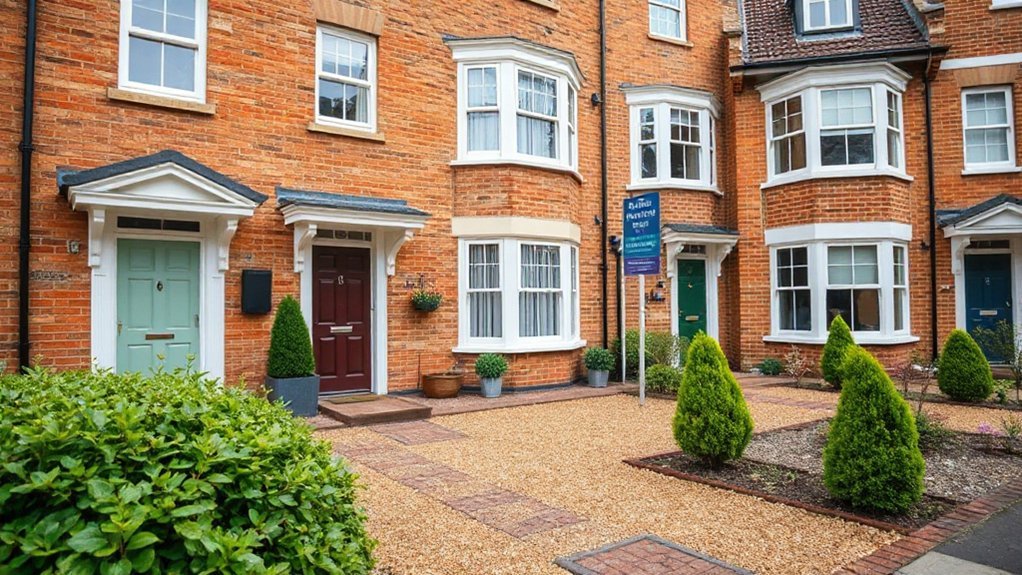
Investing in external improvements boosts curb appeal and directly lifts rental value, extending the life of your current interior investments by making the property more attractive at first glance. You build value by clean lines, low-maintenance choices, and durable materials that withstand UK weather.
Prioritize garden landscaping that requires minimal ongoing effort while creating welcoming sight lines for prospective tenants. A tidy front fascia, refreshed door, and cohesive color palette signal quality and care from the moment someone arrives.
Exterior lighting extends usable hours, enhances security, and highlights key features without wasting energy. Consider practical touches: drought-tolerant plantings, edged borders, and smart lighting controls.
These elements improve perception, justify higher rents, and reduce vacancy risk over time.
Budgeting and Prioritizing Upgrades for Maximum ROI
Prioritize upgrades that deliver the highest annual return on investment, focusing on fixes that reduce vacancy risk and boost rentability first.
Budget with a clear capex ceiling, allocate a contingency, and map each upgrade to expected cash flow, not just cost.
Align your spend with rent premium targets and statutory requirements to maximize net gains over time.
Prioritize High-ROI Upgrades
To maximize rental value quickly, start by identifying high-impact upgrades that tenants notice and are willing to pay for, then allocate your budget where it yields the best ROI. You’ll prioritize projects with proven appeal and fast turnover, avoiding low-return fixes.
Target improvements that boost perceived value without excessive spend: durable finishes, efficient fixtures, and cohesive styling. Traditional decor can help attract longer tenancies in markets with discerning renters, so align upgrades with a timeless aesthetic that photographs well.
Concurrently, address maintenance risks preemptively—pest control, leaky seals, and mold prevention reduce vacancy by minimizing repairs after move-in.
Plan in phases, measure response, and reallocate funds from underperforming tasks to high-ROI upgrades. Your disciplined approach preserves capital while delivering steady rental growth.
Budgeting For Maximum Returns
Budgeting for maximum returns starts with a tight capex plan that links every upgrade to measurable rental gains. You map costs against expected rent uplift, then set a precise hurdle rate to decide if an item stays in or goes out.
Begin with a baseline property valuation to frame ROI targets, not just cosmetic appeal. Prioritize upgrades that improve core livability and energy efficiency, since those yield durable rent increases and lower operating costs.
Use market trends to time investments—avoid over-investing in outdated features that buyers no longer demand.
Build a phased budget with contingency buffers and clear milestones, so you can reallocate funds as data updates.
Track performance monthly, recalibrate, and document outcomes to justify future capex decisions.
UK Planning Rules and Landlord Responsibilities, Demystified
Understanding UK planning rules and landlord responsibilities isn’t optional—it’s essential to protect value and stay compliant. You’ll benefit from knowing how zoning restrictions shape what you can and can’t do on a property, and when planning permissions are required to avoid delays or penalties.
You should keep records of planned changes, consult your local planning authority early, and assess exemptions that could simplify projects. Always verify that alterations, extensions, or conversions align with permitted development rights to minimize risk.
Maintain clear tenancy terms that reflect any approvals and associated conditions, so later rent adjustments or refurbishments don’t trigger disputes.
Frequently Asked Questions
How Do VAT? VAT Changes Affect Rental Upgrades in the UK?
VAT implications affect your rental upgrades: you’ll recover VAT on renovation costs only if you’re VAT-registered, otherwise you can’t reclaim. Plan budgets, consider timelines, and forecast cash flow impacts to maximize profit while complying with tax rules.
Do Planning Rules Require Permission for Cosmetic Changes?
Do planning rules require permission for cosmetic changes? Generally, no, not for interior cosmetic enhancements, but you should verify external changes and listed buildings. Planning permission, cosmetic enhancements, could affect permits, so monitor local council guidelines to stay compliant. Is it worth the risk?
How Long Before ROI From Upgrades Becomes Visible to Tenants?
You’ll start seeing ROI within 3–6 months as tenant satisfaction rises with timely upgrades; plan upgrade timing to coincide with lease renewals, minimizing vacancy. Maintain metrics, adjust pacing, and track turnover costs for steady profitability.
Are There Grants or Loans for Energy-Efficient Improvements?
Yes—Energy saving grants and loan options exist for energy-efficient improvements. You can access government and utility programs, evaluate repayment terms, and prioritize ROI-focused projects to reduce operating costs while boosting rental value and tenant appeal. Actively compare offers.
Do Rental Income Taxes Change After Major Refurbishment?
Yes, your rental income taxes can change after a major refurbishment, as it may affect allowances and depreciation. Track Rental regulations and Property depreciation carefully; you’ll want precise records to optimize profits and prevent compliance pitfalls.
Conclusion
You’ve got the blueprint: upgrades that attract long-term tenants, justify higher rents, and weather market shifts. Like a well-tuned instrument in a busy orchestra, smart kitchens, efficient baths, energy tweaks, and clever storage hit the right notes while durable finishes reduce turnover. External polish and smart budgeting keep cash flow steady. Think of regs as guardrails, not roadblocks. Execute with precision, monitor ROI, and your property will sing profit even in crowded UK city markets.
About the Author