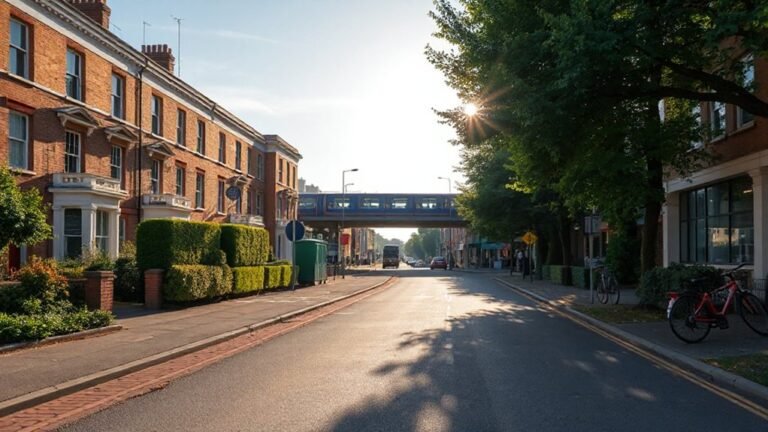
You can assess Blackpool’s regeneration zones through data-driven planning, clear milestones, and investor-friendly frameworks that prioritize housing, infrastructure, and tourism. The framework aligns public capital with private funding via partnerships, aiming for market stabilization and sustainable growth. Your opportunity lies in targeted corridors, cultural ecosystems, and transport upgrades that improve accessibility and visitor spend. With early wins and concrete metrics, what comes next will shape long-term prosperity and community well-being—so consider how you fit into that trajectory.
What Blackpool Regeneration Zones Are and Why They Matter
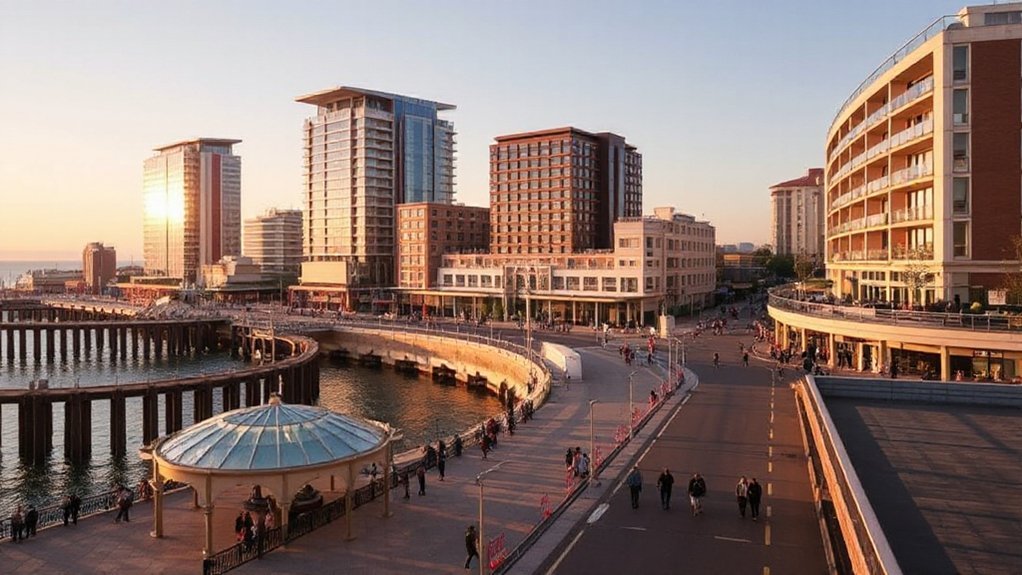
Blackpool’s regeneration zones are designated areas where targeted investment and policy levers aim to accelerate economic recovery, housing renewal, and local services. You’ll see them defined by measurable targets, governance structures, and funding streams designed to align public, private, and community interests.
The zones prioritize outcomes in employment, affordable housing, and infrastructure, backed by data dashboards, milestone reviews, and risk-adjusted budgeting. You’re positioned to track performance, engage stakeholders, and adjust strategies as evidence evolves.
Historical preservation features prominently, ensuring that revitalization respects cultural assets while releasing new use cases. Art installations become focal points for placemaking, drawing visitors and talent while signaling long-term commitment.
Your role is to monitor indicators, advocate for balanced growth, and sustain collaboration across agencies and communities.
How the Regeneration Framework Supports Investors in Blackpool
The Regeneration Framework streamlines access to capital, information, and governance for investors by translating policy aims into clear milestones, funding streams, and risk-adjusted dashboards. You’ll see a structured pipeline that aligns project viability with investor timelines, anchored by measurable KPIs and transparent governance.
In practice, this means faster due diligence, clearer funding options, and better risk management across Blackpool’s regeneration zones. Tourism innovation and housing affordability become explicit decision filters, guiding site selection and public-private collaboration.
You benefit from data dashboards that synthesize local market data, demand forecasts, and policy milestones into actionable insights. Stakeholders collaborate to reduce friction, liberate capital, and sustain momentum through evidence-based planning and delivery.
- Access to capital and clear funding streams
- Transparent governance and risk-adjusted dashboards
- Data-driven alignment with Tourism innovation and Housing affordability
Where Investment Is Flowing in Blackpool: Key Corridors
A clear map shows where investment is flowing in Blackpool, with key corridors delivering momentum across regeneration zones. You’ll see concentrated funding along coastal corridors and urban spine routes that align with housing, business hubs, and public domain upgrades.
Data indicates steady capital inflows into transportation corridors, mixed-use developments, and retrofit programs that facilitate stalled properties. Policy emphasis prioritizes returns on placemaking, job creation, and resilience, with coordination across planning, utilities, and fisheries-adjacent endpoints.
Stakeholders note the corridor approach reduces friction for developers and enhances QA/QC through standardized design codes.
Historical preservation, coastal ecology, and environmental safeguards are embedded in project briefs to balance growth with heritage and fragility.
You should monitor impact metrics, timelines, and local employment effects to gauge investment health.
Tourism Upgrades That Boost Visitor Revenue in Blackpool
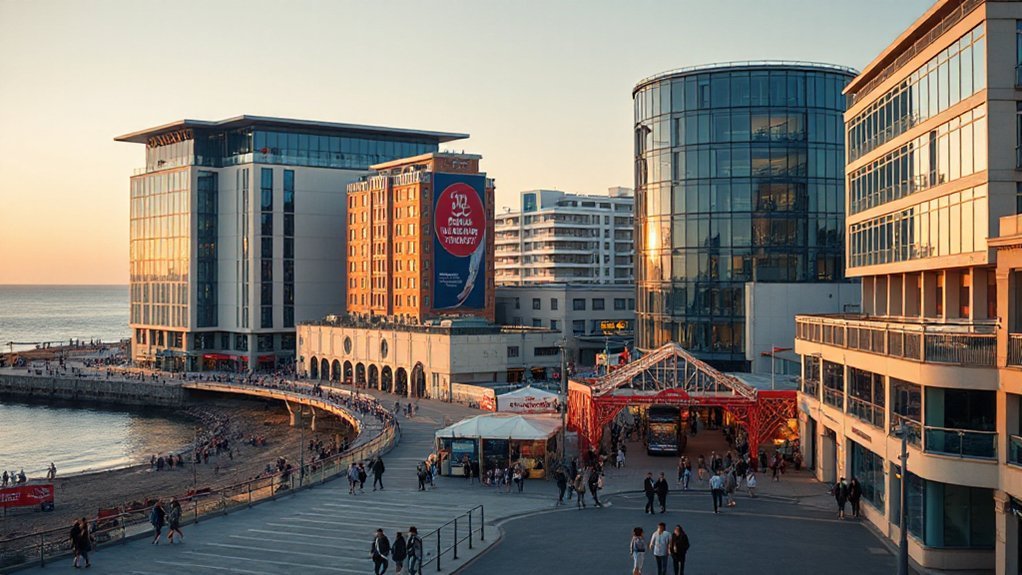
Tourism upgrades in Blackpool are driving visitor revenue by targeting high-yield experiences, improving accessibility, and layering data-driven investments across hospitality, entertainment, and public space enhancements. You’ll see decision-ready metrics guiding attractions, accommodation mix, and event scheduling, with historical preservation and environmental resilience integrated into policy targets.
The approach aligns funding with visitor demand, ensuring sustainable returns while safeguarding cultural assets and coastal ecosystems.
1) Prioritize high-yield experiences that leverage brand history and coastal scenery, supported by transparent performance dashboards.
2) Expand accessibility and multimodal access, coupling universal design with adaptive transport solutions to boost repeat visitation.
3) Link hospitality upgrades to environmental resilience, embedding energy efficiency, waste reduction, and data-informed branding for long-term revenue growth.
Infrastructure Upgrades Shaping Blackpool’s Growth
Infrastructure upgrades are pivotal for Blackpool’s growth, delivering measurable improvements in resilience, mobility, and investor confidence. You’ll see targeted enhancements to digital infrastructure, expanding high-speed connectivity for businesses, public services, and tourism operations.
Data shows faster networks correlate with higher business retention and new investment, particularly in regeneration zones where digital access unlocks productivity gains. You’ll also benefit from upgraded street networks, multimodal corridors, and flood resilience measures that reduce disruption and protect critical assets.
Renewable energy integration supports cost stability and green job creation, aligning with council targets and regional incentives. Stakeholders gain clearer project timelines, funding commitments, and performance metrics, enabling timely decisions.
The coordinated approach strengthens governance, accelerates delivery, and sustains Blackpool’s competitive position.
Housing Developments to Meet Demand in the Regeneration Zones
Regeneration zones will require targeted housing developments that align with projected population growth, labor needs, and visitor fluctuations, ensuring supply keeps pace with demand without undermining affordability. You’ll pursue a data-driven mix of affordable housing and market-rate units embedded in urban renewal efforts, prioritizing tenure diversity and longstanding affordability commitments.
1) Align unit counts with demographic projections, targeting a 15-year horizon to balance supply, demand, and fiscal viability.
2) Integrate affordable housing with mixed-use policies, leveraging subsidies, and long-term stewardship to maintain affordability.
3) Coordinate with employers, training providers, and planners to time delivery with tourism cycles, commuter flows, and regeneration milestones.
Green and Blue Infrastructure for Sustainable Growth

Green and blue infrastructure will underpin sustainable growth by buffering economic cycles, enhancing resilience, and supporting quality of life for residents and visitors. You’ll assess urban greening potential, aligning tree canopy expansion, green corridors, and pocket parks with land use plans to reduce heat, flood risk, and social inequities.
Policy emphasis focuses on scalable implementations, cost-benefit analyses, and funding sequencing that prioritizes high-impact sites. Stakeholders—local government, developers, utilities, and communities—must share data on surface water runoff, biodiversity gains, and maintenance needs to optimize investment pipelines.
Water management strategies integrate permeable pavements, bioswales, and retention wetlands to minimize overflow costs and sewer pressures. Concrete targets accompany monitoring dashboards, ensuring accountability, transparency, and continuous improvement across regeneration zones.
Employment Opportunities Across Blackpool’s Regeneration Zones
Blackpool’s regeneration zones are poised to drive job creation through targeted sector clustering, local hiring commitments, and skills alignment with planned investments. You’ll see employment opportunities expand as cluster-focused programs align with industry demand, driving consistent hiring across sectors.
Data indicates growth in construction, hospitality, and clean energy support jobs, supported by workforce development initiatives and local procurement rules. You’ll benefit from streamlined onboarding, apprenticeship pathways, and reskilling programs designed to meet employer needs, with measurable targets and regular reporting to stakeholders.
- Employment innovation pilots will test new hiring models, including inclusive outreach and micro-credentials.
- Workforce development plans link training outcomes to employer pipelines, ensuring rapid job placements.
- Sector-based clusters coordinate with local institutions to sustain long-term employment momentum.
Public-Private Partnerships Driving Blackpool Projects
Public-private collaboration shapes Blackpool’s project pipeline, balancing public objectives with private capital and expertise. You’ll see how investment pipeline optimization aligns funding flows, timelines, and risk-sharing across sectors critical to regeneration.
Together, we can assess risk-reward allocation strategies to inform policy choices and stakeholder accountability.
Public-Private Collaboration Dynamics
Public-private partnerships (PPPs) have become a core mechanism for delivering Blackpool’s regeneration agenda, aligning public mandates with private capital, expertise, and risk-bearing capacity. You evaluate collaboration dynamics through measurable outcomes, governance clarity, and risk allocation, ensuring accountability across partners.
Data-driven frameworks guide decision-making, aligning investment horizons with policy timelines and community needs. Collaboration dynamics hinge on transparent procurement, performance milestones, and shared metrics that reflect social and economic returns.
You prioritize stakeholder engagement, balancing public interests with private incentives to sustain momentum and reduce delivery risk.
- Establish clear governance roles and decision rights across all partners.
- Align KPIs with regeneration milestones, linking funding to measurable social and economic impact.
- Implement robust risk-sharing and escalation protocols to maintain resilience.
Investment Pipeline Optimization
To optimize Blackpool’s investment pipeline, PPPs should be guided by a transparent, data-driven intake, prioritization, and sequencing process that links project viability to policy milestones and community outcomes.
You’ll implement a standardized scoring framework, balancing financial returns with social value, cultural integration, and environmental sustainability.
Decisions hinge on verifiable metrics: cost-to-benefit ratios, job quality, placemaking impact, and local supply-chain engagement.
Establish explicit gates: concept, due diligence, procurement, and implementation, with go/no-go criteria aligned to town-wide strategic objectives.
Engage stakeholders early through open dashboards, public consultations, and cross-agency data sharing.
Prioritize cross-sector collaborations that liberate private capital while preserving affordability and resilience.
This approach reduces risk, accelerates delivery, and reinforces Blackpool’s long-term growth trajectory.
Risk-Reward Allocation Strategies
How should Blackpool allocate risk and reward across PPP-driven projects to maximize public value while attracting private capital? You balance upfront public subsidies with performance-based payments, ensuring returns align with outcomes like job creation, cultural integration, and environmental sustainability.
You quantify risk transfer to private partners using clear triggers, caps, and reserve funds, reducing ambiguity and fostering accountability. You embed rigorous due diligence, transparent pricing, and ongoing performance monitoring to protect public interest while accelerating delivery.
You align private incentives with long-term de-risking, ensuring cost efficiency and resilience. Stakeholders review dashboards, update baselines, and publish impact data to sustain trust and investment.
- Define shared value metrics and thresholds for cultural integration and environmental sustainability.
- Use tiered risk-sharing models tied to measurable results and public-benefit guarantees.
- Establish independent oversight and transparent reporting to reinforce accountability.
Funding Streams and Investor Incentives in Blackpool Regeneration

Blackpool’s regeneration hinges on a mix of funding streams and investor incentives that align public objectives with market signals. You’ll see a dual approach: public funding aligned with private capital, and targeted incentives that reduce risk for investors while driving policy priorities.
Data indicates sector-targeted grants, tax reliefs, and place-based funds catalyze upfront development and long-term resilience. You’ll also assess blended finance, such as seed capital paired with development guarantees, to de-risk projects in late-stage delivery.
Investor incentives include streamlined approvals, long-term revenue certainty, and benchmarking against regeneration indicators. In practice, you’ll pair cultural and leisure assets—like Art installations and culinary festivals—with revenue-generating plans to strengthen demand, stimulate jobs, and sustain mixed-use growth across regeneration zones.
Blackpool Property Trends: Prices, Yields, and Value Now
You’ll see how price trends are shaping potential entry points and long-term value in Blackpool’s market.
We assess yields against risk-adjusted benchmarks to inform policy decisions and investor timing.
In short, current valuations, cap rates, and rental performance set the baseline for targeted regeneration investments and stakeholder planning.
Price Trends Overview
Across Blackpool, prices have shown a steady trajectory with selective pockets of momentum driven by locations near amenities and transport links, while yields remain competitive for investors seeking short hold periods.
Market volatility has moderated recently, and you can observe price stabilization across core sectors as regeneration progresses.
- Price momentum clusters align with upgraded transport nodes and service access, supporting selective premium shares.
- Short-hold demand concentrates around areas with visible infrastructure delivery and council-backed improvements.
- Data indicates stabilized year-on-year changes, with gaps narrowing between high- and mid-tier markets, guiding risk-aware investment decisions.
Yield Potential Insights
Yield potential in Blackpool hinges on leveraging regeneration momentum and transport-linked demand to sustain attractive income metrics, even as cap rates compress in premium corridors. You’ll see yields supported by diversified rents across regeneration zones, with occupancy resilience from policy incentives and improved connectivity.
Historically, purchasers weigh yield stability against development risk, so data-driven dashboards show sensitivity to visitor footfall, office-to-residential mix, and mid-term rent escalators. Coastal corridors attract institutional scrutiny for long-hold portfolios, where planning certainty and public-private collaboration drive performance.
Stakeholders gain clarity from transparent underwriting: capex timelines, vacancy buffers, and yield compression bands by submarket. Remember to assess historical architecture as a value-add lever and coastal ecology constraints to recalibrate density, ensuring sustainable income growth without compromising environmental safeguards.
Current Market Valuation
Blackpool’s current market valuation reflects a tight alignment between regeneration momentum and property fundamentals, with prices stabilizing as occupancy supports resilience and yields compress in premium zones.
You’ll see data-driven signals showing modest growth in leasing activity, steady cap rates, and improving occupancy across key districts, even as market volatility creates caution in entry price expectations.
Regulatory hurdles remain a practical constraint, shaping timing and project scope, while policy alignment supports continued demand from institutional investors and local occupiers.
1) Regeneration progress aligns with valuation, reducing downside risk and stabilizing yields across core precincts.
2) Occupancy gains support resilience, yet regulatory hurdles temper transaction velocity and scale.
3) Market volatility informs prudent pricing, necessitating robust due diligence and transparent stakeholder oversight.
Risks in the Regeneration Timeline and How to Mitigate Them
Risks in the regeneration timeline can derail milestones if delays compound fiscal pressures, political changes, or misaligned stakeholder expectations; hence, it’s essential to map uncertainties early and implement mitigations that are measurable and accountable.
You’ll assess critical path delays, funding gaps, and policy shifts using a structured risk register anchored to milestones. To reduce exposure, allocate contingency budgets, secure multi-source finance, and designate decision authorities with clear escalation steps.
Integrate independent evaluators to validate progress and adjust plans based on live data, dashboards, and quarterly reviews.
Address urban decay and cultural preservation by linking investment triggers to condition assessments and conservation covenants, ensuring maintainability and community buy‑in.
Transparent reporting and stakeholder briefings sustain legitimacy, enabling timely course corrections without eroding trust.
Milestones to 2030: Timeline Snapshot of Key Projects

You’ll see how Milestones Through 2030 align with our Key Projects Timeline to map tangible delivery phases.
This data-driven snapshot highlights investment growth phases and policy milestones that inform stakeholder planning and decisions.
As you review, you’ll consider how these timelines translate into concrete actions, funding needs, and risk-adjusted progress toward Blackpool’s regeneration goals.
Milestones Through 2030
Milestones Through 2030 map the sequence and timing of major regeneration projects, linking capital investments to job creation, housing delivery, and transformative public domain. You’ll see a data-driven timetable that aligns funding with measurable outputs, enabling transparent governance and accountable delivery.
Progress is tracked against interlinked indicators for Historical preservation and Environmental conservation, ensuring broader heritage and ecological goals inform project decisions. The framework prioritizes risk-adjusted milestones, with clear owner responsibilities and reporting cadences to satisfy stakeholders across public, private, and community sectors.
You benefit from phased sequencing that reduces disruption while maximizing social value, with early wins used to build momentum for later, larger interventions.
- Project initiation and funding alignment across agencies
- Sequential construction phases tied to housing and employment targets
- Public sphere completion metrics and post-delivery stewardship
Key Projects Timeline
Historical preservation is prioritized, with listed heritage sites slated for restoration within two-year windows and accompanying interpretive programs to support public engagement.
Artistic collaborations are embedded as cross-sector outputs, including artist residencies, community commissions, and cultural districts phased across three tranches to minimize disruption.
Each project page indicates the responsible department, funding streams, success metrics, and risk mitigations, enabling stakeholders to track performance, adjust scoping, and guarantee alignment with policy objectives and local employment opportunities.
Investment Growth Phases
- Sequenced milestones linked to funding rounds, permits, and construction start dates.
- Quarterly performance dashboards measuring capex, job metrics, and local procurement.
- Post-implementation reviews evaluating long-term economic and social benefits.
How Local Businesses Can Leverage Regeneration Opportunities
Local businesses can capitalize on regeneration by aligning their offerings with funded projects, procurement pipelines, and planning priorities already identified by councils and partners. You should map project timelines, budget cycles, and supplier requirements to guarantee timely bids and subcontracting opportunities.
Use data from regeneration dashboards to identify sectors with growing demand, then tailor products and services accordingly. Prioritize collaboration with anchor institutions to access mentoring, short-form grants, and co‑funding mechanisms that reduce entry barriers.
Focus on local branding to communicate community value, resilience metrics, and regional impact, while tracking procurement spend and contract performance for visibility.
Emphasize skill development by offering accredited training, apprenticeships, and upskilling programs that meet specification needs, thereby improving bid competitiveness and long‑term sustainability for both your business and the wider economy.
Transport Connectivity Upgrades Improving Access and Movement
Transport connectivity upgrades directly affect how regeneration benefits reach businesses and residents, linking project pipelines with improved access to markets, labor, and services. You’ll see measured gains in movement efficiency, better last-mile connectivity, and clearer gates for investment-planning timelines.
Public transit integration enhances service reliability and reduces idle time for workers, while roadway optimizations curb traffic congestion that deters arrival rates and project momentum. Policy alignment with funding cycles ensures milestones match housing and employment targets, boosting investor confidence and workforce participation.
- Align transit capacity with demand forecasts to minimize delays and improve dependability.
- Synchronize signal timing and bus priority to reduce travel times and curb congestion.
- Implement data dashboards for ongoing transparency, performance tracking, and stakeholder accountability.
Cultural and Creative Economy: Harnessing Seaside Charm
You’ll see how Seaside Creative Clusters can anchor local investment, talent development, and year-round visitor appeal.
This section highlights Cultural Tourism Catalysts as measurable drivers for job creation, revenue, and cross-sector collaboration.
We’ll outline data-informed policy levers to expand arts-led regeneration while aligning with stakeholder priorities and budgetary realities.
Seaside Creative Clusters
- Establish shared KPIs and transparent reporting to guide funding and accountability.
- Streamline permitting and incentives to attract artists, studios, and tech startups.
- Aggregate cultural assets into a cohesive, market-ready visitor proposition.
Cultural Tourism Catalysts
Could cultural tourism be the keystone that translates Blackpool’s seaside charm into measurable economic value? You’ll quantify impacts by linking cultural offerings to visitor spend, job creation, and business formation.
Data indicate that targeted art exhibitions attract higher-yield demographics, sustain extended stays, and boost adjacent retail performance. Policy considerations include streamlined permitting, grant-munding for venues, and measurable KPIs on visitor days, repeat visitation, and local supplier participation.
Stakeholders—from councils to operators—benefit when cultural routes are integrated with transport access and digital marketing. Cultural Tourism Catalysts should prioritize collaborations with local cuisine producers, leveraging bites of regional identity to extend evenings and diversify revenue.
Align investments with capacity planning, risk assessments, and transparency in funding flows to ensure equitable benefit across neighborhoods. Art exhibitions and local cuisine become catalytic anchors for sustainable growth.
Early Wins and Lessons From Blackpool Regeneration Case Studies
Early wins in Blackpool’s regeneration provide concrete, time-bound signals of policy effectiveness and stakeholder alignment, showing which interventions translate into measurable place-based gains. You’ll see early momentum in data-driven pilots, with quantified improvements in footfall, spend, and occupancy near Historical landmarks and at Local festivals, signaling alignment across agencies and communities.
- Targeted investment returns, with short-term occupancy and revenue upticks near focal sites.
- Collaborative governance lessons, highlighting faster decision cycles and data-sharing between councils, developers, and community groups.
- Programmatic learning, identifying which interventions scale, which require calibration, and which partnerships sustain momentum.
These lessons guide subsequent investments, reducing risk, and sharpening Performance dashboards for ongoing accountability and informed policy tweaks.
How Residents and Investors Can Engage With Regeneration Initiatives
You’ll explore how community engagement strategies, transparent investment dialogue frameworks, and clear project access can align residents and investors with Blackpool’s regeneration goals.
Data-driven metrics and policy guidance will help you assess participation opportunities, track outcomes, and identify responsible investment paths.
This discussion invites stakeholders to co-design accessible channels, measure impact, and reduce barriers to involvement across the regeneration lifecycle.
Community Engagement Strategies
Engaging residents and investors in Blackpool’s regeneration requires structured, transparent channels that translate data into actionable collaboration. You’ll build trust by sharing clearly sourced metrics, timelines, and decision criteria, ensuring every stake signals its influence on outcomes.
Your approach blends participatory planning with formal governance, so communities see their inputs reflected in masterplans and investment strategies. Data dashboards, open forums, and policy briefs translate complex indicators into practical actions that policymakers and investors can align behind.
1) Establish regular, outcome-driven town halls with published responses and timelines.
2) Publish accessible impact dashboards that link funding to measurable community benefits.
3) Create cross-sector working groups to co-design priority projects and monitor progress.
Community trust and participatory planning underscore sustainable regeneration, guiding accountable investments.
Investment Dialogue Frameworks
Data-driven dashboards track progress on housing, jobs, and infrastructure, while policy briefs translate findings into clear guidance for decision-makers.
You’ll engage in transparent risk assessments, enabling adaptive financing models that balance returns with public benefit.
Emphasis on Cultural preservation and Environmental sustainability guides project selection, ensuring heritage assets are protected and ecologies safeguarded.
Stakeholders share responsibilities through joint governance, with regular reporting to residents and investors.
This framework supports accountable, inclusive dialogue, reducing uncertainty and accelerating delivery aligned with Blackpool’s regeneration objectives.
Regeneration Project Access
- Use open data portals to submit proposals and monitor outcomes.
- Attend policy briefings and co-design sessions focused on greenery and arts initiatives.
- Review performance metrics and funding allocations to guarantee transparency.
Frequently Asked Questions
How Will Regeneration Zones Impact Local Healthcare Access?
Regeneration zones will improve healthcare accessibility by expanding clinics and transport links, so you’ll experience shorter waits and better coordination. You’ll see service improvements driven by data, funding, and stakeholder input, aligning resources with community needs and policy goals.
Which Small Businesses Benefit Most From Regeneration Incentives?
What small businesses benefit most from regeneration incentives? You, leveraging small business grants and entrepreneurial support, gain faster market access, better cash flow, and scalable growth; policymakers see measurable job creation, retention, and inclusive economic resilience through data-driven targets.
What Are the Risks to Community Displacement and Mitigation Plans?
You should assess risks to community displacement and implement displacement mitigation measures. Rely on robust community consultation, data-driven impact analyses, and transparent stakeholder engagement to identify vulnerable groups, monitor displacement trends, and adjust policies accordingly.
How Is Climate Resilience Integrated Into New Developments?
Develop sustainable infrastructure by integrating climate resilience into design, construction, andOperation. You’ll prioritize green building standards, adapt urban layouts for heat and flood risks, monitor performance data, and engage stakeholders to align policy with proven resilience outcomes.
When Will Major Projects Begin and Achieve Milestones?
Major projects begin within 24–36 months, delivering milestones on schedule as urban infrastructure expands and economic diversification accelerates; you’ll see measurable impacts, with data-driven progress updates, policy alignment, and stakeholder engagement guiding quarterly milestone reports and transparency.
Conclusion
You can steer money toward Blackpool’s regeneration zones with confidence, backed by transparent data, clear milestones, and robust public-private partnerships. The framework aligns housing, tourism, and infrastructure pledges, delivering measurable ROI and revived civic life. Stakeholders should track corridor performance, investment per project, and impact on local employment. Think of the city as a living dashboard—every new project adds a data point toward sustainable growth, painting a future where opportunity and resilience coexist.
About the Author