
You’re weighing Slough property near Crossrail, where proximity can lift prices and shorten commutes—but the gains aren’t linear. Demand hinges on station premiums, local amenities, and regeneration, yet transfer ease and neighborhood factors shape outcomes. You’ll need long‑term growth potential, clear planning rules, and solid environmental and service data to gauge risk. It’s not just about initial price—disruptions and permits matter for rent yields and value, and the bigger picture keeps shifting. Consider what comes next.
Why Crossrail-Adjacency Makes Slough Property Stand Out

Crossrail’s arrival nearby boosts Slough’s appeal by shortening commutes and widening job access, which translates into higher rental yields and stronger price growth signals.
You’ll see a measurable uptick in demand as workers value faster, reliable Public transit links that connect Slough to regional hubs without long transfers. With more riders, property turnover accelerates, nudging cap rates upward and tightening rental markets in core streets.
This adjacency also reshapes appraisal dynamics, as lenders weigh shorter effective commute times alongside longer-term growth projections. You should monitor how Public transit accessibility interacts with local incentives and property taxes, since tax changes can influence net yields and investment timing.
How Crossrail Shortens Your Slough Commute: Reality vs Expectation
Crossrail has raised expectations for Slough’s commute times, but the actual impact depends on the route you take and where you live. You’ll likely see broad gains on core links, yet the edge cases matter for daily routines and door-to-door times.
The data suggest a mix of relative wins and occasional bottlenecks during peak periods, so your personal gains hinge on station choices, transfer comfort, and service frequency. In practice, commuting convenience improves where you can connect directly to core business zones, while some trips still require a transfer or longer walk.
Consider how these patterns affect property accessibility and your schedule reliability.
- Faster links to central hubs
- Shorter transfers for key workplaces
- Variability by suburb and station
- Peak-time reliability considerations
Slough Crossrail Station–By–Station Price Signals
Data suggests station-area premiums reflect non-linear benefits: shorter transfers, quicker onward journeys, and stronger local demand from commuters who prioritize time over distance. Property taxes appear to correlate with neighborhood turnover and service demand, reinforcing the value signal at specific stops.
Local amenities—cafés, parks, schools—amplify station premiums, yet effects vary by catchment size. In forecasting, rely on station-by-station trends rather than line-wide averages for precise pricing expectations.
Who’s Renting Near Slough Crossrail and Why

Rents near Slough’s Crossrail stations skew younger and more transient than the broader market, driven by accessibility and the premium placed on quick commutes. You’ll see renters balance price with proximity, often prioritizing short-term stays or flexible leases to match job moves.
Data points suggest higher turnover, which mirrors local demand from first-time buyers who rent while saving for deposits and investors seeking rapid turnover. Property management plays a central role in optimizing occupancy and maintenance, reducing vacancy costs as demand shifts.
Rental yields tend to respond to commuter-related spikes, remaining resilient even as rents rise. Expect a mix of professionals, students, and transitional workers fueling demand and shaping pricing.
- Buyer-friendly changeover dynamics
- Management efficiency and vacancy risk
- Short-term, flexible leases
- Yield sensitivity to commute arteries
Planning and Regulation Changes Slough Sellers Should Watch
If you’ve been watching how renter demand centers around Crossrail access, you’ll want to track upcoming planning and policy shifts that could reshape how quickly properties move.
You’ll likely see tighter zoning regulations as councils align with housing targets and transport-led growth, potentially slowing or accelerating sales depending on parcel size and corridor intent.
Environmental assessments will rise in importance for compliance and lender confidence, with more rigorous habitat, flood, and air-quality reviews layered into planning approvals.
Based on current proposals, expect incremental changes rather than radical overhauls, but with potential regional pilot schemes that favor higher-density, transit-adjacent schemes.
Sellers who anticipate these shifts can price more accurately, prepare targeted disclosures, and time listings to match anticipated permit timelines and buyer appetite.
Investment Potential Beyond Quick Wins in Slough’s Crossrail Era
Crossrail’s ongoing presence in Slough isn’t just about quick rental wins; it offers a framework for longer-horizon returns that hinge on transport-led demand, density options, and robust planning signals.
You’ll see value unfold where mixed-use schemes align with commuter flows, and where ongoing regeneration creates predictable occupancy. Data suggests rental growth modestly outpaces inflation when amenities and accessibility improve in tandem with housing supply.
- Tourist attractions near the Crossrail hubs can sustain weekend demand beyond weekday commutes
- Local cuisine experiences feed longer stays and repeat visits, reinforcing unit turnover
- Density optimizes land use, supporting smaller, well-located investments with scalable rent queues
- Planning signals point to phased, sustainable development rather than short-term spikes
Carefully weigh tenants’ preferences, not just cap rates, to gauge enduring upside.
Financing and Affordability for Slough’s Crossrail Boom

Financing the Slough Crossrail boom hinges on aligning debt, equity, and repayment timing with a clear view of demand, supply constraints, and planning approvals.
In practice, you’ll compare loan-to-value ratios, stress-test rates, and upfront fees across lenders to gauge affordability against projected rents.
Rental yields in the corridor trend around mid-single digits, but vary by submarket and unit type, so you should model sensitivity to occupancy shifts and renewal cycles.
Mortgage options include fixed, tracker, and interest-only schemes; choose based on cash flow timing, repayment flexibility, and your risk tolerance.
Be wary of timing the drawdown to permit construction milestones and rental commencements.
Keep underwriting lean: document-ready income, robust occupancy assumptions, and contingency buffers to preserve leverage without eroding returns.
Resale Value and Market Liquidity: 5– to 10-Year View
Resale value and market liquidity in the Slough-Crossrail corridor are likely to follow a cyclical path shaped by project milestones, tenant demand, and local planning outcomes over the next 5–10 years. You should expect split timing between price uplift and transaction speed, with longer hold periods rewarding historical appreciation patterns.
While some volatility is possible, data-driven projections point to gradual gains as connectivity matures and perceived risk declines. Stay aware that liquidity could improve post-announcement windows and regulatory clarity, even if external shocks occur.
- Historical appreciation signals underpin cautious optimism
- Future projections hinge on infrastructure milestones
- Tenant demand cycles influence turnover timing
- Local planning outcomes modestly shift supply dynamics
Practical Steps for Buyers Right Now in Slough
Slough’s Crossrail corridor offers a clearer near-term path to value, so buyers should anchor decisions in concrete data rather than intuition.
You should build a quick checklist: compare current asking prices to nearby rail-accessed peers, model rent versus price growth, and stress-test with sensitivity to interest-rate shifts.
Focus on tangible signals: recent sale velocity, vacancy trends, and transfer-tax implications, then weigh them against your holding horizon.
Verify property taxes and any local rebates, and confirm service charges if buying flats.
Inspect proximity to local amenities—schools, parks, shops—and map commute times to central London, noting fluctuations in peak periods.
Don’t overpay; target units with robust lease covenants and lender-backed appraisals to preserve upside.
Stay disciplined, document assumptions, and update data monthly.
Next Questions Buyers Usually Have About Slough Crossrail
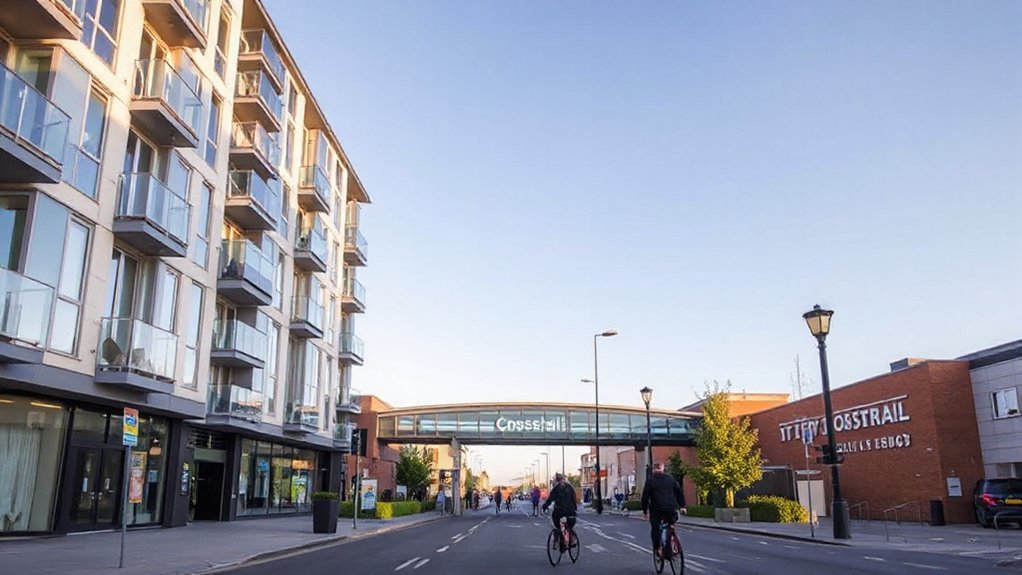
What’re the core data-driven questions buyers ask about Slough Crossrail, and how do these shape initial decisions? You’ll weigh projected commuting times, price trajectories, and rental yields, then compare with historical development trends and current demand signals. The answers guide whether to chase price momentum or wait for infrastructure validation.
- How soon will Crossrail cut your daily commute, and is the benefit priced in?
- Do current property prices reflect near-term capex and potential uplift from nearby amenities?
- What do rental yields look like versus buyer costs, maintenance, and taxes?
- How do Local amenities and schools correlate with long-term value in Slough?
Historical development signals and Local amenities are your North Star for risk-adjusted planning.
Common Pitfalls and How to Avoid Them in Crossrail-Adjacent Slough
You’ll see how Crossrail’s impact basics shape risks and opportunities, with data suggesting proximity, timing, and transport access matter most for value.
We’ll flag potential pitfalls in noise, construction access, and ongoing disruption, then weigh how these factors could influence prices and lease terms.
Based on current trends, a cautious approach—documenting mitigations, timelines, and legal/valuation considerations—will help you navigate Crossrail-adjacent Slough more reliably.
Crossrail Impact Basics
Crossrail proximity brings clear-cut risks and opportunities for Slough property; what pitfalls should buyers and developers flag early, and how can you avoid them? You weigh data on price floors, exposure, and timing, then map risk to return.
Expect shifts in property taxes as assessments adjust with demand and planning, and consider how local amenities may shift if regeneration accelerates. You’ll need precise due diligence on rezoning, station access, and pedestrian networks to forecast value trajectories.
Use benchmarks from comparable Crossrail-adjacent markets to ground your bets, and monitor service reliability and disruption patterns for ongoing cash-flow tests.
- Track price sensitivity to commute times and service upgrades
- Align investment with planned Local amenities and schools
- Assess property taxes under different development scenarios
- Plan contingencies for construction impact and access changes
Noise and Construction Access
Preliminary observations suggest soundproofing issues correlate with longer tenant complaints and higher upgrade costs, particularly in dual-use suites facing the line.
Construction zone access affects logistics: scaffold timing, crane windows, and access routes influence fit-out durations and permit cycles. If you’re evaluating risk, model scenarios where delays push rent collection calendars and elevate operating expenses.
Control measures should include verifiable noise mitigation plans and defined construction access protocols integrated into the lease.
Legal and Valuation Risks
- Confirm title deeds and enforceability of covenants before offer
- Verify legal compliance with planning, use restrictions, and environmental constraints
- Align construction and completion timelines with crossrail milestones
- Probe easements, access rights, and maintenance liabilities that affect cash flow
This data-driven approach reduces speculative risk, clarifies negotiation levers, and supports credible valuation estimates for Crossrail-adjacent Slough.
Frequently Asked Questions
How Does Crossrail Affect Long-Term Property Taxes in Slough?
Crossrail could lift property taxes slowly through higher valuations, you’ll notice a valuation impact on annual bills as demand shifts. Tax implications may rise moderately, though long-term shifts depend on market strength and council revaluations you influence.
What Unseen Risks Come With Crossrail-Adjacent Property?
Underground construction can disrupt access and raise nuisance levels, so you should expect intermittent noise pollution. You’ll need to monitor schedules and budgeting for unplanned delays, weighing speculative risks against potential long-term appreciation from improved transit access.
Which Areas Around Slough Crossrail Are Prone to Price Swings?
Price fluctuation hotspots around Slough Crossrail vary, and you’ll see swings where commuter demand spikes; invest cautiously, because investment stability fluctuates with rail usage, station upgrades, and local developments. You’ll track price fluctuation hotspots and investment stability closely.
How Quickly Can I Sell a Crossrail-Near Home in a Downturn?
In a downturn, you can sell faster when market timing aligns with peak buyer demand; expect volatility. You’ll ride swings if you monitor data, act quickly, and price aggressively, because market timing and buyer demand largely drive sale speed.
Do Rental Yields Differ by Station Along the Line?
Yes, rental yields vary by station along the line, you’ll see higher rental demand near major hubs and slower elsewhere, with property appreciation skewed toward improving corridors; performance is data-driven, speculative, and station-specific rather than uniform.
Conclusion
Crossrail isn’t a bandwagon; it’s a dial-turned lever shifting value on Slough streets. Your decision should hinge on data: station adjacency, transfer ease, and neighborhood signals, not hype. Expect non-linear premiums, potential delays, and evolving regulations. Look at long-horizon liquidity, rents, and redevelopment momentum. If you’ve mapped the risks, costs, and upside, you’ll ride the current rather than be swept by it. In Slough, timing and diligence turn proximity into profit.
About the Author