Begin by defining your Somerset style—rustic charm with practical, modern function—then plan a cohesive layout that respects local stone, timber, and plaster finishes while enabling indoor-outdoor flow. Assess feasibility early: check structure, access, utilities, and any planning or preservation rules. Budget carefully with contingencies, itemizing trades and materials room by room. Prioritize reversible, energy-smart upgrades and durable, authentic finishes. With a clear roadmap from demolition to finishes, you’ll set yourself up to tackle the project confidently and efficiently—and you’ll see how much more you can achieve.
What a Somerset Bungalow Renovation Delivers
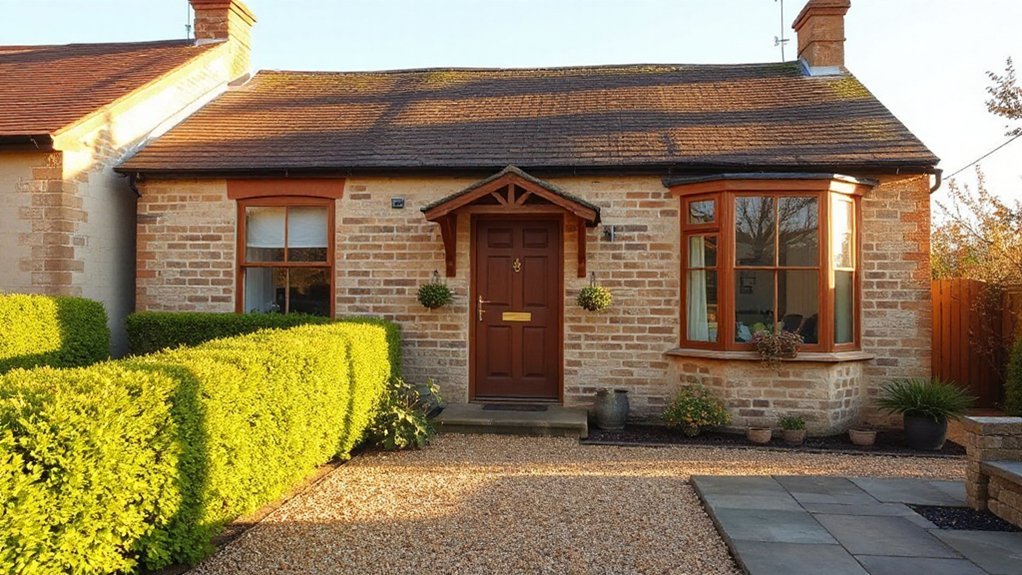
Expect durable materials, dependable finishes, and thoughtful detailing that endure Sussex weather and lived-in use. Historic preservation informs decisions, so you’ll retain original features where possible—fireplaces, timber framing, and plasterwork reconditioned with care.
Practical upgrades accompany charm, including switchable lighting, efficient insulation, and smart controls that simplify daily chores.
Landscaping ideas frame the home’s curb appeal, linking exterior to interior flow with low-maintenance planting and targeted sightlines.
The result is a cohesive, timeless home that balances heritage with contemporary convenience, enhancing value while honoring the property’s story.
Define Your Somerset Style and Layout Plan
Define your Somerset style by identifying the look that feels timeless and practical for a rural home. Then map a layout plan that supports daily living and entertaining in equal measure.
Start with core materials, colors, and textures that weather well in Somerset seasons. Pair them with zones that optimize flow between kitchen, living, and outdoors.
Keep the plan flexible enough to adapt as your needs evolve, and document decisions so updates stay cohesive.
Define The Somerset Style
To define the Somerset style and lay out the plan, start by identifying the core character you want: warm, rustic charm paired with practical, modern functionality. You’ll blend traditional touches with streamlined, everyday usability, ensuring spaces breathe and flow.
Ground the look in local architecture cues—stonework, timber detailing, and plaster finishes—then temper them with clean lines and durable materials that endure Somerset’s climate.
Prioritize a cohesive palette inspired by hedgerows, coppery browns, slate blues, and creamy whites.
Let garden design influence internal spaces: sightlines between indoors and outdoors, welcoming thresholds, and options for year‑round light.
Establish a unifying rhythm across rooms, matching textures and scale.
Finally, document a concise layout framework that guides furniture placement, storage, and connectivity.
Layout Plan Essentials
With a clear Somerset vibe in mind, start by sketching a practical layout that maximizes flow and daylight while preserving rustic charm. Define key zones first—kitchen, living, and retreat spaces—then tailor circulation to minimize hallway waste and capture southern light.
Choose a cohesive footprint that supports single-story accessibility, with a private master suite tucked near gardens. Consider garden landscaping as your external extension: align doors to sunny spots, and create patio thresholds that blur indoor-outdoor boundaries.
Create focal points—timber beams, inglenook fireplace, or stone accents—that anchor the design and reinforce your Somerset style. For color, select interior color schemes that echo the landscape: warm neutrals with soft greens and muted blues.
Finally, document dimensions, door swing, and window placement to guide trades precisely.
Assess Feasibility, Structure, and Compliance in Somerset
If you’re considering a country bungalow transformation in Somerset, start by evaluating feasibility, structure, and compliance to avoid costly missteps later. You’ll assess site constraints, access, and utilities, then confirm the existing frame can support planned changes without compromising safety.
Check structural integrity, load paths, foundations, and potential permits early, so hidden issues don’t derail progress. Understand historic preservation considerations that may affect exterior alterations, materials, or timelines, and plan accordingly.
Review zoning regulations to confirm permitted uses, setbacks, and height limits, avoiding future conflicts. Align your design with local authorities to streamline approvals.
Document all calculations, assessments, and professional opinions, keeping records ready for application reviews and inspections. This disciplined approach protects investment and supports a pragmatic, compliant transformation.
Budgeting for a Somerset Bungalow Renovation
Establishing a realistic budget early sets the foundation for a smooth Somerset bungalow renovation. You’ll gain clarity on costs, avoid surprises, and prioritize must‑haves over nice‑to‑haves.
Begin by listing essential trades, materials, and contingency, then assign realistic UK prices based on your postcode. Track VAT, delivery delays, and seasonal pricing to prevent overruns. Build in a separate fund for surprise fixes common in older properties.
Consider room‑by‑room costs, including Garden landscaping and Interior lighting, to frame total expenditure. Use phased spending to align with cash flow, not just credit limits.
- Define mandatory upgrades vs. optional enhancements
- Create a contingency of 10–15% of projected costs
- Schedule costs by project phase
- Prioritize energy efficiency savings
- Build timelines around supplier lead times
Planning Permissions in Somerset: What You Need to Know
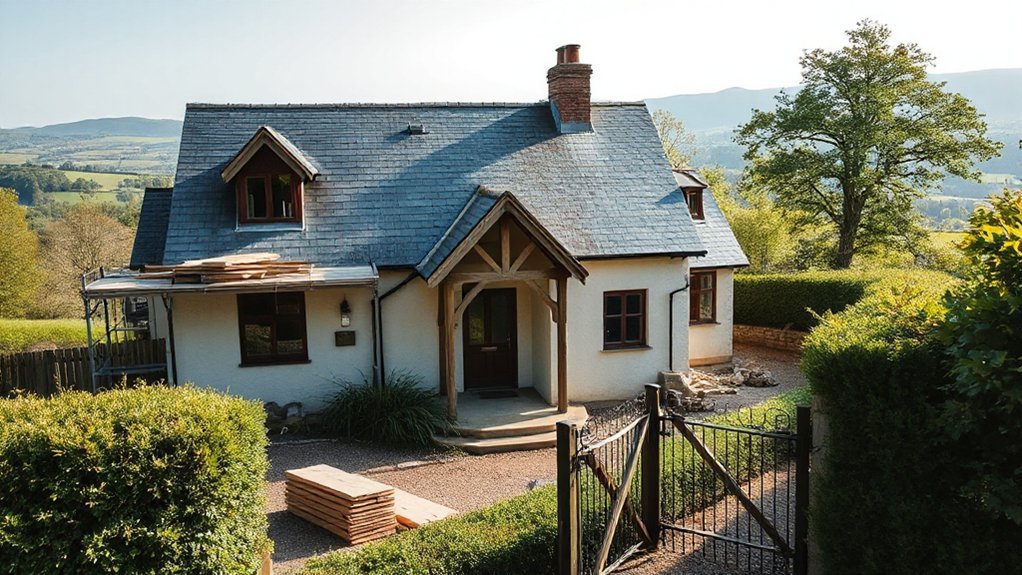
Planning permissions in Somerset can feel intimidating, but with a clear path you’ll avoid delays and keep your renovation on track. You’ll start by identifying whether your project requires consent, which depends on scope, location, and any listed structures. Check with your district council for a validated submission checklist and relevant forms, then assemble precise drawings, a concise description, and supporting reports.
You’ll need to guarantee local building codes and assure proposals align with them from day one, reducing back-and-forth. If your project touches historic preservation, prepare to navigate additional consultations and potential conditions to protect character.
Engage early with planning officers, seek pre-application advice, and document any changes. Ready your timetable, budget for approvals, and proceed methodically to secure timely consent.
Your Renovation Roadmap: Demolition to Finishes
Beginning a renovation means turning a plan into a concrete, step-by-step process—from demolition to finishes. You’ll map sequence, budget, and milestones so each phase informs the next, avoiding backtracking.
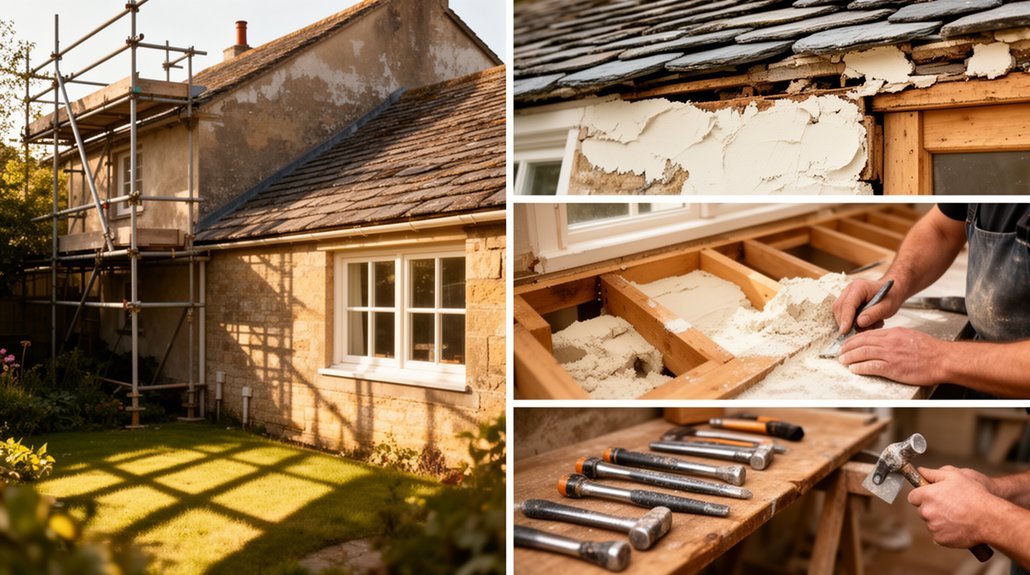
Start with a clear demolition plan, then salvage what’s worth keeping to save cost and materials. Structural checks come next, followed by rough-ins, then insulation and air sealing for efficiency.
As you proceed, tie the spaces together with thoughtful interior lighting and practical wiring layouts. Garden landscaping should be envisioned early enough to align access, sightlines, and drainage, yet flexible for later tweaks.
Your finishes must balance durability with aesthetics, ensuring clean progressions from rooms to outdoors.
- Establish a demolition plan that preserves essential structures
- Schedule trades with buffer for weather and inspections
- Plan rough-ins and insulation before finishes
- Integrate interior lighting for layered illumination
- Align garden landscaping with access and viewlines
Period-Appropriate Materials and Eco-Friendly Upgrades
To honor Somerset’s character, choose period-appropriate materials that pair authenticity with modern performance. You’ll balance aesthetics with efficiency by selecting period materials like lime plaster, slate roofs, timber joinery, and source-tested bricks, then pair them with discreet insulation upgrades.
Prioritize breathable, moisture-managing systems that align with traditional envelopes, avoiding heavy synthetic add-ons that disrupt texture and charm. Opt for low-VOC finishes, natural oil-based stains, and lime-wash paints to maintain patina while improving longevity.
For eco upgrades, install high-efficiency boilers or heat pumps, modern controls, and solar-ready layouts that respect proportions and rooflines. Guarantee timber is responsibly sourced and treated, replacing only where necessary.
Document compatibility between historic finishes and modern performance to preserve value without compromising character. This approach delivers durable, authentic, energy-conscious results.
Real-World Examples, Pitfalls, and Troubleshooting
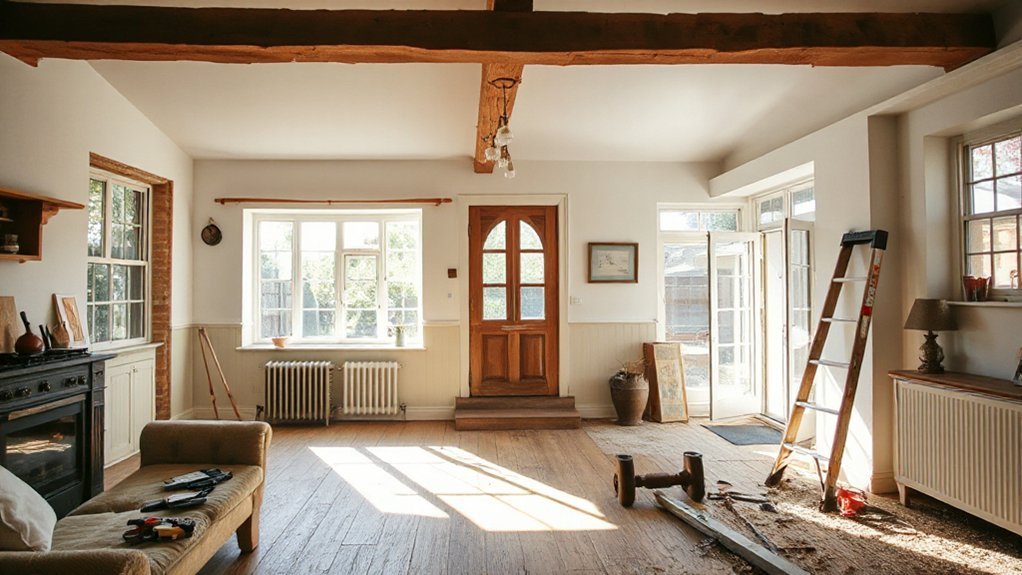
You’ll see real-world pitfalls show up in the details, from uneven subsurface conditions to misjudged budgets.
When troubleshooting, prioritize clear diagnostic steps, verified measurements, and documented fixes that you can repeat on future projects.
We’ll explore practical examples and proven tactics you can apply right away to keep your Somerset bungalow on track.
Real-World Pitfalls
What common missteps crop up when renovating a country bungalow, and how can you head them off before they derail your schedule and budget?
- Underestimating existing conditions, leading to surprise costs and delays
- Skipping a detailed plan for garden landscaping and interior decor integration
- Inadequate moisture and ventilation checks, causing mold risks and delays
- Overcommitting to trendy finishes that impede timeless practicality
- Rushed permitting or contractor selection, risking quality and compliance
To avoid these pitfalls, conduct thorough surveys early, set a realistic budget with contingencies, and align garden landscaping with your interior decor from the outset.
Maintain clear milestones, document decisions, and insist on written warranties.
Prioritize durable materials and verify tradespeople’s references.
Stay flexible but disciplined, so your project remains on track and your bungalow’s charm endures.
Troubleshooting Tactics
When things don’t go as planned, quick, methodical troubleshooting saves time and keeps the project on track. You’ll tackle issues by validating assumptions first: recheck measurements, permits, and compatibility between systems.
Prioritize visible, reversible steps to avoid costly reworks. For DIY challenges, document every change, test in stages, and keep a log of outcomes to guide decisions. If uncertain, pause and consult a trusted source before bypassing safeguards.
In real-world examples, unresolved wiring or moisture intrusion often stems from overlooked details; address those before cosmetics.
Contractor selection matters: engage firms with proven problem-solving track records, transparent timelines, and clear change-order processes. Establish a decision rubric, assign responsibility, and set a short, fixed-response window to keep momentum alive.
Maintain concise, evidence-based records to prevent recurrence.
Frequently Asked Questions
How Long Does the Typical Somerset Bungalow Renovation Take?
You’ll typically complete a Somerset bungalow renovation in 3 to 6 months, depending on scope. You’ll manage Exterior aesthetics and historical preservation carefully, coordinating trades efficiently while staying within budget and maintaining quality throughout the process.
What Are Hidden Costs Not Covered in Plans?
Hidden expenses sneak in, unforeseen costs creep up, hidden costs surface. You’ll encounter permits, utility upgrades, site fees, delivery delays, contingency allowances. You plan for overruns, you document changes, you review invoices, you stay vigilant throughout the project.
Which Tradespeople Are Best for Somerset Projects?
You’ll want local tradespeople with interior design insight and landscaping options experience in Somerset, focusing on reliable electricians, carpenters, and plasterers; vet references, ask for portfolios, and confirm permits, timelines, and practical coordination across trades.
How Do Damp and Mold Issues Affect Timing?
Clear as day: damp and mold slow project timing. You’ll need ventilation improvements and moisture barriers to control moisture. Prioritize these now, then monitor, seal gaps, and plan trades carefully to keep your schedule on track, reliably.
What Grants or Incentives Exist for Eco Upgrades?
You can access eco friendly funding and renovation incentives through government schemes, local councils, and utility programs. You’ll need solid energy plans, evidence of compliance, and timely applications to maximize grants, tax reliefs, and affordable financing for upgrades.
Conclusion
Seamlessly blending charm with modern comfort, you’ll finish a Somerset bungalow that feels timeless yet fresh. As you’ve mapped each step—from vision to viable plan, permits to finishes—you’ve built not just a home, but a confident approach for future projects. Picture sunlight spilling across new floors, a quiet, efficient heat, and spaces that work. The road was studded with careful decisions; the result is a sanctuary you can live in, love, and proudly share.
About the Author