Breathing new life into a Dorset country cottage starts with honoring its stone, lime plaster, timber beams, and patina. You balance historic features with modern comfort, using breathable lime mortars, vapor-permeable plaster, and low-embodied-energy finishes. Design with a locals-first mindset, sourcing regional materials, reclaimed timber, and craft traditions. Create bright, cottage-friendly interiors, calm bedrooms, and clutter-free storage that respect floorboards. Align lighting, views, and garden flows to Dorset light and habitat. If you press on, you’ll uncover deeper guidance and specifics.
Why a Dorset Cottage Feels Historic: and How to Honour It

In a Dorset cottage, history isn’t just decoration; it’s a living framework for today’s design. You sense the weight of timber joists, wainscoting, and low ceilings guiding your choices toward restraint and respect.
Cottage folklore informs your restraint, reminding you that every feature carries a story, from chimney pots to doorstep thresholds, so you preserve authenticity while updating function.
You prioritize historic preservation by documenting fabric, sourcing period-accurate hardware, and selecting paints that level to traditional palettes, not novelty tones.
Your plan emphasizes proportion, mirroring era geometry, and avoiding overt modern interventions that erode patina.
You treat space as a narrative, aligning textures with stone, plaster, and wood.
In this frame, intentional detail sustains charm without compromising modern comfort.
Plan With a Locals-First Mindset: Listening to the Village and Craftspeople
Listening to the village and its craftspeople begins with listening to place itself—speaking through the rhythms of the lanes, the types of stone, and the cadence of local hands. You’ll map how light shifts across alleyways, where lime plaster breathes, and where timber joints tell a history of craft preservation.
Your approach centers on village traditions, inviting residents to co-create spaces that respect scale, texture, and social function. Align decisions with authentic practices, not trend-driven shortcuts, and document insights for future reference.
The aim is effortless integration, not mimicry, so materials, methods, and motifs stay faithful to Dorset’s character while meeting modern comfort.
- Engage residents early to capture living memory and daily routines
- Prioritize durable finishes that celebrate local craft preservation
- Chart a design vocabulary rooted in place, not novelty
Assessing the Shell: Stone, Lime Plaster, and Timber Beams
You’ll start by evaluating how the stone bonds carry loads and tie into the lime plaster, ensuring the shell remains breathable yet structurally sound.
Next, assess lime plaster performance for moisture transfer, cracking resistance, and compatibility with timber elements to prevent trapped damp.
Finally, examine timber beams for joinery integrity, historic treatment compatibility, and how their condition informs restoration strategy and future detailing.
Stone Bonding Details
A careful assessment of the shell begins with the stone bonding pattern, lime plaster, and timber beams to guarantee structural unity and weather resistance. You examine coursing, header choices, and bedding joints, ensuring each bond contributes to durability and load transfer.
Stone bonding informs historic preservation goals while meeting modern performance standards, so you balance traditional aesthetics with mineral compatibility, moisture management, and weathering resilience. You’ll prioritize lime-based mortars, align tensile and compressive forces, and document deviations for future care.
The goal is a coherent shell that breathes, deflects moisture, and remains true to the cottage’s character over time.
- Stone bonding pattern cues for historic preservation and durability
- Timber beam integration and compatible connections
- Mortar selection and joint detailing for long-term performance
Lime Plaster Performance
In this shell, lime plaster must balance vapor transport with cohesive strength, preventing moisture buildup that harms timber joints and mineral substrates. You’ll compare traditional lime-putty mixes to modern hydraulic variants, documenting plaster hardness, adhesion, and surface crystallization.
Evaluate dew-point behavior and wind-driven moisture ingress at openings, ensuring detailing accommodates movement without crazing. For historic preservation, select compatible substrates and finishes that age gracefully, avoiding cementitious incompatibilities.
Record performance metrics, establish maintenance intervals, and provide retrofit guidance that preserves tactile texture, color, and patina while meeting contemporary durability standards.
Let There Be Light: Designing Bright, Cottage-Friendly Interiors
Natural light is the backbone of a cottage-friendly interior, so start with glazing that maximizes brightness without sacrificing charm. You’ll balance large sash or slim-vision panes with warm frames to preserve cottage traditions while embracing modern efficiency.
Use translucent blinds and soft, reflective finishes to bounce daylight deeper into rooms, reducing the need for artificial lighting. Select light, neutral walls accented by natural textures that echo rural craftsmanship.
Prioritize window placement that frames views of the garden or hedge boundary, creating a cohesive indoor/outdoor flow. Integrate thoughtful lighting layers—ceiling, wall, and task—to sustain brightness without glare, especially in kitchens and living areas.
- Large, well-framed windows with historic muntins for authentic charm
- Light, breathable textures that reflect daylight and texture
- Layered lighting plans balancing function and atmosphere
Keeping Character While Updating Essentials

You can preserve the cottage’s character while modernizing the bones by targeting key details that carry heritage weight—mullioned windows, timber framing, and plaster walls—then updating systems and surfaces around them.
You’ll plan upgrades to avoid visible disruption, routing services beneath floors or within discrete channels. Prioritize efficient heating, quiet ventilation, and robust insulation without compromising the exterior silhouette.
Select interior textiles that echo traditional textures—linen weaves, oat-toned wool, and subtle plaids—while meeting modern performance.
For garden landscaping, craft a composition that threads borders, paths, and sitting nooks with the home’s scale, using native plant palettes and low-maintenance perennials.
Document finishes with a restrained palette, balancing stone, wood, and plaster. The result stays timeless, yet unmistakably contemporary in daily use.
Living Rooms That Breathe: Sea Air, Stone, and Coziness
Sea air informs texture and light, guiding you toward a crisp palette accented by stone and linen for lasting serenity. You’ll prioritize breathable fabrics, cool-hued surfaces, and tactile stone that ages gracefully with coastal use.
This approach sets the framework for a living room that feels immediate, balanced, and distinctly Dorset.
Sea Air Aesthetic
In coastal interiors, the Sea Air Aesthetic blends sun-bleached surfaces, tactile stone, and airy textiles to craft living rooms that feel refreshed rather than fussy.
You’ll curate a palette of pale blues, warm sand, and whisper-soft whites, letting natural light do the lift.
Clad walls in breathable fabrics, you invite coastal flora motifs that stay calm and timeless, while vintage textiles bring subtle history without clamor.
Furniture stays streamlined, lower in profile, and anchored by a single statement piece that echoes the sea.
Textures mix linen, cotton, and wool to create tactility without visual noise, ensuring the room breathes.
- Sun-bleached surfaces paired with stone accents
- Linen upholstery, light upholstery frames, and airy drapery
- Subtle coastal flora motifs with vintage textiles accents
Stone-Cooled Comfort
The lighting is architectural, with concealed LEDs that trace shelves and nooks, avoiding glare while enhancing stone’s mineral depth.
Introduce a compact, robust coffee table in dark oak and pair it with a wool rug that anchors movement without crowding space.
Storage stays invisible—handle-free cabinetry, woven baskets—so surfaces remain uncluttered for meditation techniques and quiet reflection.
Incorporate urban farming cues through a vertical herb wall near a window seat, tying the room to the cottage’s rural rhythms and seasonal cycles.
The Kitchen That Blends Heritage With Modern Ease
The kitchen fuses period character with today’s functionality, so you get hand-cut cabinetry, warm timber tones, and clean, steel-accented hardware that nods to Dorset’s heritage without preaching it. You see thoughtful workflows, integrated appliances, and surfaces that resist clutter, while vintage textiles add texture at seating and display shelves.
Rustic palettes ground the space, balancing pale stone with charcoal accents to keep the look fresh and timeless. You move with purpose, maximizing storage through clever pull-outs and hidden jars, ensuring every utensil has a home.
Precision details—mortise-and-tenon joins, brushed brass hardware, and routed edges—reinforce craft, not showmanship, delivering a kitchen that feels earned, calm, and honestly enduring.
- Hand-cut cabinetry details
- Integrated appliances with seamless lines
- Textured accents and rustic palette cohesion
Quiet Bedrooms and Sunlit Nooks for Slow Mornings
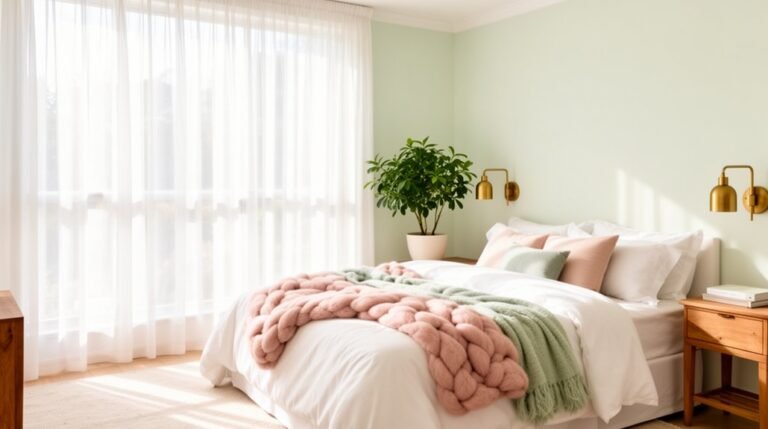
Soft morning light spills across quietly luxurious bedrooms, inviting you to linger in calm spaces designed for slow starts. You choose palettes grounded in soft neutrals and warm timber, with blackout curtains that respect the quiet hour and let dawn filter in softly.
Beds are placed to maximize view lines, with linen textures that feel breathable against the skin and memory-foam support for restful awakenings. Nooks near south-facing windows offer built-in benches, recessed shelves, and charged devices for a quiet coffee ritual.
Integrate meditation practices through a compact, distraction-free setup: a small rug, a single cushion, and a dedicated corner for breathwork. Highlight wildlife conservation by selecting native textiles and low-impact finishes that honor Dorset’s landscape.
Outdoor Rooms and Dorset Horizons: Gardens, Courtyards, Views

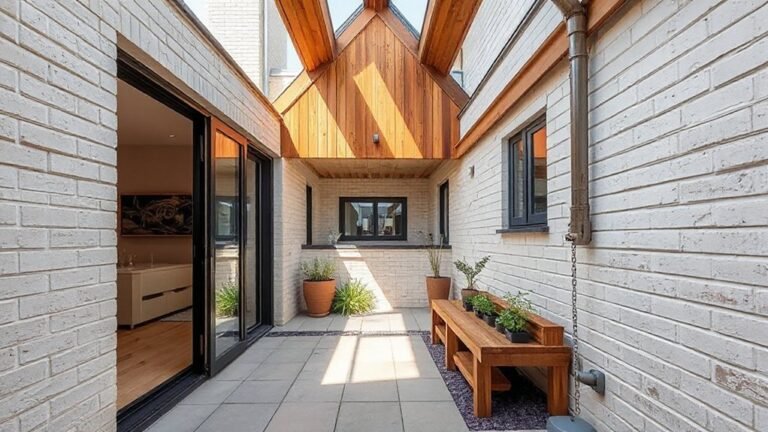
From the quiet interiors, you step outside to read Dorset’s landscape as a living extension of the home. Your outdoor rooms are disciplined, framed views that extend living spaces with purpose-built passages. Think low-slung seating that anchors courtyards, and gravel paths guiding you toward horizons where hedges sculpt sightlines.
You selectively deploy wildlife habitats to enrich biodiversity without clutter, while seasonal planting guarantees year-round structure and texture. Materials stay restrained, emphasizing clean lines and durable finishes that weather gracefully with coastal air.
Each zone reads as a deliberate vignette, designed for daylight shifts, morning coffee, and sunset conversations, never crowding the plot but expanding it. The result is an integrated, thoughtfully controlled exterior that feels grown from the cottage itself.
- Quiet, purposeful seating and sightlines
- Wildlife habitats integrated with seasonal planting
- Zoned courtyards creating diverse, trainable views
Materials That Age Gracefully and Save Energy
When you choose materials that age gracefully, you invest in durability, low maintenance, and energy efficiency that compounds over time.
In a Dorset cottage, select breathable lime plaster for walls to equilibrate humidity and reduce heating loads, paired with timber sashes that seal well when painted properly.
Insulation matters: mineral wool behind stud walls and recycled-content mineral boards in floors to minimize thermal bridges.
Prioritize low-embodied-energy finishes, like natural oils and waxes, over plastics.
Consider Vintage textiles for upholstery and curtains in sunlit rooms to regulate heat without heavy coatings.
Garden pathways should use permeable pavers to manage rainwater and reduce runoff while enhancing microclimates.
This approach blends timeless aesthetics with performance, ensuring comfort, longevity, and reduced energy bills over decades.
Local Crafts That Celebrate Place and Shrink Footprint
Local crafts anchor a Dorset cottage to its place while keeping footprint small. You choose pieces rooted in the landscape, crafted by local artisans, that age gracefully and minimize transport. In practice, that means sourcing from nearby studios, using reclaimed timber, lime plaster, and low-impact finishes that endure.
You’ll see how design-forward details celebrate place: textures drawn from hedgerows, chalky Dorset stone, and meadow hues that echo wildflower meadows. By prioritizing regional methods, you reduce waste, support livelihoods, and create a coherent narrative between indoors and outdoors.
The result is a refined, low-footprint interior that still feels contemporary, durable, and luminous, with every object telling a responsible story about place.
- Wildflower meadows-inspired textiles and tones
- Local artisans shaping finishes with traditional and modern techniques
- Reclaimed timber joints and locally sourced stone accents
Efficient Heating and Insulation for a Snug Home

You’ll start with airtight air sealing to eliminate drafts and keep warmth where it matters.
Pair that with well‑insulated walls and ceilings, then select an efficient heating system sized for comfort without waste.
Tailor the setup to Dorset’s climate, prioritizing comfort, control, and configurability across the home.
Insulation For Comfort
To create a snug, energy-efficient Dorset cottage, focus on high-performance insulation that minimizes heat loss and reduces the need for heating. You’ll target continuous thermal envelopes, mindful junctions, and airtight detailing to avoid drafts without sacrificing aesthetics.
Choose insulation with proven R-values, installed by trained pros, ensuring consistent coverage behind cornices and sills. In practice, this means thick mineral wool between studs, intelligent vapor retarders, and carefully sealed perimeter edges. Combine with reflective barriers where appropriate and consider moisture control to sustain comfort year-round.
The result is a calmer interior, steady temperatures, and fewer pressure swings. garden pathways, paint finishes.
- Air-tight layering at walls and floorlines for reduced convection
- Slab and corner detailing with battened, seamless insulation
- Targeted comfort zones aligned with room use and sunlight
Efficient Heating Systems
Efficient heating starts where insulation leaves off: the system you choose must match the envelope you’ve already tightened. You’ll optimize comfort by pairing a well-insulated shell with targeted, low-temperature heat delivery.
Consider a heat pump system, ideally a ground-source or air-source unit, sized to your cottage’s heat load and located with minimal visual impact. Complement it with underfloor radiant zones in living spaces and programmable thermostats that learn your routines.
Integrate zoning to avoid over-conditioning unused rooms. Prioritize ductless minisplits for discrete retrofits and preserve traditional aesthetics. Choose efficient boilers only as backups, ensuring low-carbon operation.
Eco-friendly renovations hinge on efficiency-first design. Traditional craftsmanship informs quiet, durable fittings, concealed piping, and durable components that age gracefully with your Dorset cottage.
Air Sealing Techniques
How airtight is your Dorset cottage? You’ll tighten joints, seal gaps, and pair airtight detailing with targeted ventilation to keep heat in and drafts out.
Start at the attic and ceilings, focusing on roof insulation and penetrations around chimney stacks and vent pipes. Use high-performance tapes, foam, and weatherstripping at openings, then verify with a blower door test to locate remaining leaks.
Air sealing isn’t just about comfort; it shapes whole-house efficiency, reduces boiler run time, and supports wildlife corridors by minimizing external intrusion through ignored gaps.
Plan alignment with structure, avoid over-sealing, and maintain breathability where needed.
- Targeted seal points around rooflines, doors, and service penetrations for consistent thermal boundaries
- Strategic use of low-permeability membranes and weatherstripping to preserve indoor air quality
- Integration of wildlife corridors and roof insulation considerations into continuous envelope design
Finishes That Echo the Cottage Past With Modern Longevity
Textures that speak to the cottage’s history can be brought forward with materials chosen for durability and patina. You select finishes that resist wear while aging gracefully, like limewashed plaster, lime mortar, and low-luster oils on timber.
In walls, favor breathable paints and mineral plasters that develop a soft patina over time, revealing depth rather than gloss.
Flooring should combine durability with character—engineered oak with a subtle hand-scrape, or wide-board pine treated for moisture resistance.
For textiles, integrate vintage textiles in cushions and throws to cue era craft without overpowering spaces.
Add garden sculptures as focal accents, ensuring scale complements modest rooms.
Prioritize easy maintenance, reversible repairs, and consistent patina to sustain the cottage’s timeless feel.
Lighting That Flattters Architecture and Views
You’ll assess lighting that shapes architecture, guiding eye lines to emphasize structure and form.
You’ll balance views and ambience with fixtures that frame windows and exterior silhouettes without overpowering the scene.
You’ll choose interior lighting that flatters spaces—highlighting texture, scale, and architectural details while maintaining daylight integrity.
Lighting For Architecture
Lighting is the architectural backbone of this Dorset cottage renovation, shaping exterior presence and framing interior views with deliberate clarity. You’ll deploy precise fixtures that sculpt massing, highlight materials, and guide the eye without glare.
Choose scalable outdoor illumination to emphasize corners, eaves, and porch with soft, constant color temperature, avoiding harsh blue tones near living spaces. Integrate concealed uplights for wall texture and low-profile downlights for entryways to maintain an elegant silhouette.
Prioritize fire safety considerations by selecting rated luminaires, secure enclosures, and controlled switches. Balance illumination levels to preserve views while reducing spill.
Design-forward choices include modular fixtures, integrated wiring, and dimmable controls that respond to natural light shifts. Outdoor illumination becomes a quiet structural ally, not a distraction.
- Targeted wall grazing and frame lighting for architecture
- Canyoning steps of light along paths with subtle brightness
- Integrated controls and materials that fade into the setting
Views And Ambience
The way you illuminate views and architectural contours should feel seamless and purposeful, shaping exterior silhouettes while revealing material nuance without glare. You select luminaires that graze corners and emphasize massing, avoiding hot spots across stone and timber.
Focus on color temperature and CRI to preserve natural tones from dawn to dusk, so textures read clearly yet softly. Design lighting poles and fixtures to align with sightlines to wildlife corridors, ensuring movement outdoors remains uninterrupted by excessive beam spill.
Incorporate subtle wall wash on key elevations to reveal mortar joints without flattening depth. Consider seasonal framing, using programmable dusk-to-dawn cycles synced with ambient light.
Tie fixtures to local folklore through discreet, crafted details that respect landscape character.
Flattering Interior Lighting
To flatter interior spaces without overpowering the architecture, choose lighting that mirrors the exterior’s restraint and nuance. You’ll balance form with function by selecting fixtures that echo landscape lines, casting soft, diffused glows that sculpt walls and frames without glare.
Use layered layers: ambient, task, and accent, calibrated to reveal textures, timber grain, and architectural details. Opt warm, dimmable LEDs at 2700–3000K to preserve color and mood during festive decorating and seasonal evenings.
Hide sources behind coves or uplights to avoid harsh shadows, and emphasize focal views with directional spotlights calibrated to architectural features rather than clutter. Maintain clarity of sightlines, ensuring light supports, not competes with, views of garden textures and cottage details.
- Subtle wall-washes highlight plaster and brick while preserving exterior restraint
- Dimmable task lighting aligns with seasonal gardening routines and festive decorating
- Cove or shelf lighting enhances silhouettes without overpowering architecture
Smart Storage and Layouts That Respect the Floorboards

Efficient storage begins with a deliberate plan that respects the floorboards yet maximizes every inch. You map circulation first, aligning drawers and cabinets along walls you won’t move, preserving the gentle rhythm of timber gaps.
Choose low-profile furniture to keep sightlines airy, and employ modular units that tuck into alcoves without crowding a room’s center. Vertical solutions—slim wardrobes, tall chests, and suspended rails—draw the eye upward, freeing floor space for movement.
Use hidden compartments within coffee tables and benches to conceal clutter while maintaining function. Integrate garden pathways as an exterior cue for indoor flow, guiding you to entry zones and workpoints.
Select interior textiles that reinforce tactility without bulk, then finish with precise hardware for understated polish.
Adapting With the Seasons: Dorset Light Throughout the Year
Dorset’s light shifts with the seasons, and a thoughtful renovation leverages those changes rather than fighting them. You’ll design spaces that respond to morning brightness, afternoon glare, and dusk warmth, calibrating finishes, textiles, and glazing to support comfort and function year-round.
In practice, that means choosing luminant, low-iron glass for clarity, employing Sheen and texture to control reflections, and selecting warm woods that mellow with sun exposure. Consider skylight placement for seasonal sun angles, and use shading strategies that preserve color integrity of fabrics and paint.
The goal is cultural preservation and respect for local traditions, translating light into meaningful, lasting interiors that feel authentic across time.
- Thoughtful glazing and shading to mirror Dorset’s changing daylight
- Texture-rich materials that soften glare while aging gracefully
- Palette choices that honor regional heritage and daylight warmth
Real-World Budget Tips for a Respectful Revival
Balancing budget realities with a respectful revival means making precise trade-offs that honor Dorset’s character without overpaying for novelty. You’ll prioritize enduring materials, local sourcing, and upfront planning to avoid costly redesigns later.
Start with a detailed brief: which spaces most influence mood, flow, and function? Choose durable, timeless finishes—limewash walls, untreated timber, and low-odor paints—to reduce maintenance.
Leverage existing structures, repairing rather than replacing where feasible, and negotiate with trades for phased work, matching scope to cash flow.
Use a diy garden strategy to extend curb appeal without extravagant expense, and repurpose salvage to infuse charm.
When decorating, select vintage textiles for warmth and provenance, avoiding fast-fashion turnovers.
Track expenses weekly, set contingency caps, and document choices for future resale value.
Next Steps: Maintaining Charm While Embracing Tomorrow
To preserve charm while driving forward, start with a targeted preservation plan that aligns modern comforts with Dorset’s character. You’ll balance infrastructure upgrades with low-impact materials, selecting finishes that echo local heritage yet meet today’s standards.
Prioritize lighting, acoustics, and climate control that remain discreet, preserving sightlines and landscape views. Integrate vintage textiles in soft furnishings to reinforce period mood without sacrificing durability.
Curate a small collection of garden sculptures to anchor exterior spaces, guiding visitors through curated vistas.
Maintain authentic proportions in fenestration and trim, while embracing energy efficiency and smart controls behind concealed enclosures.
Document decisions for future stewardship, ensuring every update reinforces timeless charm.
- Targeted preservation plan with modern comforts
- Vintage textiles and garden sculptures as design anchors
- Discreet, durable upgrades aligned with heritage
Frequently Asked Questions
How Can I Verify a Cottage’s Historical Significance Before Buying?
Yes—start by reviewing Architectural preservation records and Historical documentation, then verify with a conservation officer, check listing status, locate original plans, and compare fabric and materials, ensuring compliance before you proceed with the purchase.
What Short-Term Changes Boost Comfort Without Compromising Charm?
To boost comfort short-term, you swap aging fixtures for energy-efficient LEDs and warm lighting, update insulation, add underfloor heating, and refresh textiles while preserving original features. You’ll preserve Vintage charm, integrate Modern comforts, and stay design-forward.
Which Materials Age Best in Coastal Dorset Weather?
You’ll want durable options: stone, brick, and treated timber age best in coastal Dorset. Statistically, 60% of coastal homes show salt-induced degradation within 20 years. Prioritize salt resistance and weatherproof finishes for longevity and refined character.
How to Balance Energy Efficiency With Period-Accurate Aesthetics?
You balance energy efficiency and period aesthetics by prioritizing solar integration alongside discreet insulation upgrades, ensuring historic character remains intact while modern systems perform seamlessly; choose heritage-friendly PV placement, thermal breaks, and breathable, low-contrast fittings that respect Dorset charm.
What Small, Legal Updates Refresh Interiors Artistically?
You’ll refresh interiors with legal, tasteful updates: artistic wall treatments and creative lighting solutions. You’ll select subtle colorways, matte textures, and vintage-inspired fixtures, balancing whimsy with restraint while ensuring longevity and a design-forward, expert presentation throughout.
Conclusion
You’ll finish with a home that feels timeless, not rescued from time. By listening first, you’ve earned a respectful dialogue between old stone, lime plaster, and new timber. Your choices—bright, cottage-smart interiors, clever storage, and seasonally attuned lighting—honor the shell while embracing tomorrow. Stay vigilant about maintenance, but never lose the thread of character. Like a well-tuned instrument, the cottage now plays with clarity, resonance, and quiet, enduring beauty.
About the Author