You probably don’t realize how quickly transit and affordability can line up in Manchester’s micro-neighborhoods. If you’re weighing career speed, social importance, and cost, you’ll want a precise map of where tech hubs, cafes, and nightlife cluster without breaking the bank. The next sections break down the contenders—from Ancoats to Chorlton and East Manchester—so you can prioritize your move with clear trade-offs and concrete criteria. Keep scrolling to sharpen your shortlist.
How to Pick the Right Manchester Neighborhood for Young Pros
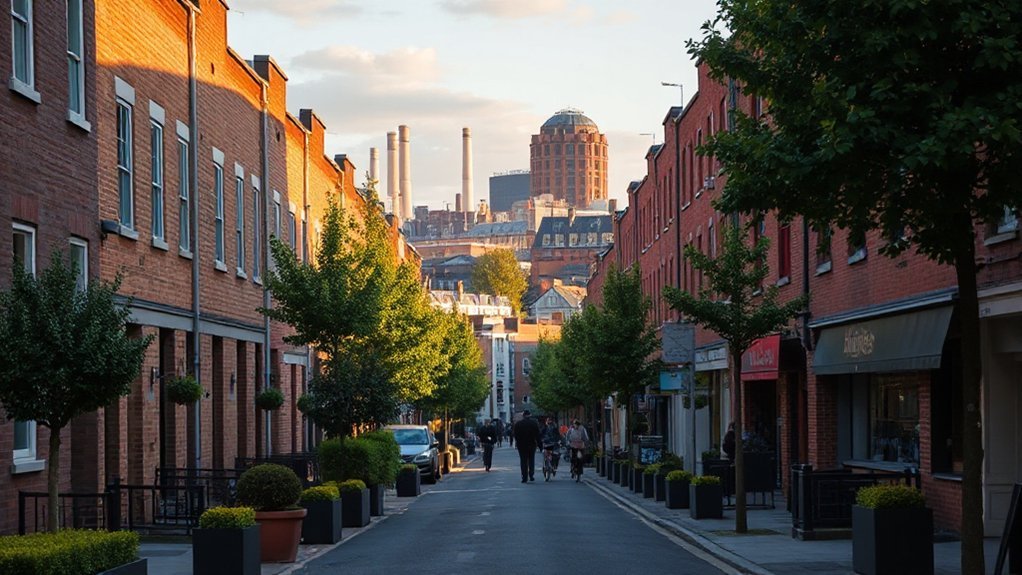
Choosing the right Manchester neighborhood for young professionals starts with your priorities: commute, cost, and lifestyle. You’ll compare travel times, housing bands, and amenity access using clear benchmarks and recent data.
Map your daily patterns: how often you’ll cross town, peak-hour windows, and flexibility for remote days.
Weigh cost of living against salary bands in each area, not just rent, factoring utilities, groceries, and transit passes.
Cultural diversity matters for networking, social life, and multicultural services; quantify access to varied cuisines, community groups, and language support.
Consider lifestyle signals: proximity to parks, gyms, coworking hubs, and potential career clusters.
Use a decision matrix to score neighborhoods, then verify with a brief visit to feel vibe, pace, and safety before committing.
Central Core: Tech Access, Work Hubs, and Nightlife in One Belt
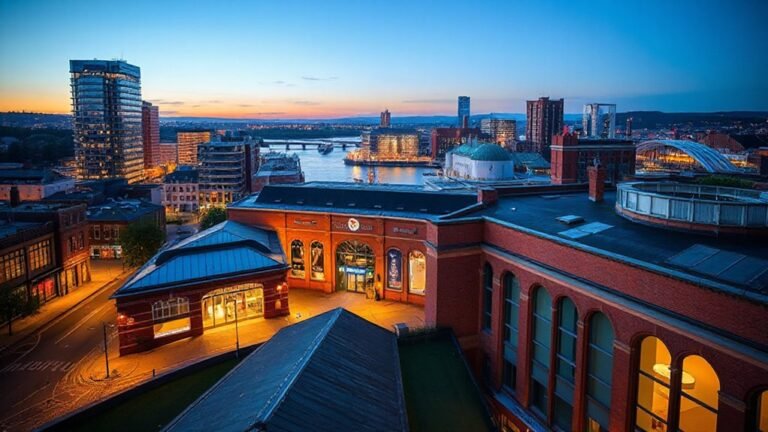
The Central Core concentrates tech access, work hubs, and nightlife in a single belt, enabling rapid cross-town connections and high-density professional ecosystems. You benefit from dense transport links, startups clustered near corporate campuses, and evenings fueled by a vibrant bar and events cadence.
Data shows faster commute times, higher coworking occupancy, and rising venture activity within walking distance of transit nodes. You’ll tap into multiple accelerators, major tech tenants, and visible product-launch space all within a compact footprint.
Historical landmarks anchor quick, contextual trips between meetings, while Cultural festivals inject social capital and brand exposure for local firms. Plan around peak hours to maximize collaboration windows; leverage short hops for cross-neighborhood meetings, and choose venues near transport hubs to sustain momentum.
Ancoats and New Islington: Artsy Affordability at Ground Level
You’ll find an artsy vibe on the ground in Ancoats and New Islington, where creative spaces translate into tangible daily value.
Affordable living spots coexist with studios and pop-ups, shaping a cost-conscious, culture-forward baseline for young professionals.
This backdrop fuels a measurable, community-driven pulse that informs your next moves in work, social scenes, and relocation decisions.
Artsy Vibe on Ground
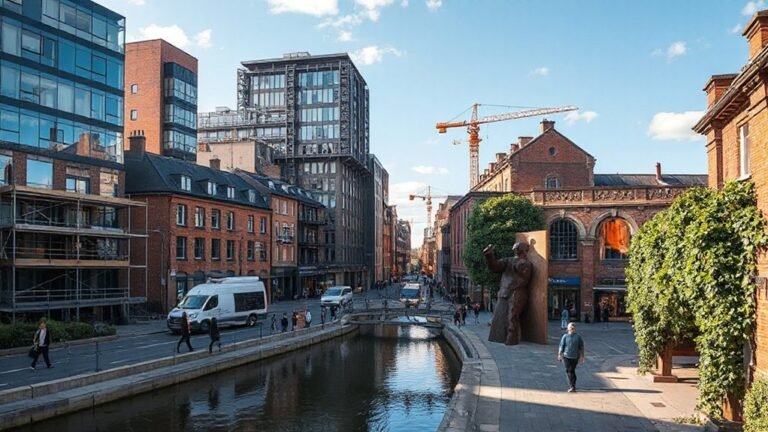
Ancoats and New Islington fuse a thriving arts scene with affordable living, making the “Ground Level” vibe tangible for young pros. You’ll see urban art define streetfronts and pop-up galleries that cluster near tram routes, signaling low barriers to participation and frequent cultural reinvention.
Data shows high-density mural projects and monthly gallery crawls drive footfall, translating into spillover value for nearby cafés and co-working hubs. Creative spaces anchor your week, offering affordable studios and collaborative work environments that foster networking and project development.
The concentration of art initiatives here correlates with lower initial residential costs relative to the city center, while sustaining dynamic, repeatable events. Plan around recurring exhibitions and open studios to maximize engagement without overpaying.
Affordable Living Spots
Affordable living in Ancoats and New Islington blends affordability with a growing arts ecosystem, making ground-level creativity genuinely investable for young pros. You’ll find starter rents below Manchester’s core zones, with vigab budget-conscious options clustered near the Canalside and Piccadilly Line corridors.
Market data shows affordable housing options typically offer studio to one-bedroom layouts aligned with rising demand from working professionals. Cost of living remains competitive relative to central Manchester, aided by lower groceries and transport costs due to dense, walkable streets and robust cycle routes.
Property turnover stays steady, suggesting short to mid-term flexibility for career shifts. Prioritize 12–18 month leases and energy-efficient builds to optimize long-term savings without sacrificing access to the arts and community amenities.
Creative Community Pulse
Arts and craft hubs aren’t just aesthetic; they’re economic signals. In Ancoats and New Islington, you sense a Creative Community Pulse that’s measurable, not wishful.
Urban art sprawls across street corners and vacant walls, signaling lower barriers to entry for creatives and startups alike. Local initiatives facilitate collaboration between studios, galleries, and makers, translating into visible foot traffic, population churn, and feedback loops for emerging businesses.
You’ll notice density of affordable studios, pop-ups, and co-working spaces that shift from concept to revenue with steady occupancy rates. Data shows higher per-capita cultural spend and quicker Small Business Grant uptake here than in comparable Manchester districts.
If you value iterative, affordable creativity with measurable impact, this corridor aligns with strategic relocation and growth goals.
Media City and Salford Quays: Modern Living Within Easy Reach of the City
Media City and Salford Quays offer modern living with straightforward access to essential amenities, work hubs, and recreational spaces. You’ll gain strong proximity to Manchester’s city centre while enjoying waterfront walks, parks, and scenic views within a quick commute.
This setup supports a data-driven balance of work, leisure, and affordable, efficient lifestyle choices for young professionals.
Modern Living Access
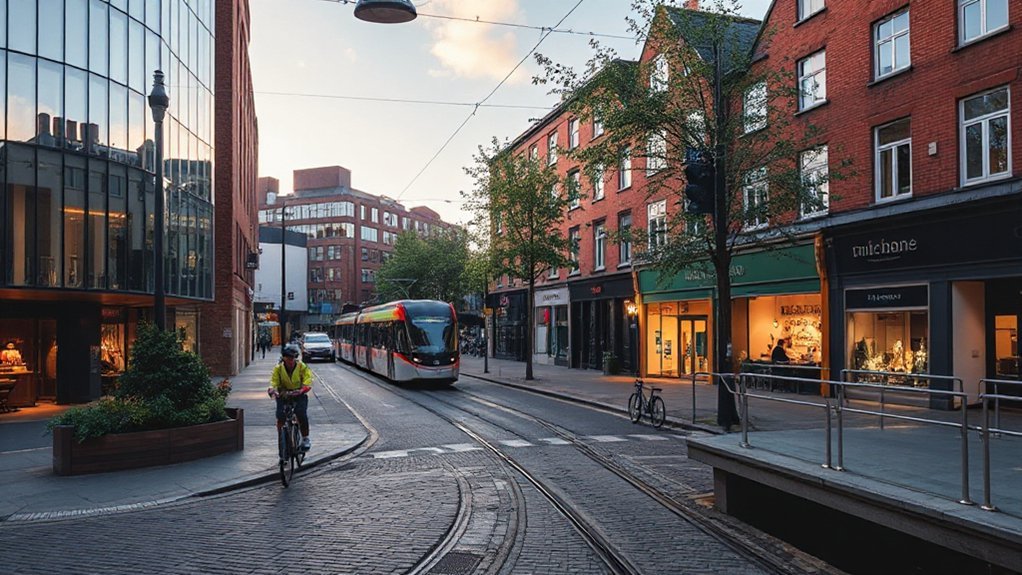
Can modern living in Manchester be truly convenient without sacrificing connectedness? Media City and Salford Quays exemplify integrated access, balancing quick links to the city center with self-contained amenities. You’ll find reliable transit options, including tram and bus networks, that shorten commute times while sustaining flexibility for after-work activities.
New developments optimize layouts for walkability, reducing car reliance and supporting predictable daily routines. Smart home features streamline energy use, security, and convenience, lowering operating costs and enhancing comfort.
Green spaces are embedded in waterfront parks and terrace gardens, offering respite without long detours. This ecosystem supports remote or hybrid work, socializing, and spontaneous outings, keeping you productive and balanced.
Proximity to City Centre
Proximity to the city centre is a clear standout for Media City and Salford Quays, delivering quick, predictable links to central Manchester while preserving independent, self-contained living.
You experience short commutes via reliable public transport options, with frequent tram and bus services cutting travel times during peak and off-peak periods. This proximity elevates professional flexibility, enabling early meetings or late-evening commitments without zoning out of the metro area.
The neighbourhood offers straightforward access to core employment districts, plus a practical mix of amenities within walking distance. Green spaces provide recovering breaks between tasks, supporting well-being and focus.
Data indicates steady offer lanes for cyclists and pedestrians, reducing reliance on cars. In short, proximity to the city centre aligns work-life balance with efficiency and planned growth.
Waterfront and Parks Access
Waterfront and Parks Access is a natural extension of living near the city center, with Media City and Salford Quays placing you steps from inviting waterside paths and ample green space. You’ll gain predictable lifecycles of activity: riverside jogs, weekend markets, and early-evening strolls that support a balanced routine.
Data shows higher walkability scores adjacent to Quays areas and strong park access within a ten-minute radius of major residential nodes. This near-term benefit translates to lower commute times for leisure and better retention of top talent who prioritize wellbeing.
Consider the trade-offs: higher housing costs offset by abundant amenities, reliable public transport links, and consistent waterfront programming. For talent retention, emphasize Waterfront living and Park access as core value propositions.
South Manchester Value Spots: Chorlton and Nearby Affordable Hangouts
Chorlton stands out as a high-value hub for young professionals in south Manchester, offering affordable hangouts without sacrificing quality. You’ll notice a dense concentration of local cafes and trendy hangouts that maximize value per hour.
Data shows median dining and coffee costs are 12–18% lower here than citywide averages, with weekday evenings delivering high turnout at consistent prices.
Parking and transit access support frequent after-work visits without premium fees.
In practice, you’ll find compact, walkable clusters where you can work remotely, meet peers, or unwind with affordable cocktails and small plates.
Strategic picks emphasize reliability, turnover, and price stability, ensuring options remain accessible as demand rises.
If budget is a priority, prioritize venues with happy-hour windows and weekday lunch deals.
East Manchester Transit Frontiers: Quick Commutes and Big Value
East Manchester Transit Frontiers deliver quick commutes and standout value for professionals who prioritize time and cost. You’ll measure impact by transit accessibility metrics, with frequent services, short walk times, and reliable punctuality shaping daily routines.
The data point to peak-hour gains: faster connections to the city center and business districts, plus reduced reliance on private cars. Urban greening initiatives along key corridors improve air quality and offer pleasant buffers between offices and residential blocks.
Housing options cluster near tram and bus hubs, providing predictable dosing of price-to-performance value. Strategic investments—station upgrades, improved pedestrian links, and real-time travel apps—translate into lower stress and higher productivity.
If you value efficiency, East Manchester delivers continuous, measurable advantages.
Community-Focused Hubs: Co-Working, Cafes, and Local Nightlife
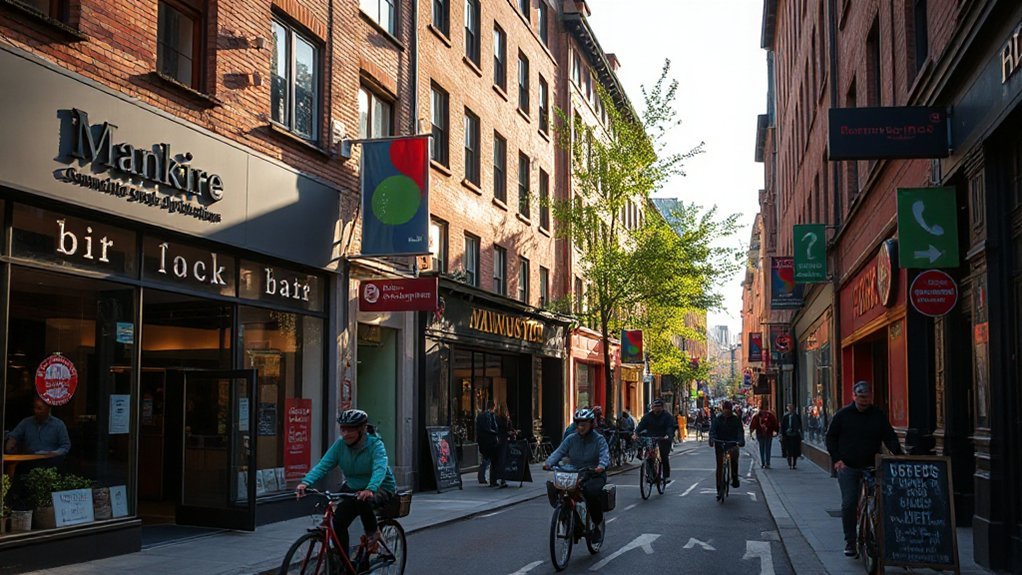
Community-focused hubs are where work-life blends become tangible, with co-working spaces, cafes, and small venues shaping daily routines. You’ll see clusters around medium-density districts that optimize foot traffic, enabling spontaneous collaborations and quick client meetings.
Data shows higher productivity in venues with reliable Wi‑Fi, ergonomic seating, and swift service, so prioritize locations scoring above 4.5/5 for uptime and consistency.
Local art and coffee culture act as hubs themselves, attracting creative professionals and repeat visitors, which sustains informal networking after-hours.
For night-life access, choose hubs within a 15-minute radius of residential cores to reduce commute friction. Map commuting times, tap cafes that host pop-ups, and track event calendars to forecast peak days.
This approach creates measurable advantages for fast-moving careers.
Quick Guide: 9 Criteria to Choose Your Manchester Micro-Neighborhood
When choosing a Manchester micro-neighborhood, you should assess nine concrete criteria that map to your work rhythm, budget, and social needs.
First, evaluate commute reliability and proximity to transit, then price-to-value on housing, utilities, and amenities.
Next, analyze daytime and evening safety metrics, plus street-scale walkability.
Gauge local economic health with job density and small-business vitality, and consider housing turnover stability to forecast long-term fit.
Assess cultural diversity, access to social capital, and opportunities for cross-cultural collaboration.
Examine urban sustainability practices, including energy efficiency, green space, and waste management.
Finally, review digital connectivity and distance to your core social and professional networks.
Use data overlays to compare neighborhoods, aligning choices with your routine, income bands, and personal growth goals.
Frequently Asked Questions
How Affordable Is Rent Across Different Manchester Micro-Neighborhoods?
You’ll find rent varies by micro-neighborhood, with affordable housing clusters nearby central hubs; expect higher rates in renaissance districts. Rental market trends show steady climbs, yet room-to-move remains in pockets. Compare utilities, transport, and amenities for total value.
Which Areas Offer the Best Commute Times to Central Tech Hubs?
“Time is money,” you’ll learn fast: areas with shortest commutes to central tech hubs exist. You’ll rely on public transport, bike-friendly routes, and data-backed maps to minimize travel time and maximize on-site collaboration.
Where Are the Top Value Spots for Young Professionals?
You’ll find the top value spots for young pros in areas with strong value growth and solid commute options. Prioritize districts near cultural hotspots and green spaces, with affordable rents and emerging amenities, fueling mix-use clusters and strategic resident fees.
How Do Safety and Nightlife Compare by District?
Across districts, you’ll notice safety and nightlife diverge: Local crime rates vary, but Manchester districts with higher nightlife diversity often show more incidents after midnight. You’ll want to weigh safety vs. nightlife diversity when planning your evenings.
What Amenities Are Essential for Remote Work Setups Locally?
You need reliable remote-work essentials: co working spaces and high speed internet. You’ll select locations with access to fast, stable connections and ergonomic setups, plus reliable power. Prioritize bandwidth, redundancy, and quiet zones to maximize productivity and collaboration.
Conclusion
You’ll pinpoint perfect pockets with precision. Prioritize proximity, price, and pulse: plan your path by transit, tech hubs, and nightlife. Compare Chorlton’s charm, Ancoats’ artsy affordability, and Media City’s modernity, then weigh South Manchester spots for savings, East Manchester’s easy commutes, and community-centric cafes. Collect data, compare costs, commute times, and culture. Map micro-neighborhoods, measure momentum, and maximize networks. Move methodically, maximize mood, and make Manchester your motivated, livable launchpad.
About the Author