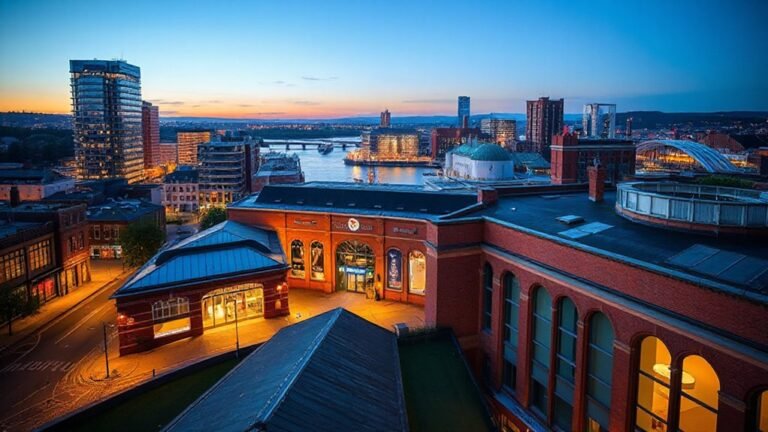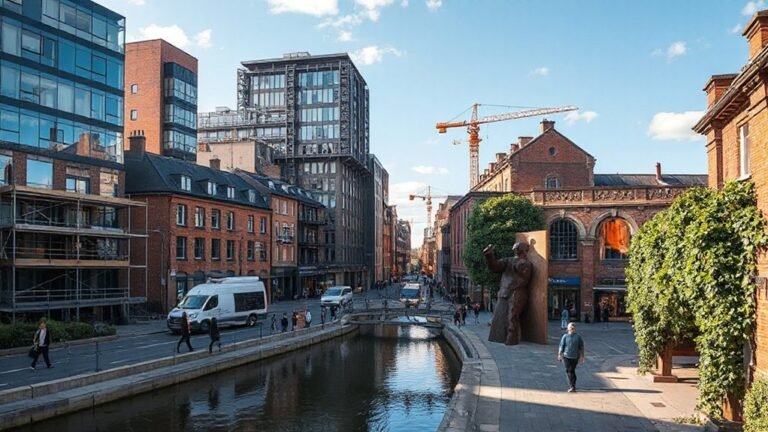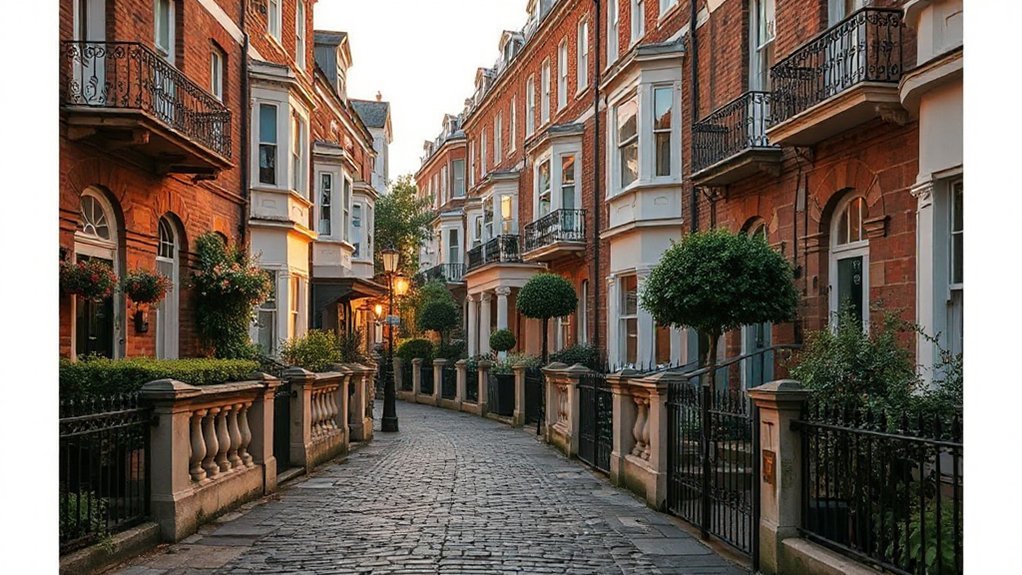
You may not notice it at first, but a careful restoration informs the streets’ integrity as you step onto a Bristol terrace. By prioritizing authentic detailing, period-true colors, and durable materials, you’ll gradually align new work with the Victorian fabric. Subtle lighting and deeper landscape planning reinforce the character without erasing modern necessities. If you want to keep the rhythms and legibility of the era intact, you’ll want to reflect on how each update echoes the past as you proceed.
Define Curb Appeal for Bristol’s Victorian Streets
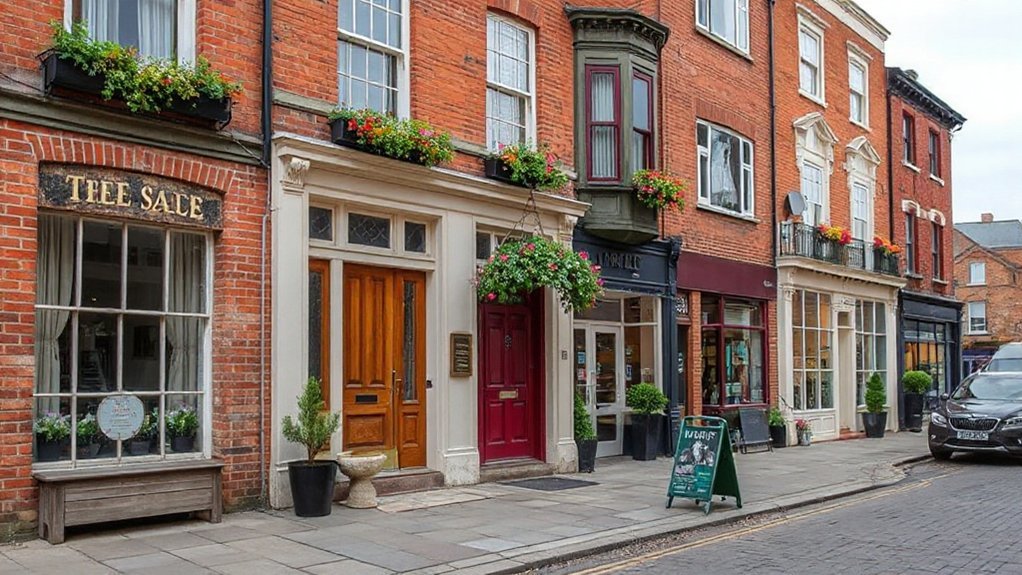
Curb appeal for Bristol’s Victorian streets refers to the immediate visual and experiential impression a property conveys from the public domain, encompassing façades, street frontage, and the surrounding kerb line. You assess how architectural details, materials, and setbacks communicate period accuracy and urban rhythm.
This definition roots itself in historical preservation principles, prioritizing authenticity while recognizing evolving streetscape needs. You consider pedestrian-scale perception, site lines, and the cumulative effect of adjacent properties, gates, railings, and planting.
Curb appeal strategies emerge from careful documentation of period cues, including sash windows, brick bond, and decorative cornices, aligned with modern accessibility and safety standards. By defining expectations, you enable precise interventions, ensuring projects respect historical specificity while enhancing legibility, cohesion, and long-term durability.
Pick Period-True Colors for Bristol Terraces
Choosing period-true colors for Bristol terraces starts from the curb-line and facade rhythm established in the previous assessment of curb appeal. You then align pigment choices with historic paint palettes documented for Victorian Bristol and with the architectural taxonomy of each terrace group.
Consider base hues that respect brick or stucco textures, maintaining contrast that preserves decorative friezes, string courses, and cornice lines without overpowering original ornament.
Apply Victorian color schemes that emphasize proportion—often restrained, with darker trench tones on facade planes and lighter accents on openings, mouldings, and sills.
Test palettes on small, inconspicuous panels before broad application to observe aging and weathering.
Document color provenance, provenance windows, and any listed-sensitivity restrictions to guarantee authenticity and long-term visual integrity.
Refresh Doors, Porches, and Rails With Character
In Bristol’s Victorian streets, you’ll assess doors, porches, and rails for durability, material history, and tactility. Prioritize features that withstand weather and foot traffic.
Consider how color, joinery, and rail profiles reflect local craft and era-specific details. Then plan refreshes that preserve authenticity while improving usability.
This approach keeps the character of the frontage intact, guiding upkeep decisions that blend function with period-appropriate charm.
Refresh Doors With Character
Doors with character anchor a Victorian frontage; refresh them to preserve historic detailing while signaling upkeep. You approach the doors as architectural notes, not cosmetic vents.
Assess original hardware placement, preserving key samples of acetylated iron or brass where present, then repair instead of replace. Document joints, verify glazing bars align with sash profiles, and treat timber with historically appropriate finishes that resist UV and moisture without obscuring grain.
For doors of timber, restore rebates and weatherstripping to maintain authenticity while improving draft control. Consider subtle modernization through door hardware choices that reflect period design—mortise handles, rim locks, and knuckle hinges—while avoiding overtly modern hardware that disrupts the cadence of the facade.
Keep porch decor coordinated, but let the door remain the primary character.
Porches and Rails Upkeep
Porches, rails, and associated joinery demand careful assessment and targeted restoration to preserve Victorian character while ensuring safety and durability. You approach porch restoration by documenting original timber profiles, joinery methods, and detailing, then matching historic materials with modern performance.
Inspect for rot, knot integrity, and insect activity, prioritizing minimally invasive repairs that respect façade proportion and decorative intent. When repainting, choose a historically informed palette and stable primers to deter weathering without obscuring carving or turned details.
For rails, examine baluster alignment, post footing, and handrail continuity; address structural wobble with discreet steel reinforcement if needed, preserving surface aesthetics. Execute rail repainting with breathable coatings that resist UV and moisture, preserving patina and legibility of provenance markers.
Maintain continuous maintenance cycles to prevent accelerated deterioration.
Add Window Details and Shutters That Fit the Era
You can immediately elevate kerb appeal by adding window details and shutters that reflect the Victorian era, guaranteeing scale, materials, and profiles match the period. You inspect sash profiles, muntin grids, and glazing patterns to maintain authenticity on Bristol streets.
Choose timber frames with mortise-and-tenon joints or steel-reinforced assemblies where appropriate, and avoid modern PVC that robes the texture of brick.
Match window openings to existing reveals, preserving lintel heights and sill setbacks for rhythm across façades. Consider vintage window frames to reproduce authentic proportions, and select shutter styles that align with decades of the era—louvered for industrial districts, raised-panel for Victorian villas.
Guarantee paint schemes echo period palettes, reinforcing form and craftsmanship while reducing visual discord from nearby modern insertions.
Subtle Exterior Lighting to Highlight Architectural Quirks
You can tune subtle illumination angles to skim light along period brickwork and carved cornices, revealing their texture without glare. By targeting architectural features—cornices, arches, and tasteful facade recesses—you’ll guide the eye to the building’s Victorian quirks while maintaining historical authenticity.
Plan pathway accent lighting that reinforces sightlines from curb to entry, balancing safety with a restrained, site-specific glow.
Subtle Illumination Angles
Subtle illumination angles should be planned to reveal architectural quirks without washing out the building’s texture. You map light sources to emphasize brick patterns, cornices, and sash windows while preserving universal texture—brick, mortar, and stone grain—so nocturnal readings align with daytime proportions.
Use low-angle grazing on façade recesses to sculpt relief without glare; balance with top-mounted or side-fill to avoid flatness. Avoid canted beams that both cast harsh shadows and disturb desktop historicity.
Calibrate color temperature around 2700–3000K to mirror warm brickwork without yellowing mortar. Integrate garden lighting and discreet fence enhancements to guide pedestrian focus along architectural lines, not distractions.
Guarantee fixtures complement Bristol’s Victorian vernacular, are shielded to prevent light trespass, and are repair-friendly for seasonal maintenance.
Architectural Feature Highlighting
Architectural feature highlighting should deploy subtle exterior lighting that reads brickwork and ornament without overpowering them. You’ll focus on discrete fixtures that skim texture, casting low-angle glints to reveal lintels, corbels, and voussoirs typical of Bristol’s Victorian façades.
Use warm, CRI-90 lamps, concealed in eaves or beneath window reveals, to avoid glare while preserving night-time legibility of craft. Align illumination to emphasize facade symmetry, ensuring lighting planes mirror architectural axes rather than random hotspots.
Pair uplights with carefully shielded accent sources to delineate cornices and parapets without washing details. Plan roofline enhancements with linear runners that follow ridge and string courses, reinforcing historic silhouette at the street edge.
This approach respects material honesty, daylight rhythm, and the period’s ornament without erasing contemporary resilience.
Pathway Accent Lighting
Pathway accent lighting should guide visitors along the walk while revealing the building’s material texture and historical detailing. In Bristol’s Victorian streets, you deploy low-profile luminaires that emphasize masonry joints, brickwork patterns, and sash-window ledges without glare.
Choose warm, CRI-80+ LEDs to preserve patina and avoid washed-out stone tones. Position fixtures to sculpt verticals and recalls of cornices, corniced balustrades, and ironwork, using raking light to expose surface inscriptions and decorative carvings.
Align luminaires with garden pathways to create a continuous visual rhythm, reducing trip hazards while enhancing curb presence after dusk. Integrate landscape lighting into existing drainage and soil profiles so soil compaction remains minimal.
This approach supports safe circulation, authentic street character, and timeless kerb-appeal to passersby.
Plan a Low-Maintenance Garden and Durable Hardscape
Creating a low-maintenance garden and durable hardscape in Bristol’s Victorian streets starts with a site-specific assessment: evaluate soil conditions, sun exposure, drainage, and the prevailing microclimates created by nearby brick façades and stone kerbs.
You’ll select materials that resist freeze–thaw cycles and foot traffic, favoring permeable pavers and restrained mortar joints to minimize maintenance.
For planting, prioritize Native plant selection adapted to the Bristol climate, reducing irrigation and feeding needs while reflecting historic flora.
Implement mulch and groundcover to conserve moisture, suppress weeds, and stabilize soils along borders and under shade.
Use layered textures—granite, brick, and gravel—to echo period streets.
Document planting zones by sun, water, and footfall patterns, ensuring future accessibility for repairs.
Seasonal Upkeep to Keep Victorian Charm Year-Round
Seasonal upkeep keeps Bristol’s Victorian charm intact through the year by aligning routine maintenance with the district’s microclimates and historic materials. You tailor tasks to weather patterns, material aging, and pedestrian wear, ensuring facades, ironwork, and paving resist decay.
In late winter, inspect guttering and masonry joints, sealing cracks to prevent damp diffusion into lime-based renders.
Spring visits prioritize soil structure, drainage, and curb aesthetics, guiding planting choices that complement original curb stones without overloading terraces.
Summer demands shade assessment, paint durability tests, and rust prevention on decorative metalwork, using breathable coatings compatible with lime mortars.
Autumn rounds up leaf management, moisture testing, and seasonal cleaning of drainage channels.
Throughout, you apply landscape architecture principles to preserve legibility, rhythm, and transitional porosity characteristic of Bristol’s streets.
Frequently Asked Questions
How Can I Source Authentic Bristol Victorian House Numbers?
You source authentic Bristol Victorian house numbers by contacting local archives and foundries, focusing on Victorian design and Historic authenticity; verify materials, seek brass or cast-iron options, and consult conservation officers to guarantee site-specific accuracy.
Are Modern Paints Acceptable on Period-Wood Trims?
Modern paints are generally acceptable on period wood trims if you’re using breathable, mineral or lime-based products that match historical finishes; avoid plastic sheen. Assess moisture, preserve detail, and document color lot history for authentic, site-specific restoration.
Where to Find Era-Appropriate Door Hardware Locally?
Craftsmen stores downtown stock era-appropriate door hardware; you’ll find solid brass knobs and backplates. You’ll need vintage lighting options and garden ornaments nearby to match the period, so check specialist dealers, salvage yards, and restoration shops within Bristol.
Which Roofline Details Matter Most for Curb Appeal?
You should prioritize gable enhancements and decorative verge details, as these roofline features directly impact curb appeal; implement historically-informed, site-specific measures to reflect Victorian aesthetics, ensuring detailing aligns with era proportions and brickwork, gutters, and chimney lines.
How Do I Verify Planning Permission for Exterior Changes?
Ever wonder how to verify planning permission for exterior changes? You check with the local planning authority, ensuring historical restoration compliance and building regulations, plus approved drawings, permits, and timelines before site work begins on your Victorian frontage.
Conclusion
In Bristol’s Victorian streets, curb appeal hinges on authentic details, not novelty gadgets. If you test the theory that “historic cohesion sells homes,” the data from well-maintained terraces supports it: period colors, true doors and rails, and subtle lighting draw appreciation and curb-appeal value. You’ll preserve character, reduce future repairs, and boost safety with durable materials and native plantings. So invest in careful upkeep and era-accurate finishes; the streets and your ROI will thank you.
About the Author