
Did you know that up to 30% of UK renovation costs can be wasted on scope creep and slow tipping points? You can tighten this by up-front planning, accurate market quotes, and phased timelines. You’ll want compliant, affordable materials in bulk, standardized components, and savvy trades negotiations to protect quality while cutting waste. There are grants, DIY options, and clear milestones that keep decisions timely. Consider what to tackle first and what to defer—the impact could surprise you.
How Much Will a 2026 UK Renovation Cost?
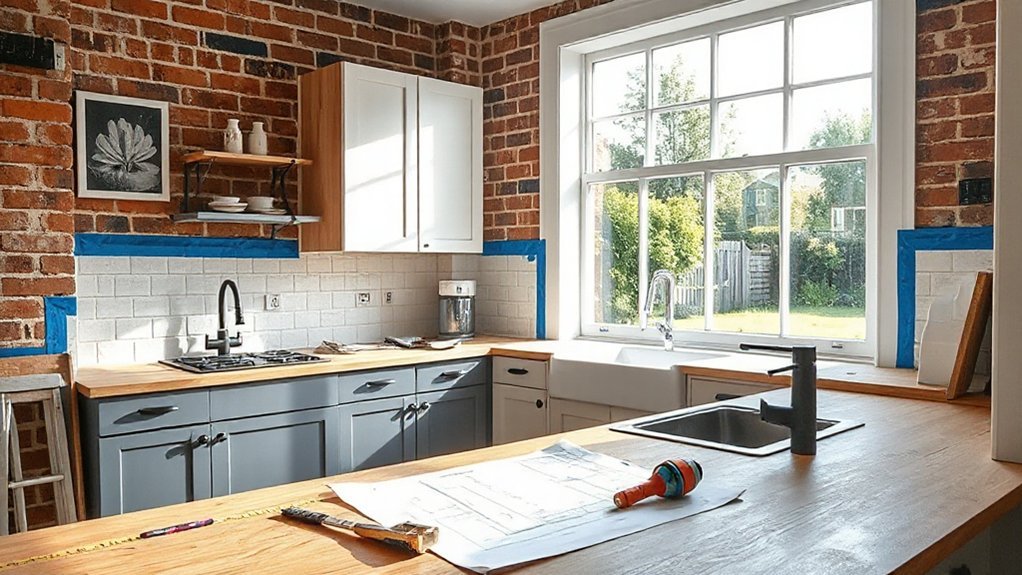
Renovation costs in 2026 depend on scope, location, and choice of materials, but you can expect broad ranges rather than exact figures. You’ll see total budgets influenced by project type (extension, refurbishment, or both), regional labour rates, and material choices.
Historical trends show gradual cost acceleration but occasional price drops when competition rises or supply chains stabilize. Material innovations, from energy-efficient windows to low-emission coatings, can alter mid-range totals by reducing long-term operating costs and maintenance, sometimes offsetting higher upfront prices.
You’ll want to map your priorities against current prices for trades, demolition, and installation, then apply a conservative contingency. Focus on scalable options that preserve value, like modular fittings and standard sizes, to keep the 2026 figure realistic and controllable.
Create a Practical Renovation Budget Before You Start
To set a practical renovation budget, start by grounding your plan in real numbers from the latest market: gather quotes for trades, permits, and core materials, then build a line-item forecast for each project phase.
You’ll define a baseline total and a contingency buffer to cover unforeseen costs. Map out a phased timeline with milestone costs to track cash flow and avoid surprise funding gaps.
Material sourcing should focus on cost opacity and lead times, while contractor selection hinges on transparent bids, experience, and written scopes of work.
Build in allowances for essential but variable items (fixtures, finishes). Regularly compare actuals to the forecast, adjusting promptly to stay aligned with your goals and avoid scope creep.
This disciplined approach keeps your renovation financially controllable and measurable.
Where to Source Affordable, Compliant UK Materials
Finding affordable, compliant UK materials starts with targeted sourcing: compare trade discounts, bulk-buy options, and local supplier catalogs to identify cost-effective options that meet building regs.
You should map regional suppliers and check online marketplaces for closeout deals that still adhere to standards. Prioritize materials with documented compliance standards and third-party verifications to reduce risk.
Create a simple scoring rubric: price, lead time, warranty, and verified compliance.
Leverage bulk-buy when your project volumes justify it, but avoid overstocking. Track unit costs over time and renegotiate with frequent suppliers to lock in better terms.
Cross-check product datasheets with Building Regulations guidance to ensure material sourcing aligns with safety and performance requirements.
Favor transparent suppliers offering clear return policies and after-sales support.
Grants and Incentives: What UK Homeowners Can Claim
Are grants and incentives worth chasing for your UK home renovation, and where should you start? You’ll gain clarity by prioritizing up-front eligibility checks and timelines.
Start with the UK Government and devolved administrations’ schemes, then cross-check eligibility for energy efficiency, health and safety, and retrofit programs. Expect grants to cover targeted costs rather than full project funding, so plan around subsidized components like insulation, heat pumps, or smart controls.
Local authorities and housing associations may offer grants for low-income households or refurbishments in designated areas. When budgeting, itemize potential support and apply early, since many funds have caps and seasonal windows.
For home automation and interior design, look for incentives tied to energy management or accessibility to maximize value and compliance efficiency.
7 Cost-Saving Construction Hacks That Actually Work

Even small changes in planning and on-site practices can slash your build costs without sacrificing quality. You’ll save by standardizing components, sourcing bulk-lead items, and reusing formwork where practical.
Prioritize sustainable materials that meet performance targets at lower life-cycle costs, such as recycled aggregates, responsibly sourced timber, and low-embodied-energy products.
When you plan, wire up a modular layout that reduces waste and speeds installation—fewer trades on site means fewer delays and lower labour hours.
Embrace DIY techniques for non-structural tasks like tiling, painting, and basic carpentry, where safety permits, to cut trades’ time and rates.
Compare supplier quotes with full material lists, track delivery windows, and stage work to prevent stockpiled surplus. This approach keeps quality intact while slashing overall construction expenses.
Timeline Management: Finishing on Time and Cutting Waste
To finish on time and cut waste, you’ll align schedules across trades, set realistic milestones, and track progress against your plan.
Use clear milestones, concrete deadlines, and regular check-ins to keep everyone accountable and avoid costly overruns.
Waste reduction comes from precise material planning, just-in-time deliveries, and ongoing waste audits that highlight opportunities to save.
Schedule Alignment Tactics
Effective schedule alignment keeps renovations on track and costs predictable by forecasting critical milestones and aligning trade workflows. You’ll map sequences, identify dependencies, and lock target dates for each phase, so crews know when to mobilize and what to deliver.
Use a master calendar and daily huddle notes to surface slippage before it compounds. Prioritize time management by sizing tasks realistically, buffering only where risk is high, and tracking progress with simple metrics.
Coordinate resource needs across trades to prevent idle days and material hold-ups, aligning deliveries with install windows to minimize handling. Establish contingency protocols for weather, site access, or supplier delays, and document changes promptly.
Your focus: predictable throughput, minimized downtime, and a lean path to finish on schedule.
Waste Reduction Methods
Waste reduction starts with tight timeline discipline and deliberate waste-aware choices at every stage. You’ll save money by planning deliveries to minimize storage and damage, and by sizing orders to match actual needs.
Use modular fittings and standard stock sizes to cut cutoffs and avoid rework, then repurpose surplus materials where feasible. Track waste daily, assigning responsibility to crew leads for immediate correction.
Implement recycling techniques on-site to divert concrete rubble, metals, and timber from landfill, and design assemblies that maximize reuse potential in future projects.
Establish a clear waste disposal protocol with licensed contractors, documenting disposal receipts to verify compliance and cost allocation.
For procurement, insist on minimum packaging and opt for reusable wrap. These practices cut disposal fees and reduce overall project duration.
Milestone Tracking Techniques
Milestone tracking keeps Renovation projects on schedule and under budget by turning a complex timeline into clear, actionable steps. You’ll map phases to specific deliverables, assign owners, and set deadlines that align with cash flow.
Use progress tracking to monitor daily updates, flag delays early, and reallocate resources before costs spike. Milestone planning should incorporate buffers for critical trades and site access constraints, reducing waste from idle equipment and material misorders.
Implement visual dashboards that show completed tasks versus plan, plus remaining lead times for suppliers. Emphasize low-variance metrics: on-time completion rate, batch changeover duration, and cost variance by milestone.
Regular, brief reviews with contractors keep decisions timely and focused, helping you finish on schedule while trimming unnecessary spend.
How to Negotiate With Trades to Protect Quality on a Budget
You can protect quality on a budget by pairing a clear Trade-Price Guard with strict, budget-driven work standards that set measurable expectations.
Start by defining acceptable materials and finish levels up front, so trades quote and work to a verifiable baseline.
Use regular check-ins and objective quality gates to balance cost control with durable results.
Trade-Price Quality Guard
When you negotiate with trades, you protect quality on a budget by setting clear standards upfront and tying payments to measurable outcomes. A trade-price approach frames bids around value, not just bottom-line cost.
Define a quality guard: objective specs, material grades, and finish criteria, with milestones tied to payments. Use data to compare offers—price per square metre, lifecycle cost, and warranty terms—so you aren’t swayed by slick promises.
Require defect-forced rework windows and documented quality control checks at each stage. Build in contingency for unseen issues, but limit it to a predefined percentage of the contract value.
Communicate trade expectations in writing and reference the quality guard in change orders. This clarity helps you preserve workmanship while keeping the project affordable.
trade price aligns with durable results.
Budget-Driven Work Standards
Budget-Driven Work Standards: set up a clear framework for how work gets done within your budget by tying quality to measurable outputs, not just hours billed. You’ll define, then track, three core metrics: material durability, finish precision, and schedule adherence.
Require trades to present objective targets for every phase, with acceptance criteria before work starts. Use pre-agreed tolerances to avoid scope creep and disputes.
Emphasize design efficiency by favoring standardized components and modular layouts that reduce waste and rework. When trade proportionality clashes with budget, renegotiate only on objective, data-backed impacts, not impression.
Document every decision, and loop in a third-party quality checker for unbiased verification. This approach protects quality on a budget while keeping communication clear and outcomes measurable.
Frequently Asked Questions
How Can I Maximise Value Without Compromising Quality?
You maximise value by prioritising critical spaces, sticking to a tight budget, and choosing durable materials. You’ll save with smart budget planning and efficient material sourcing, avoiding over-spec’d finishes while maintaining quality and long-term reliability.
Which Hidden Costs Commonly Surprise Renovators?
Hidden fees and unexpected charges commonly surprise renovators. You’ll encounter overruns from permits, scaffolding, VAT, and contractor variations. Track permits, request itemized estimates, and confirm contingency plans to minimize these hidden costs and stay on budget.
What Tax Reliefs Apply to Renovation Projects in 2026?
Did you know 60% of homeowners miss eligible tax relief? You can claim tax incentives and renovation grants taken together, lowering costs. You’d qualify for grants for energy upgrades, and incentives streamline qualifying renovation projects to save money.
How Do I Verify Contractor Certifications for Compliance?
To verify, check contractor credentials and request current certifications. Use official certification verification portals, cross-check with issuing bodies, and confirm expiry dates. You’ll document results and insist on copies before work starts for compliance.
What Financing Options Minimize Long-Term Renovation Risk?
You should choose financing with fixed rates or amortizing loans to minimize long-term risk, plus secure property insurance and consider loan refinancing later if rates drop, helping you cap costs while preserving liquidity and protecting asset value.
Conclusion
You’ll love how simple it is to overspend when plans aren’t ironclad, right? Just kidding—let’s be real: a tight budget, clear milestones, and smart sourcing keep costs predictable. You’ll dodge fees with bulk buys, snag grants, and DIY where feasible, all while demanding quality. Irony aside, the data doesn’t lie: proactive planning beats last‑minute surprises every time. Stay disciplined, review milestones, and avoid scope creep to finish on time and under budget.
About the Author