Like a quiet bet you never break, invigorating a rental starts with knowing what’s allowed, then moving forward with non-damaging tweaks you can undo. You’ll want quick upgrades, removable decor, and smart lighting that won’t require drills or permanent changes, plus simple scents and tidy storage to make the space feel new. Stay organized, document any changes, and keep a clear line to your landlord so you can proceed with confidence and purpose, knowing there’s a practical path ahead.
Assess What’s Allowed in a Rental
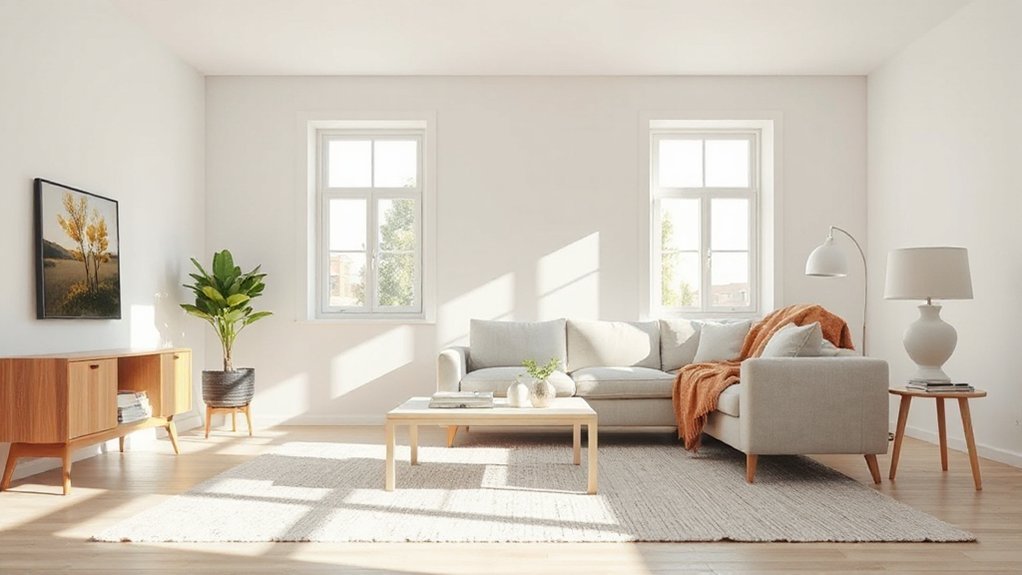
Before making any changes, you should know what your rental agreement and local laws permit. You’ll start by reviewing your lease clauses to identify allowed alterations and any required notices or approvals. Check for restrictions on paint colors, flooring, or fixtures, and look for repair responsibilities that could affect your plan.
Understand your tenant rights so you don’t assume permission you don’t have and avoid voiding protections. Gather documentation of permitted modifications and any approved plans before you begin.
Talk to your landlord or property manager in writing to confirm consent and timing, and keep records of all communications. Prioritize small, reversible updates that align with the lease, ensuring you stay compliant while planning future improvements.
Apply Quick, Non-Damaging Upgrades
You can keep improvements practical by choosing quick, non-damaging upgrades that won’t affect your security deposit. Focus on rent-smart tactics like temporary wall decor, removable organizers, and hardware upgrades that are easy to undo without residue.
These moves set a clean, refreshed baseline while staying compliant and easy to reverse.
Quick, Non-Damaging Upgrades
Here are quick, non-damaging upgrades you can tackle in a rental: freshening hardware, swapping out dated lighting, and adding removable, reversible decor. You’ll improve function and feel without penalties or permanent changes.
Begin with hardware updates: switch knobs, pulls, and door hinges to modern finishes that wipe clean easily. For lighting, choose plug‑in sconces or LED bulbs with warm tones to brighten spaces without drilling.
Use removable wall accents to change mood without wall damage. Creative wall art and stylish throw pillows provide instant color and texture, yet stay within policy if you use removable adhesives or freestanding frames.
Organize your plan by room, list needed supplies, and set a two‑hour target per upgrade. Double‑check tenancy rules and keep receipts for potential returns.
Rent-Smart Refresh Tactics
Rent-Smart Refresh Tactics: Quick, non-damaging upgrades get you momentum fast, so you can improve function and feel without risking penalties. You’ll prioritize portable, reversible improvements that don’t alter structure or require landlord approval beyond normal channels.
Focus on lighting upgrades, outlet safety checks, smart plugs, and low‑cost organizers that enhance usability without lasting damage. Use materials that remove, not deface, surfaces, and document everything with receipts and photos.
Before making changes, align with your lease terms and keep a written record of expectations; this supports rent negotiation when you seek permission or discuss enhancements at renewal.
When approaching a landlord, frame upgrades as practical benefits that ease maintenance and boost value. For lease renewal, propose a concise list of approved, removable upgrades to boost appeal.
Try Temporary Decor That Feels Luxe
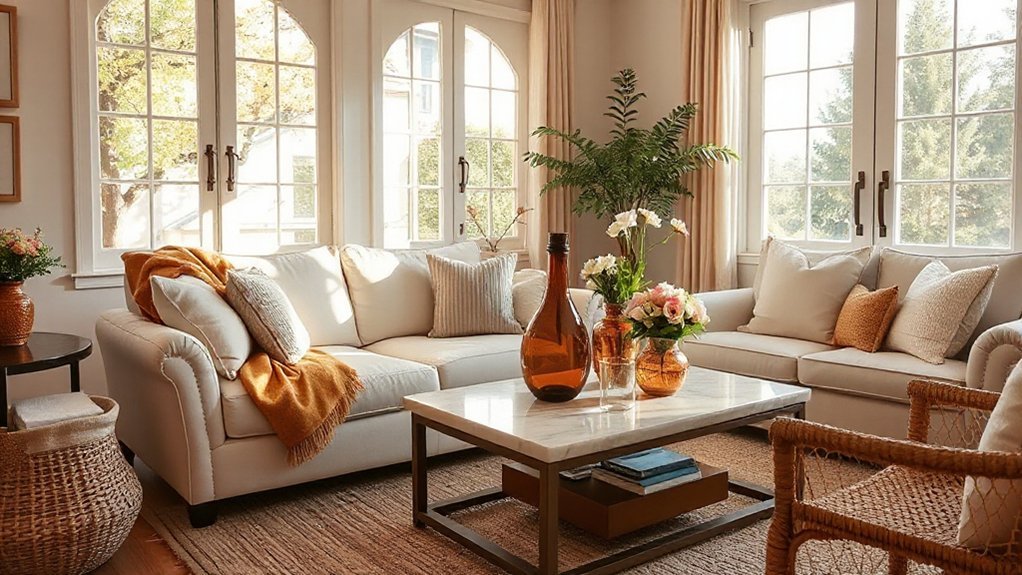
Try temporary decor that feels luxe to elevate a rental without commitment. You can transform spaces with strategic pieces that don’t require bolts, nails, or lasting changes.
Focus on luxury accents like velvet cushions, brushed-metal trays, and sculptural lamps that catch the eye without committing you long term.
Choose temporary accessories such as adhesive wallpaper decals, removable wall decals, or fabric wall hangings that peel cleanly.
Set a cohesive color story: neutrals with a single rich accent hue to avoid overloading the room.
Prioritize scale and proportion so each piece earns its keep.
Keep safety in mind—check landlord policies and surface compatibility first.
Rotate items seasonally to refresh the feel without reworking layouts.
Document placements to recreate the look later if needed.
Improve Ambiance With Simple Scents
A simple way to boost the feel of a rental is to harness scent without complicating your space. You’ll create a welcoming tone by choosing a few neutral, enduring notes—citrus, vanilla, or pine—that blend well with existing décor.
Keep it simple: avoid overpowering your guests or triggering sensitivities. Use clear, breathable options like aroma diffusers placed away from direct sunlight and vents, which maintain a steady, pleasant baseline.
Practice scent layering by combining two complementary profiles—top, middle, and base notes—so the aroma shifts subtly as you move through rooms. Refill and clean devices regularly to prevent stale odors.
Document your routine, so you stay compliant with lease guidelines while maintaining consistency. This approach delivers a refined atmosphere with minimal effort.
Optimize Small Spaces With Smart Layouts
Start by optimizing layout flow so traffic moves naturally from room to room without bottlenecks.
Maximize vertical storage with shelves and hanging organizers to free floor space without clutter.
Create flexible zones that adapt—from living area to work nook—so you can reconfigure as your needs change.
Optimize Layout Flow
Efficient layout flow begins with evaluating how furniture and zones relate to each other, then rearranging for clear sightlines and easy movement. You’ll optimize space by grouping related activities, like reading nooks near natural light and work areas near outlets, while preserving walkways.
Start by measuring room dimensions and noting door swings, then test furniture footprints with tape or templates before moving heavy pieces. Keep focal points unobstructed to enhance perceived space.
Use modular furniture or multi-function pieces to reduce bulk without compromising usability. Decorative accessories add personality without crowding, so place them on walls or slim shelves rather than at floor level.
Lighting enhancements—layer ambient, task, and accent lighting—draw attention to layout cues, improve mood, and make tight zones feel larger. Maintain compliance, practicality, and organized clarity throughout the refresh.
Maximize Vertical Storage
To keep your rental organized in tight spaces, maximize vertical storage by leveraging walls, corners, and tall units. Start with adjustable shelving that you can reconfigure as your needs shift, keeping frequently used items at reachable heights.
Install wall-mounted storage: pegboards, slim racks, and magnetic strips to free floor space without bulk. Use corner shelves to transform dead zones into functional niches.
Choose tall, slender bookcases over wide units to occupy minimal footprint while increasing surface area. Label bins and baskets for quick, intuitive access, then group similar items to reduce rummaging.
When possible, stack vertically with stackable containers to consolidate clutter. Reassess quarterly, removing what you don’t use.
This approach stays practical, compliant, and organized while optimizing limited footprint.
Create Flexible Zones
Ever thought a small space could feel instantly larger by smartly defining zones? You’ll map functions to areas, using lightweight, movable screens or furniture to carve multifunctional zones without permanent changes.
Start with a clear traffic flow: keep walkways open, place work or dining spaces near natural light, and reserve a tucked-away zone for relaxation.
Choose adaptable pieces—sleek screens, foldable desks, ottomans with storage—that transform as needs shift.
Use color and texture to delineate zones, not walls, so the room remains airy and compliant with rental rules.
Label zones visually with rugs or lighting, guiding use and reducing clutter.
Prioritize versatile layouts over fixed setups; this keeps your space adaptable, organized, and ready for new routines without permanent alterations.
Document Changes to Protect Your Deposit
Documenting changes to protect your deposit is essential. You’ll keep track of every alteration, date, and cost so you can reference it during inspection or dispute.
Begin with a written plan aligned to your lease agreement terms, and note what you’ll modify, why, and when. Use clear, itemized entries for repairs, paint, fixtures, and cleaning, including supplier receipts and labor estimates.
Before you start, confirm what’s allowed under tenant responsibilities and what may require landlord consent.
Photograph the space before and after changes, labeling files by room and purpose. Store documents securely, ideally in a shared folder with your notes.
This organized record helps you demonstrate compliance, reduces risk, and supports a smoother deposit return.
Communicate Clearly With Your Landlord for Approvals
Clear approvals start with a straightforward plan you can share with your landlord. When you propose changes, describe the purpose, scope, timeline, and any safety or code implications. Use concrete details about materials, costs, and who’ll perform the work, and attach the relevant sections of your Lease agreements if possible.
Schedule a formal discussion rather than informal comments, and invite questions to address concerns up front. Frame the request around minimizing disruption and protecting property, not just personal preference.
Acknowledge Tenant rights and your landlord’s responsibilities, demonstrating you’ve considered compliance, permits, and inspections. Document approvals in writing, noting agreed terms, limits, and a clear completion date to prevent miscommunication.
Maintain professional tone, follow up, and preserve a cooperative relationship.
Frequently Asked Questions
How Can I Refresh Lighting Without Rewiring or Electrical Changes?
You can refresh lighting without rewiring by using temporary lighting and decorative lamps. Choose low-heat LED options, plug-in fixtures, and clamp lamps. Position them to evenly brighten rooms, avoid overloading outlets, and follow landlord rules for rentals.
Are Removable Wallpapers or Decals Allowed in Rentals?
Yes—removable wallpapers or decals are usually allowed if landlord permits and adhesives don’t damage walls. You can use paint touch ups and furniture rearrangement as practical, compliant options; think symbolism: walls regain color, furniture rearranges your space.
Can I Temporarily Alter Acoustics Without Permanent Fixtures?
Temporary soundproofing is possible, but you should avoid permanent changes. You can use portable, noninvasive solutions like rugs, curtains, and furniture placement for acoustic modifications. It’s practical, compliant, organized, and keeps your rental intact.
What Budget-Friendly, Non-Permanent Textiles Elevate a Room?
Decorative throw blankets and patterned area rugs are budget-friendly, non-permanent textiles you can add to elevate a room. You’ll boost coziness and color, align with rental rules, and keep things organized while you refresh spaces quickly and affordably.
How Can I Test Scent Changes Without Triggering Allergies?
Like testing scents is a breeze, you can start small. You’ll use scent masking cautiously and choose allergy friendly fragrances; test in a sealable space, note reactions, and document results to stay practical, organized, and compliant.
Conclusion
You can refresh a rental—stress-free and lease-friendly—by staying within rules, upgrading non-damagingly, and keeping changes reversible. Try removable wallpaper or decals, new hardware, better lighting, and portable storage to reclaim space. Add luxe with scent, texture, and curated accents you can remove later. A quick stat: nearly 60% of renters report feeling more satisfied with their space after small, non-permanent updates. Track what you change and confirm with your landlord to protect your deposit.
About the Author