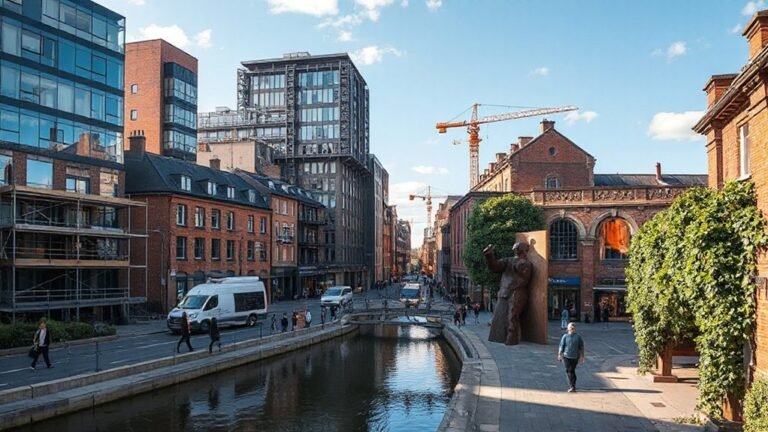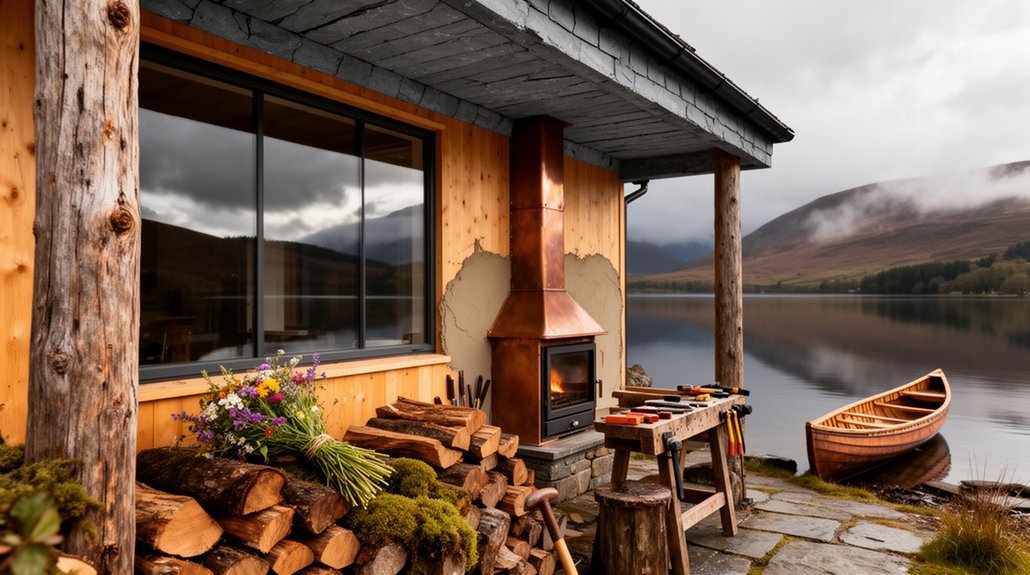
A lakeside lodge refurbishment in the Lake District hinges on clear goals, a well-defined scope, and a practical timeline that prioritizes durability and authentic Lakeland character. Assess site constraints early—topography, access, and protected habitats—to shape your plan, permits, and conservation considerations. Source materials thoughtfully—locally, ethically, and with low maintenance in mind—while detailing timber and stone to blend with the landscape. Plan outdoor spaces, interior finishes, and sustainable systems for resilience; you’ll gain lasting value as costs and milestones stay aligned. More awaits.
What a Lake District Lodge Refurbishment Should Achieve: Goals, Scope, and Success
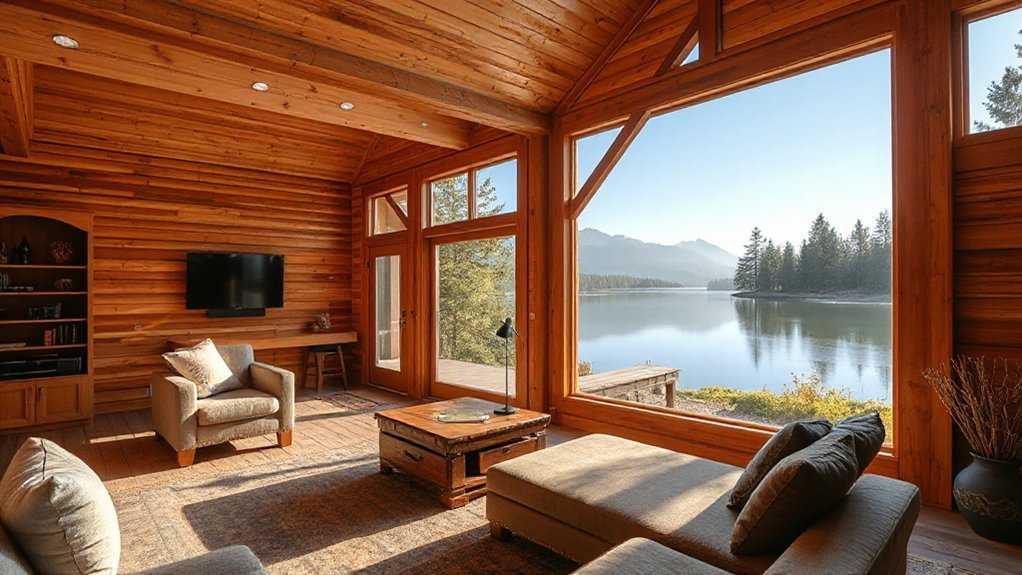
A Lake District lodge refurbishment should establish clear goals, a defined scope, and measurable success criteria from the outset. You begin by detailing what success looks like—visitor satisfaction, durability, and cost adherence—so every decision aligns with these targets.
Define scope with precise boundaries: elements to restore, systems to upgrade, and aesthetic directions that respect the setting. Establish timelines, milestones, and accountability, assigning owners for each deliverable.
Integrate wildlife considerations early, recognizing wildlife encounters as part of the guest experience and operational risk, and plan accordingly.
Address seasonal considerations that influence materials, finishes, and access, ensuring practical maintenance windows and budgeting buffers.
Document success metrics, monitor progress, and adjust plans when evidence shows deviations from expectations. Clear, measurable criteria keep the project focused and responsible.
Assessing Lake District Site Constraints and Opportunities
Evaluating Lake District site constraints and opportunities requires a clear view of the landscape, access, and regulatory context from the outset. You’ll map topography, drainage, and microclimates to anticipate seasonal conditions that affect construction and materials.
Assess rights of way, access routes, and proximity to public spaces, ensuring you can bring in gear without disrupting visitors. Identify protected habitats and any buffer zones that constrain footprint or timing.
You’ll review planning constraints, conservation designations, and local authority policies that influence approvals and mitigation. Consider wildlife habitat continuity, potential disturbance during nesting or migration, and how works might impact local flora.
Pinpoint opportunities for natural ventilation, drainage improvements, and landscape integration that enhance resilience while preserving the site’s character and biodiversity.
Setting a Realistic Budget for a Rustic Lake District Project
Build in a contingency of 10–20% to cover unforeseen site constraints, permit fees, and delivery delays.
Prioritize essential upgrades over cosmetic changes, then phase discretionary improvements to align with cash flow.
Consider long-term value: maintenance, durability, and energy efficiency.
Budget for luxury amenities and modern technology only where they add verifiable utility or resale appeal.
Track receipts and revise estimates as plans evolve, ensuring you aren’t surprised by cost escalations that could derail the project timeline.
Creating a Design Brief That Honors Lakeland Character
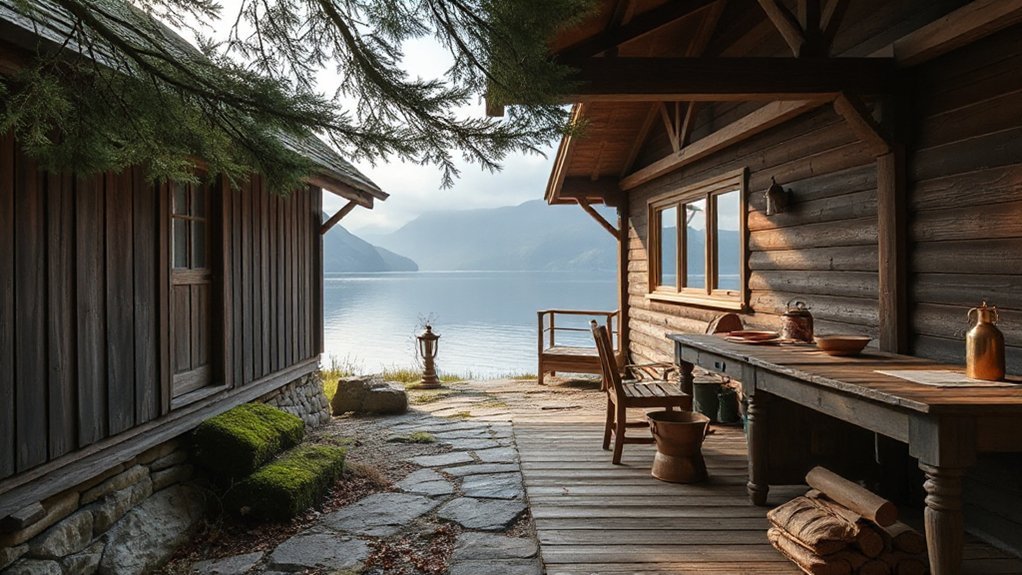
Focus on constraints, scale, and material honesty, so the lodge reads as part of the lake’s ecosystem rather than a ledger entry. Include measurable criteria for views, access, and daylight, while safeguarding ecological balance.
Prioritize authentic textures, subdued palettes, and traditional forms that nod to Lakeland vernacular without surface nostalgia. Align budget, schedule, and permissions with community needs and seasonal realities.
- Protect Wildlife habitat through landscape buffers and native planting
- Highlight Local flora in materials and color schemes
- Preserve meandering sightlines and lake access
- Integrate low-impact systems and maintenance considerations
Sourcing Timber, Stone, and Finishes for a Lake District Lodge
You’ll prioritize timber that’s ethically sourced to support sustainable forests and local economies.
Then select stone with durable, low-maintenance finishes that weather Lakeland conditions gracefully.
Consider finishes that protect without masking natural textures, ensuring longevity and minimal ongoing upkeep.
Timber Sourcing Ethically
Is it possible to source timber, stone, and finishes that respect both the landscape and local communities? Yes, and you should. Ethically sourced timber supports wildlife conservation, while local community engagement ensures fair livelihoods and transparent practices.
You’ll seek certification from credible schemes, prefer locally milled options, and prioritize low-impact extraction. Ask suppliers about traceability, reuse potential, and end-of-life recycling.
Favor finishes with durability, low VOCs, and minimal ecological footprint. Build a concise procurement brief that balances aesthetics with responsibility, then verify practices on-site through third-party audits.
Maintain open, ongoing dialogue with foresters, mills, and distributors to align goals. Commit to documentation, reporting outcomes, and continuous improvement for a lodge that harmonizes with its Lake District setting.
- Certification and traceability
- Local milling and fair labor
- Low-impact processes
- Long-term stewardship plans
Stone Selection Details
Stone selection for a Lake District lodge hinges on choosing materials that withstand harsh weather while echoing the landscape. You’ll assess local sources for durability, weather resistance, and seasonal shifts, prioritizing stones with low porosity and stable finishes.
Consider granite, slate, and fieldstone for robust exteriors, balancing texture with clean lines. Stone selection should reflect natural textures, avoiding overly processed surfaces that crack or erode under freeze-thaw cycles.
Verify quarry provenance, lifecycle impact, and maintenance needs, selecting reusability where possible.
Draft a sourcing brief that outlines finish possibilities, joint profiles, and color variation, then align with your lodge’s architectural language.
Communicate with masons about moisture management, drainage, and insulation compatibility to ensure long-term stability and aesthetic coherence.
Finishes And Durability
- Eco friendly materials
- Modern aesthetics
- Traceability and local sourcing
- Durable, low maintenance finishes
Maximizing Space in a Cozy Lakeside Cabin
Smart storage and multi-functional furniture let you reclaim every inch without sacrificing comfort. You’ll prioritize built-ins, hidden compartments, and compact, adaptable pieces that serve dual purposes.
Smart Storage Solutions
Even in a compact lakeside cabin, smart storage can transform how you live and unwind, so you’ll never waste a square foot. You’ll prioritize verticality, dual-purpose spaces, and discreet access points to keep the interior calm and functional.
Use smart storage to declutter without sacrificing comfort, and let hidden compartments quietly expand your usable area. Focus on predictable organization so you can find what you need without delay.
- maximize wall-mounted cabinetry with shallow depths
- implement under-bed drawers and lift-top trunks
- install recessed shelving in alcoves and hallways
- embrace labeled containers and a simple, repeatable system
Smart storage, hidden compartments, and deliberate layout give you a tidy, approachable lodge ambiance you’ll relish daily.
Multi-Functional Furniture
Maximizing space in a cozy lakeside cabin means choosing furniture that serves more than one purpose. You’ll want pieces that conceal, store, or transform, so every square meter earns its keep.
Start with a sofa bed or a daybed with integrated storage to keep linens out of sight but within reach.
Opt for nesting tables and a coffee table with a lift-top, revealing hidden compartments for games, candles, or chargers.
Consider a dining set that folds down or extends, adapting to guests without crowding the room.
Multi functional furniture should be sturdy, with durable finishes suited to damp air.
Prioritize modular seating to reconfigure layouts swiftly.
These space saving solutions reduce clutter while maintaining comfort, style, and lakeside charm.
Insulation and Draft-Proofing Without Losing Charm
Insulating a lakeside lodge without sacrificing its charm hinges on smart material choices and thoughtful detailing. You’ll balance comfort with character by selecting eco friendly materials and employing craft-led techniques that respect the timber frame.
Prioritize airtight yet breathable solutions, focusing on long-lasting performance and low embodied energy. Combine natural fibers with smart layering, and use dense insulation where it counts without bulk in visible spaces.
Maintain draft-control at eaves, floors, and joints through careful detailing and professional sealing. Preserve historic or rustic textures by concealing insulation behind discreet boards or reclaimed timber, so charm stays intact.
Eco friendly materials, local craftsmanship, and precise installation underpin lasting warmth without compromising aesthetics.
- Choose mineral wool or sheep’s wool batts for high performance
- Seal gaps at joints with brush or foam as appropriate
- Use breathable membrane behind finished surfaces
- Match finishes to existing timber for seamless appearance
Windows and Doors That Frame the Lake District View
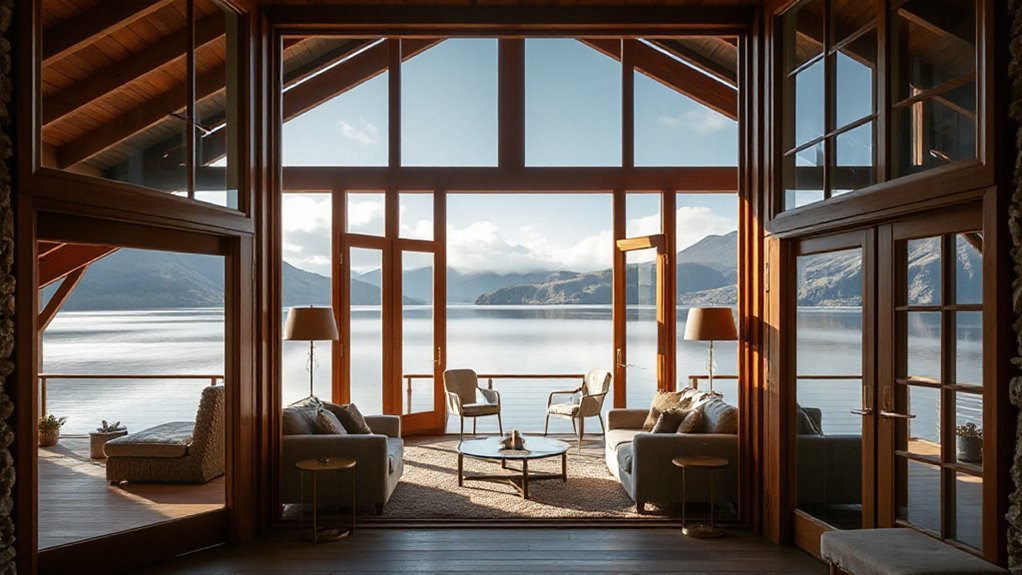
Your windows and doors aren’t just openings; they frame the Lake District’s changing light and landscapes. Consider how sash and glass choices can balance views with energy efficiency.
While inviting the outdoors in through seamless outdoor-indoor harmony. Together, framing Lake Views with thoughtful design sets the tone for a polished, enduring lodge aesthetic.
Framing Lake Views
When you choose windows and doors that frame the Lake District’s scenery, you’re selecting sightlines that become part of the room’s rhythm.
- Prioritize wide, low-iron glazing to maximize natural light without glare during boat rentals or wildlife photography sessions.
- Align the glazing with outdoor vistas, so the horizon becomes a gallery through which water, trees, and sky move.
- Consider balcony doors or sliding setups that soften transitions between indoors and lakeside viewpoints.
- Use framing that preserves proportion, avoiding heavy muntins that interrupt a clean, uninterrupted view.
This precision ensures authentic, calming perspectives, supports activities like wildlife photography, and keeps your lodge visually connected to the lake without distraction.
Sash and Glass Choices
Sash design should balance ventilation, daylight, and thermal performance, prioritizing easy operation and secure locking.
For doors, opt for glazing that maximizes light while minimizing heat loss, using high-performance seals and low-emissivity glass.
Consider the rhythm of mullions to echo the surrounding scenery, avoiding busy patterns that distract from the view.
Glass installation must be precise, with properly aligned sashes, airtight joints, and moisture barriers.
Select glazing that resists condensation, preserves colour, and maintains clarity through the changing Lake District light.
Outdoor-Indoor Harmony
- Frame choices that balance light, view, and insulation
- Door configurations that open to garden and lakefront paths
- Glazing with low-emissivity coatings for clarity and warmth
- Durable finishes that resist weather and wildlife interactions
Wildlife diversity enhances immersion; plan for year-round engagement.
Heating, Ventilation, and Sustainability in a Wet Climate
In a wet climate like the Lake District, effective heating, ventilation, and sustainability work together to keep a lakeside lodge comfortable year-round while minimizing energy use. You’ll prioritize heating efficiency by selecting well-insulated envelopes, high-performance boilers, and smart controls that adjust output to occupancy.
Combine this with balanced ventilation systems that bring in fresh air without creating drafts, leveraging heat recovery to reclaim warmth from exhausted air. Guarantee airtight detailing around doors, windows, and vents to reduce heat loss during storms.
Use humidity-aware ventilation to prevent mold growth while preserving indoor air quality. Pair these systems with renewable strategies, such as heat pumps and solar-ready infrastructure, to lower long‑term costs.
Maintain simple, routine checks for reliability and peak performance.
Rustic Interior Finishes That Stand Up to Lakeside Life
A lakeside interior benefits from finishes that shrug off dampness, resist wear, and age gracefully under changing seasons. You’ll choose rugged textures that survive lake air: oiled timber, waxed stone, and lime-washed plaster that breathes.
Pair these with protective coatings that withstand pawprints, mud, and wildlife encounters without conspicuous upkeep. For seasonal decor, rotate fabrics and ceramics rather than heavy remodeling, keeping the palette cohesive yet fresh.
You’ll favor matte finishes over gloss to hide fingerprints and water blotches. Maintain contrast by pairing warm woods with cool stone.
Finally, install permeable textiles near entryways to catch moisture and sand before it travels deeper.
- Oiled timber and waxed stone for durability
- Lime-washed plaster for breathability
- Textiles in seasonal decor hues
- Permeable entryway fabrics to trap moisture
Kitchen and Bath Updates for Practical Luxury
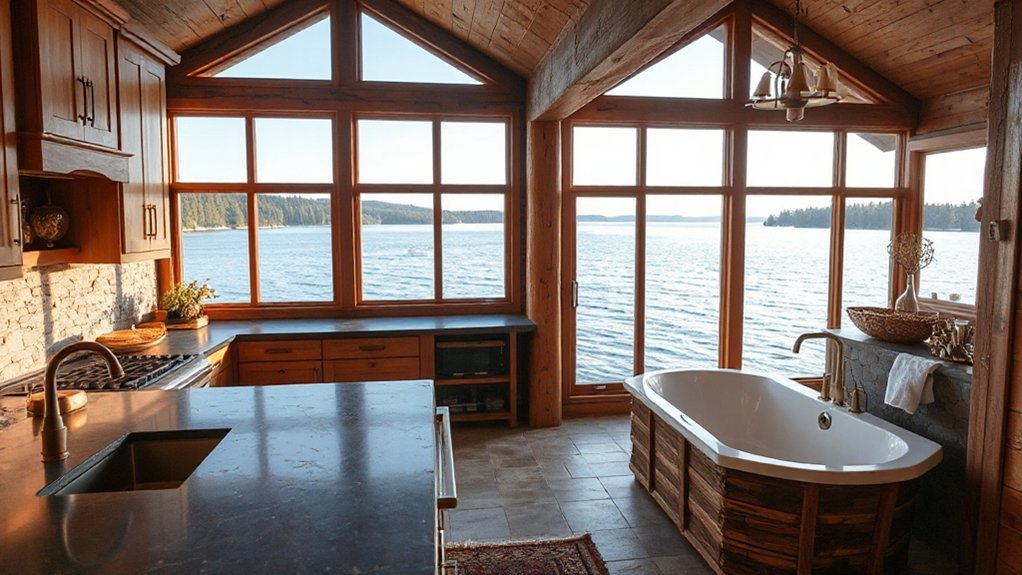
Begin with durable, water-ready essentials that elevate daily rituals: a well-planned kitchen layout, moisture-resistant surfaces, and smart storage that keeps clutter out of sight.
In your Lakeside Lodge, update fixtures to resist humidity and steam, selecting stainless or solid-surface counters and sealed cabinetry. Choose a reliable water filter and energy-efficient appliances that perform calmly beside scenic views.
For baths, install slip-resistant tiles, a breathable underlayment, and a compact, efficient shower system to conserve water without sacrificing comfort.
Integrate lake cuisine-inspired functionality—drawer dividers, thoughtful spice storage, and a pull-out trash/recycling station—to streamline meal prep after expeditions.
Embrace wildlife encounters by sealing gaps, using quiet ventilation, and employing durable finishes that endure your guests’ playful routines.
The result is practical luxury aligned with lakeside living.
Lighting That Feels Warm and Rural, Not Faddish
Warmth in lighting isn’t about trendiness; it’s about atmosphere that feels natural to a lakeside retreat. You’ll choose fixtures that glow with amber warmth, avoiding glare and stark white. Seek dimmable options to follow the sun’s rhythm and mirror Lakeside flora as it shifts through the seasons.
Favor materials like brass, copper, and aged timber that age gracefully. Layer light so task, ambient, and accent work together, never compete. Keep cords hidden and bulbs warm-toned for an inviting, rural feel that stays timeless.
- Dimmed chandeliers over dining and seating areas
- Recessed warm LEDs with amber tint for gentle spill
- Table lamps with linen shades for soft pools of light
- Outdoor lanterns that weather naturally, highlighting seasonal activities
Preserving Lakeland Craft: Timber Carpentry and Stonework
You’ll explore timber craft techniques and stonework detailing methods that define Lakeland character, balancing authenticity with modern durability.
We’ll examine how traditional joinery, fixings, and edge treatments preserve timber quality while stonework respects local geology and historic rhythm.
This discussion sets the stage for Lakeland heritage preservation, linking craft method to long-term integrity of your lodge.
Timber Craft Techniques
Timber craft in Lakeland restoration blends traditional joinery with modern preservation, ensuring enduring strength while honoring the region’s craft heritage. You’ll prioritize timber selection, using slow-grown locally sourced pine or oak for authenticity and durability. Then apply breathable finishes to protect without sealing out moisture.
Precision joints, such as mortise-and-tenon and scarf joints, reinforce structural integrity while allowing natural movement. Regular inspection of grain, knots, and cambial relief helps prevent splits and brittleness.
Maintain rounding edges and chamfers for safe, timeless aesthetics that suit Rustic decor and frame lake views. Use dehumidified storage during gaps in use to minimize seasoning loss.
Timely re-oiling maintains luster, while conservation-grade sealants resist weathering without compromising breathability.
- Local timber selection and seasoning
- Traditional joinery with modern protection
- Maintenance cadence for longevity
- Aesthetic alignment with Rustic decor and lake views
Stonework Detailing Methods
Stonework detailing in Lakeland restoration blends traditional blockwork with careful setting and weatherproofing, ensuring stones breathe with the structure while resisting the damp climate.
You’ll combine lime mortar practice with modern technology to monitor moisture flow and finalize joints that move slightly with seasonal expansion.
Detail lies in the bond pattern, notch courses, and flush insets that minimize water ingress while maintaining a cohesive façade.
When selecting stone, match hue and texture to existing fabric, then cut with precision to preserve continuity.
Repoint using breathable mortars to sustain airflow and reduce damp risk.
Interior lighting considerations should respect masonry lines, avoiding glare or after-dark heat buildup.
You achieve resilience through thoughtful detailing, disciplined execution, and a respect for Lakeland craft.
Lakeland Heritage Preservation
Heritage preservation in Lakeland hinges on honoring craft while adapting to modern needs, so timber carpentry and stonework are treated as living traditions rather than static relics. You engage with the region by respecting Lakeland heritage; your work blends skill with stewardship, ensuring longevity and authenticity.
This approach protects Lakeside flora by sourcing sustainable timber and noninvasive stone. You’ll preserve character without hindering function, balancing aesthetics and practicality. The dialogue between craft and environment strengthens Local legends, inviting guests to connect with history through thoughtful restoration.
- Sustainably sourced timber choices that honor local timber traditions
- Traditional joints and stone dressings refined for modern use
- Documentation of techniques to educate future caretakers
- Integrating landscape reflections with building forms to protect lakeside views
Outdoor Spaces: Decks, Boardwalks, and Lakefront Access
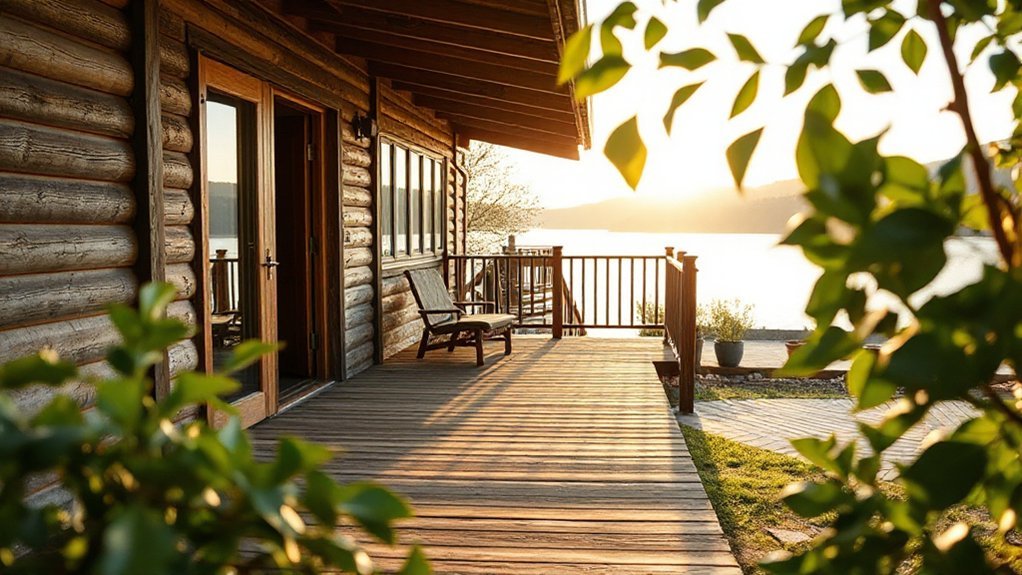
From the outset, design the deck, boardwalks, and lakefront access to maximize both durability and seamless integration with the surrounding lake views. You’ll select slip-resistant decking, weather-tolerant timber, and hidden fasteners to minimize maintenance.
Align boards with sightlines to enhance the horizon while reducing glare and shadow, using UV-stabilized finishes to prevent warping.
Build boardwalks on elevated, stable supports to avoid tidal scour, ensuring gentle slopes for accessibility.
Incorporate safe, clearly marked passages between land and water, with handrails that don’t obstruct scenery.
Consider wildlife habitat by using native vegetation buffers and wildlife-friendly lighting.
Prioritize water safety with life-saving stations, buoyed edges, and non-slip surfaces.
Keep storage nearby for baskets, nets, and dry-use gear to maintain tidy access paths.
Regular inspections prevent deterioration and preserve lakefront charm.
Permits, Regulations, and Conservation Considerations
Managing permits, regulations, and conservation considerations upfront helps you avoid delays and protect the lakeside ecosystem. You’ll navigate the Permits process efficiently by identifying required licenses early, submitting complete applications, and tracking milestones.
Understand local planning rules that govern view lines, water access, and shoreline works to minimize conflicts with neighbors and authorities.
Heritage restrictions may apply to listed buildings, materials, and ancient trees, so consult conservation officers before any change.
Align your refurbishment choices with habitat protection, including erosion control, disturbance limits, and seasonal constraints.
Engage early with environmental officers to verify impact assessments and mitigation steps.
- Permits process prerequisites
- Compliance milestones and timelines
- Heritage restrictions considerations
- Environmental protection commitments
Project Timeline and Task Sequencing for Minimal Disruption
Careful planning keeps disruption to a minimum, so map out a concise project timeline and sequence tasks to align with seasonal windows, contractor availability, and shoreline access limitations. You’ll chart critical phases—demo, structural assessment, weatherproofing, and finishes—into a logical flow that minimizes reopening work.
Prioritize tasks that require dry conditions and restricted access to the water, scheduling them when boats and paths are least busy. Build in buffer periods for inspections, procurement delays, and weather setbacks.
Embrace Sustainable planning by choosing durable, low-maintenance materials and minimizing waste. Incorporate Cultural preservation by respecting local architectural character and traditional craftsmanship in sequencing decisions.
Communicate milestones clearly to stakeholders, ensuring you stay on time, on budget, and aligned with environmental constraints. Regular reviews keep progress precise and disruption minimal.
Maintenance Plan to Keep the Lodge Timeless Year After Year
To keep the lodge timeless year after year, establish a proactive maintenance plan that targets weather, structure, and finishes before small issues become major problems. You’ll implement seasonal maintenance schedules, document findings, and adjust actions to protect wildlife preservation while minimizing disruption.
- Set quarterly inspections for roof, gutters, and damp spots, prioritizing drainage and airflow.
- Map timber treatments, seals, and paint cycles aligned with coastal weather and humidity.
- Schedule exterior and interior touch-ups during calm, dry periods to preserve finishes.
- Track wildlife deterrents and habitat considerations without compromising local ecosystems.
This approach guarantees longevity, reduces costly repairs, and keeps the lodge visually pristine, while honoring seasonal cycles and environmental responsibilities.
Frequently Asked Questions
How to Preserve Lakeland Character Without Stifling Modern Comfort?
Preserve Lakeland character by embracing vintage decor alongside modern amenities. You’ll mix timber, stone, and craft details with efficient heating, smart lighting, and contemporary comfort, ensuring authenticity while you enjoy every practical convenience without sacrificing atmosphere.
What Unseen Damp Risks Affect Long-Term Timber Integrity?
Moisture intrusion means hidden damp hazards; you should scrutinize timber for persistent stains, mold odors, and softened fibers. You’ll guard against fungal growth by dehumidifying, ensuring ventilation, and drying out interiors promptly to protect long-term integrity.
Which Local Craftspeople Best Suit Lakeland Lodge Projects?
You’ll want local artisans who specialize in Lakeland rustic builds, prioritizing craft techniques that suit timber integrity and water exposure; seek certified joiners, dry-stone masons, and cabinetmakers with Lake District portfolios to guarantee durable, polished results.
How to Balance Rustic Charm With Energy Efficiency Goals?
Sure, you’ll balance rustic charm with efficiency by prioritizing Eco friendly insulation and Solar energy integration, buddy. You get cozy, lower bills, and bragging rights, while reducing footprint; your lodge stays timeless, practical, and brilliantly energy-smart.
What Seasonal Workflow Minimizes Disruption for Guests?
Seasonal planning minimizes disruption by batching tasks into off-peak windows and aligning with guest scheduling. You’ll schedule resin repairs, freshen finishes, and safety checks during quiet periods, then communicate clearly to guests for minimal impact and smoother operations.
Conclusion
In the Lake District, your lodge is a patient old tree, roots deep in Lakeland soil and branches reaching toward the changing sky. Your plan is the careful pruning and compass that keep it standing through storms and sun. Stand back as the sap rises—timber, stone, and mindful space breathe together. When you tend the deck, the boards remember the lake’s tide; when you close the doors, the winds tuck the lodge safely into its timeless, tranquil heartbeat.
About the Author