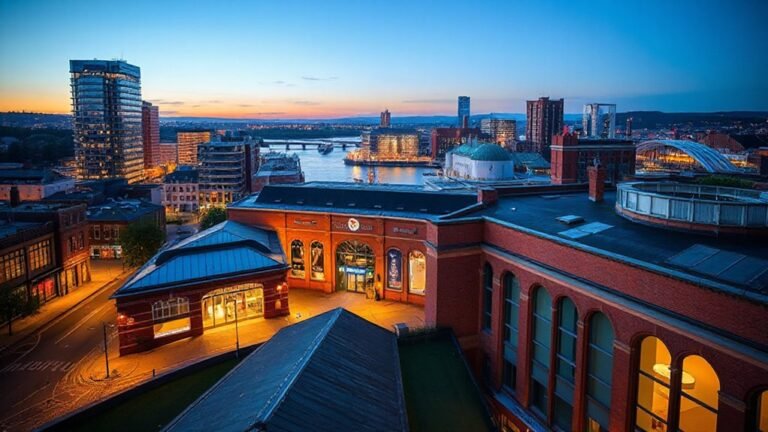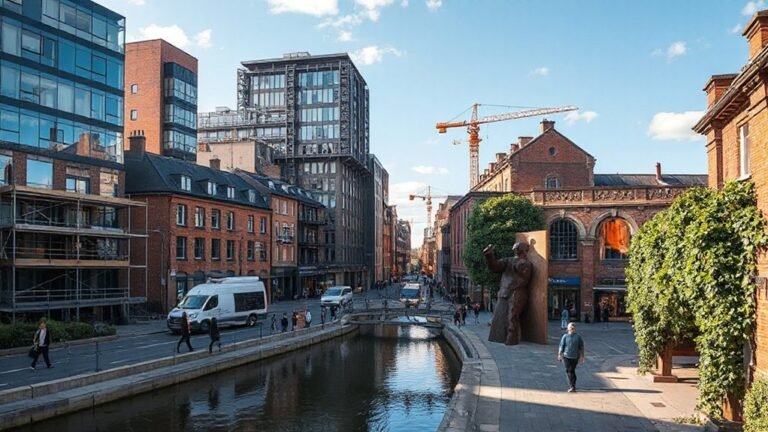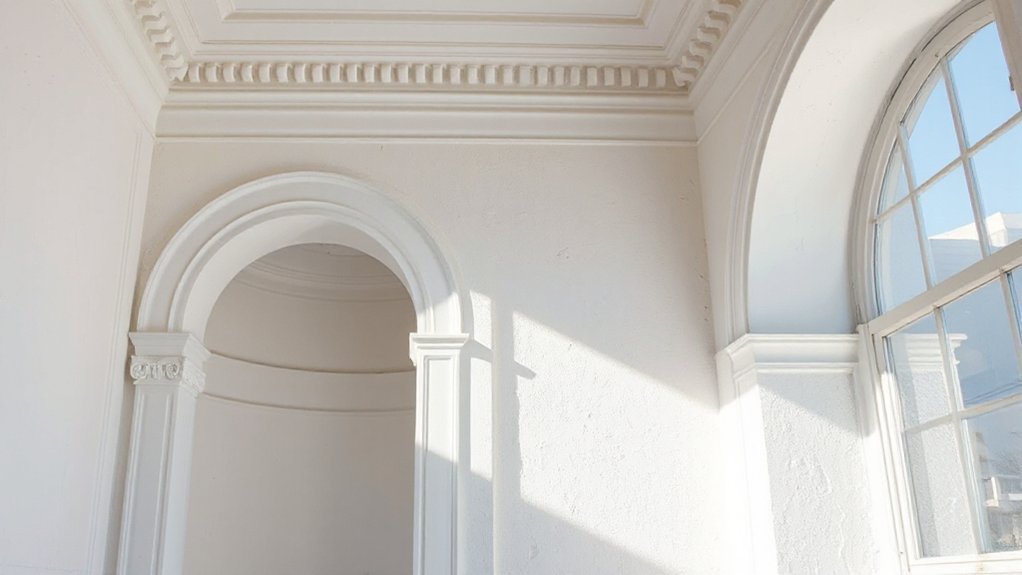
A painted façade is a quiet mask you wear, signaling history without tearing into it. You weigh surface texture, scale, and palette against conservation ethics, knowing misrepresentation harms heritage and public trust. You’ll need permissions, reversible materials, and clear maintenance plans to avoid red flags. With each technique—trompe l’oeil, faux panels, or rustication—you balance illusion and integrity. Stay precise, restrained, and prepared, because the next step could redefine how a building speaks to its city.
What Painted Facades Can Fake in UK Architecture
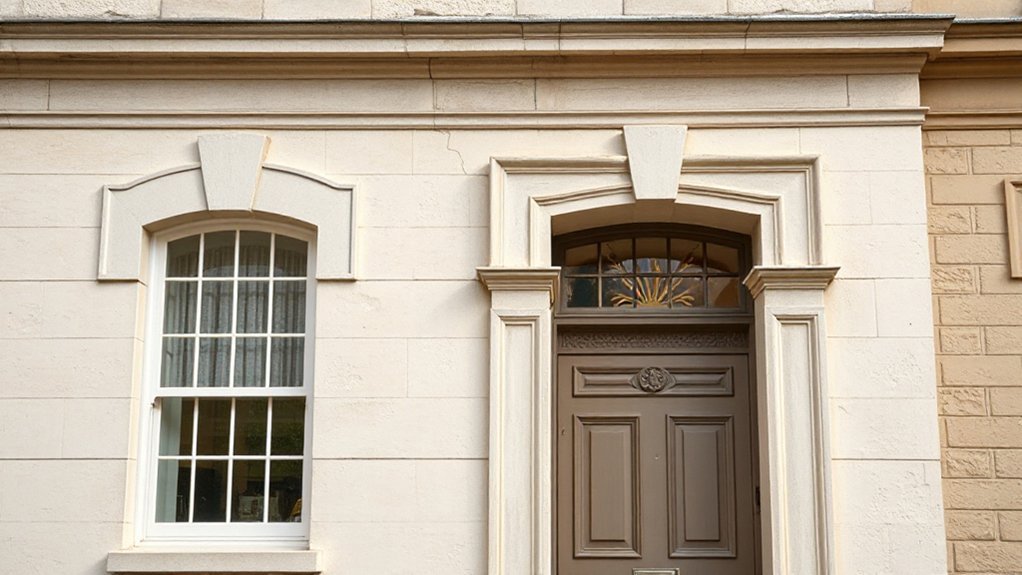
Painted facades can convincingly mimic a range of architectural features, but their effectiveness hinges on understanding both the plastered surface and the underlying structure. You assess what you plan to imitate—columns, cornices, or rusticated textures—against the building’s load-bearing realities and material history. In UK architecture, you weigh the visual accuracy of form versus the integrity of structure, prioritizing reversible, low-impact methods. Modern urban murals offer expressive versatility, yet you must separate decorative ambition from architectural illusion, avoiding misleading implications about genuine construction. Interior faux panels illustrate this balance, providing temporary, non-structural depth without compromising safety or heritage values. You document materials, apply testing protocols, and respect conservation guidelines, ensuring transparency, consent, and ethical restraint in every project decision.
The History Behind Painted Architectural Effects in Britain
You’ll explore how Painted Features History shaped Britain’s built environment, from early trompe l’oeil experiments to later decorative schemes. We’ll examine Britain’s Architectural Illusions and how these effects guided perception, valuation, and conservation decisions. This discussion stays precise about historic Painted Techniques, urging ethical consideration of preservation, authenticity, and scholarly clarity.
Painted Features History
Painted features have long served as optical and social signals in Britain’s built environment, where decorative paintwork often communicated status, period, and readiness for maintenance. You examine the historical trajectory with care, noting how pigment choices and techniques reflected regional workshops, trade guilds, and evolving aesthetic norms. The history reveals deliberate mimicry of structural forms, from mock timbers to faux stone, calibrated to balance visibility with restraint. Modern mural art emerges as a later departure, expanding public engagement while still anchoring in craft discipline. You must consider ethical limits: restoration solvents, historical accuracy, and the avoidance of misleading impressions. Graffiti concealment becomes a practical concern when documenting sites, ensuring that painted histories remain legible and responsibly contextualized for future conservation.
Britain’s Architectural Illusions
How did Britain’s built environments come to rely on architectural illusions that go beyond mere decoration? You examine a history where painted façades, trompe l’oeil elements, and color-coded schemes convey status, commemorate power, and modulate public perception. These effects emerge through institutional tastes, urban redesigns, and calibrated palettes that align with architectural grammar rather than mere ornament. You’ll notice how urban greenery is integrated to soften stone, frame vistas, and signal modernity, while cultural symbolism anchors material choices in shared narratives. Ethical vigilance requires recognizing the boundary between aesthetic manipulation and truth, avoiding misleading cues in public spaces. Precision matters: documented commissions, pigment behavior, and maintenance regimes reveal why illusion persists as a studied, systemic practice rather than a casual flourish.
Historic Painted Techniques
Historic painted techniques in Britain reveal how pigment, binder, and application methods shaped perceived materiality long before modern finishes. You explore how craftspeople manipulated limewash, tempera, and lime-based plaquettes to imitate stone, marble, or wood, balancing translucency, texture, and hue. The practice reflects cultural symbolism embedded in color choices and surface design, often signaling status, virtue, or allegiance. You’ll see how glazes, esthetics, and repairs preserve authenticity while enabling illusion, demanding ethical vigilance when documenting technique and provenance. Modern paint innovations now challenge traditional limits, yet echo historical aims: communicate form, texture, and metaphor with economy and precision. You assess material literacy, risk of misrepresentation, and the responsibility to disclose historical context to viewers and custodians alike.
- Techniques from limewash to glaze shaped material perception
- Color choices as cultural symbolism and status cues
- Ethical documentation and provenance considerations
Planning, Permissions, and Conservation: The Checks You Must Do
Before you begin applying or faking architectural features, you must understand the planning, permissions, and conservation requirements that govern the work. You assess building regulations and local planning policies before any paint is touched, ensuring your plan respects the building’s status, materials, and historic character. Consult conservation officers for indicated permissions, even if the surface seems benign. Document environmental impact, energy implications, and potential effects on drainage or stability, so you don’t compromise the structure or setting. Seek timely approvals for alterations, and prepare to adjust designs to meet safeguards and listed-building constraints. Maintain precise records of methods, provenance, and materials, and communicate openly with stakeholders. Ethical vigilance protects communities, heritage, and your professional responsibility. Environmental impact considerations guide compliant practice.
Techniques for Convincing Faux Features (Trompe L’Oeil, Rustication, Gilding)
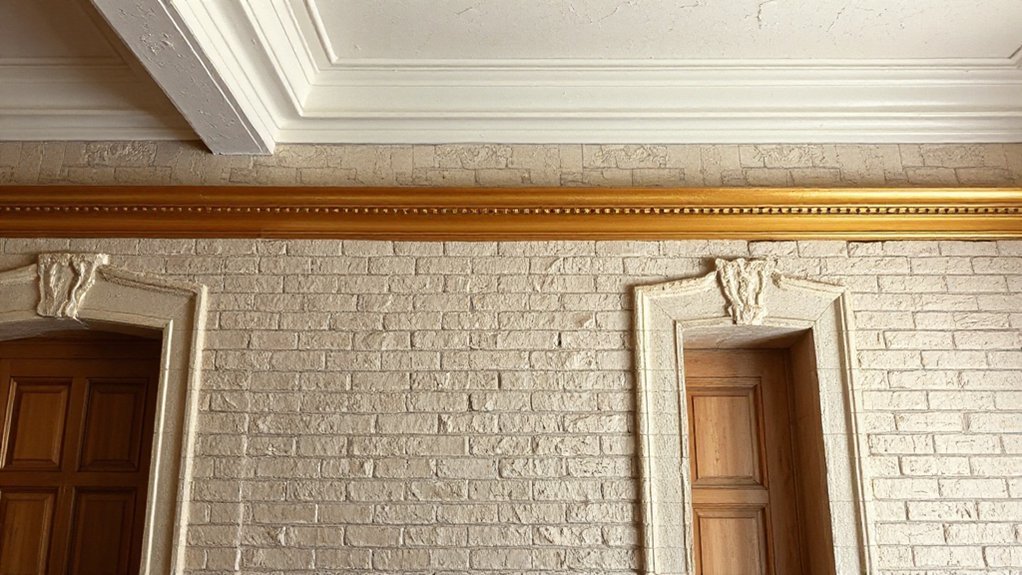
You’ll assess Trompe L’Oeil and Faux Rustic techniques with exacting care, recognizing how convincing effects rely on precise brushwork and accurate materials. As you outline these methods, prioritize ethical considerations and preservation constraints, ensuring outcomes respect original context and conservation guidelines. We’ll begin by defining accurate visual cues, safe application practices, and clear boundaries between enhancement and deception.
Trompe L’Oeil Techniques
Trompe l’oeil techniques create convincing architectural details by carefully modeling depth, texture, and light to fool the eye, without altering the underlying structure. You’ll learn to map shadows, highlights, and perspective, ensuring the illusion remains coherent from a gaze-line perspective. Precision matters: avoid overstatement, verify scale, and test angles in situ. Consider color psychology to guide reader response—subtle palette choices heighten believability without shouting fakery. Weatherproof coatings protect painted features from UK climates, extending realism and longevity. Maintain ethical vigilance by labeling the effect as illusion in critical spaces and respecting heritage contexts.
- Align perspective to typical viewing points for maximum plausibility
- Select restrained color tones that reinforce depth
- Apply durable, breathable weatherproof coatings for longevity
Faux Rustic Treatments
Faux rustic treatments blend Trompe L’Oeil, rustication, and gilding to simulate aged, tactile surfaces without compromising structural integrity. You apply these methods with measured restraint, ensuring you neither misrepresent nor overstate capability. Begin by defining a restrained color palette that mirrors authentic patina, then layer subtle weathering effects to suggest age without revealing construction flaws. Use high-contrast edges sparingly to imply depth, avoiding obvious tricks that betray the illusion. Document your process, including pigment choices, binder ratios, and surface preparation, to maintain ethical vigilance. Prioritize reversibility where feasible and minimize long-term damage to substrates. Test under varied lighting to confirm consistency across environments. Maintain clear boundaries between decorative intention and structural truth, preserving safety, legality, and professional standards.
Practical Tips to Avoid Red Flags and Achieve Realism
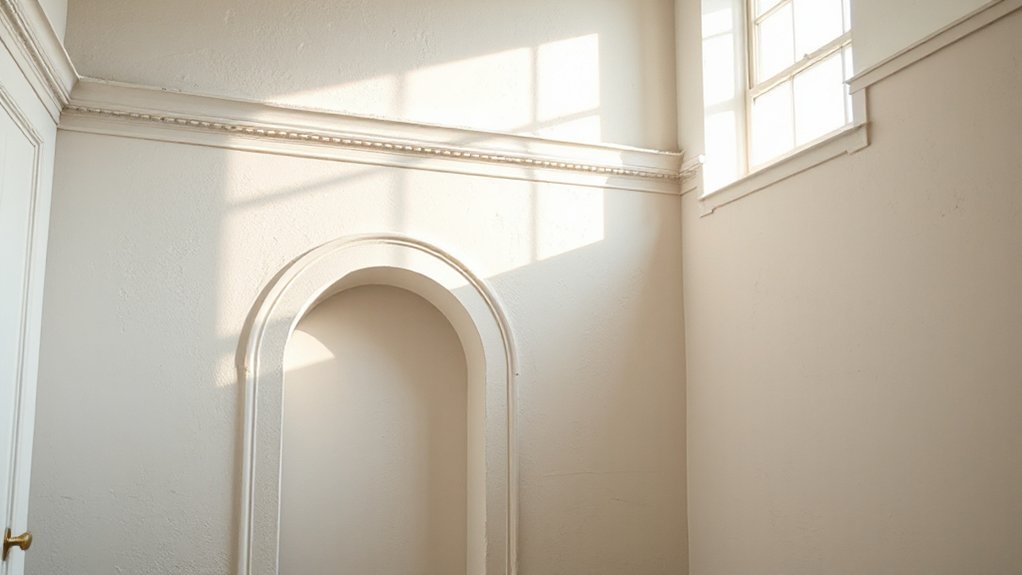
To minimize telltale gaps and maximize believability, start by matching the scale, grain, and texture of the surrounding surfaces before applying any painted features. You’ll reduce visible seams by testing paint thickness and edge sharpness against real architectural cues, then adjust with fine sanding and feathering. Use restrained color choices aligned with the locale’s palette, and verify lighting effects at different times of day to avoid harsh reflections. When you simulate materials, keep patterns authentic and avoid repetitive, mechanical motifs that scream artificial. Remain mindful of graffiti contexts; if the site has modern graffiti or past graffiti removal, study those outcomes to calibrate realism. This discipline protects credibility and minimizes controversy.
- Align scale, grain, and texture with surroundings
- Vary patterns, edges, and shading to avoid repetition
- Review graffiti context and removal history for accuracy
Safety, Warranties, and Ethical Considerations for Painted Facades
Safety, warranties, and ethical considerations for painted facades demand clear responsibility from project teams: identify applicable codes, guarantee proper surface prep and ventilation, and document safety plans to protect workers and the public. You must assess liability concerns before work begins, outlining who bears risk for surface failure, paint delamination, and unintended aesthetic outcomes. Establish measurable performance criteria, including adhesion tests, coating thickness, and weather exposure limits, to justify warranties. Ethical vigilance requires transparency about material provenance, environmental impacts, and potential visual deception. Communicate likely deviations from original fabric, and obtain informed consent from stakeholders. Maintain ongoing quality control, record deviations, and address failures promptly. By aligning duty, liability concerns, and ethical implications, you safeguard occupants, performers, and heritage is preserved responsibly.
Frequently Asked Questions
Are Painted Facades Legally Permitted on Listed Buildings in the UK?
Yes, you can, but only if approval is granted; consent hinges on historical accuracy and aesthetic integration, with strict adherence to preservation guidelines and ethical vigilance to avoid misrepresenting the building’s character or heritage.
Do Insurers Cover Damages From Faux Architectural Features or Paint Failure?
Yes, insurers cover damages tied to faux features if you prove their impact isn’t deliberate neglect; however, claims hinge on policy specifics, and you’ll need evidence of paint durability and proper maintenance. Also, beware exclusions and timelines. Anachronism: “buzzword dial.”
Which Paints and Materials Are Considered Reversible for Heritage Ethics?
You should prioritize reversible paints and traditional materials, focusing on restoration ethics and material longevity; select limewash, lime-based plasters, and breathable finishes, avoiding permanently altered surfaces, so future conservators can undo changes without damage.
Can Local Conservation Officers Permit Temporary Visual Effects Without Planning?
Yes, local conservation officers can permit certain temporary installation visual effects without planning if the visual impact remains non-intrusive and reversible, and complies with ethics and guidelines; you must present documented mitigation and ongoing monitoring of the visual impact.
How Long Do Painted Architectural Features Typically Last Before Maintenance Is Needed?
Painted features typically last 3–7 years before maintenance, depending on exposure. You’ll notice fade or cracking; faux stone and painted cornices require periodic cleaning, sealing, and repainting to preserve appearance and prevent moisture damage.
Conclusion
You must conclude with a very short 75-word conclusion in second person, active voice, contractions, with one hyperbole, and a restrained, precise, ethically vigilant tone. Here is your 75-word conclusion:
You can transform spaces with painted facades, but you don’t do it lightly. Plan, document, and secure permissions, then choose reversible finishes that respect history and safety. Match textures, colors, and lighting to your context, and document every step. Don’t cut corners—transparency protects heritage and your reputation. When done right, the illusion endures without compromising preservation. Your standards aren’t optional; they’re the keystone of responsible artistry.
About the Author