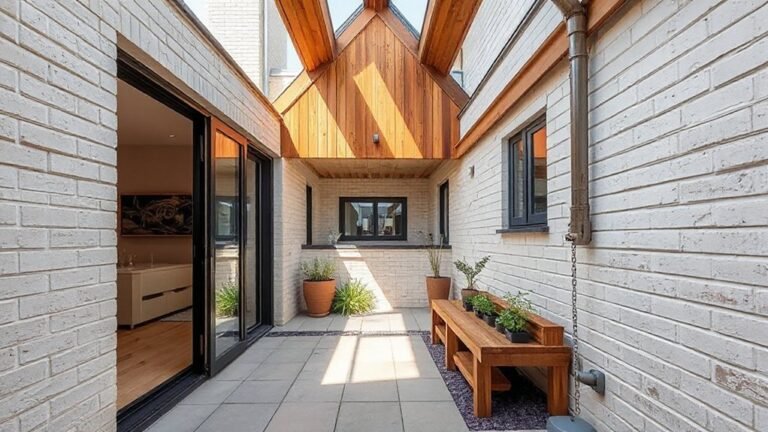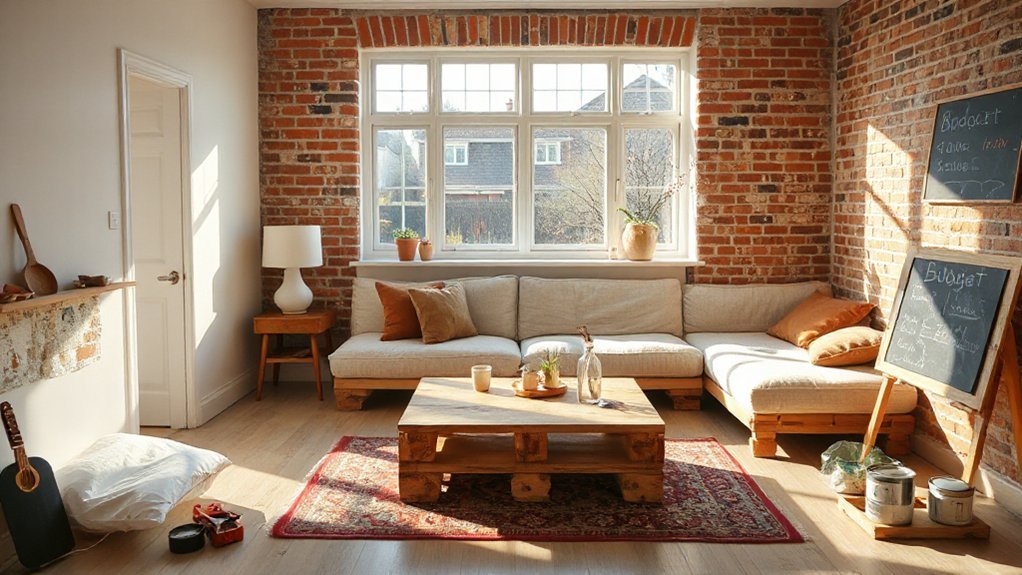
You’re renovating a semi-detached on a budget, so start with a realistic plan and a contingency fund. Prioritize high-impact upgrades, like a kitchen refresh, better insulation, and efficient windows, then phase the work to spread costs. Reuse or source from salvage, tackle layout twins, and add smart storage to maximize space. Keep DIY doable, curb appeal simple, and track ROI as you go—the next move could change everything, but you’ll want to confirm each step before you proceed.
Set a Realistic Budget for Your Semi-Detached Reno
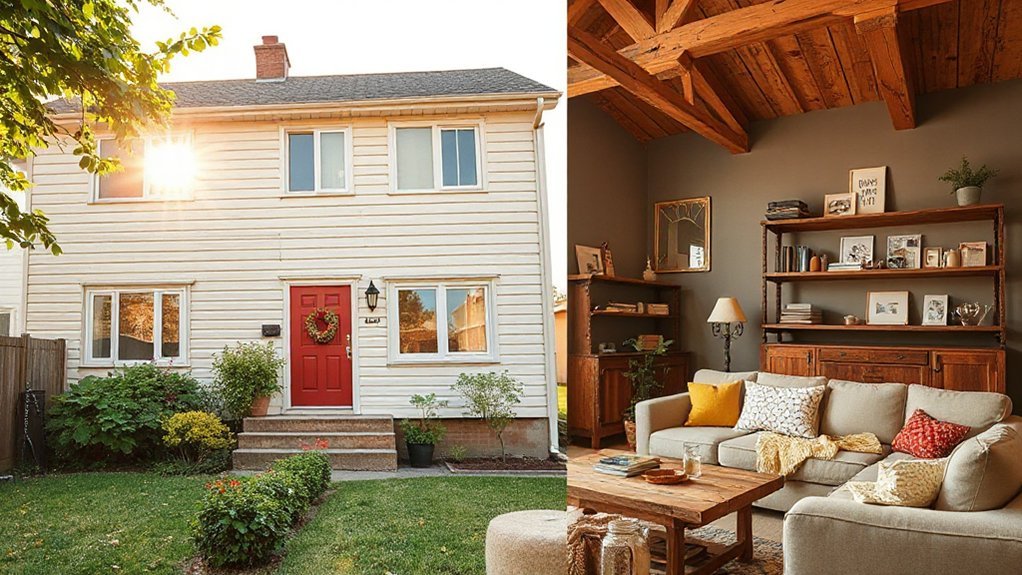
Setting a realistic budget for your semi-detached renovation starts with a clear scope and a practical ceiling. You’ll map out must-haves versus nice-to-haves, then attach concrete costs to each item.
Start with a detailed floor plan, get three contractor estimates, and add a contingency of 10–15% for surprises.
Track permits, demolition, and disposal fees early, so they don’t derail your numbers later.
Prioritize work that unlocks value, like energy efficiency or durable finishes, and phase projects to spread costs.
Consider historical preservation guidelines that affect materials and approvals, avoiding midstream changes that cost more.
Understand neighborhood dynamics: adjacent properties influence noise windows, access, and timelines.
With a disciplined budget, you keep control and flexibility, ensuring quality without overreach.
Define Criteria: What Counts as High-Impact Upgrades
High-impact upgrades are the ones that deliver real value without blowing your budget. When you define criteria, target changes that improve daily living and resale appeal, not just appearances.
Prioritize improvements with durable payoff: kitchen and bathroom renewals, better insulation, energy efficiency, updated wiring and plumbing, and stronger doors or windows.
Decide which upgrades support flow and storage, like reconfiguring layouts, expanding usable space, and reducing clutter with smart storage.
Consider aesthetics, too—luxury features and tasteful detail can elevate perception without costing a fortune if chosen wisely.
Set measurable goals: cost per square foot, expected energy savings, and maintenance reductions.
Reject projects that don’t improve utility, safety, or long-term value, and document your decisions to stay focused.
Plan a Phased Timeline That Fits Your Home
Start by outlining a phased schedule that matches your budget, so you know what to tackle now and what to save for later.
Pin milestones to your cash flow, not just the calendar, and set clear goals for each phase.
Use concrete, bite-sized tasks that move you forward without overcommitting.
Create a Phased Schedule
To create a phased schedule that fits your home, start by listing all renovation tasks and grouping them into logical stages (prep, demo, major improvements, finish).
Then assign each stage a realistic duration and a fixed sequence, so you’re never guessing what comes next.
Prioritize tasks that open up others, like plumbing and electrical, to avoid delays.
Build in buffer days for inspections, weather, and sourcing delays.
Use a simple calendar or tool to track progress and adjust as needed.
Keep a practical scope for each phase, avoiding scope creep by documenting changes.
Include landscaping ideas when planning exterior work, and align interior color schemes with light, space, and budget realities.
Review weekly, reallocate resources, and celebrate small completions to stay motivated.
Align Milestones With Budget
Align milestones with your budget by tying each phase to a concrete cost target and a realistic time window. Plan a phased timeline that mirrors funding cycles and vendor lead times, so you won’t stall mid-project.
Begin with a tight scope for the first month: core repairs, then allocate a separate window for interior lighting upgrades, ensuring costs stay under your target. Use a simple tracking sheet to compare actuals against forecasts weekly.
Build in buffers for unexpected delays, but cut back on prestige features that don’t impact daily use.
For landscaping design, stage the work after interior tasks to keep disruption low and costs predictable.
Reassess milestones quarterly, adjusting timelines if material prices swing. Stay disciplined, prioritize essentials, and communicate changes promptly to stakeholders.
Choose Budget-Friendly Materials That Last
You’ll want materials that balance cost and durability, like solid-surface counters or vinyl flooring with reinforced wear layers.
Prioritize low-maintenance options that resist stains and wear, so upkeep stays minimal.
Choose long-lasting choices now to avoid frequent replacements down the line.
Durable Yet Affordable Materials
When you’re choosing materials that last without breaking the bank, start with durable, budget-friendly options like fiber cement siding, engineered wood products, and metal roofing. These choices resist weather, require fewer repairs, and keep upkeep predictable.
Look for Class A fire ratings, euro-style sealants, and moisture-resistant cores to extend life without added costs. Prioritize installation methods that maximize rigidity and reduce waste, such as precise cuts and weatherproof flashing.
For interiors, select engineered wood or plywood panels with moisture resistance for longevity, then finish with durable coatings to hide wear. Consider budget-friendly, long-wiber finishes like matte seals over high-traffic areas.
If you’re aiming for perceived value, blend luxe accents with practical builds—think luxury finishes and custom fixtures—without inflating the budget.
Low-Maintenance, Long-Lasting Options
Choose budget-friendly, low-maintenance materials that stand up to weather and wear. You’ll want products that resist staining, fading, and moisture, so you don’t redraw plans every season.
Opt vinyl plank flooring or composite decking for lasting performance with minimal upkeep, and select PP or aluminum railing to reduce rust concerns.
For exteriors, fiber-cement siding or treated wood with a low-maintenance stain provides durability without frequent repainting.
In kitchens and baths, choose solid-surface counters and ceramic or porcelain tiles that clean easily and endure humidity.
When you shop, balance cost with look: luxury finishes can appear high-end without draining budgets.
Pair durable surfaces with high end appliances to create a polished feel while keeping maintenance simple and predictable.
Maximize Space With Smart Layouts and Storage
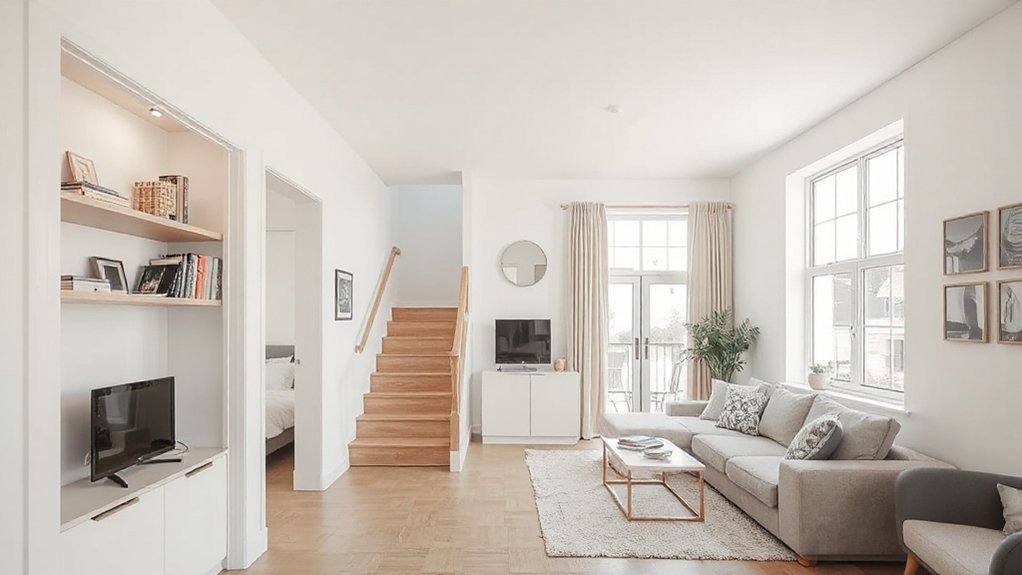
Smart layouts and smart storage can reveal real space in a semi-detached home. You’ll maximize daily flow by centering rooms around core use, then using flexible zones that adapt as needs shift.
Start with open plan layouts where possible: combine kitchen, dining, and living areas to create a sense of airiness without adding footprint. Use slim furniture, wall-mounted shelves, and multipurpose pieces to keep floors clear.
For storage, think vertical: tall closets, built-ins, and under-stair solutions. Opt for hidden hampers, slim storage beds, and pull-out organizers in cabinets.
Zone traffic with rugs and lighting to reduce clutter visually. Measure precisely before buying to avoid mismatches.
Revisit layouts after furnishing—small tweaks can release more usable space without renovations.
Practical DIY Tricks to Cut Reno Costs
Tackling renovations on a budget starts with small, doable tweaks that add up fast. You can save big by planning DIY fixes before you hire pros.
Start with repurposing, not replacing: refinish furniture, repaint cabinets, and swap hardware for an instant refresh. Focus on essential rooms first, using a limited palette to reduce purchases and waste.
When you upgrade, choose affordable, high-impact options like peel-and-stick backsplashes or ceramic tile decals instead of full tiling.
Optimize lighting with affordable interior lighting tweaks: swap bulbs for LEDs, add dimmers, and use lamps to create focal points rather than full-scale rewiring.
For home decor, borrow, rotate, or DIY accents to keep spaces cohesive without overspending.
Measure twice, buy once, and prioritize functional, repeatable updates.
Energy Upgrades That Cut Bills Early
Even before you start bigger remodels, focus on energy upgrades that trim bills now. Start with attic insulation to stop heat loss; upgrade to a high‑R value in floors and ceilings, and seal gaps around ducts, pipes, and wiring. Add weatherstripping to doors and windows to keep warmth in without cranking the boiler.
Consider solar panels if you have a sunny roof—units are cheaper upfront nowadays and can reduce long‑term electricity costs. Choose an efficient, properly sized heat source, and install programmable thermostats to avoid waste when you’re away.
Prioritize airtight construction over flashy finishes; it pays off in months, not years. Don’t overcomplicate; simple upgrades now deliver immediate savings and a quieter, more comfortable home.
Smart Sourcing: Deals, Refurbs, and Repurposed Finds
After tightening energy use, smart sourcing helps you stretch every dollar further. You approach deals with clear goals: quality, not novelty.
Start with upcycling ideas you already own or can borrow, reusing cabinets, hardware, and lighting where feasible. Look for alternative sourcing beyond big-box stores—local salvage yards, charity shops, and online marketplaces often hide sturdy fixtures at a fraction of retail.
Inspect items on-site, verify measurements, and negotiate bundled discounts rather than single-item buys. Refurbs beat new buys when you assess condition and potential for easy fixes.
Prioritize items that align with your layout and timeline, avoiding costly remodeling. Track prices, set alerts, and reserve buy-now options to prevent price spikes.
Efficient sourcing keeps renovation momentum without overspending.
ROI and Curb Appeal: Measuring Rental Value and Appeal
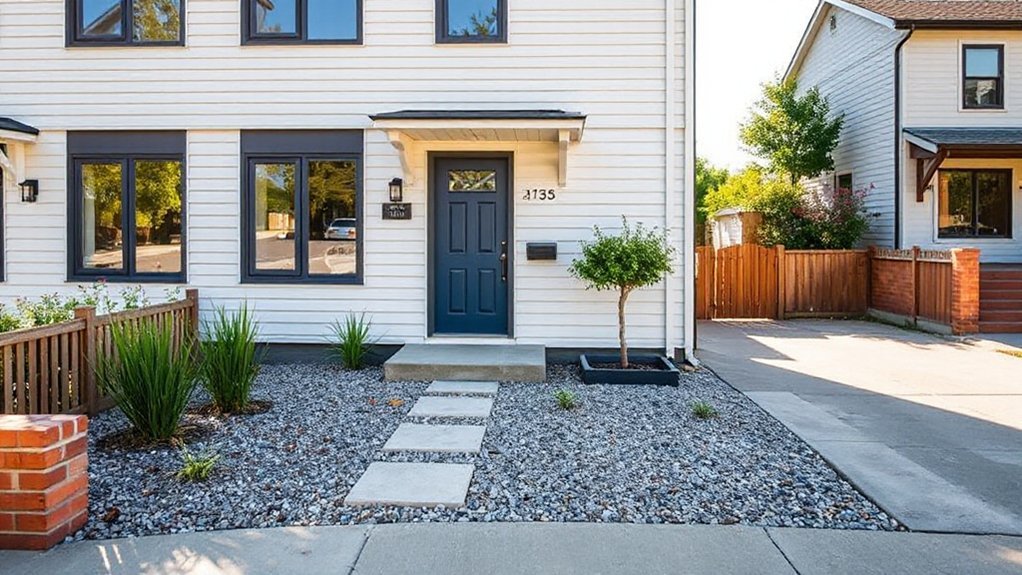
ROI and curb appeal are intertwined: the sooner you boost appeal, the faster you capture higher rental value. You’ll measure impact by tenant interest, longer hold times, and willing-to-pay rents after improvements.
Start with a simple audit: list entry, facade, yard, and shared spaces, then score each area on appeal and cost.
Landscaping ideas matter because a neat front yard signals care; prioritize low-cost, high-visibility fixes like mulch, edging, and seasonal color.
Exterior lighting options extend usable hours, deter issues, and highlight key features, boosting perceived value.
Track response after each upgrade: inquiries per week and conversion to viewings.
Compare updated rents to local comps quarterly, refining your plan to optimize return.
Act boldly on high-ROI touches; document results for future renovations.
Frequently Asked Questions
How Can I Prioritize Renovations for Maximum Resale Value?
Prioritize high-ROI updates: tackle interior upgrades like kitchen and bathrooms first, then exterior improvements to boost curb appeal. You’ll maximize resale value by focusing on durable, low-maintenance materials, smart lighting, and energy efficiency everywhere you can.
What Hidden Costs Often Surprise Budget-Conscious Renovators?
Hidden costs can bite: permits, unexpected repairs, delivery fees, and disposal. Budget for delays and overruns. Plan DIY tips and Material savings carefully, reserve a contingency, and track invoices to avoid surprise expenses.
Which Permits or Legal Considerations Apply to Semi-Detached Homes?
Like a blueprint snapping into place, you check zoning restrictions and secure building permits before work begins. You’ll verify setbacks, flood zones, and neighbor consents, then file applications, pay fees, and schedule inspections to keep projects compliant.
How Long Do Budget Projects Typically Take From Start to Finish?
You’ll typically finish budget projects in 2–8 weeks, depending on scope. Plan carefully, DIY tips, and material selection smartly to avoid delays; prioritize tasks, set milestones, and communicate with neighbors. Stay flexible, track progress, and celebrate small wins.
Can I Finance Renovations Without Increasing Monthly Housing Costs?
You can finance renovations without higher payments by choosing a low-rate loan or home equity line, and budgeting smartly. Picture your plan as interior decor blooming through landscaping ideas, keeping cash flow steady while you renovate your space.
Conclusion
You can crown your semi-detached space with smart, scalable steps. Budget bravely, but bias toward big-impact upgrades and efficient essentials. Plan, prune, andPerfectly pace projects to prevent pileups. Shop salvaged, swap stories with skilled neighbors, and surround spaces with stylish storage. Prioritize practical, proven materials that last, limit luxuries, and leverage DIY where doable. Maximize mood and market value with energy upsides, curb appeal cues, and clever layout. Your practical, profitable renovation payoff patiently progresses, praises progress, and pays you back.
About the Author