
Did you know energy-efficient homes in London rent up to 20% faster than average properties? You’ll win tenants by boosting EPC ratings, insulation, and smart thermostats, cutting utility costs and improving comfort. Smart security, flexible layouts, and durable finishes add perceived value with minimal disruption. Start with targeted upgrades that offer clear ROI, then plan for maintenance-friendly, scalable changes that support longer tenancies—while keeping the project low-key enough to avoid tenant pushback. Ready to map your next move.
What London Renters Value: Energy Efficiency and Comfort
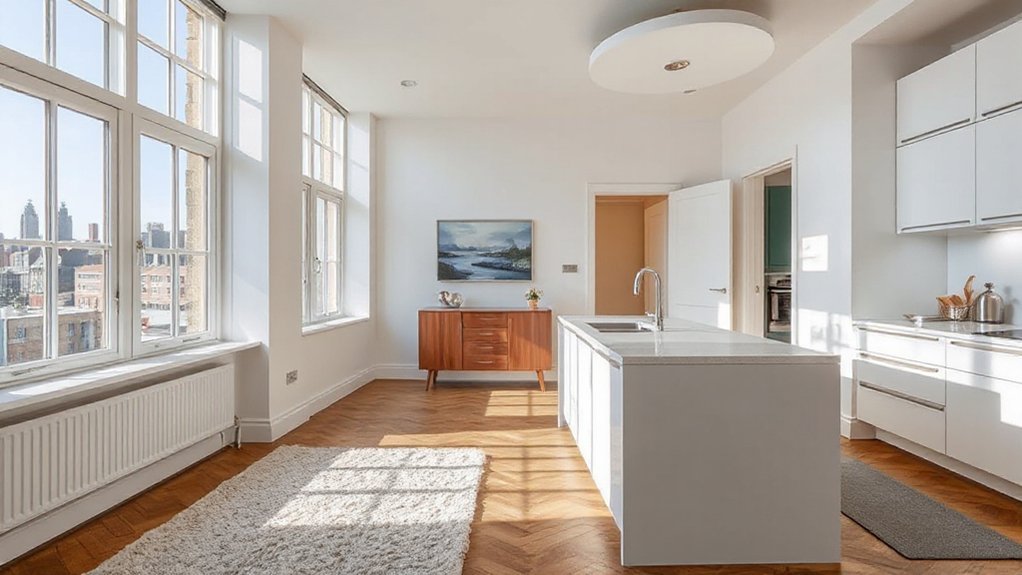
Energy efficiency and comfort top renters’ lists in London. You’ll notice that renters prioritize energy performance, reliable heating, and quiet interiors, backed by demand data showing lower utility costs and higher satisfaction.
You should assess EPC ratings, insulation, and draft-proofing as high-impact, cost-effective upgrades. Consistent climate control appeals to tenants seeking steady comfort across seasons, while smart zoning helps manage bills without complexity.
In addition, renters value historical preservation and neighborhood amenities, which shape acceptable renovations that balance modern comfort with cultural context. Align upgrades with on-site features and local character to attract longer tenancies.
Strategic improvements that respect historic fabric and nearby shops, transit, and green spaces drive appeal without compromising authenticity or budget. Focus on measurable results and tenant experience.
Smart Tech to Boost Appeal and Tenancy Ease in London
Smart tech is the next lever to boost appeal and tenancy ease in London. You’ll see higher demand when properties integrate smart security features, improving perceived safety and lowering landlord risk with remote monitoring and alerts.
Automated lighting reduces energy waste and delivers consistent ambiance, supporting longer tenancies and lower utility complaints.
Data shows tenants value ease of use and reliability; you should prioritize intuitive interfaces, robust connectivity, and seamless app control.
Pair smart security with controlled access to reinforce trust and streamline check-ins.
Invest in reliable devices with clear update paths and local support to minimize maintenance.
Measure impact through vacancy duration, time-to-rent, and tenant satisfaction surveys to refine tech deployments for maximum occupancy and retention.
Flexible Layouts for Compact London Flats
Flexible layouts can open more rental cadence in compact London flats, letting you reclaim hallway space for usable rooms and multi-purpose areas that tenants actually use. In practice, you’ll gain square footage efficiency by prioritizing adaptable zones over fixed walls, increasing usable floor area without expanding footprint.
Data shows demand peaks when living spaces flex between work, dining, and relaxation, supporting higher rents and shorter vacancy. Implement convertible furniture and modular partitions to reconfigure layouts by time of day or tenant need, minimizing disruption and maximizing turnover potential.
Strategically, allocate zones for daylight access, storage, and flow, then measure utilization to refine setups. This approach stabilizes occupancy rates, enhances perceived value, and aligns with compact-city preferences.
Convertible furniture and modular partitions are essential enablers of this efficiency.
Affordable Upgrades With Clear ROI for London Rentals
Affordable upgrades pay off fast for London rentals: targeted improvements with proven ROI can lift rentability and shorten vacancy without breaking the bank. You should prioritize cost-effective, performance-driven changes rather than broad overhauls.
Data indicates that upgrading finishes and fixtures yields higher perceived value and rental yields without pricing out tenants. Focus on durable, easy-to-clean surfaces, efficient lighting, and smart thermostats to lower operating costs and appeal to energy-conscious renters.
Incorporate luxury fixtures where it matters most—kitchens and bathrooms—to signal quality without a full remodel. Pair these with high-end decor accents in common areas to boost first impressions and allow higher rents per square foot.
Track leads, vacancy durations, and renewal rates to validate ROI over the first 12 months.
Scheduling Upgrades in London With Minimal Tenant Disruption
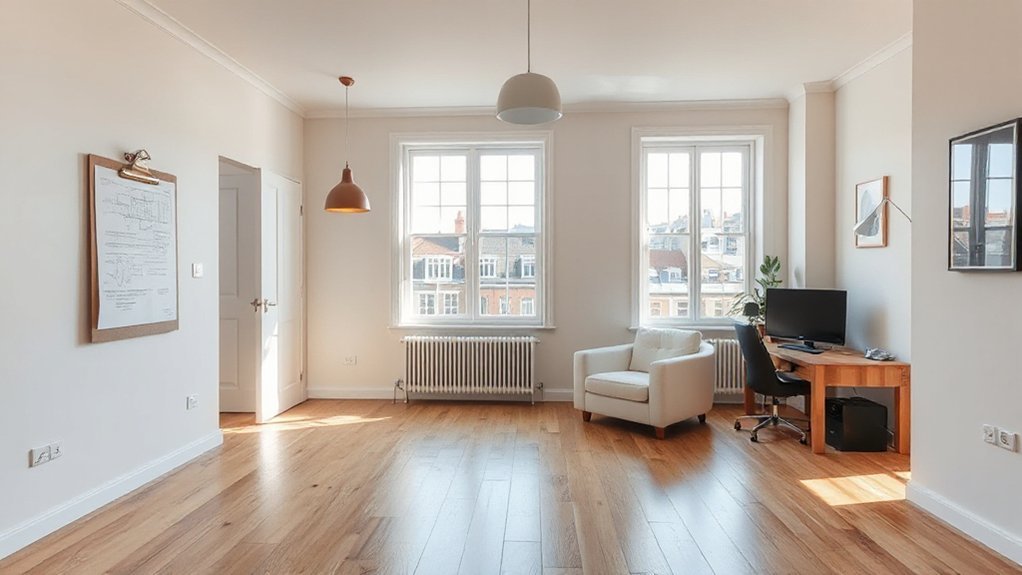
To minimize tenant disruption while upgrading London rentals, map a staged schedule that targets high-impact improvements first and sequences trades to avoid overlap. You’ll prioritize renovations with the strongest ROI per day of occupation—lighting, finishes, and kitchen updates—so tenant turnover remains low.
Use renovation timing to align contractor availability with off-peak occupancy windows and minimize access requests during sensitive periods. Implement a tenant screening-informed communication plan that sets expectations, timelines, and access hours before work begins.
Track daily progress against a milestone dashboard to adjust sequencing and prevent bottlenecks. Schedule utilities and trades in non-overlapping blocks, and consolidate approvals to speed approvals without compromising safety.
This approach sustains cash flow, reduces vacancy risk, and enhances perceived value for both current and prospective tenants.
Frequently Asked Questions
How Do Renovations Affect London Rental Insurance Requirements?
Renovations can raise insurance premiums as safety updates trigger higher coverage needs; you’ll likely see adjustments once you disclose improved risk. Track renovation costs and compare quotes, then choose policies with transparent, data-driven terms to optimize Insurance premiums.
What Permits Are Typically Needed for Common Upgrades in London Flats?
You’ll typically need Renovation permits and guarantee compliance with Building regulations for common upgrades in London flats, such as reconfiguring layouts or adding bathrooms. Data-driven planning minimizes delays, aligns budgets, and reduces compliance risks during project execution.
Which Neighborhoods Yield the Best ROI for Renovations in London?
You’ll find inner-city zones like Islington and parts of Camden offer strong ROI, with high rents matching property valuation rises; focus on efficient layouts. Track renovation costs versus projected rent uplift to maximize net gains per square meter.
How Long Does a Typical Tenant-Ready Renovation Take in London?
A typical tenant-ready renovation takes about 4–8 weeks, depending on scope. You’ll optimize timelines with disciplined Renovation budgeting and track tenant satisfaction as you progress, adjusting milestones. You’ll prioritize quick wins to minimize vacancy and maximize return.
Do Landlords With Bigger Upgrades See Higher Tenancy Turnover in London?
Do bigger upgrades reduce tenancy turnover in London? Not necessarily; you see mixed results. However, incorporating luxury amenities and modern appliances shifts demand, correlating with longer tenancies when perceived value outweighs cost, improving occupancy stability and rental yields.
Conclusion
In short, you’re building a smarter, cozier rental that keeps tenants loyal and rents steady. Think energy efficiency as the backbone, with smart tech softening the edges of unpredictability. Like a well-tuned orchestra, flexible layouts, durable finishes, and seamless upgrades create a composition tenants can’t ignore. The data backs it: higher EPCs, lower utility costs, and longer tenancies. You’re not just renovating; you’re curating reliability, comfort, and value that echo through every lease.
About the Author