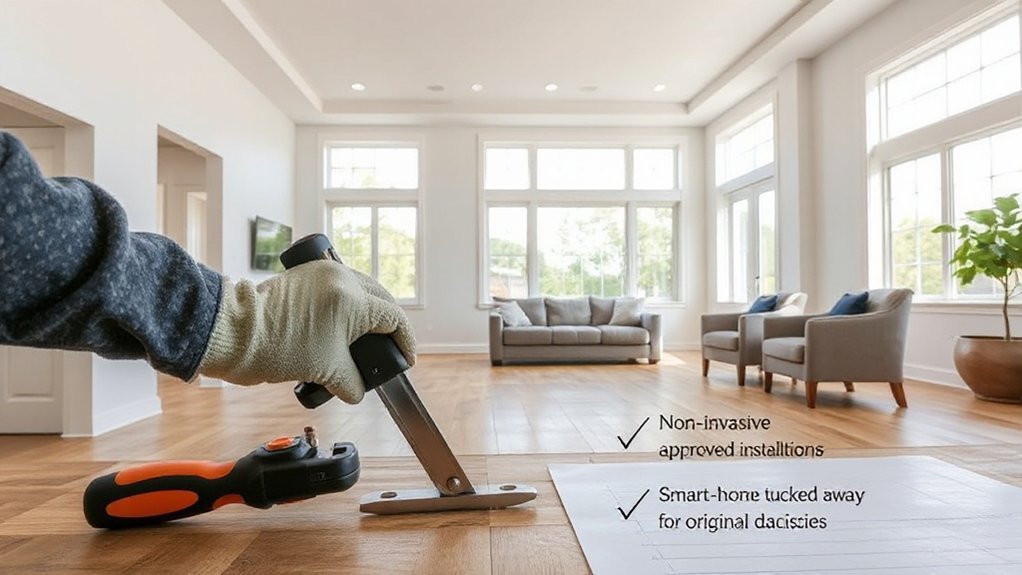
Coincidences happen when you notice a simple upgrade that doesn’t trip warranty rules, because a careful plan can protect coverage from the start. You’ll want to review your warranty documents, get written builder approval, and stick to non-invasive changes that don’t affect structure or drainage. Avoid DIYs on critical systems, use manufacturer-recommended products, and document every step, so you’re prepared if questions arise about coverage—and you’ll know exactly when to call a pro for the safest results.
Which Upgrades Are Covered by a New-Home Warranty
Most upgrades aren’t covered by a new-home warranty. You’ll want clarity before committing to any change, so start with the scope described in your contract.
Typically, warranties protect major systems and structural components that fail due to construction flaws, not cosmetic improvements. Landscaping enhancements and interior decorating generally fall outside coverage, unless they directly affect the home’s safety or functionality and the builder approves them in writing.
If a concern arises, document evidence showing where the defect originates and how it relates to installed products or workmanship. When in doubt, consult the warranty administrator or builder’s representative for a written determination.
Stay proactive, organize records, and pursue compliant upgrades that align with your warranty’s precise language and timelines.
How to Get Warranty Approvals Quickly
To get warranty approvals quickly, start with a clear, written request that maps your issue to the warranty’s covered scope and the specific installed products involved.
You want a concise description, dates, model numbers, and supporting photos or documents.
Present the failure, impacts, and your desired outcome in concrete terms, avoiding emotion.
Reference the exact warranty clause and any applicable time limits, and propose a reasonable path to resolution.
Keep communication professional and factual, confirming receipt and next steps.
Prioritize cost effective options, and document responses to prevent back-and-forth delays.
Be aware of DIY pitfalls and rely on manufacturer guidance when possible.
Follow up promptly if deadlines loom, and maintain a tidy paper trail to support quick approvals.
Safe DIY Upgrades That Won’t Void Your Warranty
Smart DIY upgrades can add value without voiding your warranty, but you must stay within the limits your program allows. You’ll focus on safe, noninvasive changes that respect manufacturer guidelines and your community standards.
Before you begin, review your warranty documentation to identify prohibited actions and required procedures.
For landscaping projects, choose native species and temporary alterations that don’t involve structural modification or drainage changes.
Keep irrigation systems to manufacturer-recommended components and avoid high-impact installations.
Regarding aesthetics, pick neutral paint color choices that won’t cover critical labels or safety notices, and follow surface preparation guidelines.
Document every step, obtain any necessary approvals, and revert changes if a rule is broken.
With careful planning, you preserve coverage while enjoying a personalized, connected home.
Warranty-Safe Smart Tech and Energy Upgrades
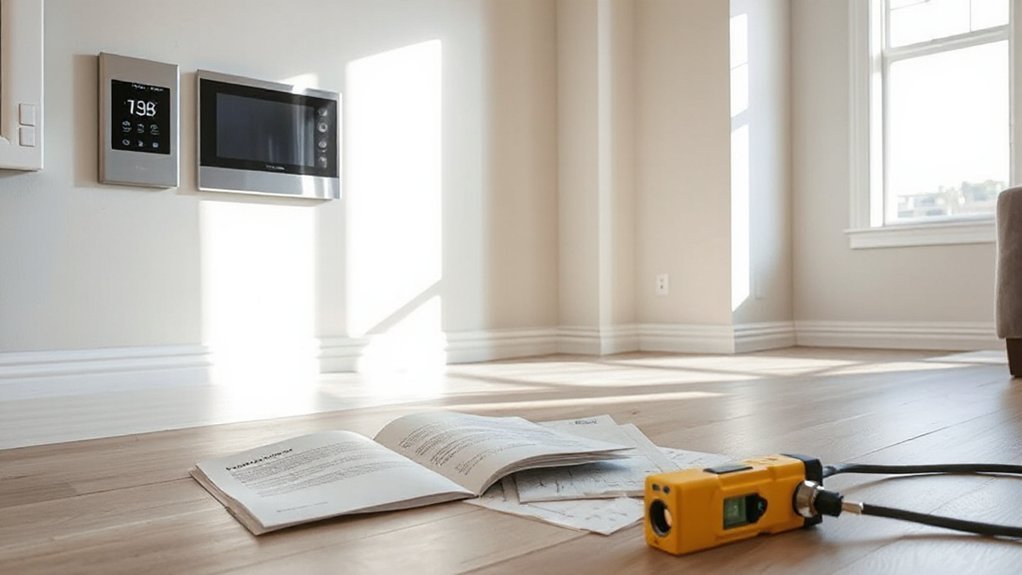
Smart, energy-efficient upgrades can boost comfort and reduce costs without triggering warranty exclusions, provided you stay within approved options and follow installer guidelines. You’ll prioritize components that are explicitly listed as compatible with your home’s system and documented by the builder.
Select energy-efficient devices, sensors, and fixtures that carry reputable certifications, and verify that installation steps don’t alter critical load paths or void manufacturer protections.
When you pursue home automation, choose systems designed for integration with your existing wiring and safeguards, and keep records of approvals, warranties, and service visits.
Avoid unapproved modifications; opt for professional installation when required. This careful approach preserves warranty terms while enhancing energy efficiency and overall living experience.
Cosmetic Upgrades That Keep Your Warranty Intact
Cosmetic upgrades can enhance your home’s appearance without jeopardizing warranty terms, provided you stick to approved materials and methods. You’ll choose finish touches that align with warranty guidelines, avoiding DIY tweaks that modify structural or system components.
Focus on non-invasive changes you can control, such as color schemes that complement existing fixtures and lighting, while keeping documentation of approved products.
When selecting Flooring options, opt for surfaces that installers or manufacturers have pre-approved, and retain receipts and installation notes to demonstrate compliance.
Plan these upgrades with care to preserve resale value and coverage. Communicate your plans with the builder or warranty provider to confirm compatibility, ensuring your personal style remains while you remain within protected boundaries.
When to Call a Pro to Protect Coverage and Results
Knowing when to call a pro can protect your warranty and guarantee a solid result, especially if a task touches plumbing, electrical, framing, or any system that affects performance. You’ll want professional input when issues involve HVAC maintenance or structural integrity, where mistakes could void coverage or create safety risks.
If you’re unsure about codes, load calculations, or material compatibility, pause and consult. Scheduling a licensed technician for HVAC maintenance can prevent hidden failures that complicate claims later.
For plumbing inspections, avoid DIY fixes on pressure, leaks, or hidden lines that might compromise warranties. Document all advised repairs and replacements, keeping receipts and signed work orders.
Frequently Asked Questions
Do Warranties Cover Third-Party Installation by Homeowners?
Warranty coverage generally excludes third‑party DIY repairs by homeowners, so yes, DIY repairs can void parts of your warranty; check specific exclusions, follow manufacturer and installer requirements, and consult your builder to avoid unintended warranty loss and liability.
How Do You Document Upgrades for Warranty Records?
Coordinated coincidence shows you should keep thorough documentation. You document upgrades by maintaining inspection records and maintenance logs, dated, described, and backed with receipts; you review them regularly to guarantee warranty coverage and communal trust.
Can You Mix Brand-Name and Generic Parts Under Warranty?
Yes, you can mix brand-name and generic parts, but know brand compatibility varies and generic limitations exist; verify compatibility with your warranty terms, confirm acceptance in writing, and document sources to guarantee your inclusion in the homeowners’ community.
Are Energy-Efficient Upgrades Eligible for Warranty Waivers?
Yes, energy-efficient upgrades can affect warranties, but eligibility hinges on manufacturer guidelines and installer compliance. You’ll see energy savings and insulation improvements, yet you must document proper approvals to avoid voiding coverage and preserve belonging.
What Happens if an Upgrade Fails After a Warranty Expires?
If an upgrade fails after warranty expires, you’ll face DIY challenges and upgrade risks without warranty protection, so you should assess failure causes, document steps taken, and consider professional repair to maintain safety, reliability, and your sense of belonging.
Conclusion
Conclusion (75 words, second person, active voice, contractions, cautious and authoritative):
You’ve learned that wading through a new-build warranty isn’t just a checklist—it’s a cautious, rule-driven process. If a theory suggests you can freely upgrade without approvals, doubt it: most warranties prize written consent and non-invasive tweaks. Before you change anything, verify coverage, obtain written approvals, and use manufacturer-approved products. When in doubt, call a pro. Protect coverage, protect budget, and protect peace of mind by sticking to the approved path.
About the Author