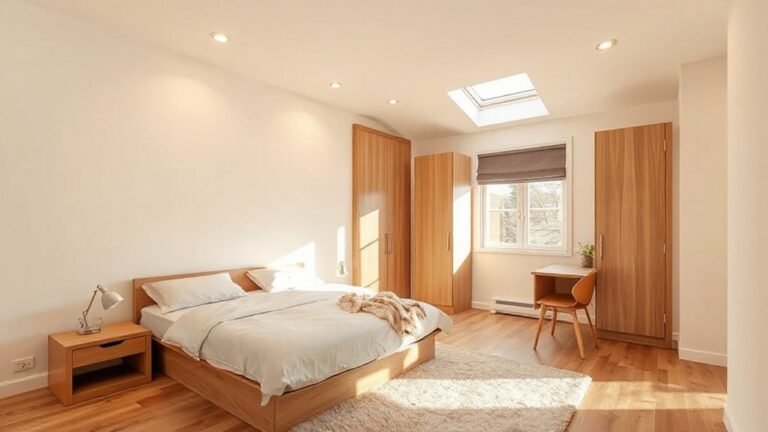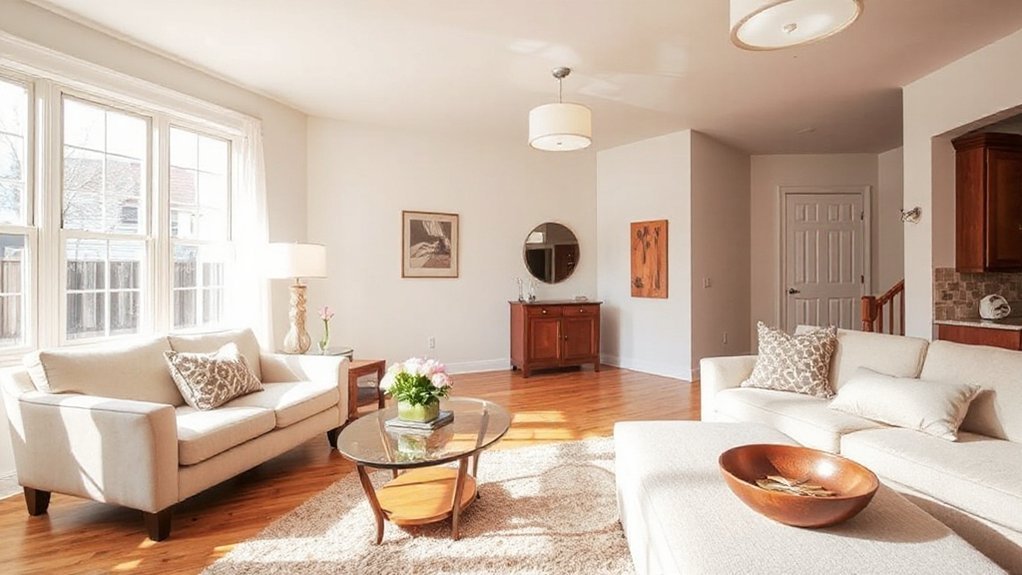
You may be in that situation where you need to list your home for a quick sale, but what is the way forward? Think of your home as a storefront with a clock on its door. You set clear price targets, tight timelines, and budget-friendly curb appeal to attract fast offers. You’ll declutter to enlarge spaces, stage for flow, and tackle essential repairs that reassure buyers. You’ll optimize layouts, boost curb appeal, and present strong online photos to drive interest—all with data-driven discipline. If you want quicker decisions and better bids, you’ll want to keep exploring these steps.
Set Your Quick-Sale Targets: Price, Timeline, and Curb Appeal Thresholds
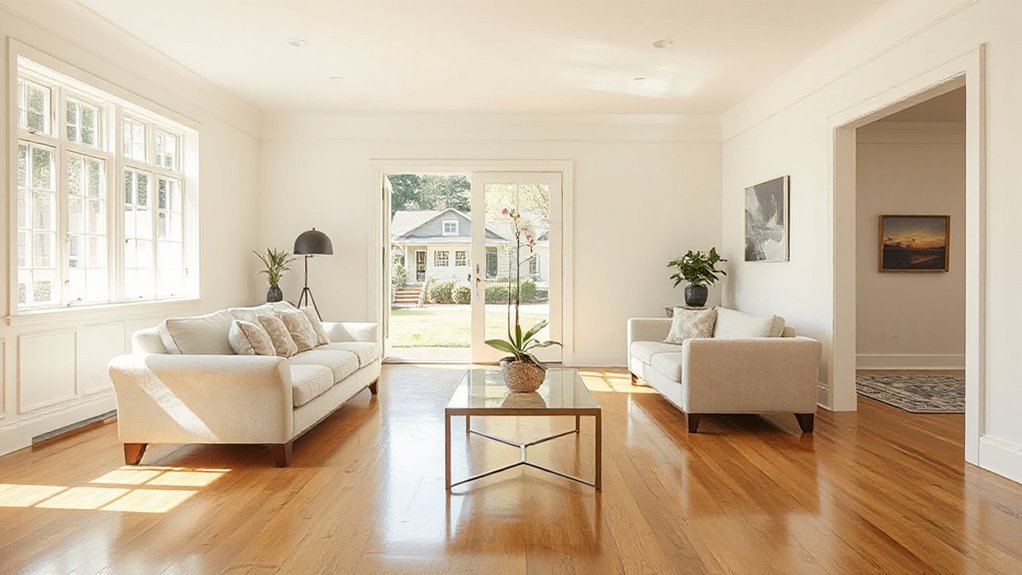
Setting clear quick-sale targets helps you move fast and maximize value. You’ll base these on sharp market analysis and your target audience, not guesswork.
Define a price range anchored in comps, recent absorption rates, and local turnover trends, then set a ceiling you won’t exceed.
Establish a realistic timeline with milestones: listing date, open-house windows, and a firm sale deadline that preserves urgency without pressuring buyers.
Tie curb appeal thresholds to buyer expectations observed in market analysis—fresh paint, landscaping, and staging level aligned with comparable homes.
Communicate targets to your agent and stick to them unless compelling data justifies revisiting.
Declutter and Stage to Make Spaces Look Bigger
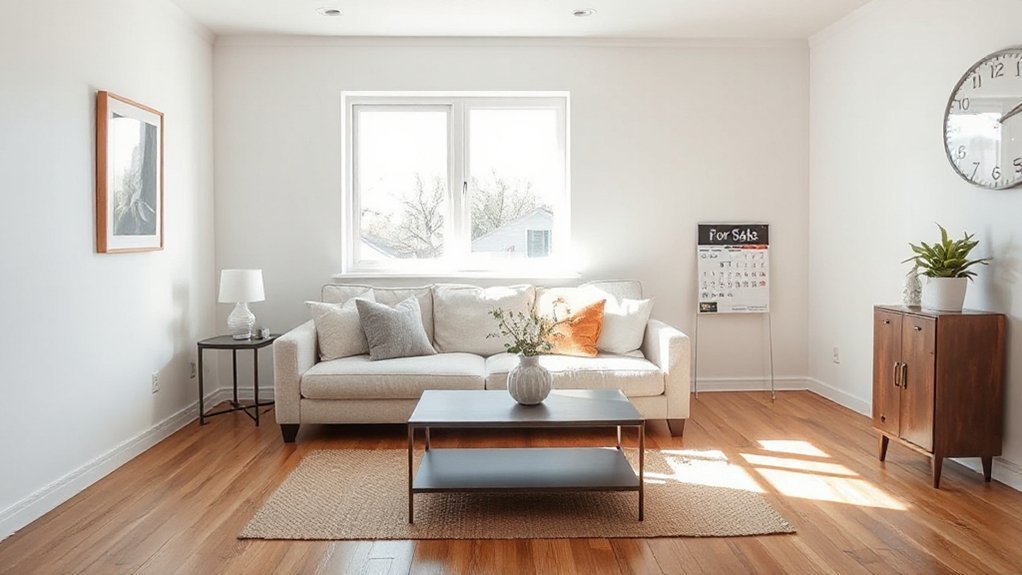
Decluttering and staging instantly makes spaces feel larger and more inviting, which in turn accelerates buyer interest. You’ll gain room perception by removing excess furniture and keeping surfaces clear, letting natural light breathe through each room.
Focus on functional layouts: arrange furniture with purposeful sightlines, creating open pathways that guide buyers toward key features. Use furniture arrangement that emphasizes scale, avoiding oversized pieces in small rooms to prevent crowding.
Choose color schemes that widen impressions—soft neutrals with restrained accent tones reflect light and read as bigger. Limit personal items to reduce distractions and help buyers imagine themselves living there.
A cohesive, simple palette paired with selective accents boosts perceived value and staging efficiency, supporting faster offers without major investments.
Prioritize Essential Repairs: Fix Cracks, Leaks, and Safety Hazards Fast
Cracks, leaks, and safety hazards aren’t minor annoyances—they erode buyer confidence and stall offers, so address them fast. Prioritize quick fixes that protect value and speed up closing. Begin with a targeted home inspection to identify non-obvious risks, then triage issues by cost and impact.
Address structural cracks, plumbing leaks, electrical hazards, and roofing vulnerabilities first, since these drive deal-break decisions. Obtain contractor estimates to compare options, timelines, and warranties, and document what you fix with receipts and photos for the buyer’s report.
Don’t delay cosmetic patches that don’t reassure buyers; you want verifiable improvements, not guesses. Completing essential repairs signals you’re meticulous and responsible, which elevates offers and reduces negotiation once the market shifts.
Create Buyer-Friendly Layouts: Flow, Zoning, and Clear Room Purposes
Reorganize your spaces to maximize flow and buyer clarity. Create intuitive paths through each room, guiding traffic from entry to key features without dead ends. Prioritize clear room purposes; empty-nest living areas should read as flexible spaces, while dining or workspace zones stay distinct.
Use zoning strategies to define uses with furniture placement, area rugs, and subtle lighting cues, helping buyers visualize daily life. Maintain consistent sightlines to reduce visual clutter and improve room flow, which correlates with higher perceived value in A/B studies of staged homes.
Declutter surfaces, hide tech cords, and choose a cohesive color palette to reinforce purpose. Clear, purposeful layouts shorten decision times, increasing offer momentum and buyer confidence.
Boost Curb Appeal on a Budget: Simple Exterior Upgrades That Pay Off
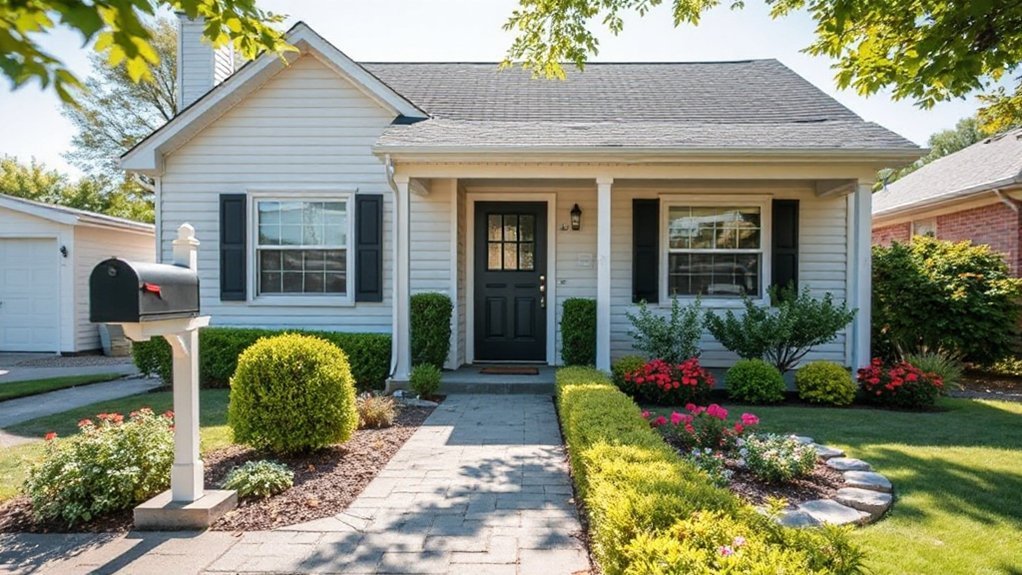
Boost curb appeal quickly by focusing on small, high-impact exterior upgrades that pay off in days, not weeks. You’ll see faster buyer interest when you target entry points, lawn edge crispness, and a tidy façade.
Start with clean siding, a freshly painted front door, and replacement house-number hardware; these tiny bets yield outsized impressions. Add affordable landscape design tweaks: mulching to reduce weed growth, defined planting beds, and a focal accent shrub near the entry to guide the eye.
Enhance outdoor lighting strategically to extend usable hours and highlight key features without overdoing it. Data shows one well-lit path and a bright porch correlate with higher curb appeal scores.
Keep maintenance tight, avoid overpricing, and measure impact with simple showing feedback.
Photograph for Fast Offers: Lighting, Angles, and Staging That Sell Online
Lighting and angles you use in online photos drive clicks and offers, so start by showcasing bright rooms and wide, flattering perspectives.
Use natural light, avoid harsh shadows, and shoot from eye level to help buyers feel present.
Pair these visuals with staged touches that feel authentic, and you’ll set expectations that lead to faster, higher-quality offers.
Lighting For Fotos
Ever wonder why some online home listings fly off the market while others linger? Lighting for fotos matters more than you think. You boost appeal by maximizing natural illumination during daytime shoots, framing rooms with windows to flood spaces in soft, even light.
When sun angles clash, counterbalance with subtle artificial lighting—neutral LEDs that render true colors. Avoid harsh shadows by using diffusers or bounce cards, and keep fixtures out of the frame to preserve a clean, welcoming look.
Choose a consistent color temperature (around 3500K) for all photos to prevent jarring contrasts between rooms. Test shots at key times, then retake if needed.
Clear, bright images shorten listing time and raise perceived value, helping buyers envision themselves there.
Angles That Sell Online
Angles set the stage for fast offers: the right perspective highlights flow, scale, and focal points so buyers instantly see value. You’ll shoot from eye level and slightly above to convey room dimensions, avoiding distortions that shrink spaces.
Use wide lenses only if you keep lines straight; otherwise, your photos feel cramped. In every shot, feature the heart of the home—kitchens, living areas, and primary baths—while minimizing clutter.
Include subtle details like a lit entryway and a tidy counter to imply daily ease. Emphasize home automation and energy efficiency with clean angles that showcase smart thermostats, lighting, and efficient appliances.
Pair images with concise captions, revealing practical benefits buyers crave, like lower operating costs and modern convenience, to accelerate online offers.
Price Smart for a Quick Offer: Market Savvy Positioning and Timing
To sell fast, price smart by anchoring your listing to current demand and recent comps, not nostalgia or wishful thinking. You’ll maximize buyer interest by aligning price with Market timing and using a precise pricing strategy grounded in data.
Review neighborhood recent sales, time on market, and pending activity to identify a sweet spot that attracts showings without undervaluing. Set a competitive list price, then back it with a well-timed marketing push, including limited-time incentives if needed to provoke rapid decisions.
Monitor daily feedback and adjust quickly if demand softens or stiffens. Avoid overpricing to prevent stale inventory; avoid underpricing to miss value.
Your aim is a quick offer, a clean negotiating path, and a strong opening that signals value.
Frequently Asked Questions
How Soon Can I Expect Offers After Improvements?
Offers typically come within days to a couple weeks after improvements, depending on market trends and renovation timelines. You’ll attract qualified buyers faster when you align upgrades with current market data and set realistic timelines. Consider professional pricing and marketing signals.
Which Rooms Should I Prioritize for Staging?
Focus on the living room and primary bedrooms first; they drive buyer impressions. Enhance curb appeal and feature kitchen upgrades to boost value, then stage baths for polish, aiming for data-backed appeal and faster offers.
What Budget Range Is Typical for Fast Sale Tweaks?
Within 30–60 days, you’ll typically invest 1–3% of your home’s value. Example: a $350K sale uses a pricing strategy and targeted marketing channels; data shows quicker bids when you allocate toward staging, photography, and online ads.
How Do I Set a Competitive Asking Price Quickly?
You should set a competitive asking price quickly by applying a sharp pricing strategy and a brisk market analysis, then adjust as data comes in. You’ll attract offers while anchoring decisions, maximizing momentum and perceived value.
Do I Need to Disclose Minor Repairs Upfront?
Honestly, yes: you should disclose minor repairs upfront to stay compliant and avoid later hassles. You’ll meet disclosure obligations and bolster trust with repair documentation, showing data-driven diligence that protects you and speeds the sale.
Conclusion
You’ll love how fast your home sells when you actually priced it like a pro and planned the timing down to the day. Ironically, the more you declutter and fix the essentials, the quicker buyers swarm in with offers. Keep the curb appeal tight, photos sharp, and layouts obvious, then watch competition melt away. Follow the data, not drama, and let the market do the talking—your quick sale is less luck, more leverage.
About the Author