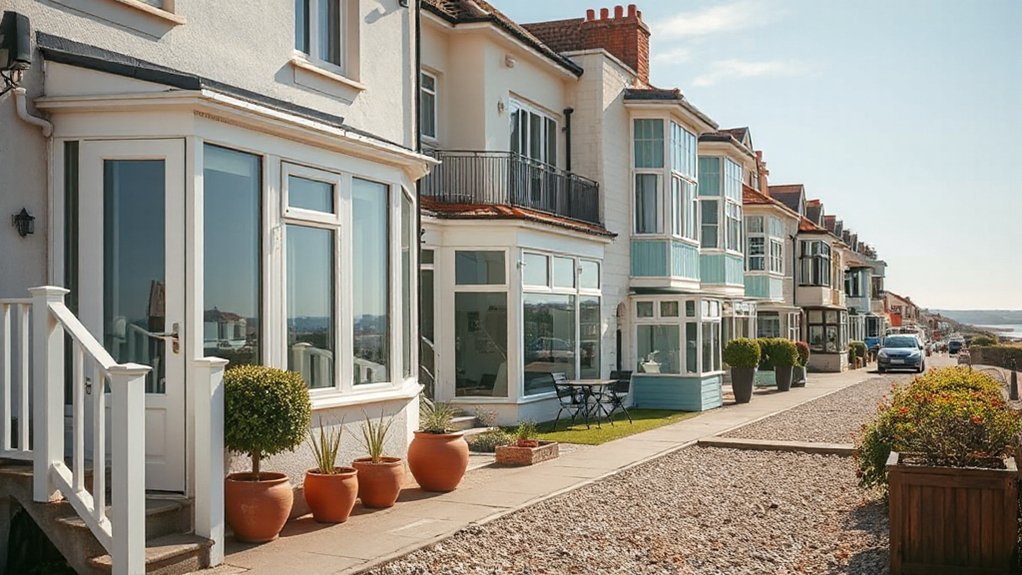
Coastal extensions demand you plan for salt air, wind, and tighter planning rules, so start by choosing weatherproof materials and smart detailing that survive the brine. You’ll want light-forward layouts that frame views and invite cross-breezes, with durable finishes in soft neutrals and brass accents for a Brighton vibe. Budget carefully and align zoning with a phased approach, then weigh eco-friendly options that balance resilience with seaside charm, and stay open to tweaks as you refine your coastal plan.
Coastal Constraints: What Makes Extensions Tougher
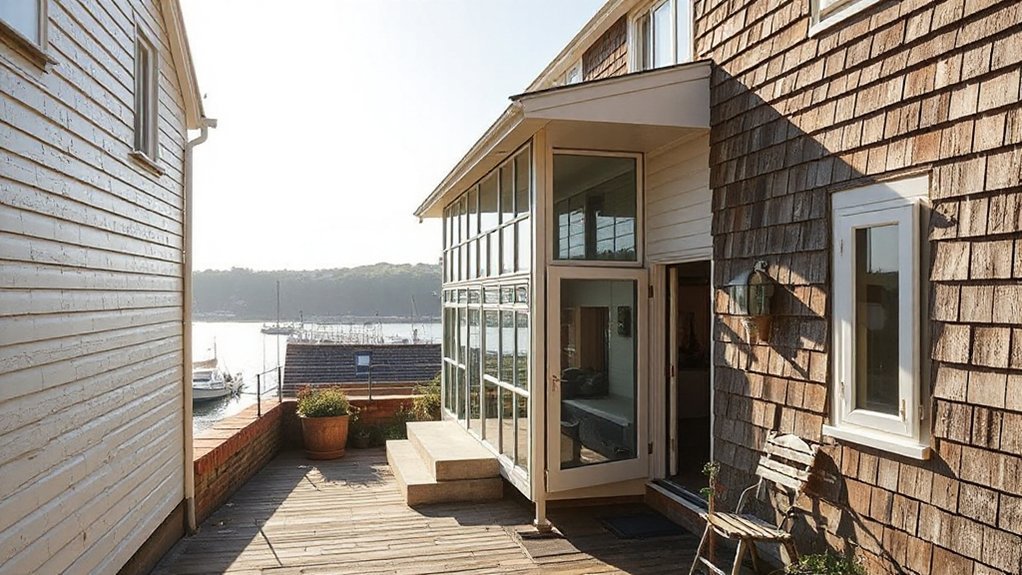
Coastal constraints shape every extension decision, and understanding them from the start saves time and money. You’ll navigate limiting factors like salt exposure, wind load, and dune protection with practical checks that keep you grounded. You’ll prioritize architectural durability, choosing materials and connections designed to endure salt spray and shifting soils without overcomplicating your plan.
Environmental impact guides choices, from low-emission processes to minimizing land disturbance and preserving views. Access and zoning matter, so you’ll align setbacks, parking, and utility routes early, reducing redesigns.
Budgeting reflects durability goals, not shortcuts, ensuring long-term savings. You’ll feel confident collaborating with builders who respect coastal ecosystems while delivering reliable, low-maintenance extensions that blend with your community and your sense of belonging.
Weatherproof Materials for Sea Air and Wind
You’ll want weatherproof materials that stand up to salt spray, high winds, and shifting sands from day one. In coastal extensions, choose corrosion resistant materials that resist salt corrosion and maintain finish with minimal upkeep.
Prioritize wind resistant construction by detailing fasteners, framing, and cladding that stay secure in gusts. Opt for stainless steel, treated timber, or fiber cement for exterior surfaces, paired with UV- and moisture-resistant sealants.
Consider detailing drainage, splash zones, and elevated thresholds to reduce moisture intrusion. Build with overlaps, dowel joints, and concealed fixings to minimize exposed fasteners.
For interiors, select non-slip, water-resistant flooring and moisture-aware finishes. Regular inspections and promptly addressed wear keep your space feeling solid, welcoming, and built to endure coastal weather.
Light-Forward Layouts to Maximize Views and Breeze
Light-forward layouts prioritize sightlines and breezes without sacrificing structure. You’ll design spaces that feel connected yet sturdy, with lines that guide your eye toward windows and water views.
Prioritize natural light by positioning windows and glass doors along exterior walls, avoiding heavy blockers in the core.
Keep zones flexible with open floorplans that breathe—think a continuous living, dining, and kitchen flow that adapts to gatherings or quiet evenings.
Use vertical and horizontal alignment to enhance sightlines from entry to patio, so every room feels part of the view.
Minimize hallways to reduce dead space; instead, use pocket doors or shifting partitions to modulate openness.
This approach builds belonging through shared views, sunlight, and everyday ease.
Brighton-Style Coastal Design Details
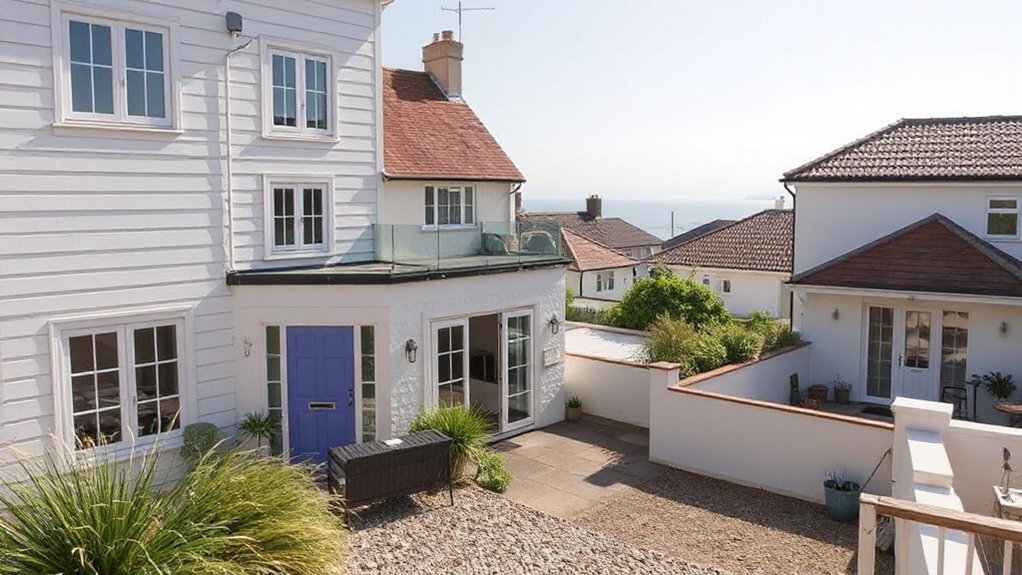
Brighton-style coastal design blends casual charm with crisp, sun-washed interiors, leveraging soft neutrals, sun-bleached wood, and textured finishes.
You’ll notice how Seaside architecture emphasizes comfort without clutter, pairing open sight-lines with tactile surfaces like rattan, linen, and wool.
Use a light palette to reflect daylight, then introduce contrast with navy or charcoal accents for depth.
Material choices should resist salt air: weathered timber, ceramic tiles, and brass hardware that ages gracefully.
For outdoor integration, extend the indoors with a simple, low-maintenance coastal landscaping plan—gravel paths, native grasses, and potted palms—to blur thresholds.
Keep furnishings practical: modular seating, storage-friendly benches, and easy-clean fabrics.
The goal is a welcoming, cohesive space where every detail supports belonging.
Planning and Budgeting for Seaside Extensions
Planning and budgeting for seaside extensions demands clear priorities and realistic timelines. You’ll start by listing must-haves (natural light, storage, outdoor access) and nice-to-haves (pantry, reading nook). Set a cap on total spend before breaking it into phases, so decisions stay practical as costs shift.
Research permits, flood-zones, and coastal setbacks early to avoid delays. Build a contingency fund—5–15% of your budget—and align contractor milestones with payment triggers.
When planning layouts, consider Seaside privacy: design sightlines and screening that protect private spaces from passersby and neighbors. For safety, integrate Marine safety by choosing weather-rated materials and robust anchoring for gusty seasons.
Communicate expectations in writing, verify warranties, and document changes to keep the project flowing smoothly and within community norms.
Frequently Asked Questions
How Do Tides Affect Foundation Drainage and Erosion Risk?
Tidal erosion can undermine foundation drainage and threaten stability, especially with rising seas. You’ll want proper tidal erosion monitoring and robust drainage design; guarantee foundation stability with water-aware grading, sump pumps, and elevated, wind-resistant access to protect your home.
Can I Use Plantation Shading Without Violating Coastal Protection Rules?
Yes, you can, but check local rules first to avoid fines. Plantation shading helps, yet it must align with Coastal protection guidelines. You’ll create shade, preserve views, and belong, while staying compliant and protecting erosion-prone shores.
Are There Local Grants for Seaside Home Extension Projects?
Yes, there are local grants for seaside home extension projects, often tied to Seaside landscape and Coastal architecture considerations. You’ll find practical, detail-oriented funding options, fostering belonging, collaboration, and mindful restoration within your coastal community.
What Etiquette Guides Beach-Facing Occupants for Noise and Access?
Beach access tips are simple: you coordinate noisy activities, watch tides, and share pathways respectfully. Follow noise etiquette by hosting sound levels considerately, informing neighbors, and planning quiet hours so everyone feels welcomed and included while enjoying the coast.
How Do Phased Extensions Impact Insurance Premiums and Risk Polling?
Like a calculator beep, phased extensions affect insurance implications by raising premiums and shifting risk assessment; you’ll see higher rates during construction and stricter underwriting afterward, as insurers reassess vulnerabilities and coverage limits to protect your home and schedule.
Conclusion
You stand at the shoreline of your project, a lighthouse in progress. Your budget is the beacon, guiding you through storms of cost and zoning, steady as a compass. Materials are the tide pools—battery‑charged with treated timber, stainless steel, ceramic tiles—holding fast against salt air. Timelines are the seawall, weathering delay and wind with calm, practical steps. When the plan crests, your bright, open interior spills like light through a porthole, inviting, resilient, and ready for seaside living.
About the Author