
Think of buying a home like wiring a house: a single skipped inspection can spark costly problems later. To prepare for a homebuyer survey in England and Wales, you’ll gather essential documents, confirm the survey’s scope with your lender or conveyancer, and map a clear timeline. Schedule the survey at the right stage, guarantee access to all areas, and clarify costs and deliverables with your surveyor. Keep your concerns ready; a well-planned start makes the results far more useful.
Choose the Right Homebuyer Survey for England and Wales

Choosing the right homebuyer survey is essential to avoid surprises after you’ve exchanged contracts. You’ll want a survey that matches your property type, location, and risk profile, so you feel confident in your decision.
In England and Wales, you can opt for a condition report, a level 1 survey, or a more detailed building survey, depending on your needs. Evaluate the surveyor’s scope, methodology, and credibility, ensuring they provide clear recommendations rather than vague observations.
A robust property valuation should inform your negotiation posture, while a thorough market analysis helps you assess comparative value. You deserve reassurance that the report aligns with future planning considerations and potential resale.
Choose a survey that communicates professionally, concisely, and with your sense of belonging in mind.
Budgeting for Surveys: Costs, Fees, and Hidden Expenses
Budgeting for surveys requires a clear understanding of what you’ll pay upfront and what may surface later. You’ll want a transparent breakdown of fees before you commit, so you can compare options with confidence.
Start by noting the surveyor’s base price, travel, and any report upgrades, then consider potential ancillary costs like damp testing or specialist input. Be mindful of possible VAT changes and appointment rescheduling fees, which can alter your total.
Understand survey financing options early, including phased payments or financing through the lender, if available.
Ask for a written quote and a fixed-price agreement where possible to avoid surprises.
Hidden costs often lurk in interpretation, correction rounds, or follow-up inspections—account for them in your budget to safeguard your purchase.
Pre-Survey Preparation: A Step-by-Step Checklist
Pre-survey preparation starts with a clear plan: assemble the right documents, confirm the survey scope with your lender or conveyancer, and create a concrete timeline.
You then compile essential materials: property details, planning permissions, guarantees, and recent surveys, all organized for quick access.
Next, define the survey’s focus to align with your Property valuation goals and any lender requirements, ensuring Legal considerations are understood and documented.
Schedule the appointment at a sensible point in your chain, allowing ample time for accessibility and questions.
Confirm access arrangements, utility shutoffs, and disclosure of known issues to avoid surprises.
Finally, review terms, fees, and deliverables with your conveyancer, so you enter the process confident, informed, and belonging to a professional, well-prepared team.
Red Flags in Survey Reports and Negotiation Tactics
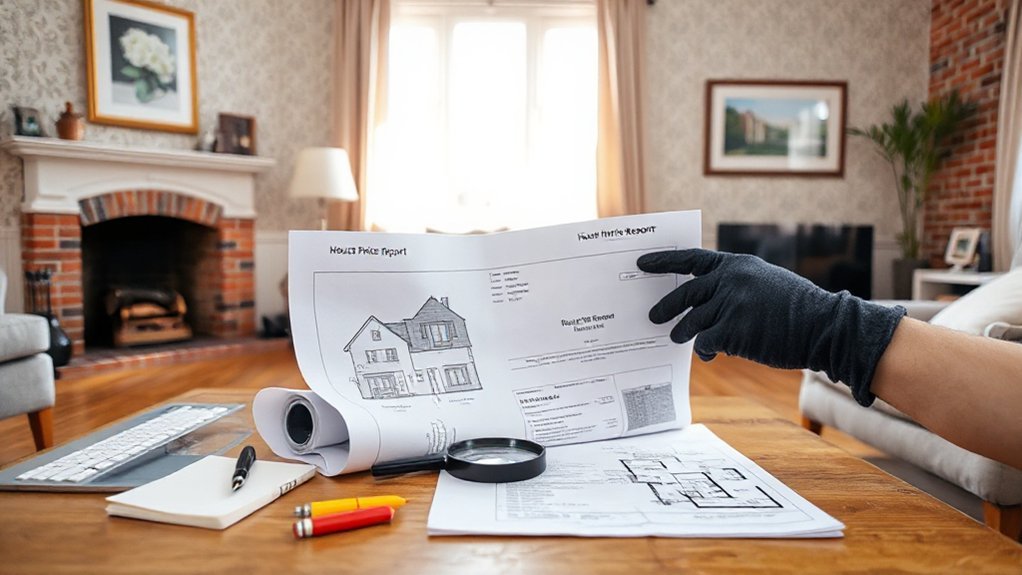
Red flags in survey reports can signal costly surprises if left unaddressed, so you should understand how they’re identified and what they mean for your negotiation strategy. You’ll spot structural issues, damp patches, and damp-related timber risks, as well as unreported defects that affect value.
Prioritise clarity: ask for quantified costs and timelines, not vague assurances. When you encounter Survey pitfalls, use precise, evidence-based negotiation strategies to secure concessions or credits.
Document findings, compare with a recent market digest, and align requests with repair estimates from qualified tradespeople. Stay calm, professional, and collaborative, showing you’re informed but fair.
This approach protects you and strengthens your position without pressure, helping you join a community of buyers who negotiate confidently and responsibly.
What Happens Next: From Survey to Contract and Closing
Once you’ve completed the survey, the next steps are to review the findings with your solicitor or conveyancer, confirm which issues must be disclosed to the seller, and decide whether to proceed with the purchase, renegotiate, or walk away.
Your solicitor will interpret the report, advise on enforceable remedies, and estimate timelines for contract exchange. Expect clarifications on material defects, potential structural concerns, and any required disclosures.
A clear path emerges: agree amendments or a new price based on Home inspection results, or terminate if risks are unacceptable.
Concurrently, the property valuation informs your mortgage lender’s offer and conditions.
When you reach agreement, you’ll exchange contracts, pay deposits, and set a completion date, confirming that all parties are aligned and protected.
Frequently Asked Questions
Do Surveys Cover Structural Issues Caused by Recent Subsidence?
Yes, surveys can flag subsidence-related structural issues, including foundation stability concerns and roof integrity risks, guiding you toward expert assessment and appropriate remedies to protect your home and guarantee long-term confidence.
Can Survey Findings Affect Mortgage Eligibility or Terms?
Survey accuracy can influence mortgage terms; yes, findings may affect eligibility or loan conditions. You should review the report carefully, anticipate lender questions, and address issues promptly, since even minor concerns could shift rates or required insurance.
How Long After a Survey Should I Wait for Quotes From Contractors?
Wait a few days to a week after the survey to gather quotes from contractors. This lets you compare options for property valuation and survey costs, ensuring you’d feel confident and connected with decisions that affect your purchase.
Are Damp and Mold Results Always Included in Standard Surveys?
Damp and mold aren’t always included in standard surveys. You should request a damp inspection; it complements the Home inspection and affects Property valuation, ensuring you don’t overlook hidden issues that could affect your belonging and investment.
What Happens if Surveys Disagree Between Lenders and Buyers?
If surveys disagree, you should seek independent expert advice to resolve issues, prioritize survey accuracy, and clarify discrepancies. You’ll navigate buyer-lender conflicts transparently, ensuring decisions aren’t rushed, and maintain confidence through documented, professional, and collaborative communication.
Conclusion
You’ve done the prep, so you’ll spot issues before they derail your purchase. One telling stat: UK homebuyers typically spend 0.5–1% of property value on surveys, yet a thorough report can save thousands in repairs and negotiation. Make certain your survey scope matches lender and conveyancer expectations, confirm access and timing, and clearly understand costs and deliverables. With precise questions and a solid timeline, you’ll navigate the process confidently from survey to contract and closing.
About the Author