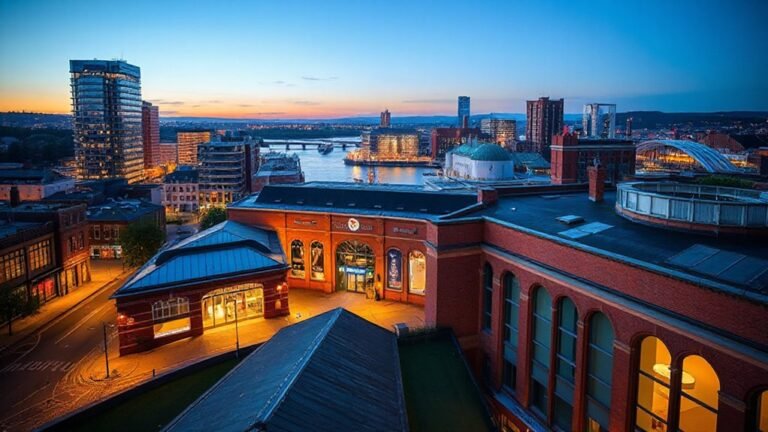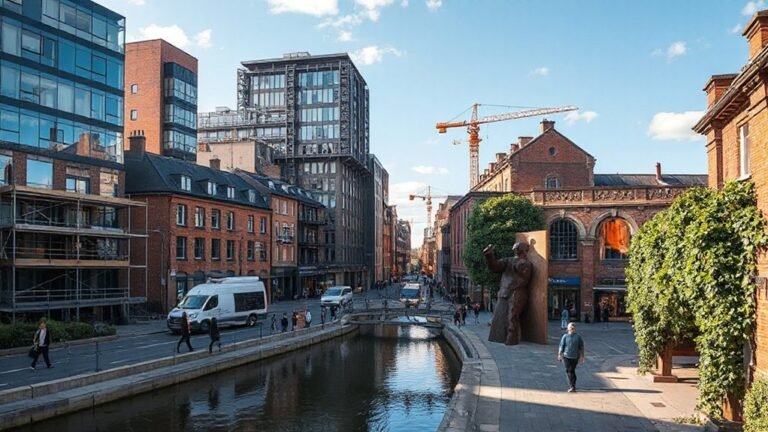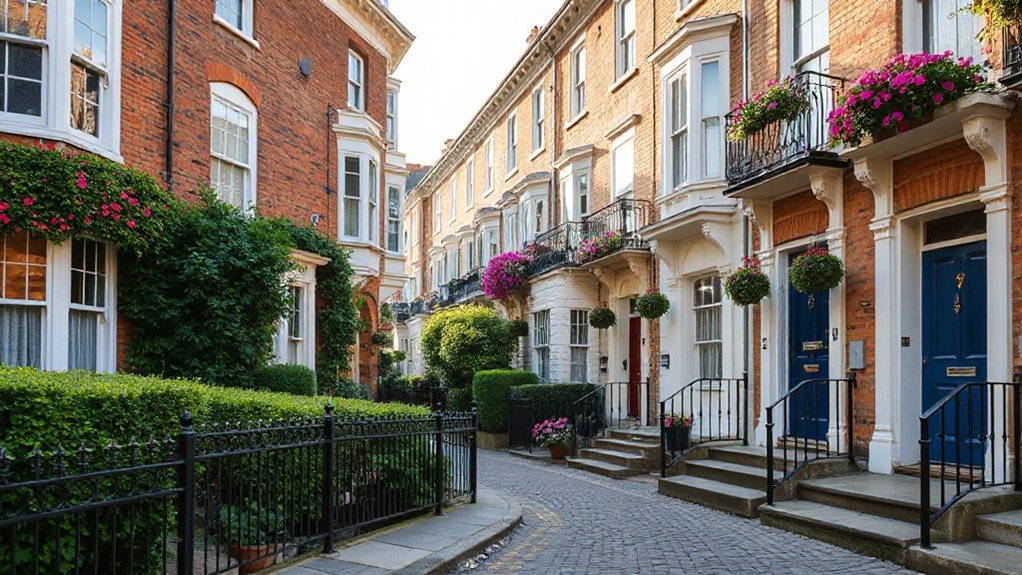
A real or hypothetical Bristol terrace shows you how subtle repointing and gentle lime-wash can restore brick texture without erasing its patina. You’ll balance heritage restraint with practical maintenance, aligning materials to period joints and mortar colours. The challenge is crafting a cohesive streetscape that respects Victorian rhythm while accommodating modern needs. Start with targeted detailing and restrained colour cues, then invite a closer look at how lighting and planting choices reinforce authenticity—without shouting heritage.
Read Bristol Victorian Street Style: Identify Features Your Home Should Reflect
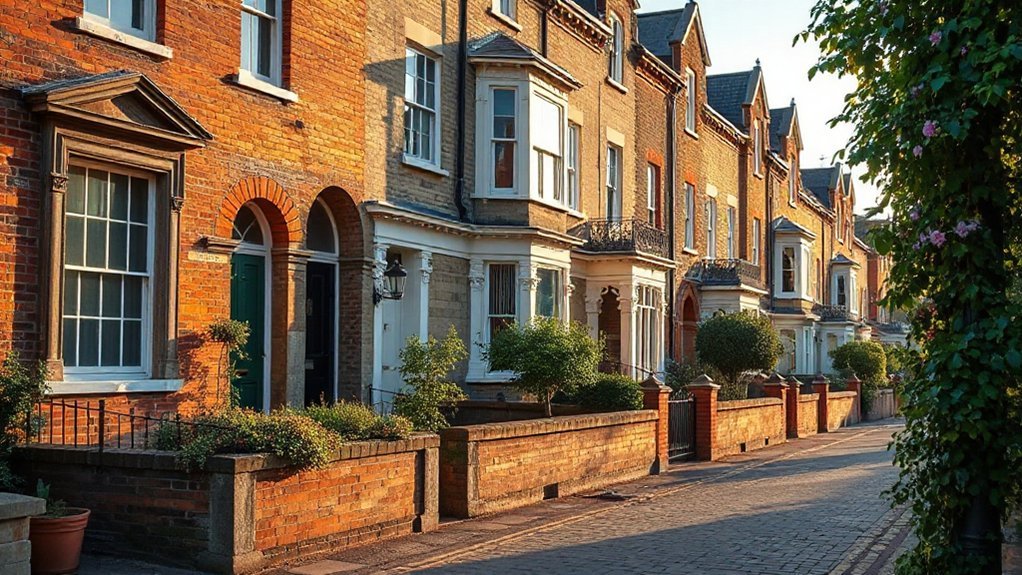
Read Bristol Victorian street style to identify features your home should reflect. You map the rhythms of Victorian street patterns onto your present facade, translating cadence, proportions, and detail into measurable design choices.
You notice how bay windows punctuate the street edge, how brickwork alternates courses, and how ornamental framing defines entries.
You adopt a site-specific mindset: materials chosen for texture, color, and aging harmony with neighboring homes, not isolation.
You select Heritage architectural details that resonate with provenance, yet feel contemporary in tactility and scale.
You envision a coherent front, where railings, window reveals, and door surrounds harmonize with the street’s historical gait.
Sustain Your Heritage Exterior: Essential Upkeep That Protects Brick and Stone
Sustain your heritage exterior by prioritizing proactive maintenance that shields brick and stone from time and weather. In Bristol’s Victorian context, you’ll implement site-specific measures that respect masonry fabric while resisting deterioration.
Begin with gentle cleaning to remove surface deposits without eroding mortar joints, then assess structural cracks for moisture intrusion. Employ restoration techniques that stabilize rather than replace, using compatible lime-based mortars and breathable sealants to sustain vapor flow.
Targeted repointing restores rigidity and prevents brick spalling, while stone preserves its patina through controlled cleaning and conservation-grade consolidants. Schedule seasonal inspections to catch efflorescence, salt damage, or plaster delamination early.
This approach aligns with material preservation ethics, preserving authentic texture, color, and character, so your home continues to convey belonging, craftsmanship, and a legible Victorian narrative.
Colour Palettes for Victorian Bricks: Choosing Hues That Complement Heritage
Color choices for Victorian brickwork should reinforce the period’s character while honoring the underlying masonry. You’ll assess brick shades, mortar tone, and subtle contrast to establish a coherent color story across a row or façade.
Prioritize color harmony that respects regional bricks—from deep reds to muted oolitic tones—while allowing slight variation to avoid flat uniformity. Implement restrained palettes: three core hues with one brick accent for emphasis.
Choose mortar that neither overwhelms nor recedes; it should tie joints to the brick, not shout. Consider brick accents such as header rows or banding to create defined horizontals without clutter.
This calibrated approach elevates texture, enhances depth, and strengthens belonging, ensuring your brickwork speaks authentically to Bristol’s Victorian fabric.
Light Carefully, Detail Subtly: Heritage–Respectful Lighting and Architectural Accents

Careful lighting shapes how heritage brickwork reads after dark, guiding the eye along historic lines without stealing focus from its texture. You’ll balance luminance and shadow to reveal grain, mortar joints, and subtle ornament without glare.
Use garden lighting that stays low and warm, avoiding cool, institutional tones that clash with brick patina. Select fixtures with shields and downlighting to accent architectural accents—cornices, stringcourses, and arched openings—while keeping pathways evenly legible.
Position lights to mirror the street’s rhythm, not to overpower it. Opt for dimmable LEDs and color temperatures around 2700–3000K for a cohesive, intimate mood.
This approach respects provenance, invites community, and reinforces a sense of place where neighbours feel they belong. Architectural accents emerge softly, deliberately, and enduringly.
Landscape for Character: Budget-Friendly Tricks That Elevate Curb Appeal
Even on a tight budget, you can shape a landscape that reads as property-worthy character by prioritizing texture, scale, and rhythm over costly features.
In a Bristol Victorian streetscape, you’ll select durable materials with refined profiles to read as intentional, not decorative accident.
Favor plantings that provide year-round texture—soft grasses, evergreen structure, and specified perennials that echo local heritage—to create a legible sequence from curb to entry.
Use garden ornaments sparingly as focal anchors, ensuring they complement architecture rather than compete with it.
For drive approach, consider driveway upgrades that enhance line and grip without overstatement: restrained edging, permeable pavers, and a clear path to the front door.
Maintain cohesion via color restraint, proportion, and maintenance cadence.
Frequently Asked Questions
What Legal Restrictions Affect Exterior Changes in Bristol’s Victorian Areas?
You’ll face local planning rules and listed-building considerations in Bristol’s Victorian areas, restricting exterior changes. You should document, consult, and adapt, prioritizing modern landscaping and eco friendly materials to satisfy aesthetic and site-specific standards for belonging.
How Can I Verify a Property’s Heritage Status Before Updates?
You verify a property’s heritage status by consulting Heritage documentation and local preservation guidelines before updates, like a navigator reading stars; you align your plans with Preservation guidelines, ensuring you belong to the discreet chorus of careful, site-specific stewards.
Are There Grant Programs for Victorian-Era Curb Appeal Projects Nearby?
Yes, you’ll find grants nearby for Victorian curb appeal projects; check local councils and trusts. You’ll fund Historic paint, Garden landscaping improvements, with site-specific guidelines, ensuring your project feels rooted, belongs, and harmonizes with the historic streetscape.
Which Maintenance Tasks Most Impact Brick Integrity in Wet Climates?
You should prioritize Brick restoration and moisture management, focusing on crack sealing, repointing with lime mortar, and proper drainage to prevent damp. You’ll maintain brick integrity in wet climates by monitoring efflorescence, ventilation, and substrate moisture, fostering a belonging, site-specific aesthetic.
How Do I Assess Historical Accuracy Without Compromising Safety?
You assess historical accuracy by balancing Architectural authenticity with Safety considerations, inspecting materials, detailing joints, and verifying historic specs, then adapting on-site practices to protect people and site integrity while preserving aesthetic belonging for the community.
Conclusion
In Bristol’s Victorian streets, your home becomes a measured composition of brick, light, and hands-on care. By aligning detailing with heritage cues—repointed joints, bay silhouettes, and subtle luminance—you’ll craft a durable, aesthetically faithful curb presence. Think of your façade as a gallery wall: restrained color, precise textures, deliberate plantings. The device of contrast—soft shadows against brick—pulls eye along the rhythm of the streetscape. Sustain this discipline, and curb appeal grows with historic integrity.
About the Author