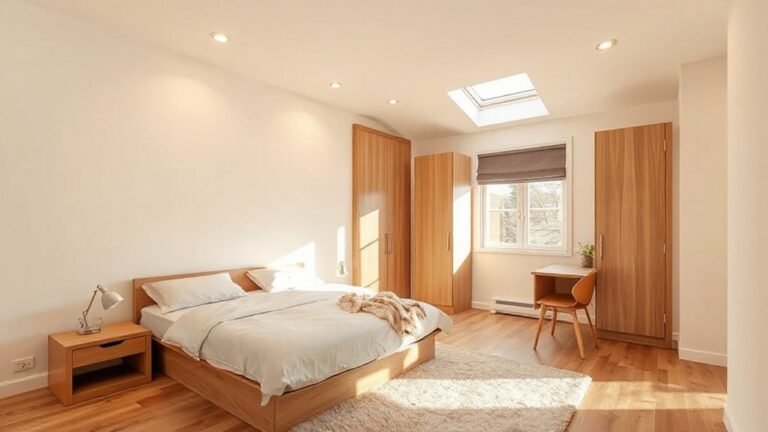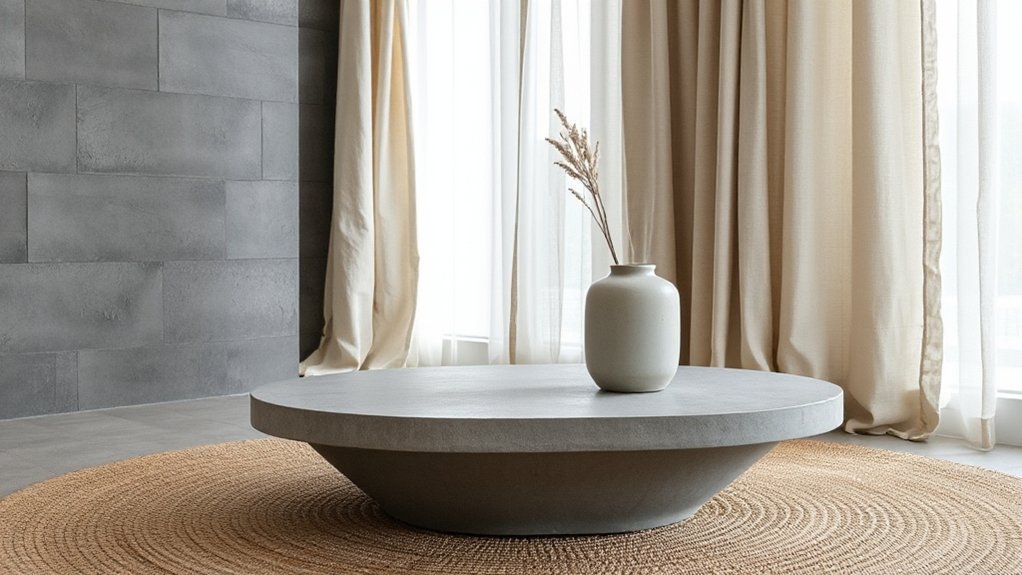
Texture can lift neutral spaces without shouting. You’ll layer fabrics—knit, weave, velvet—for warmth, then pick tactile materials that add depth without noise. Pair wood, metal, and stone to create contrast, and soften with textured wall coverings or soft fabrics in muted tones. Layer lighting to carve shadows and highlights, guiding the eye across surfaces. Start small, notice what feels calm yet alive, and let those cues lead your next refresh. Curious to see how it unfolds?
How Texture Transforms Neutral Rooms: Quick Wins
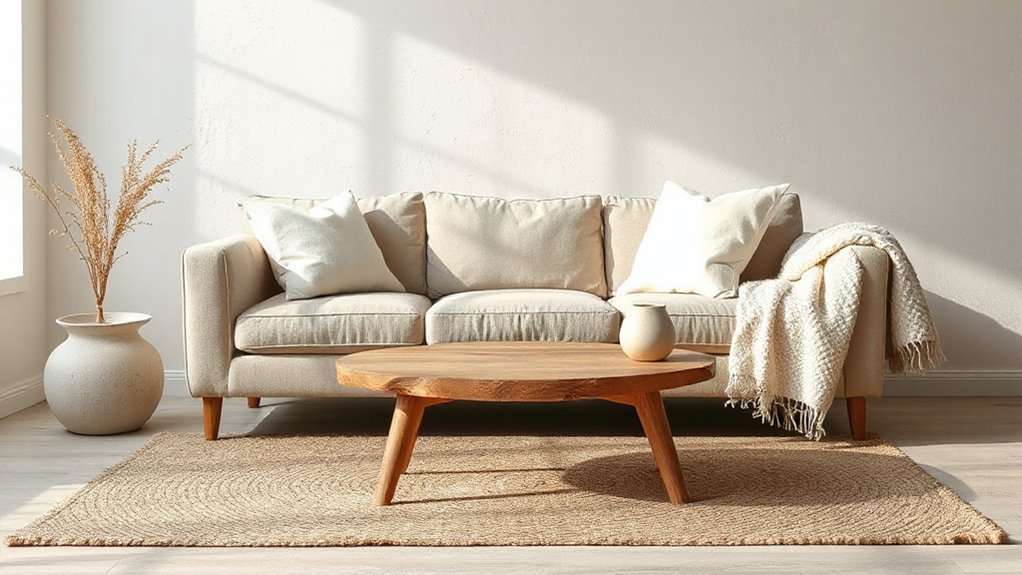
Texture brings neutral rooms to life quickly: it adds warmth, depth, and visual interest without altering the color palette. You boost impact with tactile layers that read as intentional, not clutter. Begin with color accents—a throw, pillows, or art—deliberately chosen to echo existing hues while introducing subtle contrast. Small-scale textures create pattern without overwhelming space, while larger pieces anchor the room’s silhouette. Layer lighting effects to reveal texture’s nuance: a floor lamp casts gentle shadows, a wall sconce highlights a fabric weave, or a pendant creates a warm halo around a sculptural surface. Keep rhythm by varying textures across surfaces, yet maintain balance with negative space. In minutes, you transform neutrality into inviting personality through thoughtful material choices and well-timed illumination.
Layer Fabrics for Cozy Calm: Knit, Weave, Velvet
Layer fabrics to cultivate a cozy, calm mood with knit, weave, and velvet textures. You layer light and weight to create depth without clutter, letting subtle textural patterns define the space. Knit adds soft volume and warmth, while weave introduces tactile structure that reads as calm and refined. Velvet delivers polish and shade variation, catching ambient lighting for gentle glow rather than harsh glare. Balance scale so no one texture dominates; mix fine, medium, and larger weaves to guide the eye naturally. Keep electronics low in contrast to fabric richness, letting textures do the talking. Choose neutral tones with a hint of warmth to anchor the room, then let pillows, throws, and curtains play with texture, not color. This approach yields a serene, inviting atmosphere.
Pick Tactile Materials That Add Depth Without Noise
As you move from layering fabrics to selecting tactile materials, focus on textures that read solidly without adding noise. You’ll want surfaces that feel purposeful, not fussy, so choose materials that cushion the eye and the hand. Aim for restraint and tactility in every choice.
- Tactile wall coverings that whisper texture without bulk
- Textured accessories, like ceramics and woven throws, that read refined
- Subtle fabrics and surfaces in low-contrast hues for unified depth
Rely on understated grain, gentle nap, and soft edge details to add depth while keeping noise at bay. Prioritize materials with a quiet, cohesive presence, ensuring each piece contributes tactility without shouting. This keeps your neutral palette calm, sophisticated, and tactile.
Surface Pairings: Wood, Metal, and Stone for Contrast
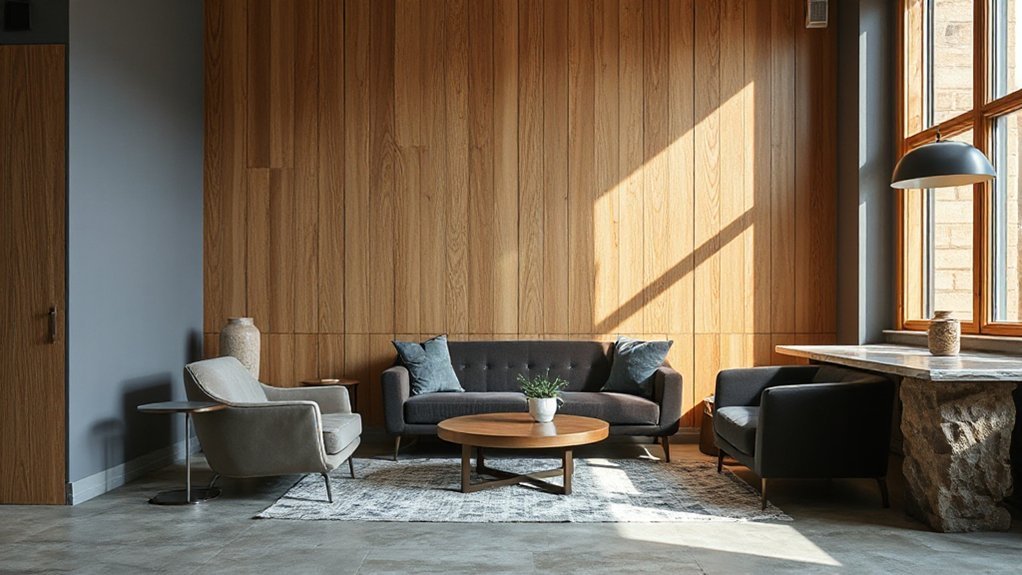
Wood, metal, and stone each bring a distinct voice to a neutral interior, and pairing them thoughtfully creates contrast that’s purposeful, not positional. You’ll balance warmth with coolness by reserving wood for large surfaces and using metal as accents, then ground the mix with stone’s tactile presence. Let textures lead the conversation; a matte stone wall paired with a smooth timber console feels timeless, while a high-shine metal lamp adds an unexpected spark. Keep wall treatments simple yet deliberate—soft plaster, a muted plaster finish, or a restrained wallpaper repeat can harmonize the trio without competing. Introduce decorative accents that echo one material in small doses: a stone bowl, metal hooks, or wood-framed mirrors. The result remains modern, cohesive, and richly tactile without shouting.
Instant Texture Tweaks for Immediate Impact
Even small tweaks can deliver instant texture without a full redo. You’ll elevate neutrality fast by layering color accents and controlled lighting effects, creating tactile drama without overhaul. Use these quick wins:
1) Add a bold throw with a tactile weave and a pop of color accents to draw the eye and break flat planes.
2) Introduce directional lighting—wall sconces or a lamp with a warm glow—to sculpt shadows and emphasize surface texture.
3) Layer fabrics in varying weaves and finishes on a single focal chair or pillow stack, amplifying depth through subtle color accents and sheen.
Keep the palette cohesive and the fixtures minimal; texture should feel intentional, not busy. The result: instant warmth, refined contrast, and a polished, inviting room.
Frequently Asked Questions
How Do I Mix Textures Without Cluttering a Neutral Palette?
Layered patterns and contrasting finishes help you mix textures without cluttering a neutral palette. You combine soft, tactile fabrics with crisp surfaces, balance sheen with matte, and layer thoughtfully to create depth while keeping harmony and flow throughout your space.
Which Textiles Are Best for Pet-Friendly Homes?
Pet friendly fabrics work best; choose Durable textiles that stand up to playful paws. You’ll prefer tightly woven cottons, performance blends, and microfiber. You’ll wipe spills easily, resist stains, and maintain a polished look in everyday living.
Can Texture Influence Room Acoustics in Neutrals?
Texture can influence room acoustics in neutrals, like a soft velvet blanket easing noise. You’ll improve sound absorption and acoustic enhancement by choosing textiles and surfaces that dampen echoes and balance reflections throughout the space.
What Maintenance Is Required for Textured Surfaces?
Textured surfaces require regular dusting, gentle vacuuming, and spot cleaning to stay fresh. You’ll protect surface durability by avoiding harsh abrasives and moisture. Follow cleaning techniques that suit material, and reseal or rewash when wear appears.
How Do Scale and Proportion Affect Texture Balance?
Scale and proportion steer texture balance: larger textures read as bold, smaller textures feel refined. You’ll achieve material contrast and visual harmony by balancing scale across surfaces, ensuring no single texture dominates while maintaining cohesive rhythm throughout the space.
Conclusion
Texture changes everything in neutral spaces. You’ll notice how small-layer rituals—knit throws, velvet cushions, textured ceramics—turn calm into cozy, without shouting. An interesting stat to savor: rooms with varied tactile surfaces feel 20% more inviting, boosting comfort perception by survey respondents. You’ll also enjoy the quick wins—layer fabrics, mix woods, metals, and stones, and tweak lighting to sculpt shadows. Keep surfaces subtle and tones muted, then let texture do the talking and warmth follow.
About the Author