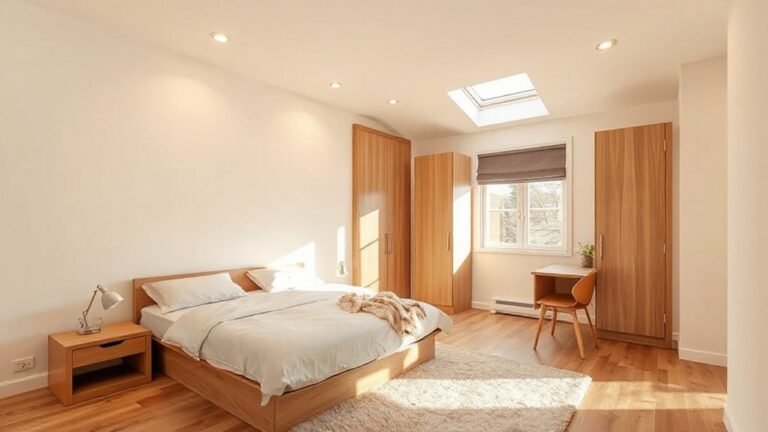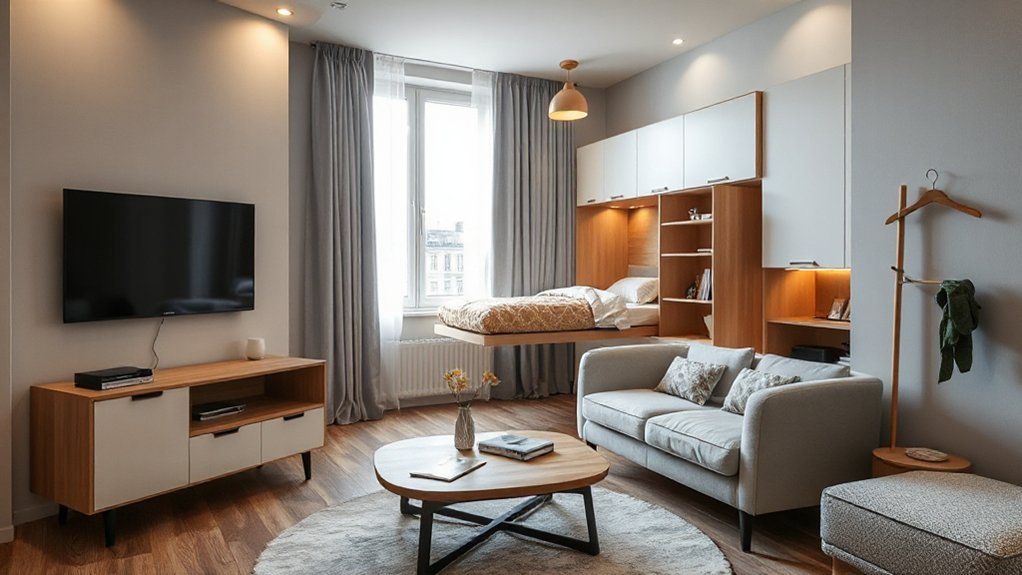
You’ve got a studio with a murphy bed and a fold-out desk, and you’re still juggling clutter. You’ll benefit from thinking in multi-function pieces, modular units, and wall-mounted solutions that keep traffic clear. This approach trims visual noise while preserving style, so you can adapt as your needs shift. Ready to explore practical layouts, clever storage, and chic finishes that make a small flat feel spacious—without sacrificing usability or polish.
Small Flats, Big Challenges: What Space-Saving Furniture Solves

In small flats, space isn’t just a constraint—it’s a constant design factor. You’ll notice space-saving furniture solves everyday friction: cluttered corners, cramped routines, and misaligned flows. The core wins come from compact design that preserves surface area, storage, and mobility without sacrificing style. Think modular desks that fold into walls, bed frames with integrated drawers, and slim consoles that double as dining surfaces. You’ll value furniture ergonomics when chairs, tables, and work zones align with your natural posture and reach, reducing strain and wasted motions. Before buying, map your routes and designate zones for sleeping, working, and lounging. This approach keeps interiors legible and efficient, enabling you to adapt as needs shift while maintaining a coherent, modern aesthetic.
Space-Saving Essentials: Must-Have Multi-Function Pieces
You’ll curate space with multi-function core pieces that pull double duty without crowding your rooms. Look for hidden storage solutions that keep clutter out of sight while boosting everyday practicality. This is where sleek, trend-aware design meets crisp, efficient living.
Multi-Functional Core Pieces
Are you making the most of every square foot? Multi-functional core pieces form the backbone of small-flat living. Choose furniture that serves at least two roles—sofas with built-in storage, coffee tables that lift to desk height, and beds with drawers or under-bed organizers. Prioritize modularity: stack, fold, or detach components to reconfigure spaces instantly. Look for clean lines and compact profiles that don’t shout, preserving room for movement. Blend esthetics with function: integrate vintage charm through subtly carved accents or aged finishes, while adopting Industrial aesthetics via metal frames and matte hardware. Maximize accessibility by keeping frequently used items within arm’s reach, and schedule quick, strategic de-cluttering. This approach delivers flexible, stylish living without sacrificing footprint.
Hidden Storage Solutions
Hidden storage solutions keep your space sleek without sacrificing gear. You’ll access clean lines by choosing furniture with built-in hidden compartments and concealed drawers. Think ottomans, bed frames, and coffee tables that slide open or lift, revealing essentials without crowding sightlines. Prioritize pieces with modular lids, shallow recesses, or nested compartments that separate chargers, tools, and seasonal items. When shopping, verify hardware quality and soft-close mechanisms to avoid noise and wear. Choose hidden storage that aligns with your workflow: a reachable stash for daily items, a deeper vault for bulky gear, and labeled dividers for fast access. Balance form and function by pairing discreet storage with compact silhouettes, so your space remains open, organized, and ready for spontaneous, modern living.
Floor-Space Wins: Clever Storage That Frees Up Room
Smart storage is the backbone of small flats, and clever options can dramatically expand usable space without sacrificing style. You optimize floor area by choosing compact, multi-use pieces that collapse or stack when not in use. Prioritize items with integrated storage: ottomans, coffee tables, and bed frames that tuck blankets, magazines, and seasonal gear out of sight. Hovering shelving above seating keeps essentials in reach without encroaching on walking zones. Opt for furniture with rounded edges to reduce bump hazards in tight layouts. Lean into vintage decor and statement lighting to inject personality without adding bulk, using slim profiles and lighter tones to preserve airiness. Plan passages between zones to minimize clutter, and adjust heights to maintain fluid movement from room to room.
Perimeter Expansion: Wall-Mounted and Floating Solutions
Perimeter expansion leverages wall-mounted and floating pieces to free floor space while preserving room integrity. You’ll optimize vertical storage and create a lighter, more open feel by embracing ceiling mounts and slender profiles. Choose modular shelves that don’t protrude, and pair them with wall rails to keep surfaces clear. Floating desks and beds maximize usable area without sacrificing function, while wall-mounted seating can hinge away when not in use. Prioritize install height and reach so you avoid bending or stretching, keeping daily tasks efficient and comfortable. Maintain clean lines with a cohesive material and color palette to sustain a sense of continuity. Carefully balance weight, accessibility, and aesthetics for lasting impact.
- vertical storage optimization
- ceiling mounts integration
- slim, wall-first furniture
Tiny Layouts for Living, Sleeping, and Working
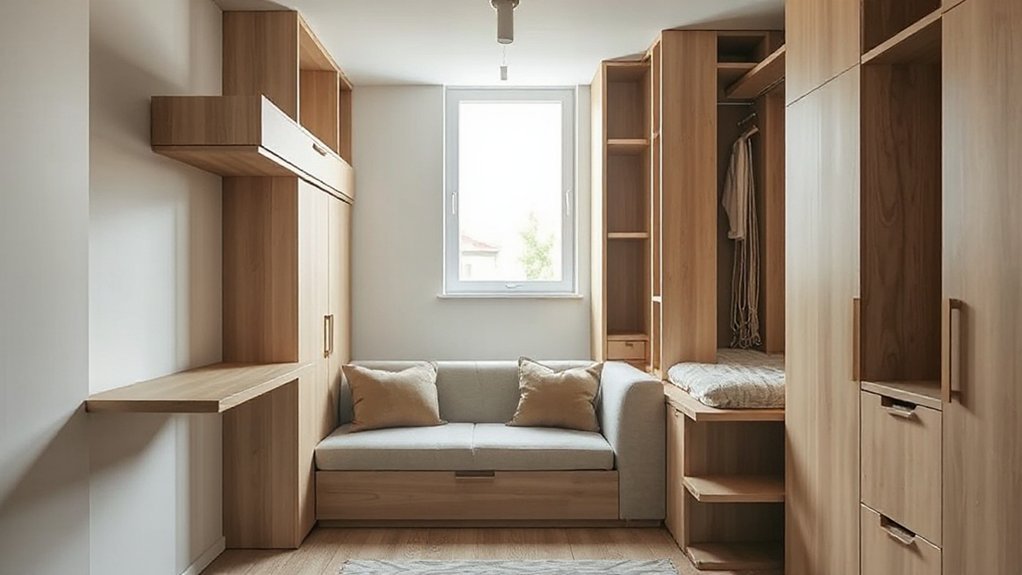
Tiny layouts demand a balanced approach to living, sleeping, and working in the same footprint. You optimize with clear zones: a compact sofa bed, a foldable desk, and vertical storage that keeps floors uncluttered. Choose multifunctional furniture to reduce bulk without sacrificing function. Prioritize clean lines, hidden hardware, and soft, cohesive finishes to visually enlarge the space. When arranging, rotate between open—and closed—work modes to keep daily rhythms smooth. Integrate garden décor elements and natural textures to soften tech-heavy corners, linking indoor and outdoor vibes without expanding the footprint. For sleeping, use a wall-mounted headboard that doubles as shelving. For lounging, select a modular setup you can reconfigure in minutes. Outdoor furniture can anchor shift areas, reinforcing a sense of flow throughout tiny layouts.
Growth-Friendly Seating: Modular and Nesting Pieces
Modular and nesting seating adapts to your changing space, letting you reconfigure rows, corners, or compact setups without buying new furniture. You gain flexible layouts that shift with daily needs, from lounging to hosting guests, without cluttering edges. Choose pieces that tuck away, stack, or fold flat, so you preserve floor area for movement and meal prep. Durability and ease of use matter, as do fabric textures that resist wear and stain. Integrate space themed decor as accents rather than focal points, keeping the room cohesive. Keep an eye on multifunctional pieces that double as storage or surfaces for devices. Pair with compact kitchen gadgets to maximize efficiency in tight spaces. Your space stays intentional, adaptable, and on-trend.
- Stackable ottomans with hidden storage
- Folding chairs that convert to rails or beds
- Modular sofa sections for endless configurations
Finish and Material for an Airy, Cohesive Look
To keep your space airy, start with light-tone finishes that reflect natural light and read as spacious. Pair a cohesive material palette—think wood accents, fabric, and metals in the same temperature range—to avoid visual clutter. Add texture and weave balance through subtle contrasts, so the room feels cohesive without feeling dull.
Light-Tone Finishes
Light-tone finishes create an airy, cohesive look by reflecting more light and visually expanding small spaces. You’ll prioritize pale woods, whitewashed surfaces, and matte neutrals to keep traffic patterns clear and rooms feeling uncluttered. Use bright accents sparingly to punch up contrast without breaking the sense of openness, and pair these with soft palettes to maintain calm. Finish choices should be durable where you touch most, like desks, tables, and shelves, but light in color to avoid weight. Consider lacquers or satin paints on cabinetry for a clean, modern edge. Work with natural textures—linen, wicker, and wool—so light tones stay tactile rather than clinical.
- pale woods and whitewashed surfaces
- matte neutrals with bright accents
- durable, light-colored finishes on high-use areas
Cohesive Material Palette
A cohesive material palette for an airy look combines low‑contrast finishes with tactile textures to read as one calm, unified space. You’ll pair matte laminates, soft felts, and warm woods to minimize visual noise while preserving depth. Lean into color coordination by selecting a restrained palette—cream, taupe, and pale gray—then echo with textiles and hardware in the same spectrum. Favor durable, easy‑care surfaces for high‑traffic zones, ensuring lasting material durability without sacrificing tactility. Keep surfaces seamless by matching edge details, profiles, and seams across furniture, storage, and accessories. Choose finishes with subtle sheens to reflect light without glare, preserving airiness. Avoid conflicting textures; instead, layer in a single material family in varied weights to maintain cohesion.
Texture and Weave Balance
Texture and weave balance hinges on pairing tactile fabrics with complementary finishes so that every surface reads as part of one calm fabric. You align textures to create Textural contrast without shouting, letting subtle shifts in sheen and weight read as a single, airy whole. Choose weave patterns that mirror each other across rooms, so seating, drapes, and upholstery feel coordinated yet not mirror-perfect. Opt for low-friction finishes on large surfaces to reduce visual weight, and keep matte or silk-satin combos for visual depth. Avoid busy patterns on walls; instead, weave quiet texture through cushions and throws for cohesion.
- Textural contrast across textiles without competing patterns
- Weave patterns that echo from upholstery to window treatments
- Balanced finishes to maintain an airy, calm look
Budget Upgrades: Style Without Clutter
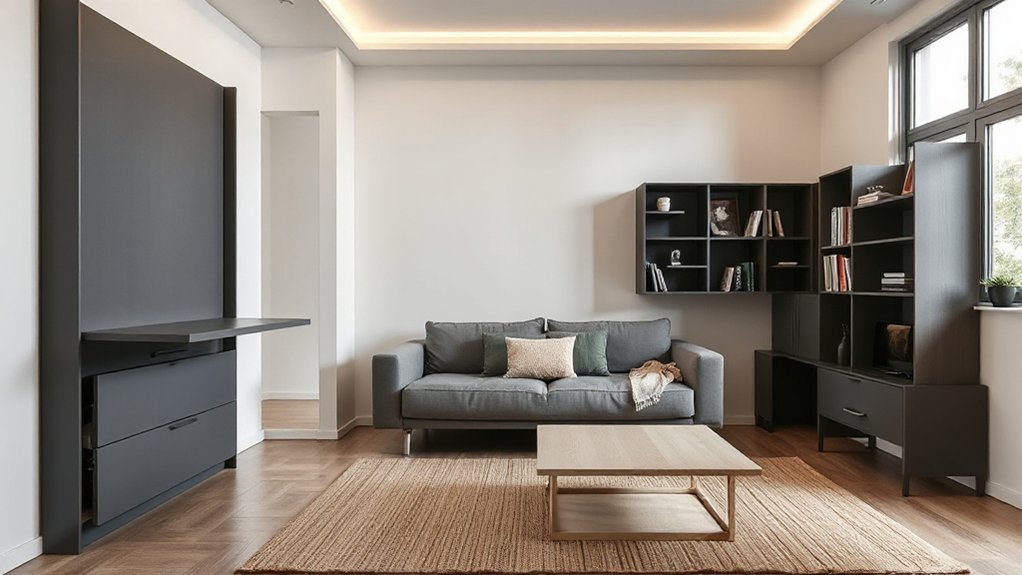
Smart budgeting isn’t about sacrificing style; it’s about choosing pieces that pull double duty and look intentional. You’ll prioritize multi-use items that reduce clutter while enhancing form. Start with furniture that serves two roles, like a storage ottoman or wall-mounted desk that folds away. Choose finishes and silhouettes that feel deliberate, not disposable, so your space reads intentional and calm. Opt for vintage accents to add character without bulk, and pick statement lighting that doubles as sculpture while saving space. Keep color cohesion tight—two or three hues max—to unify the room and prevent visual noise. Declutter surface zones by tucking cords and devices behind doors or within slim storage. Finally, invest in quality basics that endure, resisting quick-ship trends and excess.
Instant Room Makeovers: Quick Visual Tricks to Maximize Space
Instant room makeovers rely on fast, visual tweaks that stretch small spaces without a full remodel. You’ll create impact with color, light, and layout adjustments that read as intentional design rather than effort. Focus on concise changes that amplify perceived space and cohesion, not permanent shifts.
- Color schemes: choose a light, cohesive palette to unify rooms and reflect light.
- Decorative accents: select a few statement pieces to anchor a zone without clutter.
- Lighting tricks: layer ambient, task, and accent lights to carve depth and emphasize open sightlines.
These quick moves keep you efficient while staying on trend. You’ll notice instant room improvement from deliberate contrasts, minimized clutter, and purposeful placement. The result: a more spacious feel with refined, practical appeal.
Frequently Asked Questions
How to Measure Room Angles for Flexible Furniture Placement?
Angle the measurements with a handheld protractor, then check angles for exact furniture alignment; you’ll capture room geometry, mark walls, and confirm clear pathways. Use angled measurements to guide placement, ensuring flexible layouts adapt to walls and corners.
Do Ceilings Affect Space-Saving Furniture Performance?
Grammatically, yes: ceilings affect performance. If your ceiling height is limited, choose compact, high-clearance furniture; beware structural limitations that cap weight and attachment options. You’ll optimize space by tailoring placement to ceiling height and structural limitations.
Can Pet Needs Impact Compact Furniture Choices?
Pet needs can influence your choices; opt for pet friendly materials and compact pet furniture. You’ll prioritize durable, easy-clean surfaces, and select modular pieces that adapt to playful or resting moments while keeping your space tidy and trendy.
What Are Invisible Storage Options Behind Decor Items?
Hidden compartments whisper, you discover decorative concealments that vanish clutter. You’ll exploit hidden compartments behind decor items, storing essentials while keeping form intact. You stay trend-aware, functional, and precise, turning surfaces into smart, stylish, invisible storage without sacrificing vibe.
How to Retrofit Existing Pieces for Modular Use?
You’ll retrofit existing pieces by integrating hinges and sliders for modular use, enabling Multi functional beds and Collapsible desks to morph with your space. You adapt swiftly, choosing compact mechanisms, secure fasteners, and clean lines for trend-aware functionality.
Conclusion
You optimize space with purpose, you choose multifunction, you choose modular, you choose wall-mounted fixtures. You save floor area, you create flow, you maintain clarity. You curate storage with intention, you select compact silhouettes, you embrace sleek materials, you favor light tones, you invite natural light. You plan zones, you adapt layouts, you grow with needs, you rebalance scales, you finish with cohesion, you live with ease, you style with restraint, you thrive in a small, smart home.
About the Author