When you’re choosing a sofa for a small living room, start by measuring and planning your traffic flow so every inch feels intentional. Opt for a proportional, space‑savvy style—think armless, modular, or compact silhouettes—then choose neutral colors and durable fabrics that blend with your room’s rhythm. Prioritize comfort with ergonomic support and consider multi‑function pieces to maximize flexibility. Get the layout right, keep zoning clear, and you’ll disclose a balanced, inviting space—but there’s more to fine‑tune as you refine the details.
Measure Space, Scale, and Plan
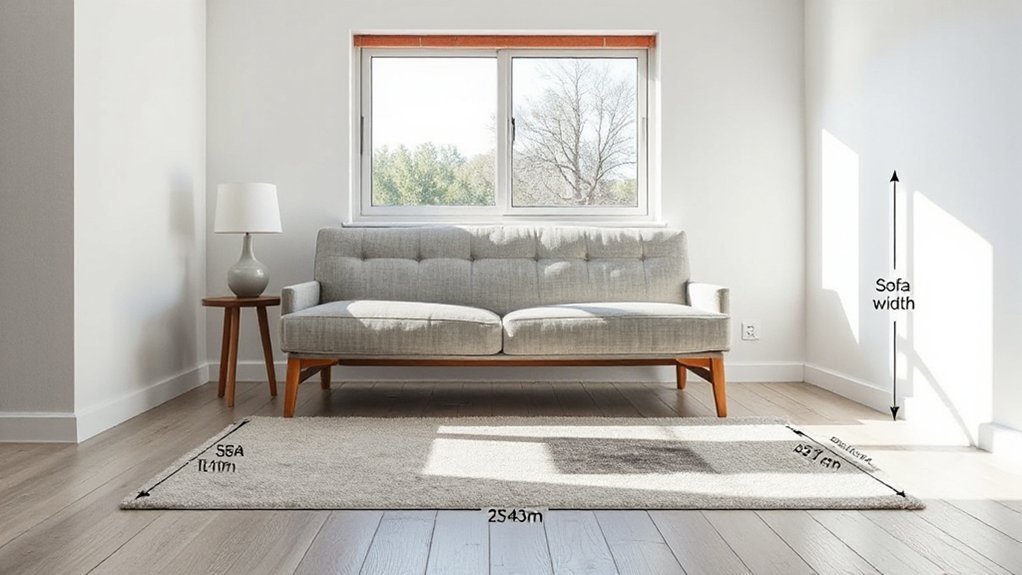
Measure the space you have and map it out before you shop. You’ll create a precise baseline for every choice, so you don’t chase uncertainty later. Start with the room’s key anchors: doors, windows, and existing storage. Note the clear zones you need for traffic and activities, then translate them into a responsive furniture layout. Consider scale first: measure wall lengths, ceiling height, and door swing radii. Sketch a floor plan to test sightlines and focal points, ensuring the sofa doesn’t obstruct flow. Prioritize space optimization by selecting pieces that maximize seating with compact silhouettes. Choose modular or armless options to flex the layout for gatherings. Finally, plan around a single focal point and align accessories to reinforce balance and proportion.
Choose a Proportional Style for Your Room
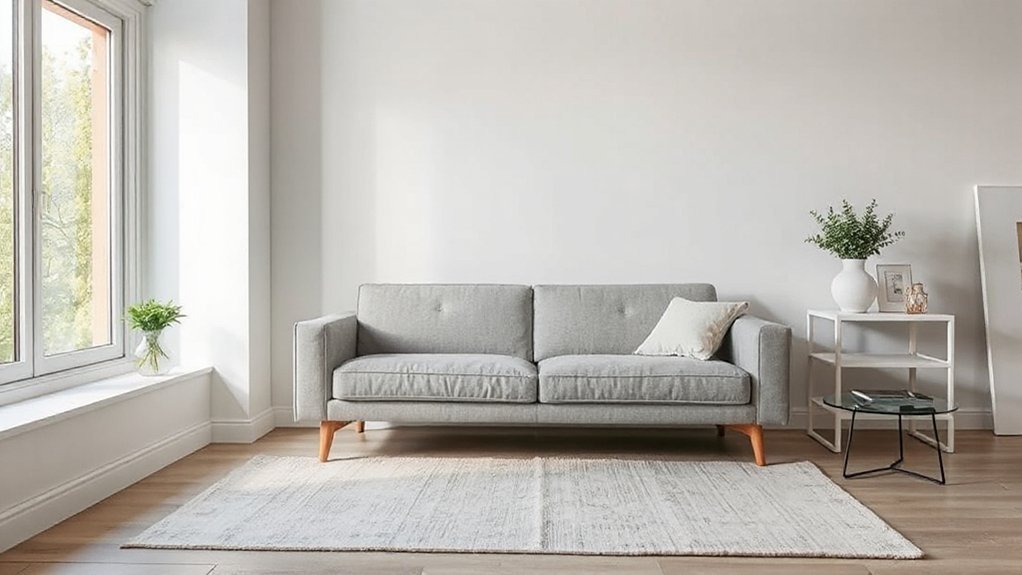
To make the most of a small living room, pick a proportional style that complements the space without overpowering it. Start by matching sofa scale to room footprint: a compact silhouette with clean lines prevents crowding, while a deeper seat creates comfort without bulk. Maintain proportional balance by aligning furniture widths with wall length and leaving clear sightlines to focal points. Choose a single, restrained color or texture to avoid visual noise, then echo that palette across pillows, lamps, and art for aesthetic harmony. If you add a chair or ottoman, guarantee its footprint mirrors the sofa’s width and depth for balance. Remember: proportional style guides attention, not clutter it.
Prioritize Comfort and Ergonomics
Prioritize comfort and ergonomics by prioritizing how you sit, not just how the sofa looks. In small spaces, your posture matters as much as padding. Seek an ergonomic design that supports natural alignment: seat depth that avoids slouching, a backrest with gentle lumbar support, and sustained cushion density that resists sagging. Test chairs with arm height that promotes relaxed shoulders and hands at or near hip level. Look for adjustable features, like reclining angles or modular headrests, to tailor support for reading, gaming, or conversation. Prioritize comfort features that reduce fatigue during long sessions and maintain circulation. A well-balanced silhouette should feel inviting, not overpowering, ensuring you move freely without compromising posture or style.
Maximize Flexibility With Modular or Convertible Sofas
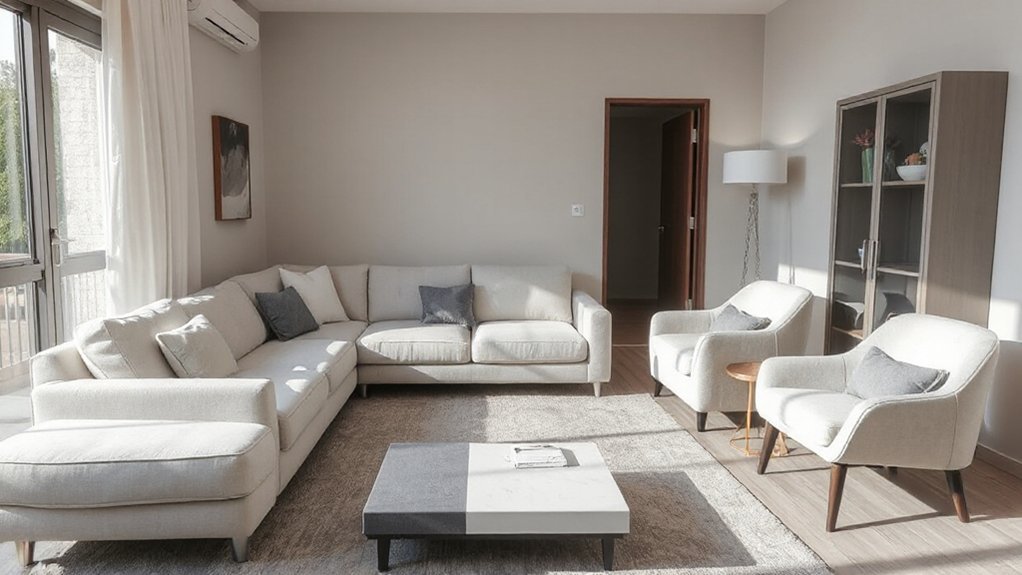
Modular and convertible sofas give small living rooms maximum adaptability without sacrificing style. When you choose modular pieces, you gain effortless reconfiguration for gatherings, workouts, or quiet nights. Convertible options save space without compromising comfort, letting you switch from seating to sleeping with minimal effort.
- Tailor your layout to fit every occasion
- Reclaim floor area with smart, compact designs
- Customize fabrics, colors, and configurations
- Layer lighting and textiles for depth and warmth
- Move freely; everything adapts to your lifestyle
Opt for space saving designs that feel deliberate, not temporary. Look for clean lines, hidden hardware, and easy-to-use mechanisms. Customizable options let you align form with function, ensuring your sofa grows with you. With modular or convertible choices, you maximize room versatility while preserving a cohesive, stylish aesthetic.
Optimize Traffic Flow and Room Zoning
How you arrange furniture can make or break flow in a small living room. Start by defining clear zones: seating, conversation, and a lightweight intake for tech or decor. Place the sofa to anchor the main axis, keeping at least 18 inches of walking space along aisles to preserve Traffic flow. Use a compact, low-profile piece to avoid visual clutter and to maximize sightlines. Orient chairs or a loveseat to face the sofa, creating a natural conversation loop without obstructing doorways or pathways. Intersperse rugs to delineate Room zoning, but keep scales proportional to the room to avoid cramped feels. Choose storage-free or multi-use accents that pull double duty, preserving openness while maintaining function and balance.
Pick Durable Fabrics and Easy Care
Durable fabrics stand up to daily use, so you’ll save time and worry between cleanings. Look for tight weaves, stain resistance, and pet- and kid-friendly finishes as you compare options. Easy-care upholstery keeps your small space looking sharp with minimal effort.
Durable Fabrics Matter
Durable fabrics matter because your sofa will see daily use, spills, and inevitable wear. Choose textiles that resist staining and pilling, yet feel inviting under touch. Your fabric maintenance plan starts with smart fiber selection and accessible care instructions, not mystery upkeep. Favor tight weaves, stain-resistant finishes, and synthetic blends that mimic natural textures without harsh upkeep. Consider how the material ages with light and use, and balance durability with comfort and aesthetic.
- Resilience that matches daily living, not showroom perfection
- Clear care steps that fit real-life routines
- Textural appeal that stays fresh after seasons
- Stain resistance without sacrificing comfort
- Timeless colorways that conceal minor joys and accidents
Easy-Care Upholstery Tips
Choose fabrics that pair everyday practicality with a refined feel, so your sofa stays inviting after frequent use. For easy care, select upholstery with high stain resistance and resilient fibers. Look for blends that balance softness with structure, so you don’t sacrifice comfort for cleanup. Treat fabrics with a protective finish if you can, or opt for tightly woven textures that resist snagging. Once you pick durable options, implement simple fabric maintenance: vacuum weekly to prevent dust, brush away crumbs, and address spills immediately with a blot, not rubbing. Consider removable, washable covers or spot-clean formulas suited to the fabric type. Prioritize colors and patterns that conceal wear, ensuring your small living room feels polished rather than worn.
Budget Wisely: Value, Quality, and Quick Wins
Smart budgeting means spotting budget-friendly quality wins, balancing value with durability, and grabbing quick savings where it counts. You’ll weigh value vs. durability, choosing pieces that look right now and last longer than a season. Start with smart increments—invest in that centerpiece, save on nonessential accents, and optimize delivery and warranties for real long-term payoff.
Budget-Friendly Quality Wins
When you’re shopping on a budget, prioritize value over price: look for solid construction, timeless fabrics, and efficient space usage that last beyond trends.
- Seek sturdy frames and reinforced joints for long life
- Choose neutral textiles you can refresh with accessories
- Pick compact silhouettes that maximize seating without crowding
- Opt for flexible pieces (modular or with hidden storage)
- Add affordable upgrades and stylish accents to elevate the look
Value-driven choices pay off over time, so don’t chase novelty. Focus on quality that translates to comfort, durability, and a clean silhouette in a small room. Affordable upgrades and stylish accents let you refresh without a full redo, keeping your space cohesive, inviting, and adaptable.
Value vs Durability Tradeoffs
Balancing value and durability means prioritizing lasting materials and thoughtful design over short-lived trends. You weigh upfront cost against longevity, choosing materials that age well and resist daily use. Look for high-density foam or springs that hold shape, and fabrics with abrasion resistance or performance blends. Material selection matters most when you plan to keep the sofa for years, not seasons. Aim for a neutral base so you can swap accents without replacing the whole piece. Style consistency is your guide: let cushions, legs, and frame echo a cohesive mood through color, texture, and scale. Invest in solid construction, like reinforced joints and properly aligned seams, and avoid gimmicks that inflate price without delivering durability. Smart choices reduce repaint cycles and maximize quiet confidence in your living room.
Quick, Smart Savings
If you’re aiming for a great sofa without overpaying, start with a plan: define your must-haves, then chase value through materials, construction, and smart timing. You’ll gain Smart storage and aesthetic harmony by choosing pieces that multitask—built-in drawers, slim profiles, and modular layouts that adapt to your space. Prioritize quality without chasing price-only deals; look for reinforced joints, durable fabrics, and tight upholstery. Time your purchases to seasonal sales and outlet events, and don’t fear refashioned remnants or last-season fabrics that still perform well.
- Plan your budget around essentials first
- Seek durable fabrics with stain resistance
- Favor modular options for flexibility
- Watch for multi-function storage features
- Compare warranties and return policies for confidence
Ready-to-Shop: Quick Evaluation Cheatsheet
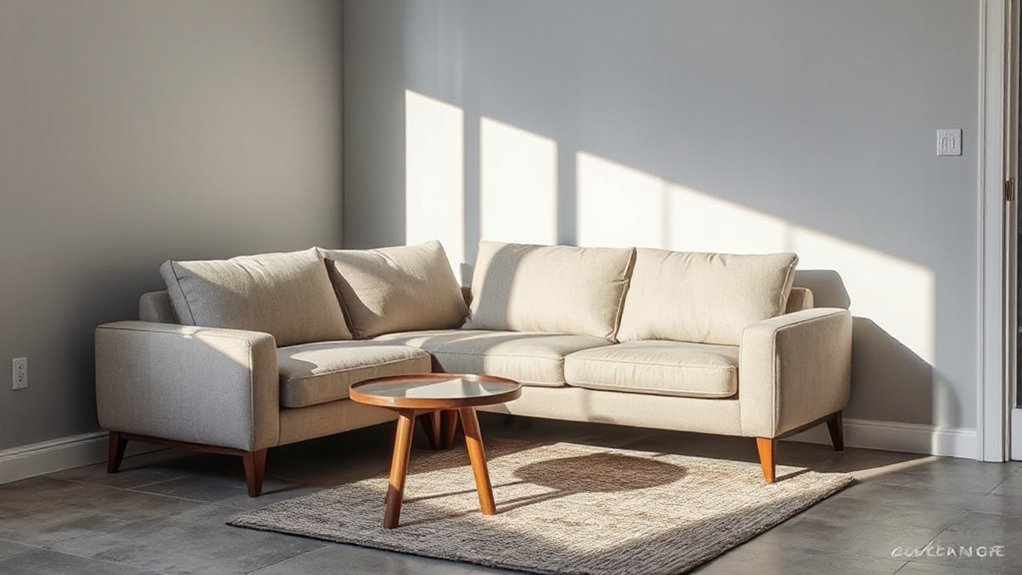
This quick cheatsheet keeps you focused: assess size, scale, and mood at a glance, so you can spot sofa options that fit a small living room without trial-and-error browsing. You’ll evaluate length against wall space, depth for traffic flow, and height for sightlines in seconds. Prioritize compact profiles, modular pieces, or armless silhouettes to maximize seating without crowding. Check fabric and color in natural light to verify color coordination and style consistency across the room. Note how cushions, backrest height, and arm form read from a distance, avoiding bulky accents. Compare affordances: built-in storage, sofa bed, or chaise options that serve dual functions. With these quick checks, you shop confidently and refine choices before you commit.
Frequently Asked Questions
How Do I Measure Doorways to Ensure Sofa Delivery Fits?
To measure doorways, you’ll note width, height, and any trim, then compare to sofa dimensions. Align decor placement with door clearance, and assess cushion firmness for flow; plan delivery routes and mark tight turns for smoother setup.
What Sofa Depth Works Best for Extremely Small Rooms?
Did you know 60% of tiny rooms feel cozier with a 72-inch sofa? A sofa depth around 28–32 inches works best for tight spaces. Consider Sofa material and Upholstery options that stay sleek, comfortable, and visually lightweight.
Can I Place a Sofa Against a Window Without Blocking Light?
Yes, you can place a sofa against a window without blocking light. Opt for low-profile or armless designs, use sheer window treatment, and maximize natural lighting with mirrors and strategic spacing around the sofa.
How Do I Choose a Sofa Height for Low Ceilings?
Aim for a sofa height that fits your low ceilings; pick low-profile silhouettes. Consider Sofa leg styles and Upholstery durability to balance space and longevity, ensuring easy cleaning. Choose sleek legs, durable fabric, and a proportionate back for visual harmony.
Are There Any Hidden Costs Beyond Price When Shopping?
Yes—there can be hidden fees and maintenance costs. You’ll want to calculate delivery surcharges, warranty options, and potential fabric cleaning needs, then compare overall value to avoid surprises and keep your budget strategically aesthetic.
Conclusion
You’ll wrap your small space in smarter style by choosing modular or armless sofas that maximize flow and function. Remember: a 12–14 foot living room scales best with a compact sofa plus a chair or ottoman for flexibility. Prioritize neutral hues and durable fabrics for longevity, and add hidden storage or a sofa bed to boost usability. With crisp planning, you can reclaim 20% more usable floor area—making every inch feel calm, cohesive, and inviting.
About the Author