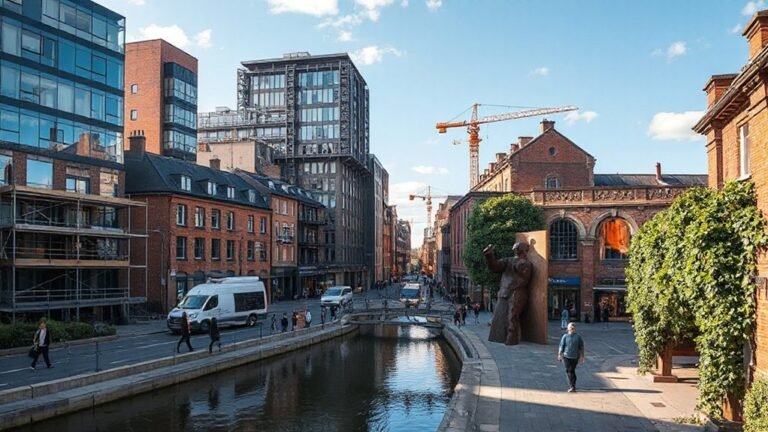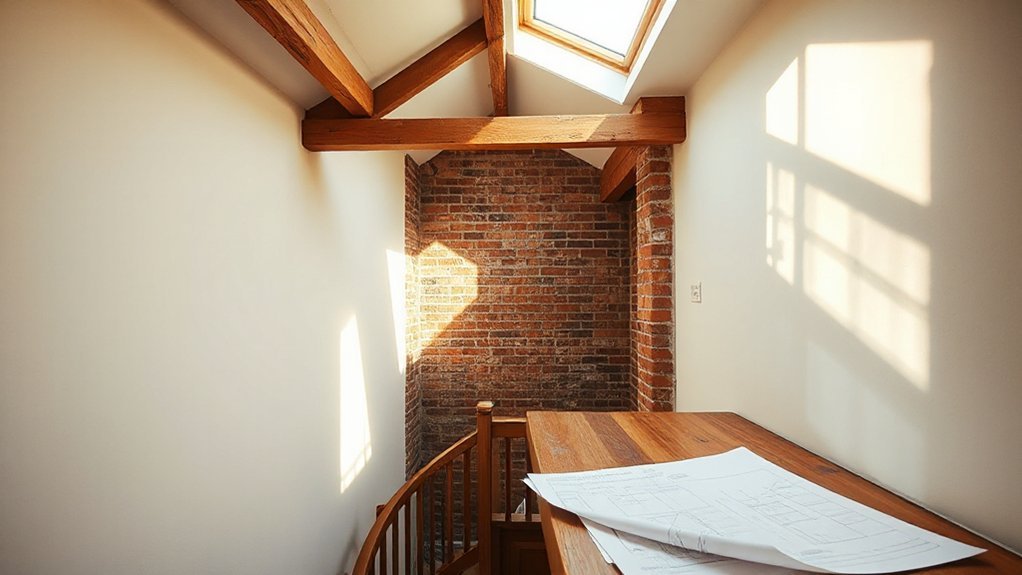
Think of loft rules like a clock: small moves can spoil the whole mechanism. For terraced houses, you’ll weigh permitted development limits, height and volume thresholds, and any local constraints before you decide if you need formal planning permission. If your project stays within rules, you’ll avoid formal consent; push beyond them and you’ll face review, neighbor notices, and possible refusals. The path you choose hinges on permissions, restrictions, and how you document your design—so consider what comes next carefully.
Do I Need Planning Permission for a Terraced Loft?
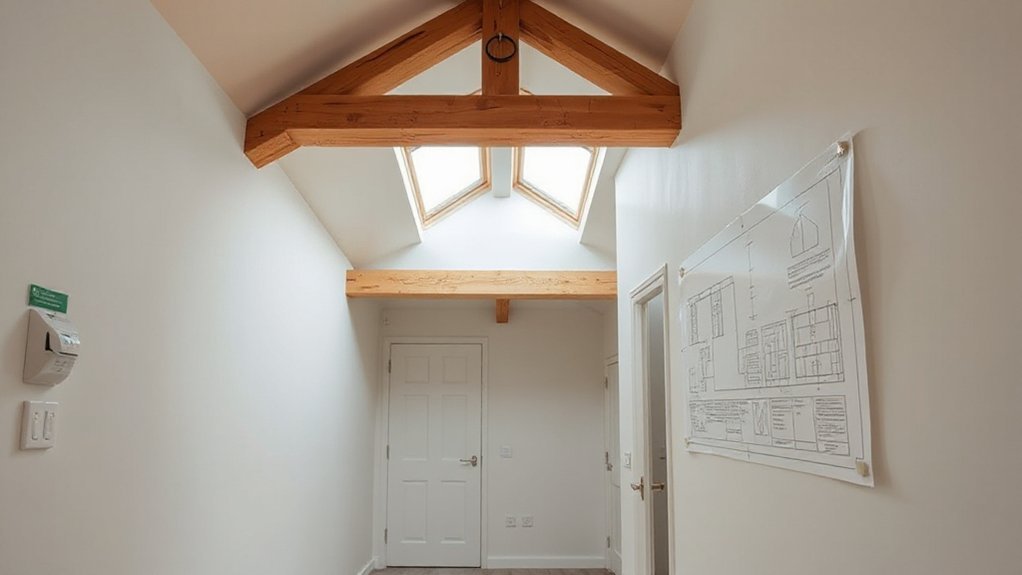
You may not need full planning permission for a terraced loft, but you’ll likely require a deemed consent route under Permitted Development if certain conditions are met. In practice, you assess height, eaves, and location relative to boundaries to determine eligibility. You’ll be expected to maintain the building’s current footprint and avoid enlarging it beyond stipulated limits. Internal layout changes and finishes can proceed without formal consent if they don’t impact external appearance or structure beyond permitted envelopes. For energy efficiency, confirm Loft insulation meets current thermal standards and installation is compliant. Address Roof ventilation to prevent condensation and preserve roof fabric. If any external alterations occur, verify they stay within permitted development parameters or risk planning authority intervention.
What Counts as Permitted Development for Terraced Lofts
Permitted development for terraced lofts hinges on meeting strict size, height, and location limits within the PDR (Permitted Development Rights) framework. You must assess gross internal floor area increases, eaves height, and roof alterations against statutory caps, exclusions, and neighbouring impact. Loft insulation quality and continuity directly influence compliance, as gaps or inferior performance can constitute non-compliance even when volumetric allowances are met. Ventilation requirements must be preserved or enhanced to prevent damp and overheating, with adequate means for background and intermittent extraction. You’re expected to avoid dormer extensions that exceed depth or length limits, and to make sure materials, window placement, and access comply with permitted surface treatments. In short, plan within defined measurements, ventilation strategy, and thermal standards to remain within permitted development.
When Does Loft Height and Volume Trigger Planning Permission?
When does loft height and volume trigger planning permission? In terraced houses, you assess height and overall volume relative to existing restrictions and the roofspace’s potential for enlargement. If you exceed the prescribed limits for resultant height, eaves, or floor area increase, you’ll typically require planning permission. The key trigger is whether the alteration goes beyond what the permitted development rights allow, taking into account local authority amendments and any Article 4 directions. You must also consider the impact on adjoining properties, daylight, and the visual bulk from the street. Confirm compliance with building regulations for Loft insulation and Roof ventilation to support permitted changes, or to justify permission where thresholds are surpassed. Proper documentation streamlines approvals and reduces refusal risk.
Party Walls and Neighbor Notifications: What You Need to Know
Party walls govern how your loft or extension interfaces with a shared boundary. You must understand the legal framework governing party walls and the notice obligations that accompany work near a divider. When you plan any structural alteration that affects a party wall, you typically serve a party wall notice to your neighbor detailing scope, timing, and methods. The notice initiates a formal process that can lead to a party wall award or agreement, outlining responsibilities, costs, and safeguards. You should maintain clear documentation, record responses, and respect statutory timelines to avoid disputes. If your work touches the neighbor’s structure or heighten impacts, engage early, document findings, and communicate changes promptly to secure compliant execution and minimize risk of delays. Neighbor notification remains essential.
Conservation Areas and Other Local Restrictions: Impacts on Loft Design
Conservation area constraints and other local restrictions directly shape loft design, so you must assess planning implications early. Local authorities may impose size, design, and materials limits, affecting your initial scheme and preferred works. Understanding these constraints upfront helps you anticipate required approvals and avoid costly redesigns.
Conservation Area Constraints
Conservation areas and related local restrictions directly shape loft design by adding heightened scrutiny and specific design constraints. You consider how nearby historic fabric and prevailing streetscape influence your plan, because any alteration must respect the area’s character. You’ll encounter stricter controls on materials, rooflines, and fenestration, with decisions audited against established priorities rather than aesthetics alone. Historic preservation expectations drive you to document the existing context, justify deviations, and demonstrate compatibility with surrounding forms. Architectural guidelines within these zones emphasize traditional detailing, scale, and proportion to maintain coherence with neighboring properties. You assess potential impacts on windows, chimneys, and roofing silhouettes, ensuring improvements don’t undermine the uniformity of the terrace. Compliance hinges on robust rationale, precise measurements, and alignment with local policy.
Local Authority Impacts
Local authorities impose specific constraints that shape loft design, especially within conservation areas and under other local restrictions. You must assess how local zoning rules and planning policies affect height, massing, and use, then align your design to minimize objections. In conservation areas, expect stricter controls on exterior alterations, roof alterations, and materials to preserve character; check listed status, frontage treatments, and precedent concerns. Also review Article 4 Directions or Article 4AS, where applicable, to limit permitted development rights. Community feedback matters: pre-application engagement can signal public concerns and influence decisions. Guarantee your plans reflect sensitive detailing, avoid overdominant extensions, and demonstrate neighbour compatibility. Document impacts on light, privacy, and drainage, and address enforcement risks early to reduce revision cycles. Local zoning and proactive consultation drive acceptance.
Loft Design Details: Roof Slope, Eaves, and Dormer Options
When designing loft spaces, key details like roof slope, eaves, and dormer options directly affect headroom, natural light, and ventilation, and they must match your local planning rules and structural limits. You assess slope to maximize usable height while preserving structural integrity; steeper slopes can improve headroom but may complicate insulation details. Eaves influence weather sealing and heat loss, so specify continuous membranes and vented trims. Dormer selection should balance gain in space with external massing and planning thresholds. Consider roof insulation and airtight junctions at eaves, dormers, and ridge to meet U-values. Plan for structural reinforcement where joist spans, king posts, or rafters bear loads beyond standard terraced configurations. Detail nailing, connections, and damp-proof courses to ensure durable performance and compliance.
Your Step-by-Step Path to Application or Prior Notification
You’ll map your path by distinguishing between the Application Path and the Prior Notification steps, so you know which process applies to your loft project. You’ll review eligibility, timing, and required documents for each route, ensuring you meet all criteria before submission. You’ll then proceed with a clear, organized plan that aligns your project scope with the appropriate regulatory route.
Application Path Overview
Starting with a clear path minimizes delays: this section outlines the step-by-step process to secure Loft Conversion planning permission or use prior notification. You start by confirming eligibility for your terraced setting and identifying the applicable regulations. Next, you prepare a concise application package or notification dossier, including scaled drawings, site plan, and design statements. Submit to the local planning authority via the appropriate channel, then await acknowledgement and potential requests for clarification. During review, you monitor deadlines, respond to any material queries, and iterate as needed. Focus on interior finishes and material choices to guarantee alignment with policy expectations without compromising structural integrity. Upon approval, implement per approved plans and maintain records for future compliance and potential audits.
Prior Notification Steps
Prior Notification lets you determine whether your loft conversion qualifies for permitted development or requires a formal planning application. You begin by confirming eligibility, then prepare the required details for submission. You’ll provide site address, ownership confirmation, and a concise description of proposed works, focusing on dimensions, eaves, and roof alterations. Local planning authority guidelines specify timeframes for response, typically a set 8–12 weeks, but these can vary by jurisdiction. Throughout this step, you assess compliance with building regulations and confirm any necessary monitoring during construction. You should evaluate potential impacts on neighbouring properties and record any objections or amendments you anticipate. Prior Notification does not guarantee approval; it initiates scrutiny of structural integrity and adherence to statutory requirements. Prepare to adapt plans if the authority requests further evidence.
Gather These Documents: Working With the Local Authority
To work effectively with the local authority, assemble all relevant documents early and keep them organized for rapid review. You should present a complete dossier that demonstrates compliance with Building regulations and clarifies structural considerations. Begin with your application form, cover letter, and plan reference numbers, then attach detailed drawings, elevations, and section sheets. Include a current project description, scope of works, and a clear site plan showing access routes and adjoining properties. Provide proof of ownership or consent from freeholders where required, and schedule information about party walls. Attach prior approvals, energy assessments, and any relevant surveys. Maintain an index, version control, and a point of contact for queries to streamline communications and reduce review time.
Practical Tips to Avoid Common Loft-Permission Pitfalls and Timelines

Careful planning prevents delays. To avoid common loft-permission pitfalls, map your timelines against the approval process and build in buffers for objections or amendments. Maintain precise documentation for each stage, from initial drawings to final sign-off, and verify compliance with local guidance before submission. Focus on structural and fire-safety considerations to minimize revision cycles and expedite permits. Prioritize energy efficiency components, since loft insulation and ventilation systems influence approvals and long-term performance. Communicate clearly with stakeholders to prevent scope creep and rework. Track submission milestones, responses, and revised drawings to sustain momentum.
- Visualize the submission path as a clear relay race, with each handoff preventing backtracking.
- Lock down technical details early to avoid late-stage redesigns.
- Audit insulation and ventilation specs for regulatory compatibility.
- Schedule phased reviews to align with council timelines.
Frequently Asked Questions
Can I Convert Loft Space With No Outward Changes Legally?
Yes, you can, but you must meet building regs. You’ll need proper attic insulation and roof ventilation, and guarantee the conversion doesn’t alter structure or fire safety class. Otherwise, you risk non-compliance and potential enforcement actions.
Do Building Regulations Approvals Replace Planning Permission?
Yes, building regulations approvals replace planning permission for most loft changes. Think of it as a ship’s hull: you need a structural assessment and a building permit to sail legally, not merely planning permission.
Will Party Wall Awards Affect Project Timeline and Cost?
Yes, party wall awards can affect your project timeline and cost. You’ll encounter party wall disputes as you progress, which may trigger construction delays, additional surveyor fees, and notice periods—potentially extending build time and tightening budget contingencies.
Are In-Conservation-Area Restrictions Predictable by Street Name?
Street name restrictions aren’t predictable by street name alone; Conservation area guidelines depend on local authority specifics. You should consult planning records, apply for confirmation, and verify relevant restrictions early to avoid noncompliance or delays.
How Long Does a Typical Loft Conversion Planning Decision Take?
Typically, a loft conversion planning decision takes 6–12 weeks; you’ll want to factor site specifics. You assess Loft insulation and roof structural integrity upfront, then engage authorities promptly to avoid delays and guarantee compliant progression.
Conclusion
Planning your terraced loft hinges on permissions, conditions, and compliance. Assess permitted development rights, confirm height and volume limits, and verify conservation-area or Article 4 constraints. Check party-wall duties, neighbor notifications, and building regs. Gather plans, elevations, and calculations; engage the local authority early; anticipate timelines and potential delays. Prepare for approvals or refusals, adjust designs accordingly, and document changes. Plan thoroughly, consult promptly, act decisively, and proceed confidently to render compliant, safe, functional loft space.
About the Author