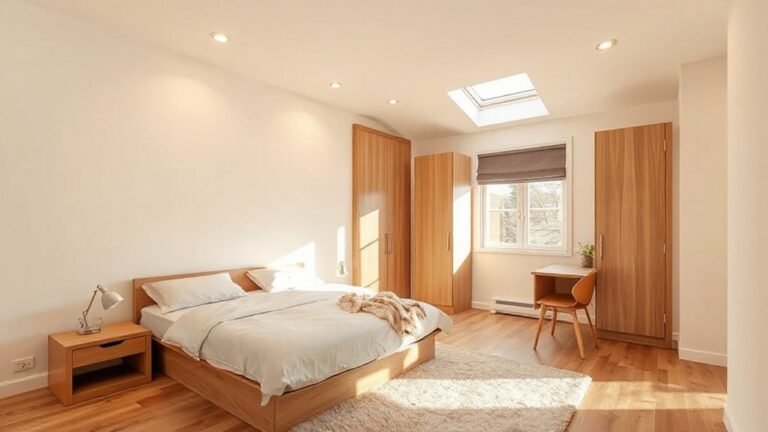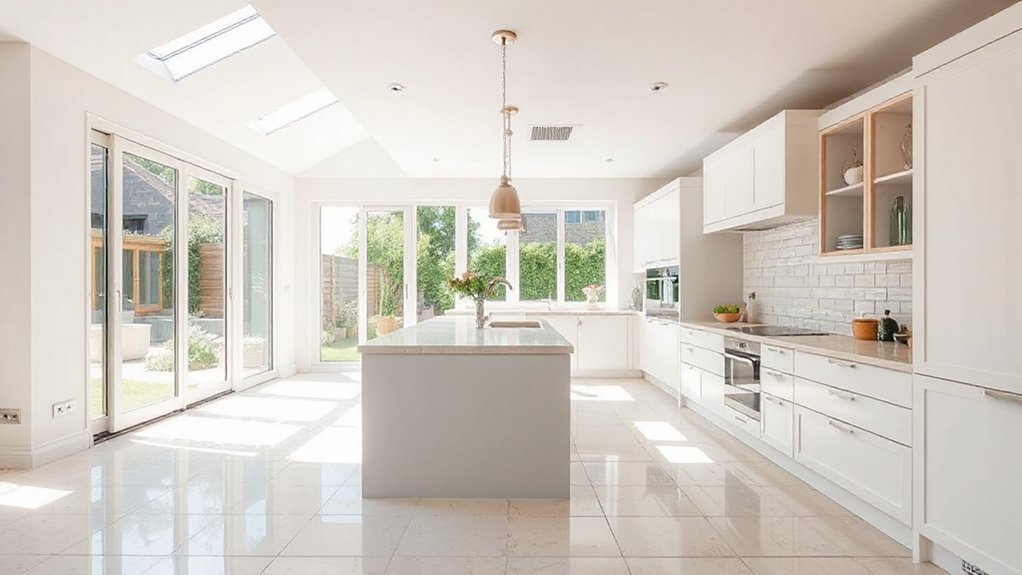
A side return extension can dramatically boost both kitchen workflow and natural light without sacrificing garden space. You’ll weigh costs against finishes, structural needs, and planning hurdles, then forecast budget bands from moderate to high. With design—lighting, circulation, and storage—as core drivers, you’ll explore layouts that blur indoors and outdoors while avoiding common pitfalls. There’s more to contemplate: how to maximize value and minimize disruption, then align your timeline with approvals and trades.
Is a Side Return Kitchen Extension Right for You?
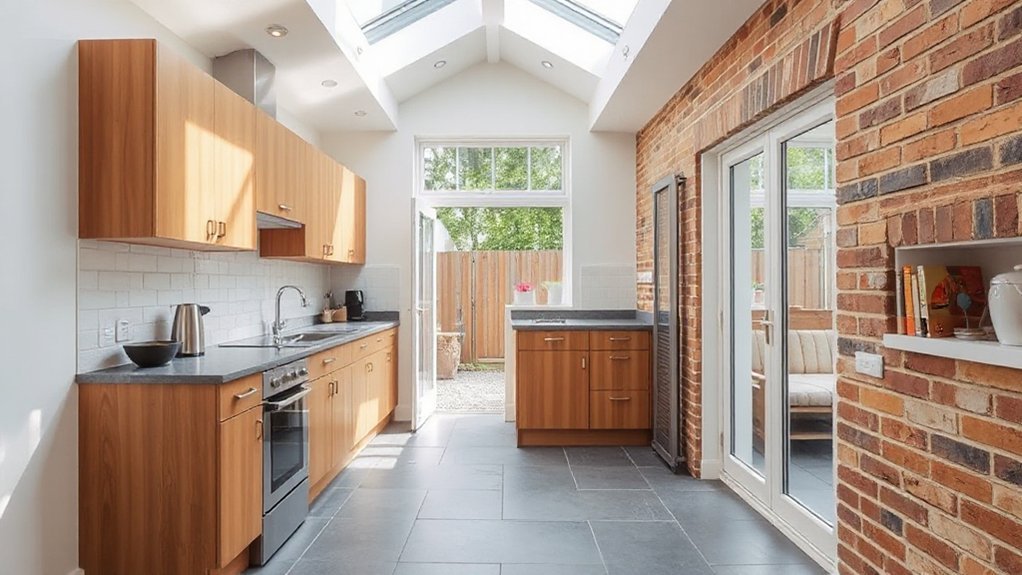
A side return kitchen extension can be a practical upgrade if you’re aiming to maximize usable floor area without sacrificing yard space. You assess suitability by aligning spatial constraints with program needs, ensuring daylight penetration and circulation efficiency. Consider which core activities will occur (cooking, dining, socializing) and whether the resulting footprint supports clear traffic patterns. Interior decor decisions should support function and durability, favoring low-maintenance finishes in high-use zones. Material choices matter for moisture resistance, thermal performance, and long-term stability in an internal extension. Evaluate structural implications, such as load-bearing walls and roof integration, to avoid future retrofits. You’ll benefit from a plan that harmonizes wall geometry with built-in storage, skj, and lighting, while keeping cost-effective, visitable access to utilities.
Costs and Budget Breakdown for a Side Return Kitchen Extension
Costs for a side return kitchen extension can vary widely based on scope, location, and finishes, but you should expect a structured breakdown that targets essential budgeting categories first: design and permitting, core construction (including foundation, superstructure, and roof), services and utilities (plumbing, electrical, HVAC), finishes and fixtures, and contingency. You will translate these categories into line items and unit costs, ensuring traceability from initial estimates to final invoices. Material selection influences both cost certainty and long-term maintenance, so you should establish criteria early and document alternatives with quantified trade-offs. Contractor selection then becomes critical: compare bids, assess risk, review schedules, and verify warranties. Maintain a formal change-control process to manage scope shifts without undermining the budget.
Planning Permissions You’ll Need for a Side Return Kitchen Extension
You’ll need to map the planning permission scope for a side return kitchen extension, clarifying what requires consent and what falls under permitted development. Consider the permit timeline essentials, including submission windows, decision targets, and potential for extensions or revisions. This discussion sets a precise framework for managing approvals efficiently and avoiding delays.
Planning Permission Scope
Planning permission for a side return kitchen extension hinges on whether the project qualifies as permitted development or requires a formal planning application. The scope hinges on the applicable regulations, limits, and exclusions that define what you can build without consent. You’ll assess depth, footprint, and volume thresholds, wall alterations, and any exclusions for additional rooms or changed elevations. If you fall under permitted development, you still must observe restrictions and notify authorities in some jurisdictions. If not, you’ll prepare a full planning application detailing design, materials, impact on neighboring properties, and access. Building permits accompany the process in many regions, aligning with compliance milestones. Neighbour consultation, when required, informs stakeholders and helps mitigate objections while documenting consent or objections in the record.
Permit Timeline Essentials
When planning a side return kitchen extension, timelines hinge on whether the project falls under permitted development or requires a formal planning application. You’ll assess the applicable regime first, then forecast the approval window accordingly. Permitted development typically yields shorter, more predictable timelines, while a planning application introduces statutory consultation, potential objections, and possible amendments, extending the process. Expect pre-application advice with local planning authorities to clarify constraints, such as envelope, height, and alignment. Documentation should include measured surveys, elevation drawings, and a robust design statement. Post-approval steps demand conditions clearance, building regulation sign-off, and contractor mobilization. Consider interior materials and noise insulation implications early, as approvals may hinge on acoustic performance and finish standards. Buildability reviews during planning mitigate delays and improve project certainty.
Design Principles: Lighting, Flow, and Storage for Side Return Kitchens
Lighting enhances your space by directing movement and shaping zones, so you can maintain flow from entry to work areas in a side return kitchen. In this setting, emphasize illumination that aids task execution without glare, and coordinate fixtures to strengthen natural circulation. Storage should preserve brightness by preventing visual chaos and choosing translucent or reflective surfaces that boost light while keeping accessible, orderly arrangements.
Lighting For Flow
A well‑conceived lighting scheme guides movement and defines zones in a side return kitchen, facilitating that task areas are bright without glare and paths remain unobstructed. You optimize flow by layering light: ambient lighting for overall clarity, task lighting for work surfaces, and accent cues to reveal shifts between zones. Position under‑cabinet fixtures to minimize shadows on counters, and use wall washers or linear fixtures to illuminate aisles without creating glare on glossy finishes. Maintain color temperature remains consistent across layers to reduce visual fatigue and preserve color accuracy for appliances and prep. Dimmable controls enable rapid changes from daytime efficiency to evening ambiance. Prioritize glare control with proper diffuser choices and shielded sources, and balance brightness so circulation routes stay legible without overpowering task areas. Ambient ambiance, Task lighting.
Storage With Brightness
In side‑return kitchens, brightness isn’t just about illumination—it shapes storage accessibility and usability. You balance light levels with compartment design, ensuring every unit reads clearly in natural brightness. Creative storage emerges where panels, shelves, and drawers align with sightlines, minimizing rummage and maximizing reach. You should locate tall units along well‑lit walls to exploit contrast, while shallow pullouts keep frequently used items visible. Avoid deep, shadowed zones by integrating interior cabinet lighting and reflective surfaces that preserve clarity without glare. Channel flow by pairing bright zones with logical, labeled storage groups, so you don’t have to over‑search. You test configurations under varied daylight to verify that material finishes and hardware choices sustain legibility, durability, and ease of access in daily use.
Layout Ideas: Café-Style and Indoor–Outdoor Configurations
Cafe-style and indoor–outdoor layouts optimize workflow and sightlines in side return kitchen extensions. You align work zones with primary access points, ensuring efficient prep, cooking, and cleanup flows. Seating is positioned to minimize cross-traffic while maximizing natural light and ventilation. Materials and finishes should support durability and easy maintenance, with a focus on eco friendly materials and low-emission surfaces. Vintage decor can anchor the design without compromising function, using restrained accents that don’t impede circulation or storage access. Lighting plans incorporate layered layers—task, ambient, and accent—to sustain clarity during peak hours. Consider a seamless progression between indoor and outdoor zones to extend the usable footprint when weather permits. This approach preserves integrity, enhances usability, and supports scalable layouts.
- Defined work zones with clear sightlines
- Intentional progressions for indoor-outdoor harmony
- Durable, low-maintenance finishes and vintage accents
Common Pitfalls in Side Return Extensions and How to Avoid Them
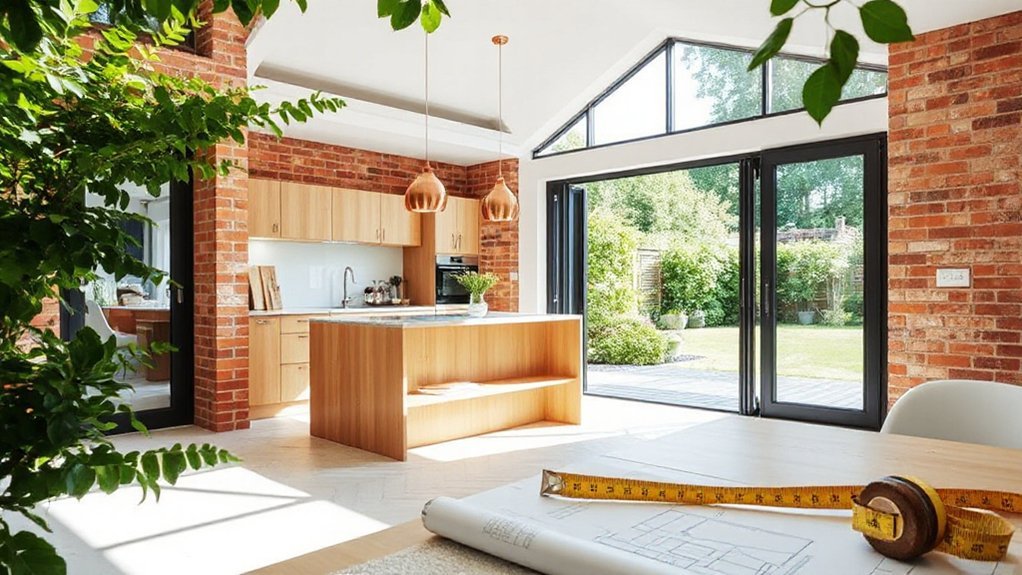
By anticipating common pitfalls in side return extensions, you can prevent costly delays and guarantee the project remains aligned with your functional goals and budget. The foremost risk is compromised structural integrity, caused by improper load paths, inadequate anchorage, or overlooked foundational settlement. Verify JCA and local codes early, and insist on precise framing details, including lintel spans and party-wall provisions. Another pitfall is inappropriate material selection, which undermines durability and moisture management; choose weather-resistant, dimensionally stable components with compatible finishes. Coordination errors between structural, MEP, and finishes teams frequently surface in tight side returns; implement a single source of truth for drawings and a rigorous RFI process. Finally, address moisture bias and thermal bridging proactively to sustain long-term performance.
Budgeting, Timelines, and Value-Adding Tips for Your Extension
Careful budgeting and realistic timelines are essential to keep your side return extension on track and within expectations, while still maximizing value. You’ll define a baseline cost model, account for contingencies, and align milestones with procurement and permits. Value comes from performance-focused decisions, like optimizing interior acoustics for comfort and avoiding excessive finishes that don’t materially improve function. Track cash flow weekly, reallocate reserves for design refinements, and monitor disruption to your daily routine to minimize downtime. Schedule trades with lead times in mind and verify exterior landscaping works integrate with drainage and site grading. Anticipate potential retrofit costs if structural tweaks arise.
- Budget-timing integration for permits, trades, and deliveries
- Interior acoustics optimization vs. finish saturation
- Exterior landscaping and drainage compatibility with the extension
Frequently Asked Questions
How Long Does a Side Return Kitchen Extension Typically Take to Build?
A side return kitchen extension typically takes 6–12 weeks from planning to completion, depending on complexity. You’ll need interior lighting plans and flooring options finalized, as these impact sequencing, inspections, and finish quality throughout the build.
Can a Side Return Extend a Single-Story Home Legally?
Yes, you can extend a single-story home, but you’ll dodge irony by honoring Legal regulations and Planning permissions. You, however, must assess local rules, fetch approvals, and verify setbacks, foundations, and party-wall considerations before proceeding with any construction.
What Maintenance Issues Are Common in Side Return Kitchens?
You’ll encounter common maintenance issues like appliance upgrades causing electrical strain and plumbing concerns under improper drainage; inspect connections regularly, guarantee venting is adequate, and monitor humidity to prevent mold, corrosion, and inefficient fixtures.
How Does Insulation Impact Energy Bills in a Side Return?
Like Icarus, you’ll soar only if you respect limits: insulation materials boost thermal efficiency, cutting bills. You’ll see smaller losses and steadier temps when you select proper insulation, optimizing thermal efficiency through effective, continuous coverage.
Are There Eco-Friendly Materials Ideal for Side Return Extensions?
Yes, you can use eco-friendly materials like recycled timber and bamboo flooring for side return extensions; they reduce embodied energy, lower maintenance, and offer precision performance, durability, and moisture resistance when properly specified and installed.
Conclusion
Consider all factors—costs, permissions, layout, light, and storage—before committing. A well-planned side return kitchen can maximize space and value, but missteps amplify risk and expense. Use precise budgeting, phased milestones, and detailed drawings to align scope with target outcomes. Remember: Rome wasn’t built in a day, but with disciplined planning you’ll build the right extension efficiently and avoid regretful compromises.
About the Author