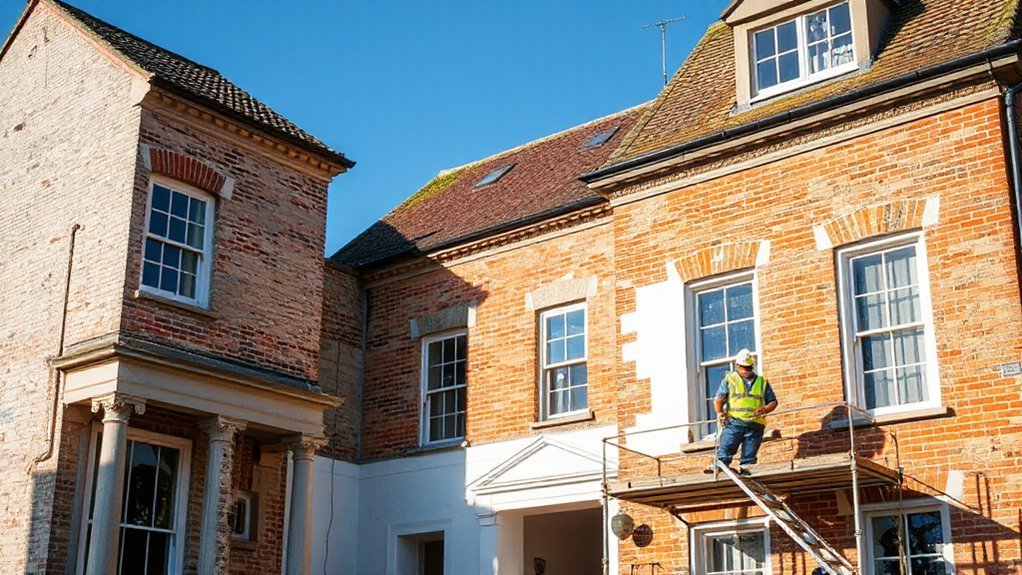
External render repairs for period UK properties are a careful balance of craft and judgment, like wiring a historic fabric back to breathability without suffocating its character. You’ll assess moisture paths, crack patterns, and substrate integrity before selecting lime render, breathable coats, and compatible finishes. Consider texture, colour, and curing conditions to avoid trapped moisture, then plan staged removal and re-application with skilled accuracy. The long-term outcome depends on meticulous detailing and a durable maintenance strategy—so what steps will you prioritize first?
What Makes Period UK Façades Stand Out and Why It Matters
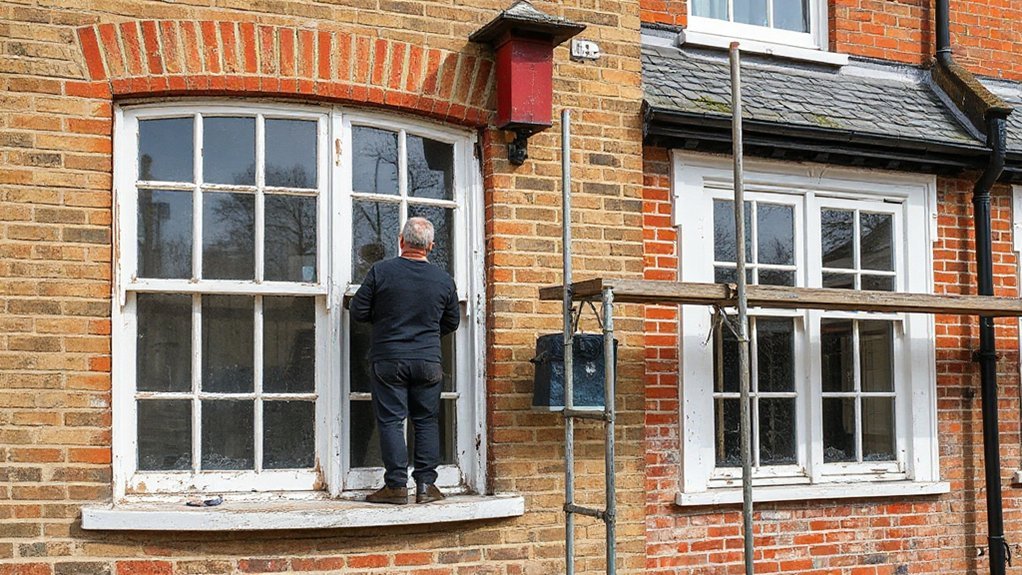
Period UK façades stand out due to a finely tuned blend of historic design cues and durable, proportionate detailing that communicates both character and longevity. You recognize that historical significance isn’t just aesthetic; it informs material choices, layering, and joinery compatibility across restoration stages. The architectural details matter because they define weather response, load distribution, and moisture pathways, guiding how you select renders, pigments, and finishes. You assess proportion, cornice depth, and lintel alignment to ensure the facade remains visually cohesive after repairs. Your approach respects original rhythm, window mullions, and parapet lines while updating substrate resilience. By prioritizing durable joints, breathable interfaces, and compatible textures, you preserve legibility of workmanship, maintain historic integrity, and support long‑term performance without compromising authentic appearance.
How Moisture Threatens Historic Renders (Common Risks)
Moisture is the principal threat to historic renders because water movement drives salt loading, substrate decay, and coating failure. You’ll encounter moisture intrusion from rainfall, rising damp, and wall substrates that breathe poorly, creating continual wetting cycles. These cycles promote salt crystallization, which disrupts render continuity and adhesion, leading to micro-cracks and spalling. Capillary rise transports soluble salts from masonry into the render matrix, altering pore structure and reducing elasticity. Inadequate drainage concentrates moisture at detailing, junctions, and cornices, accelerating decay. To mitigate, you implement damp prevention strategies: improve surface drainage, guarantee airtight yet breathable membranes, and select compatible coatings that accommodate movement without trapping moisture. Regular inspections detect moisture hotspots early, preventing irreversible deterioration and preserving historic appearance and structural integrity.
Lime Render vs Cement: Which Fits Your Property Best?
Lime render offers superior compatibility with historic lime mortars and breathable substrates, but cement may be more durable in certain exposure conditions. You should weigh lime compatibility against cement suitability factors, considering your wall’s substrate, porosity, and movement history. This discussion will clarify which option better preserves integrity and moisture behavior for your property.
Lime Compatibility Matters
When choosing render for period UK properties, the key question is how lime-based mixes interact with existing substrates and the long-term behavior of the wall system. Lime compatibility matters because lime renders breathe, flex, and tolerate moisture movements better than cementitious alternatives. You’ll assess substrate porosity, sweat rates, and historic fabric to avoid trapping moisture that leads to deterioration. A compatible lime mix reduces risk of cracking, spalling, and salt damage, preserving surface texture and patina. For Historic preservation, you prioritize compatibility over immediate cost, ensuring the rendered layer transfers through capillary action as the wall dries. Consider hydraulic lime or lime-putty formulations for varying climates, and align pozzolanic additions with the substrate’s chemistry. Document performance benchmarks to support long-term durability and conservation goals.
Cement Suitability Factors
Cement-based renders can offer rapid setting and higher initial strength, but they often trade stiffness and reduced porosity for speed, which can trap moisture in historic substrates if not matched to the wall system. When evaluating cement suitability, you must evaluate wall substrate compatibility, movement allowance, and breathability demands of the historical fabric. Consider capillary action, alkali management, and differential drying between external coats and insulation layers. Cement renders excel in durability when correctly bonded to compatible backing coats and drainage slopes, yet their rigidity risks cracking where historic substrates exhibit enhanced thermal or moisture movement. For historical preservation, prioritize formulations with compatible porosity and flexural behavior. Material durability hinges on matched thickness, reinforcing mesh, and appropriate sealants to maintain long-term performance and minimize maintenance.
Are Breather Membranes Worth It for Conservation-Style Renders?
Breather membranes can play a useful role in conservation-style renders, but their value hinges on the moisture dynamics of historic walls and the trade-off between breathability and weather protection. In practice, you’ll assess wall permeability, moisture sources, and internal humidity before deciding if a membrane is warranted. If you retain high porosity behind the render, a breathable layer helps moisture migrate outward without trapping condensate. However, in damp basements or lime-based substrates with low evaporation rates, membranes can create poche pockets and timber risk if the system isn’t correctly depressurized. You should specify compatibility with lime or cementitious renders, detailing fasteners, overlaps, and detailing at penetrations. Breather membranes, when correctly applied, contribute to moisture management without compromising thermal performance or historic fabric durability.
Concrete Repair Steps: Cracks, Deterioration, and Flatting Techniques
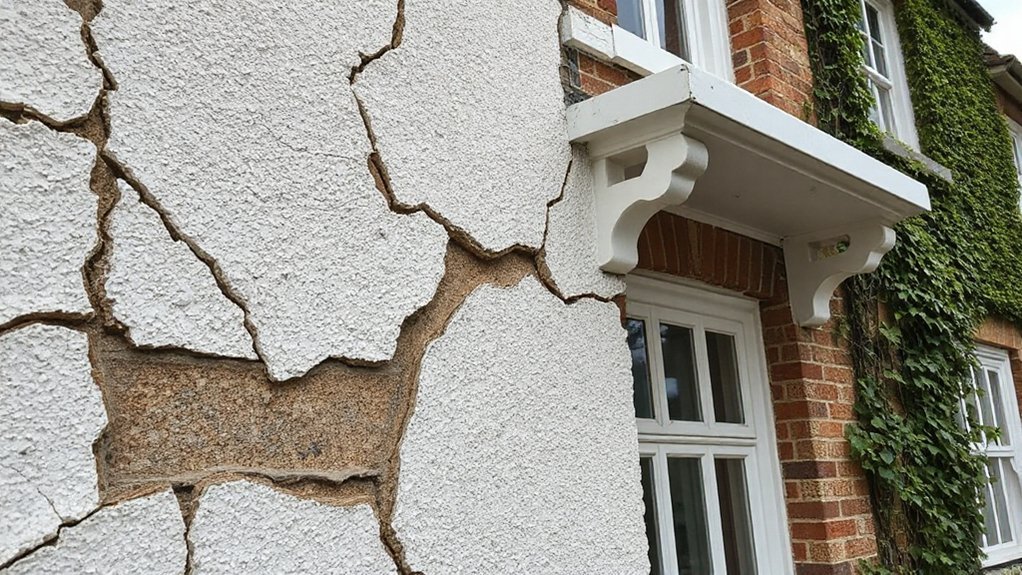
You’ll assess cracks and deterioration to determine bond integrity, substrate condition, and moisture history before selecting repair systems. We’ll outline suitable concrete repair techniques, including patching, re-levelling, and feathering, with attention to substrate compatibility and long-term adhesion. Finally, you’ll compare flatting and finishing options to achieve uniform textures while preserving breathability and the historic appearance.
Cracks And Deterioration
Cracks and deterioration in concrete substrates demand a systematic repair approach to preserve structural integrity and aesthetics. You begin with a precise assessment of crack size, location, and movement history, documenting moisture patterns and any active corrosion indicators. Choose a repair method that respects historical preservation principles while ensuring durability; epoxy or cementitious injections suit non‑moving cracks, whereas enlarged voids require partial or full-depth reprofiling. For deterioration, remove unsound material to solid, sound substrate, then apply compatible mortars that match porosity and thermal expansion. Material compatibility is critical: select binders and aggregates that harmonize with existing render to avoid induce cracking. Implement surface preparation, bonding agents, and controlled curing to minimize mismatch stresses. Conclude with protection strategies addressing moisture ingress and environmental exposure, maintaining long‑term aesthetic fidelity.
Flatting And Finishes
Flatting and finishes follow the initial repair work by leveling and smoothing the repaired substrates to restore a cohesive surface that accepts coating and rendering treatments. You’ll then assess substrate compatibility, ensuring uniform porosity and edge definition before final coats.
- Verify historical authenticity in texture and exposure, guiding finish choices to respect period aesthetics.
- Select materials that balance breathability, compatibility, and durability with existing render.
- Opt for controlled flattening, minimizing dust and preventing over-skimming that could seal pores.
- Apply a staged, damp-sponge touch-up to even sheen, reduce lap marks, and reveal any substrate inconsistencies.
This approach preserves material selection integrity while delivering a smooth, cohesive field ready for final render application.
Concrete Repair Techniques
Concrete repair focuses on restoring structural integrity and surface flatness through targeted treatment of cracks, deterioration, and subsequent flattening techniques. You begin by evaluating crack patterns, dimensions, and movement history, then select appropriate mend materials and oriented strand infill where needed. For cracks, you opt epoxy or polyurethane injections to restore bond and minimize differential settlement, ensuring alignment with architectural detailing concerns. Deterioration is addressed with consolidants and high-build mortars that match original mix density, enabling seamless integration with existing render profiles. Flattening techniques combine skim coats and controlled troweling to achieve uniform plane surfaces, reducing rebound and delamination risks. Throughout, you consider Historical significance and preserve authentic texture, avoiding over-application. Documentation of product compatibility and curing cycles guides long-term performance. Continuous monitoring informs future maintenance.
Matching Colour and Texture to Conservation Guidelines
Matching colour and texture to conservation guidelines is essential to guarantee external render repairs on period UK properties blend with historic fabric and weathering patterns. You assess colour palettes against historical documents, sample boards, and site conditions to assure perceptual continuity and minimal visual intrusion.
1) Match base render texture to original masonry, including roughness and aggregate size.
2) Calibrate colour using pigment inventories, fade considerations, and local climate impact.
3) Verify compatibility with historic lime-based systems and breathability requirements.
4) Document decisions for future maintenance, emphasizing Historical authenticity and Material sourcing. You reject modern finishes that obscure timber framing or stone joints, favoring materials sourced locally to honor regional character. Your process notes how subtle tonal shifts and micro-texture variation support long-term durability while respecting heritage values.
Traditional Finishes That Deliver Modern Durability
Traditional finishes that deliver modern durability build on time-tuned materials and simple application methods that respect historic fabric while meeting contemporary performance demands. You choose breathable renders and compatible primers to avoid trapping moisture, aligning with traditional masonry behavior while resisting weathering. Time-stepped mixes and controlled setting achieve consistent film formation, minimizing cracking in variable UK climates. You prioritize substrate compatibility, ensuring expansion joints and detailing accommodate movement without compromising aesthetics. For durability, you deploy sustainable materials with low environmental impact, derived from natural polymers and mineral binders that age gracefully. You integrate innovative coatings that enhance UV resistance, water repellence, and colorfastness without obscuring texture. You document performance benchmarks, monitoring tensile strength and substrate decoupling, so repairs remain reversible, auditable, and harmoniously integrated with historic context.
Hiring Craftspeople: Credentials, Experience, and Process
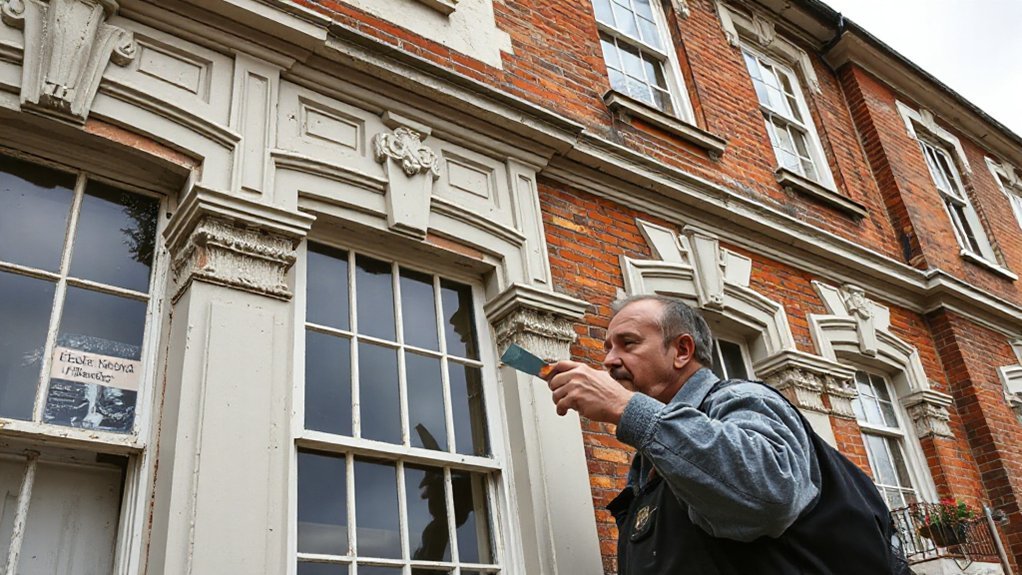
Choosing the right craftspeople for external render repairs on period UK properties hinges on verified credentials, relevant on-site experience, and a disciplined process. You’ll assess their qualifications, insurer status, and trade memberships to ensure accountability. Their on-site track record should demonstrate compatibility with traditional finishes and modern aesthetics, while still applying sustainable materials where appropriate.
- Verify licenses, workmanship guarantees, and client references.
- Review project histories featuring period properties and compatible renders.
- Confirm a written method statement, material specs, and site safety plan.
- Ensure a phased schedule with quality checks and clear communication points.
Budgeting for Long-Term Performance and Maintenance
Effective budgeting for long-term performance and maintenance begins with a clear lifecycle view of the render system, including initial installation, anticipated refurbishments, and periodic inspections. You should chart capital costs, ongoing materials, labor, and contingency reserves against expected service intervals to prevent reactive spending. Implement a performance-based funding plan tied to weather exposure, substrate condition, and moisture risk assessments. Prioritize decisions that support Historic preservation while optimizing life-cycle cost, such as durable finishes and inspectability. Allocate funds for non-destructive testing, scaffold access, and above-surface repairs that preserve architectural details. Favor Sustainable materials that meet compatibility, vapor permeability, and thermal performance requirements. Establish transparent governance, procurement standards, and documentation to support future maintenance cycles and informed retrofit choices. Regularly review assumptions and adjust budgets accordingly.
Frequently Asked Questions
How Long Does an External Render Repair Typically Take on Period Properties?
A typical exterior render repair on period properties takes several days to weeks, depending on damage extent and climate. You’ll need scaffolders, lime mortar matching, and historic color coordination to guarantee proper curing and longevity.
What Maintenance Schedule Is Recommended After Repairs Are Completed?
You should schedule inspections quarterly for two years, then annually, monitoring cracking, moisture, and coating wear. You’ll use modern materials, minimize environmental impact, and adjust maintenance based on weather, substrate age, and observed performance, documenting every reminder. Suspenseful, technical cadence.
Can You Blend New Renders With Non-Traditional Substrates Ethically?
Yes, you can blend new renders with non-traditional substrates ethically, using modern materials and ethical practices, ensuring compatibility, breathability, and long-term performance while documenting materials, adhesives, and installation steps for traceability and compliance.
Are There Insurance Considerations for Historic-Render Interventions?
Insurance claims surge by 18% for historic preservation interventions; you must document materials, compliance, and provenance. You’re evaluating coverage gaps, coordinating with insurers, and ensuring risk-based pricing to protect historic render interventions and future remediation.
What Signs Indicate a Need for Re-Rendering Versus Patch Repairs?
You’ll notice pronounced cracking, widespread hairline fissures, or damp coursing that suggests re-rendering; localized delamination or patching suffices for small defects. Prioritize color matching and material compatibility to guarantee seamless integration and long-term performance.
Conclusion
You should plan for long-term performance, not quick fixes, by prioritising breathable lime systems, precise crack inspection, and compatible finishes. Align your approach with conservation guidelines, matching texture and colour while preserving historic patination. Expect moisture to shape outcomes and choose appropriate coatings or membranes only where they enhance breathability. An interesting stat: homes with regular lime-render maintenance report up to 40% fewer repeat repairs over a decade. Invest in skilled conservation craft for enduring façades.
About the Author