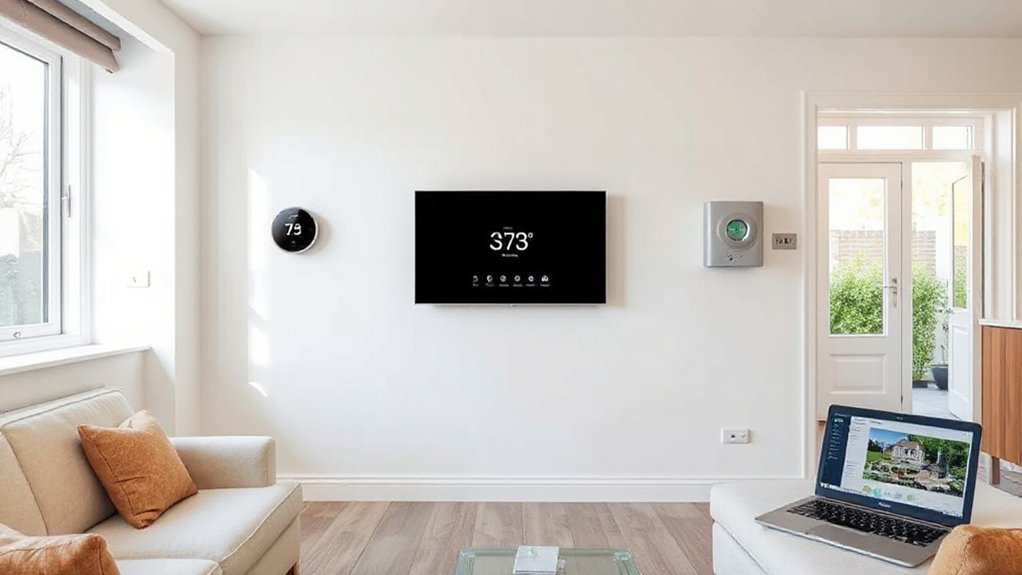
Smart homes are suddenly the single biggest lever for UK property value, yet the real impact hinges on measurable energy savings, compatibility, and future-proofing. You’ll want to quantify efficiency gains, prove interoperability, and show low-disruption upgrades that buyers actually trust. The path to lasting appeal isn’t flashy; it’s data-driven choices that balance cost, resilience, and ease of use. If you aim to stand out, you’ll need a clear plan that addresses energy, safety, and simplicity—and consequences for resale’ll follow.
What Makes a UK Smart Home Truly Valuable (Criteria You Should Know)
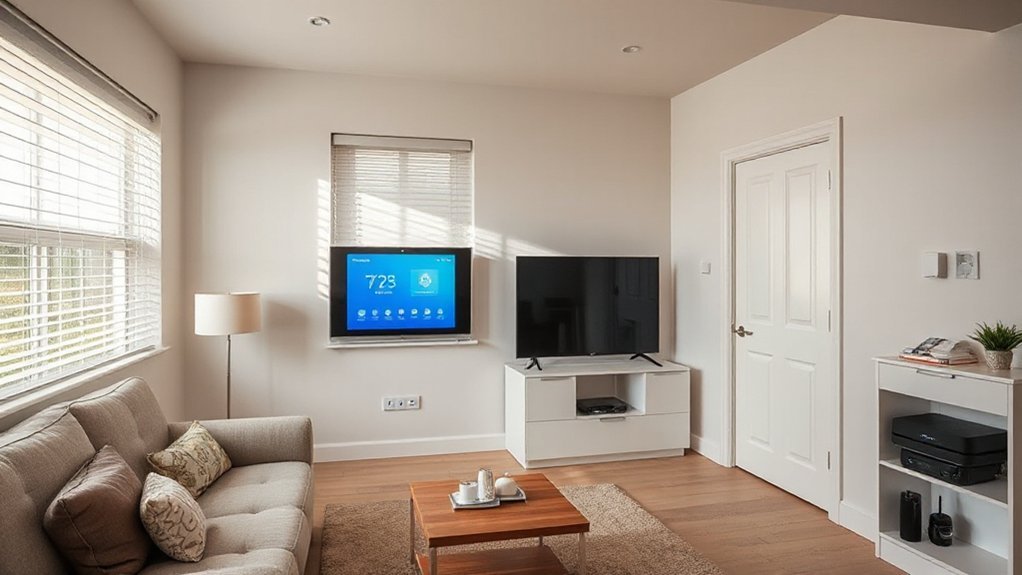
A truly valuable UK smart home hinges on measurable impact: safety, energy efficiency, comfort, and long-term resilience. You assess value by how systems reduce risk, cut costs, and improve daily living without added complexity. Smart home integration should streamline controls, data sharing, and interoperability across brands, ensuring reliable performance and future compatibility. You quantify benefits through objective metrics: incident reductions, energy intensity improvements, and occupancy-driven comfort scores. Property valuation rises when systems demonstrate verifiable ROI, resilience to maintenance, and scalable architecture for upgrades. You examine post-installation data, warranty coverage, and serviceability to forecast longevity. Use standardized reporting to compare homes, isolating features that consistently drive price premiums. In sum, measurable performance, seamless integration, and documented ROI clearly elevate the asset in the eyes of buyers and appraisers.
Prioritize Energy Efficiency for Long-Term Savings
Prioritizing energy efficiency delivers long-term savings by shrinking both peak demand and ongoing consumption. You’ll see value when you adopt data-driven retrofits that target high-usage loads, optimize equipment duty cycles, and reduce standby losses. Energy audits identify cost-effective measures—insulation upgrades, efficient lighting, and smart controls—that cut bills without compromising comfort. You should track performance using measured baseloads, seasonal consumption, and payback periods to validate ROI. When considering renewable integrations, coordinate with efficiency efforts to maximize overall system efficiency and grid resilience, not just deployable tech. The strongest strategies reduce energy intensity while preserving functionality, enabling predictable operating costs and higher home market appeal. In short, efficiency-first design yields durable, measurable value beyond initial upgrade costs.
Smart Heating and Insulation Upgrades That Pay Back
Smart heating and insulation upgrades deliver rapid payback when you couple high-efficiency equipment with tight envelope improvements. You’ll see the strongest returns by pairing a smart thermostat with a well-sealed, insulated building envelope. In practice, heat-loss reductions from insulation upgrade efforts directly translate to lower boiler runtime and reduced gas consumption, often cutting annual energy bills by 15–30% in well-insulated homes. A programmable or learning thermostat optimizes setpoints and heat-on times, sharpening daytime efficiency and reducing wasted energy during idle periods. Payback periods depend on baseline efficiency, local fuel costs, and install quality, but data consistently show 5–7 years for mid-range upgrades in typical UK properties. Prioritize high-R-value insulation, air leakage reduction, and correctly sized heating equipment for maximum value.
Automate Lighting and Power for Buyer Appeal
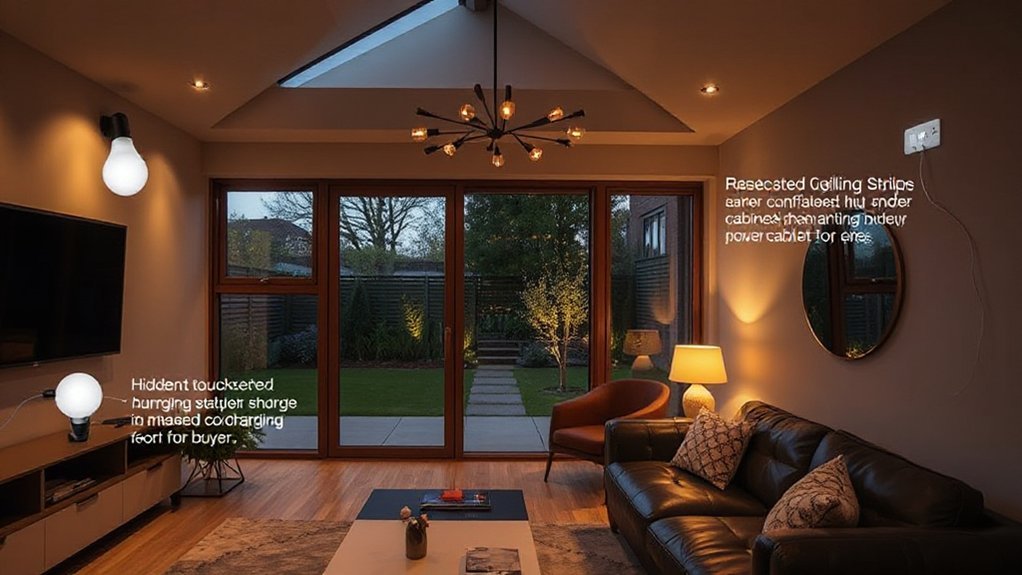
Automating lighting and power boosts buyer appeal by demonstrating modern efficiency and ease of use: smart plugs, bulbs, and lighting controls reduce standby draw and tailor illumination to occupancy, which can translate into noticeable operating-cost savings. You gain data-driven visibility into energy use, enabling precise power management and smarter scheduling that matches daily routines. This approach signals reliability, reduces convenience friction, and can elevate perceived build quality. Lighting automation supports calmer, well-lit spaces that feel more modern and adaptable, while minimizing energy waste. When buyers see measurable savings, the property stands out for efficiency and control.
- Reduced standby draw through intelligent devices
- Customizable schedules that align with occupancy
- Clear, trackable energy-use data for power management
Smart Security Systems Buyers Trust
Improving security systems aligns with the data-backed benefits you’ve already demonstrated in lighting and power upgrades. When evaluating smart security, you should weigh proven performance metrics, not marketing claims. In consumer surveys and UK installer reports, Smart security systems consistently correlate with faster incident detection, reduced false alarms, and higher resident confidence. Buyer trust rises where systems offer end-to-end accountability—tamper alerts, cloud logs, and independent certification. Data shows migration to integrated ecosystems improves response times and maintenance visibility, reinforcing value beyond initial installation costs. You’ll gain credibility by citing tested reliability, clear SLAs, and transparent pricing. Emphasize scalable features, such as geofencing and remote monitoring, while documenting service levels to sustain buyer trust in long-term ownership.
Smart Meters in UK Bills: What Buyers Expect
You’ll be looking at meter read clarity, since precise usage data underpins accurate bills. Billing transparency benefits drive buyer trust, and early adopter patterns show demand for real-time insights and breakdowns. Expectations set now will shape how households evaluate value, so we’ll track how these elements interact with UK bill structures and consumer behavior.
Meter Read Clarity Values
Meter read clarity values are a core feature buyers assess when evaluating smart meters in the UK. You’ll want precise, easy-to-interpret figures that reflect real consumption trends, not rough estimates. In practice, higher data accuracy correlates with quicker bill reconciliation and reduced disputes, which buyers view as tangible value. You should expect consistent diurnal patterns and transparent usage bursts that align with actual meter readings, not predicted models. When evaluating options, prioritize meters that provide granular, time-stamped data and clear unit definitions to minimize interpretation errors. This clarity supports informed decision-making and helps validate the investment in smart technology.
- Clear, time-stamped usage data enhances meter reading credibility
- Granular intervals reduce discrepancies between estimates and actual consumption
- Transparent units and terminology boost buyer confidence in data accuracy
Billing Transparency Benefits
Billing transparency in smart meters directly affects bill accuracy and consumer trust. You’ll see how real-time, itemized data reduces estimation error, improving bill clarity across seasons and usage patterns. When you compare bills, you’ll notice transparent line items, daily consumption graphs, and comparable tariffs that reflect actual usage rather than rough estimates. This transparency supports informed decisions about switching plans, reducing overcharges and underbilling risks. With verified data, you can challenge discrepancies quickly, minimizing dispute duration and fostering ongoing confidence in your smart meter investment. Manufacturers’ dashboards and supplier portals increasingly standardize billing transparency, enabling consistent reporting formats. For buyers, clear visibility into consumption drivers strengthens assessment of long-term value and aligns expectations with post-purchase experiences.
Buyer Expectations Set
What do buyers expect from smart meters in UK bills, and how do those expectations shape adoption and satisfaction? You see buyers prioritise accuracy, transparency, and tangible savings, then reward or reject upgrades based on measurable outcomes. Data shows smart meters reduce bill disputes and provide real-time insight, driving higher confidence in homes with smart technology. Buyers expect seamless integration with home automation systems and clearer usage insights, not just a device installed. When expectations align with performance, adoption accelerates and satisfaction rises, boosting resale value and marketability. Conversely, gaps in data accessibility or reliability erode trust and slow uptake.
- Real-time consumption visuals reinforce perceived value
- Clear, comparable savings across devices and seasons
- Smooth interoperability with broader home automation ecosystems
Designing a Future-Proof, Low-Disruption Smart Home
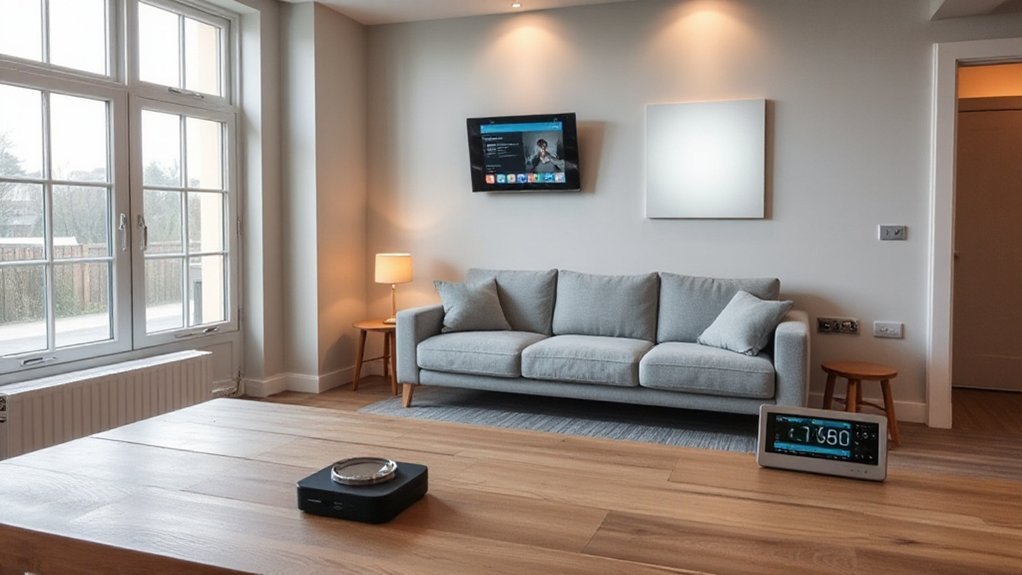
To design a future-proof, low-disruption smart home, start by identifying core capabilities that scale with your needs, such as interoperability across ecosystems, reliable power, and robust network security, then prioritize devices and standards that minimize required rewiring or service interruptions. You’ll evaluate vendor compatibility, open protocols, and phased upgrade paths to reduce downtime. Focus on centralized controllers and edge compute to limit cloud dependencies, improving resilience and privacy. Plan for architecture that supports over‑the‑air updates, modular sensors, and low‑voltage wiring retrofits that don’t compromise finishes. Balance Smart technology adoption with design aesthetics to preserve home character while enabling automation. Track metrics like mean time between failures and energy savings to justify investment and guide future expansions. Data-driven decisions ensure scalable, comfortable living with minimal disruption.
Budget-Friendly Upgrades That Maximize Resale Value
If you prioritize cost-effective improvements with a clear ROI, you’ll get the most resale bang for your buck by targeting upgrades that buyers expect and notice, backed by data on where value adds. In this budget-focused lens, concentrate on features that signal modern living without high outlays, prioritising practical appeal over prestige. Smart garden elements can boost curb appeal and perceived maintenance ease, while voice control enhances daily convenience and future-proofing. Both have measurable impact when paired with reliable performance data and low-to-no ongoing costs. Focus on updates that buyers consistently mention in price guides and survey data as value-adds, not niche tech that risks obsolescence.
- Smart garden efficiency and low maintenance
- Reliable, widely adopted voice control integration
- Clear, data-supported ROI beyond aesthetics
DIY vs. Pro: When to Hire for Smart-Home Upgrades
When deciding between DIY and pro-smart-home upgrades, start with a clear assessment of complexity, risk, and expected ROI. You should weigh task difficulty, compatibility with existing systems, and potential safety concerns before choosing. Data shows that simple, broadcast devices often perform well DIY, while complex integrations—especially those involving security, energy management, or networked hubs—benefit from professional installation. Consider the expected ROI: DIY savings can be offset by troubleshooting time and future incompatibilities. Be aware of DIY pitfalls like improper wiring, voided warranties, and inconsistent updates. For high-stakes projects, hiring a controlled, certified installer minimizes latency, optimizes configuration, and preserves support. Ultimately, balance cost against reliability and future-proofing to decide when professional installation adds tangible value.
What Buyers and Renters Look For in UK Homes in 2026
UK buyers and renters in 2026 are prioritizing homes that combine smart functionality with reliability and cost efficiency, after considering how DIY and pro upgrades perform in practice. You’ll value proven, interoperable systems that minimize maintenance and offer clear energy savings. Data shows demand surges for consistent performance across home automation platforms and for devices with robust warranties. In practice, buyers look for seamless integration between heating, lighting, security, and appliances, plus transparent cost footprints of ongoing use. Smart appliances and energy management features are especially persuasive when paired with good insulation and sound build quality. Accessibility, upgrade paths, and straightforward troubleshooting also influence decisions, reducing perceived risk and increasing long‑term value.
- Emphasis on interoperability across devices
- Clear energy and cost savings documentation
- Transparent warranties and upgrade paths
Frequently Asked Questions
How Do Smart Home Upgrades Affect Council Tax Valuations in the UK?
Smart home upgrades don’t directly change your council tax valuation; they influence assessment indirectly through property valuation factors. You’ll see adjustments only if the improvements alter market value or rental potential, affecting council tax bands accordingly, not automatically.
Which Smart Devices Have the Strongest Resale Value in 2026?
Smart devices with the strongest resale value in 2026 are energy-efficient, securely managed, and widely compatible. You’ll gain higher appeal by prioritizing smart device security and energy efficiency benefits, backed by data on adoption and depreciation curves.
Do Landlords Permit Smart-Home Installations in Rental Properties?
Yes, landlords often permit smart-home installations, but you should verify tenant permissions and comply with installation regulations; data suggests approvals vary by property type and lease terms, with written consent and adherence to safety standards reducing disputes.
How Is Data Privacy Regulated for UK Smart-Home Systems?
Data encryption safeguards your data, and UK privacy legislation governs handling, retention, and disclosures. You should audit vendor controls, enforce minimal data collection, and monitor compliance, because rigorous standards minimize risk and guarantee transparent, accountable smart-home system usage.
Will Smart Meters Impact Home Insurance Premiums?
Smart meter installation may influence home insurance discounts, but impact depends on provider and risk data. You’ll likely see modest premium reductions if meters demonstrate safety, monitoring, and efficient usage; compare quotes to verify eligible Smart meter installation benefits.
Conclusion
If you want real value, anchor upgrades in energy efficiency, smart controls, and security—backed by transparent savings data. Think of your home as a well-tuned instrument: insulation, heating, and automated lighting work in harmony to reduce running costs and appeal to buyers. As with a trusted compass, future-proofed, interoperable systems steer you through market shifts with minimal disruption. In short, prudent, measurable improvements release resilience, desirability, and lasting resale strength.
About the Author