
Start with a clear EPC plan that targets the biggest energy drains in your home—insulation, heating, and glazing—then map quick wins you can fund today, like draught-proofing, programmable thermostats, and LED lighting. Track costs, savings, and timelines, and document every upgrade with receipts and warranties. If you’ve got options for renewables, weigh them now against your market and maintenance needs. Up next, we’ll prioritize moves most buyers notice first and why they matter.
What an EPC Rating Measures for Home Sellers
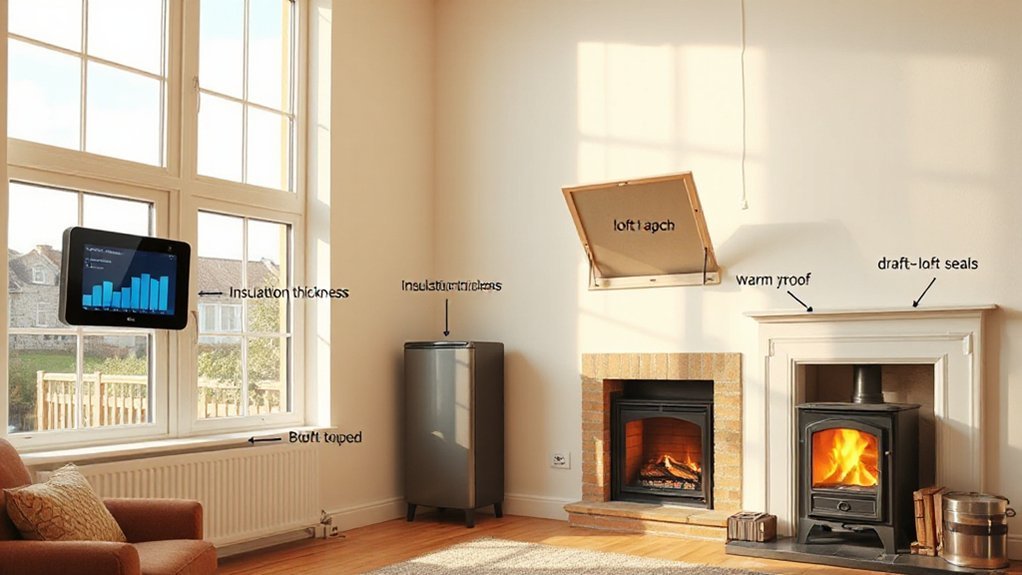
An EPC, or Energy Performance Certificate, measures how energy-efficient a home is and how its running costs compare to similar properties. You’ll see a rating from A to G, plus an estimated energy cost per year and typical improvements. The assessment highlights insulation gaps, heating efficiency, and glazing quality, which pin down where you can cut waste. It also notes renewable energy opportunities, like solar, heat pumps, or efficient heat recovery, that could boost your score if adopted before selling. Certification standards demand documented evidence for features and age, so gather warranties, invoices, and installer details. Use the results to prioritize cost-effective upgrades with the highest impact on rating and running costs. Target improvements that align with credible, data-backed ROI.
Set a Realistic Energy Improvement Plan With Timeframes
Set a realistic energy improvement plan with clear timeframes so you can track progress and stay accountable. Start by mapping quick wins that yield the biggest EPC impact and set deadlines that fit your schedule. Prioritize high‑impact upgrades first, then schedule longer-term changes to maximize value before selling.
Set Realistic Timelines
To move efficiently, create a realistic energy-improvement timeline with clear milestones and deadlines. Start by mapping tasks to seasons, noting lead times for quotes, permits, and installation. Assign owners, durations, and contingency buffers for each item, then link milestones to your EPC target. Use data-driven estimates: average project durations, supplier lead times, and inspection windows, so you can forecast cash flow and avoid delays. Prioritize quick wins that release measurable gains within weeks, and book contractor slots well in advance to minimize scheduling gaps. Build in review points to adjust as costs shift or rebates change. Include renewable energy options and expected government incentives in your calculations to keep the plan aligned with current programs and timelines. Track progress weekly and revise timelines as needed.
Prioritize High-Impact Upgrades
Prioritize high-impact upgrades by identifying which improvements deliver the largest EPC gains per unit of cost and time, then lock in a data-driven plan with clear deadlines. You should rank options by cost per point uplift and payback period, focusing on those with verifiable energy savings. Target measures with proven effectiveness, such as insulation improvements, boiler efficiency, and airtightness, then quantify expected EPC points and budget accordingly. Build a timeline that allocates milestones, reviews, and contingencies, ensuring you can complete work before selling. Include renewable energy options if feasible, evaluating incentives and long-term savings. Choose eco friendly materials when possible to reduce embodied carbon. Track progress monthly, adjust priorities based on new data, and document results to support a stronger market position.
Prioritize Quick Wins Homeowners Overlook
Ever wonder where you’ll gain the quickest EPC bump? Focus on overlooked quick wins that create measurable gains. Begin with a practical Homeowner mindset: target tasks you can complete in a weekend, with visible impact on energy use. Run a precise, structured Energy audit techniques approach: map hotspots, verify airtightness, and test lighting efficiency. Seal obvious drafts around doors and windows before you touch bigger systems; inexpensive weatherstripping and door sweeps yield immediate point increases. Swap inefficient bulbs to LED alternatives and calibrate thermostats for real-world schedules, then recheck with a simple routine: monitor usage over a week and compare bill trends. Keep actions data-driven: document before/after readings, costs, and EPC score shifts to reinforce momentum and justify further investments.
Boost Heating Efficiency With Low-Cost Upgrades
If you’ve started with quick wins, you’re already primed to save on heating without breaking the bank. You can boost efficiency with low-cost upgrades that pay back fast and cut seasonal energy use. Prioritize simple changes that deliver measurable results, like smarter controls and targeted improvements to reduce heat loss.
- Install a programmable thermostat and set back temperatures when you’re away.
- Seal leaks around doors and windows, then add affordable door sweeps or draft stoppers.
- Upgrade to efficient radiators or add reflectors behind radiators to reduce heat wasted into walls.
These steps support renewable energy integration and strengthen home insulation, improving comfort and EPC scores without major investment. Track results monthly to verify savings and inform future upgrades.
Budget Insulation Upgrades and Draught-Proofing
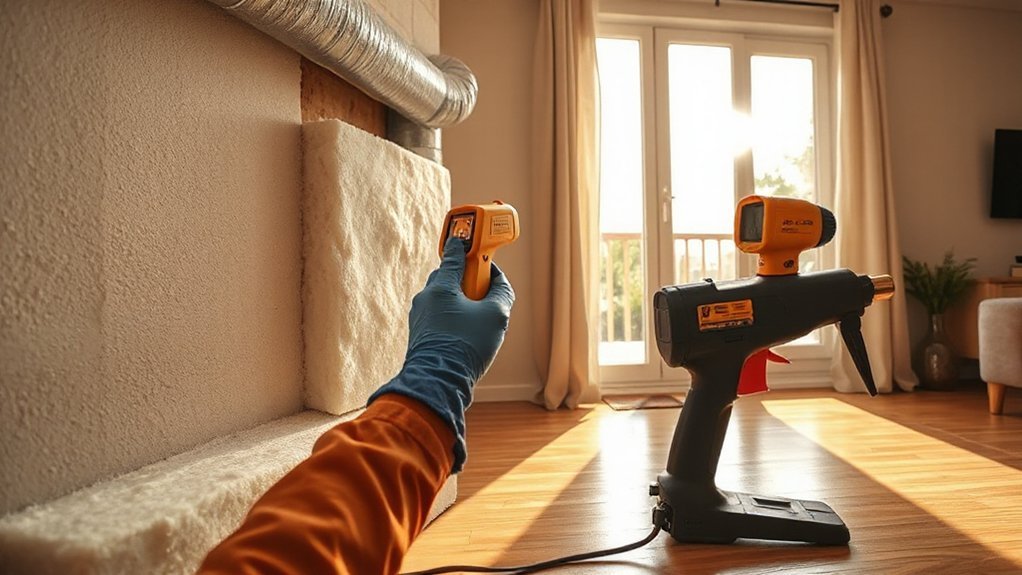
Start with budget insulation upgrades and draught-proofing to stop heat from slipping out and money from slipping away. You can cut heat loss quickly by targeting gaps around doors, windows, and loft hatch with affordable draught nets and sealing strips. Use thermal imaging to identify hidden cold spots—reveal where insulation materials are thinning or missing, guiding cost-effective fixes. Consider expanding loft insulation with standard rolls or blown material, and seal floors and skirting boards to reduce convection currents. Install door and window coverings or secondary glazing in tight budget scenarios to improve comfort without large upgrades. Prioritize cavities, lofts, and around pipes for best returns, then monitor with a simple thermometer to track improved draft reduction and efficiency.
Optimize Water Heating for Lower Bills
Simply put, optimizing your water heating can slash bills fast. You’ll reduce energy use by targeting efficiency and reliability. Start with water heater maintenance to spot issues that waste energy, like scale buildup or thermostat drift. Check insulation on pipes and the tank to minimize heat loss. Consider hot water system upgrades only if your current unit is aging or inefficient, as newer models deliver lower running costs and faster recovery.
- Schedule a professional inspection and flush to remove sediment
- Verify thermostat settings and insulation, replacing worn parts
- Compare high-efficiency models and assess potential energy savings
Track your bills after changes to quantify impact. Use data to justify upgrades and prioritize fixes with the strongest payoff.
Smart Controls and Timers for Savings
Smart controls cut your energy waste by adjusting heating, cooling, and lighting based on real-time occupancy and weather data. Timers for savings guarantee systems run only when needed, reducing idle usage and peak demand charges. Automated energy management ties all devices together, delivering measurable reductions you can cite in your EPC when selling.
Smart Controls Efficiency
Smart controls and timers help you cut energy use without sacrificing comfort, especially when you’re away from home or asleep. You’ll see the impact through smarter scheduling, quick adjustments, and measurable savings on bills and EPC scores. When you pair home automation with a smart thermostat, you optimize heating and cooling without overworking systems, improving overall efficiency. Data shows predictable patterns reduce runtime by 10–30% in typical homes, while maintaining comfort.
- Sync schedules with occupancy and weather data for precise control
- Use adaptive cooling/heating modes to minimize peak loads
- Monitor real-time usage and adjust automations to sustain gains
Implement now and document reductions to boost your EPC rating.
Timers For Savings
Timers for Savings: By now you’ve seen how smart controls cut waste; timers tighten that by enacting actions exactly when you need them. You program daily schedules for heating, cooling, and lighting to prevent idle energy use. Use occupancy sensors to switch devices off when rooms are empty, reducing phantom loads. Pair timers with renewable energy sources and set windows for generation hours to prioritize on-site consumption. Track results with a simple energy meter; aim for a 10–20% drop in monthly consumption after a four-week test. Integrate with home automation platforms to centralize control, freeing you from manual toggles. This approach lowers bills, boosts comfort, and aligns your home with renewable energy strategies while maintaining EPC performance.
Automated Energy Management
Automated energy management combines smart controls with precise timers to cut waste and boost comfort. You’ll trim energy use by aligning heating, cooling, and lighting with occupancy and weather, while maintaining comfort. Real-world data shows programmable schedules and adaptive learning reduce monthly bills without sacrificing performance. When you integrate renewable energy sources, automation helps optimize when to use stored or generated power, further cutting emissions and costs. Building regulations increasingly favor energy-responsive designs, so automated systems can help you meet compliance efficiently. Use dashboards to monitor savings, verify performance, and adjust settings as seasons change. Start with sensible presets, test, and refine for your home’s unique profile.
- Set occupancy-based schedules
- Prioritize high-usage periods with smart controls
- Track energy and cost savings over time
Improve Lighting and Appliance Efficiency
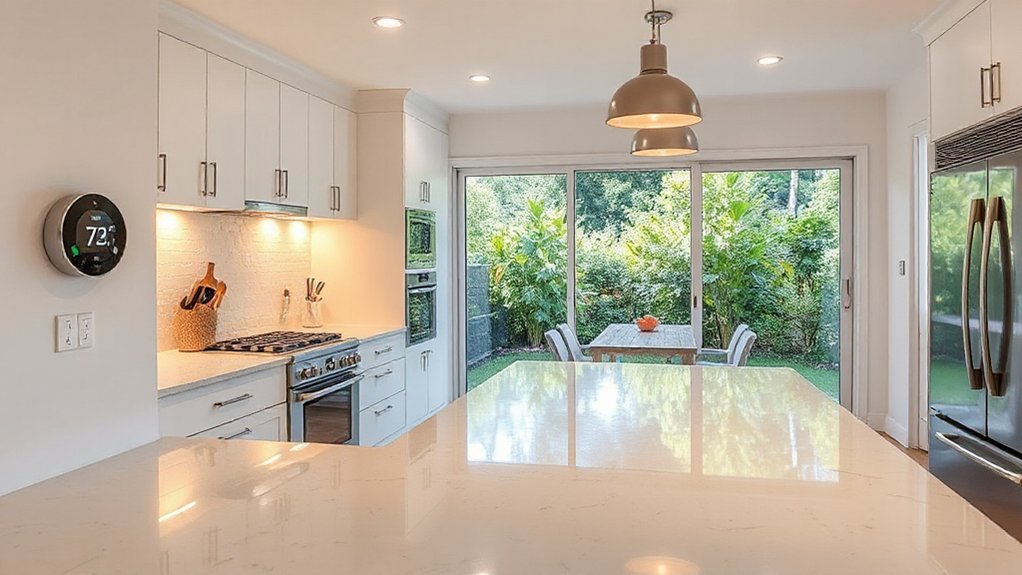
Improving lighting and appliance efficiency starts with simple, data-backed choices that cut energy use without sacrificing comfort. You can start by swapping incandescent bulbs for LED lighting, selecting bulbs with high lumens-per-watt and long lifespans to reduce replacements. Implement lighting upgrades in rooms with long usage patterns to maximize impact, and install smart controls or timers to avoid wasted light. For appliances, target the biggest energy drains first—refrigerators, freezers, and HVAC components—ensuring seals are tight and coils are clean. Choose ENERGY STAR-rated models and use power strips to eliminate standby draw. Use full loads in dishwashers and laundry machines, and air-dry where possible. Track bills to verify improvements; small, consistent reductions add up to meaningful EPC gains.
Document Upgrades for EPC and Buyer Inquiries
To prepare for EPC assessments and buyer questions, gather and organize key documents: current EPC certificate, recent energy bills, appliance energy labels, recent energy audits, and any retrofit receipts. Keeping these on hand speeds responses and supports transparency, which improves perceived energy quality and trust. Maintain up-to-date records to align with Energy policy and certification standards, and to anticipate common inquiries from buyers.
- Store digital copies in a named folder with dates for quick access
- Include recent retrofit receipts and independent audit summaries
- Note energy-saving measures and projected impact on future bills
This approach reduces back-and-forth, strengthens negotiation power, and demonstrates compliance with certification standards while reflecting current Energy policy requirements.
Frequently Asked Questions
How Long Does It Typically Take for EPC Improvements to Show Impact?
Improvements like upgrading home insulation often show impact within weeks to a few months, depending on usage. Energy efficiency benefits accumulate as you heat or cool, so monitor bills and track EPC gains after implementing efficient measures.
Will EPC Improvements Increase My Home’s Market Value?
Yes, improvements can boost market interest and may lift your property valuation. Focus on energy efficiency upgrades, since buyers value lower running costs; data shows modest value uplifts in competitive markets, though effects vary by property and region.
Do EPC Changes Require a Consultant or Can I DIY?
No, you don’t strictly need a consultant; you can do a DIY assessment, then seek consultant advice if needed. Many DIYs boost accuracy, but a pro helps validate results, ensuring data-driven decisions and compliance.
Are There Grants or Incentives for Energy Upgrades Available?
Yes, there are energy efficiency government grants you can tap into; check local programs for incentives, eligibility, and application steps. Compare options, track deadlines, and document upgrades to maximize savings and improve your EPC rating efficiently.
How Often Should EPC Ratings Be Re-Assessed After Improvements?
Enthusiastic energy upgrades empower; after improvements, you should re-assess every five to ten years or after major renovations. Conduct energy audit, complete Certification process updates promptly, and compare results to track performance trends and validate efficiency gains.
Conclusion
You’ve got a clear path: assess, prioritize, and implement with receipts. Start with quick wins—seal gaps, programmable thermostats, LED lighting—and then lock in low-cost insulation and draught-proofing. Upgrading heating, water heating, and smart controls pays back in days, not years, and boosts buyer confidence. Track savings with real data, keep warranties handy, and document every upgrade. If you’re short on time, remember: even a modern “hot bath” is old news—cut energy waste now, before the market asks. Anachronism: a steam-powered calculator.
About the Author