You can transform a room in a weekend with budget-friendly moves that feel intentional, not rushed. Start with a bold accent wall and fresh textiles, then layer lighting and simple art to create depth without clutter. Swap a few accessories, rearrange furniture for flow, and add upcycled touches that tell your story. It’s doable, cost-conscious, and striking—and there’s a clear path to a room that finally reflects you. Ready to map your plan and start?
Define Your Weekend Decorating Plan (Budget, Room, Timeline)

Set a clear weekend decorating plan by pinning down your budget, the room you’ll tackle, and a realistic timeline. You’ll map budget priorities to action, so every dollar drives impact. Start with the core budget, reserve a contingency, and resist impulse buys that don’t align with your plan. Define the room’s purpose, flow, and focal point, then assign tasks to specific time blocks on your decorating timeline. Break the work into achievable steps: declutter, surface refresh, soft furnishings, and lighting tweaks. Prioritize high-visibility upgrades first, ensuring you’ll see progress quickly. Keep measurements, receipts, and product notes organized for easy reference. Stay disciplined about scope and pace; a focused weekend yields steady momentum, clear decisions, and tangible, satisfying results.
Refresh Walls With Color and Texture
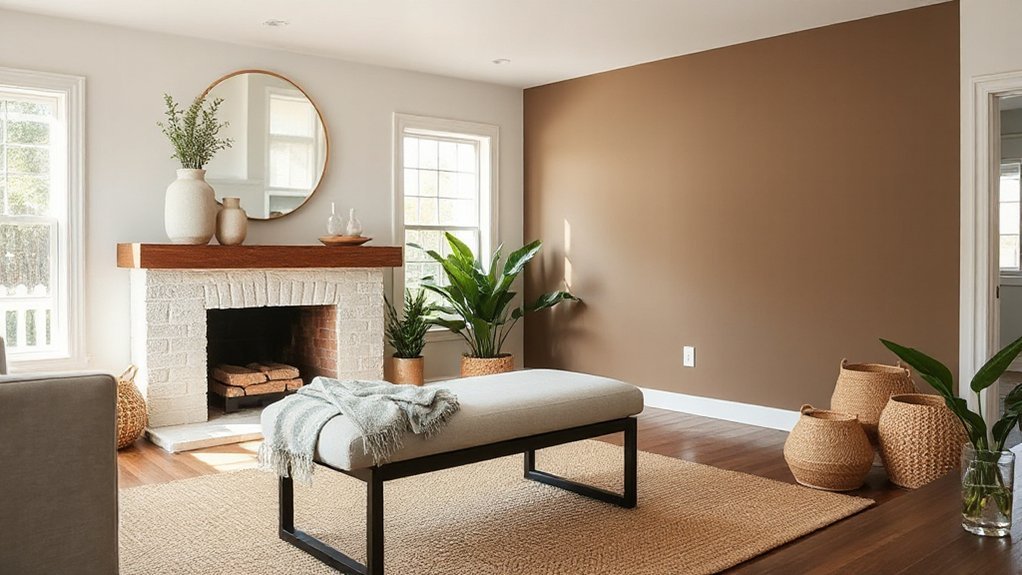
Could transforming walls with color and texture be your quickest path to a room that feels new? Yes. Start with a focused palette, 2–3 complementary hues, and use color to define zones. Wall treatments elevate drama without a full remodel: matte neutrals balance a bold accent wall, while subtle sheen adds depth. Lean into texture contrast to create tactile interest—think a plaster finish, grasscloth, or high-contrast wallpaper with a simple pattern. If you crave warmth, layer warm whites and soft sand tones; for drama, pair charcoal with ivory. Keep lines clean and avoid cluttered patterns that fight each other. Apply one standout wall and keep others understated to preserve flow. This strategic approach maximizes impact while staying budget-friendly.
Quick Lighting Upgrades for Instant Drama
A quick lighting upgrade can transform a room from flat to dramatic without a full redo. You gain instant mood with a few thoughtful moves: layer ambient glow, pivot to warm tones, and highlight architectural details with directional lighting. Start by swapping in dimmable bulbs so you control the atmosphere, then add a compact floor or table lamp to create a focal glow without clutter. Introduce statement fixtures—one bold pendant or sculptural lamp—that serves as the room’s centerpiece, drawing the eye and elevating the entire palette. Place lights to balance shadows and emphasize texture from walls or fabrics. Keep cords neat, switch to LEDs for efficiency, and test at night. The payoff is a polished, hotel-like drama you crafted in a weekend.
Swap Accessories, Not Furniture
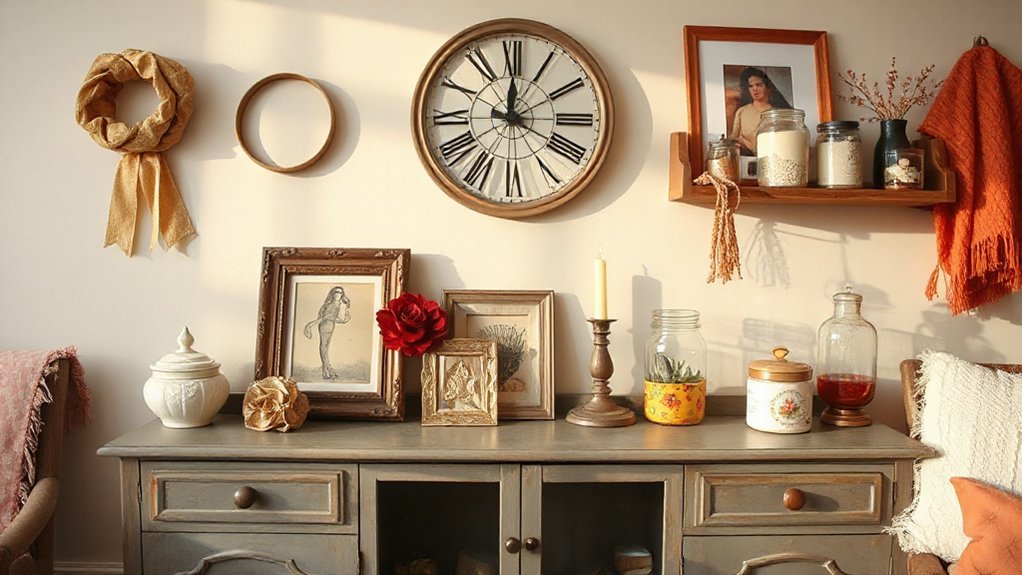
Swap accessories strategically to refresh a room without the cost of new furniture. Refresh with small details, layering textures and colors for depth and personality. You’ll elevate the space by swapping in purposeful accents that create a cohesive, high-impact look.
Swap Accessories Strategically
To refresh a room affordably, swap accessories strategically rather than refurnishing. You’ll shift the mood with a few purposeful swaps, not a full overhaul. Begin by surveying surfaces—mantels, coffee tables, and shelves—and rotate items that mirror seasonal trends. Choose accessories with contrasting textures, like matte ceramic vases against a glossy bowl, to create visual interest without buying new pieces. Lean into color psychology: cool blues and muted greens calm spaces, while warm terracotta or amber accents energize them. Curate a cohesive palette by repeating two or three hues across pillows, trays, and art prints. Dim lighting with a chic lamp or candles can transform ambience quickly. Keep the look uncluttered: edit ruthlessly, group thoughtfully, and let negative space do the heavy lifting.
Refresh With Small Details
Revitalizing with small details can transform a room in minutes—swap accessories, not furniture, and you’ll notice the mood shift instantly. You’ll guide the refresh by prioritizing what you see daily: wall art that mirrors your aims, and plant placement that elevates air and energy. Choose pieces that echo your color story, then rotate them seasonally to preserve freshness. A single sculptural object, hung at eye level, can anchor a seating area without overhauling the layout. Move a few cushions, swap a lampshade, or swap in a framed print to punch up contrast. Keep surfaces uncluttered, letting intentional accents land with impact. Track outcomes: quicker mood lift, clearer focus, and a room that feels updated yet affordable.
Layer Textures, Colors
Layer in texture and color by swapping accessories instead of furniture, then watch depth and warmth instantly elevate a space. You’ll transform the room with deliberate layering, not overhaul. Start with textiles: swap in a richer throw, upgraded cushions, and a layered rug to anchor seating. This is feeling over fashion—practical, not fussy. Practice layering textiles in complementary tones to create cohesion while adding tactile interest. Mix patterns thoughtfully: keep one scale dominant and pair geometric with organic motifs for balance. Introduce metallic accents or matte neighbored finishes for subtle contrast that reads polished, not busy. Swap curtains, lampshades, and pillows in increments to test impact, then consolidate your favorites. Layering textures and Mixing patterns yield depth fast, with budget-friendly swaps that feel intentional and chic.
Create a Simple Focal Point You Can Build This Weekend
If you want a quick visual anchor this weekend, start with a simple focal point that’s both stylish and functional. You’ll pick one area to highlight, then build around it with budget-friendly elements. Begin with a single statement piece—like a bold mirror, a gallery wall, or a sculptural lamp—then braid in cohesive accents: color pops, textures, and a hint of greenery. Keep scale in mind; the focal point should draw the eye without overpowering the room. Layer light source, texture, and a small rug or throw to unify adjacent zones. Use thrifted frames or repurposed items to save costs, and curate a quick, deliberate display instead of clutter. A well-executed focal point becomes your visual anchor, guiding future decor decisions.
Layout Tweaks for Better Flow on a Budget
Start by optimizing traffic flow so people move naturally from one area to the next without congestion. Zone your space properly to create distinct, functional zones that feel cohesive and intentional. With these budget tweaks, you’ll guide movement and lighting to improve flow without overhauling the room.
Optimize Traffic Flow
Smart layouts can transform daily movement: little changes to traffic flow up your efficiency and make rooms feel larger. You’ll position key furniture to create clear pathways, guiding foot traffic without forcing detours. Begin with the seating group: keep chairs and sofas oriented toward central zones, not walls, so conversations stay practical and inviting. Next, define main routes by aligning entraces with open sightlines, avoiding obstructive corners or oversized consoles. Use area rugs to anchor zones, reinforcing where to walk and sit. Incorporate feng shui principles to balance energy with proportional, breathable spacing and avoid crowding clocks, plants, or art that clutter paths. When you rearrange furniture arrangement, you gain instant clarity, smoother movement, and a more purposeful space that feels larger and calmer.
Zone Your Space Properly
Zone your space properly by carving distinct zones for living, dining, and work with small, practical cues. You can map zones with rugs, lighting, and furniture arrangement that signals function without walls. Start with furniture placement that defines each area—sofa orientation toward a focal point, a compact desk against the wall, a dining setup near natural light. Use color coordination to unify zones: repeat a neutral base and pull in accent tones from one era or mood, avoiding clash. Keep traffic clear by aligning pathways with doorways and avoiding cross-district clutter. Choose portable screens or open shelving to subtly separate zones when needed, then collapse them for one open feel. This focused approach buys flow, function, and polish in a weekend.
Upcycle and Personalize With Everyday Finds
Upcycle more than you toss. You can transform everyday finds into statement pieces without breaking the bank. Start with what you already own—lamps, jars, frames, and textiles—then reimagine their role in your room. Focus on two outcomes: cohesion and character. Choose a simple color palette and reuse hardware or lids as the finishing touch. Vintage finds can anchor a shelf or side table, while DIY art—prints, textiles, or wall hangings—adds personality without a big investment. Let functionality guide you: a decorative tray doubles as a catchall, a repurposed basket becomes storage. Document your tweaks so you learn what works, then repeat. Small, deliberate updates compound into a refreshed space that feels curated, bold, and beautifully you.
The Finishing Check: Quick Quality Assurance
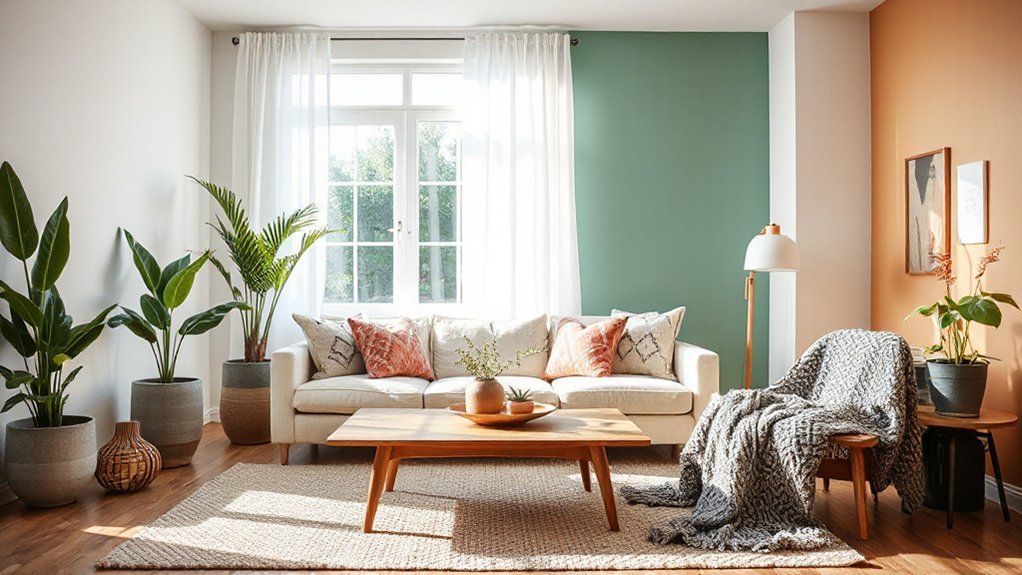
Now that you’ve refreshed with your upcycling tweaks, give your space a fast, focused finish with a quick quality check. First, assess color coordination: confirm hues flow from room to room and repeat key shades for cohesion. Revisit lighting—soft, warm tones should highlight focal points without glare. Next, inspect furniture placement: confirm traffic paths are clear, seating groups invite conversation, and scale matches the room’s dimensions. Tighten rough edges by smoothing cords and concealing outlets; hide clutter with stylish storage. Test your focal points—art, rug, or console—so they anchor the scheme without competing. Finally, review textures and contrast: mix matte and gloss, soft fabrics with crisp surfaces, to maintain depth. With these checks complete, your space feels polished, intentional, and ready for daily living.
Frequently Asked Questions
How Can I Stay Within a Strict Weekend Budget?
You can stay within a strict weekend budget by prioritizing one high-impact area, using Budget friendly materials, and timing purchases. Plan quick transformations, set a firm limit, reuse what you already own, and track costs every step.
Which Rooms Deliver the Biggest Visual Impact Fast?
Sure, you can nail fast impact: focus on living rooms and bedrooms. Accent walls and statement lighting transform spaces instantly, while you ignore fake limits—you’ll feel inspired, strategic, and energized as you refresh these rooms this weekend.
What’s the Quickest Way to Test Color Ideas Safely?
You’ll test color ideas quickly by using color swatch comparisons and paint samples on small patches. Move fast, compare undertones, and pick two finalists you love. Then live with them for a day before committing, ensuring confidence.
How Can I Reuse Existing Items Creatively?
Turn a penny into a treasure—you upcycle furniture and craft DIY wall art to reuse what you’ve got. You’ll save money, spark creativity, and transform spaces fast, turning clutter into chic statement pieces you proudly showcase.
What Criteria Signal a Project Is Complete?
A project is complete when you hit your decorating timeline and achieve clear project milestones you can verify. You feel confident, stopped on time, and ready to celebrate. You’ve met goals, final details are finished, and sign-off signals done.
Conclusion
In one weekend, you’ll watch your space transform from drab to dazzling. Picture a soft accent wall catching the eye like a sunset, layered light weaving warmth through corners, and your treasures reimagined into a cohesive story. You’ll feel the room breathe easier, flow smoother, and your mornings greet you with refreshed energy. Stay strategic: swap, layer, and tweak until it feels unmistakably yours. You’ve got the plan, the drive, and the spark to make it happen.
About the Author