You should confirm whether the theory that detailed, itemized repair estimates drive better terms holds true in practice. When you approach negotiations, you’ll want precise scopes, conservative costs, and documented assumptions to justify requests. If you lock in clear timelines, seller credits as flexible options, and inspection benchmarks, you may shape outcomes more effectively—yet you’ll need to see how far realism and market conditions will allow you to push. Consider what comes next.
What Fixer-Uppers Really Cost, Upfront
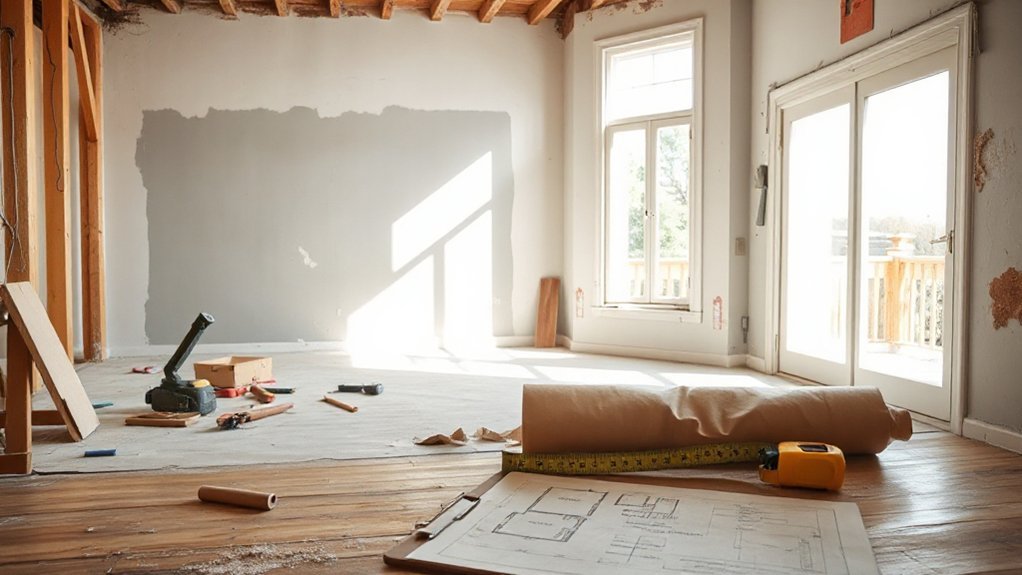
Before you bid, you must understand the upfront costs of a fixer-upper, not just the purchase price. You’ll assess land, permits, and basic due diligence to avoid surprises. Expect closing costs, inspection fees, and earnest money as solid line items in your budget. Add an immediate reserve for repairs, utilities, and temporary accommodations if needed. Market trends influence price sensitivity and renovation priorities, so align offers with current data and risk tolerance. Financing options matter now, too: loan types, down payments, and interest rates shape your cash needs before a single hammer swing. Create a conservative contingency plan that includes demolition, debris removal, and unexpected code compliance. Document assumptions, spell out fees, and keep deadlines strict to preserve negotiating leverage.
How to Inspect a Property Room by Room
Inspecting a property room by room starts with a structured checklist and a clear plan. You’ll methodically document each space, noting dimensions, layout, and function, then verify utilities before proceeding. Begin with a visual scan for obvious defects: water stains, cracks, and uneven floors. In every room, assess electrical outlets, switches, and visible wiring for safety hazards, and check lighting efficiency. Inspect doors and windows for operation, seals, and security. Check ventilation, HVAC registers, and dampness indicators in basements and crawl spaces. Pay attention to moisture intrusion, mold risk, and roofline evidence near ceilings. Record storage, insulation, and access to plumbing, noting accessibility issues. Document proposed remedies with a cautious, contractual tone, reserving expert consultation for complex items. A thorough home inspection supports informed negotiations.
Estimate Repairs Without a Contractor: A Practical Method
You can estimate repair costs without a contractor by using quick, in-house metrics to gauge what needs fixing. We’ll compare DIY budget impact versus hiring out, focusing on practical numbers and immediate trade-offs. This method sets a clear baseline for negotiations, guiding you to prioritize repairs and avoid overestimates.
Estimate Costs Without Pros
To estimate repairs without a contractor, start by itemizing every visible issue and assigning conservative unit costs based on reputable sources. You’ll document structural, electrical, plumbing, and cosmetic items, then total each category with contingency cushions. Use current market data for unit prices, and apply a modest markup to accommodate potential hidden defects. Cross-check dimensions, square footage, and fixture counts to prevent underbudgeting. Maintain a formal, precise tone: every line should justify the cost with a source or estimator assumption. When you present these figures to a seller or lender, pair them with a clear scope and timelines. Consider home decor and landscaping ideas later; for now, keep the focus on verifiable repairs, documented assumptions, and auditable math. This method minimizes surprises and supports rational negotiations.
Quick In-House Repair Metrics
Although you’ll still need a precise scope, quick in-house repair metrics let you identify and quantify repair items without a contractor. You’ll use a structured, itemized checklist to flag defects and estimate costs conservatively, focusing on safety, legality, and resale impact. Start with essential, non-permitted fixes that affect habitability, then separate cosmetic items from structural concerns. Document materials, labor time, and unit prices you can verify locally, avoiding speculation. Prioritize items that influence property marketing and buyer perception, since staged rooms should still read as functional. Apply a transparent calculation: unit rework, contingency, and a contingency buffer for unknowns. Communicate results in writing for negotiation leverage, ensuring your estimates align with recent market comps. Revisit staging decisions to support home staging goals without inflating repair claims poorly.
DIY Budget Impact Analysis
A practical budget impact analysis starts with a disciplined, itemized assessment of repair items you can quantify without external trades. You’ll list materials, tools, and labor hours, then assign unit costs based on current market data. Avoid optimistic schedules; document contingency allowances for unforeseen issues. Use a bottom-up approach: estimate each repair element, sum to a total, then compare against your ceiling. Throughout, apply Budget planning as your guiding framework and extract clear risk signals for negotiations. Assess durability and maintenance implications, not just upfront costs, so you understand long‑term value. Prioritize items by necessity and safety, noting dependencies between trades. Record assumptions and sources, and revisit figures if a contractor’s quotes diverge. This disciplined method strengthens your leverage and informs a realistic risk assessment during negotiations.
Build an Offer That Includes Essential Repairs

When you build an offer that covers essential repairs, specify exactly which items must be repaired, the standards they must meet, and the deadline for completion. You outline scope, enforceable standards, and a realistic timetable, so both sides share clear expectations. Include inspection-based benchmarks, required permits, and documentation to verify completion. Tie any contingencies to independent verification and holdbacks if fixes lag. Consider how Property staging and Market trends influence the repair priorities and timing, but keep the core terms precise and enforceable.
- Define repair items and required performance standards
- Set a completion deadline with milestone checks
- Attach verification methods and documentation requirements
- Include contingency and holdback terms if deadlines slip
Prioritize Repairs for Maximum Resale Value
Prioritize repairs that deliver the greatest return by focusing first on items that affect daily livability, safety, and buyer perception. You approach this with a clear, methodical mindset: identify defects that a buyer will notice instantly, then assess cost versus impact on value. Prioritize essential systems and surfaces that influence habitability, such as plumbing, electrical, roofing, insulation, and flooring, before cosmetic updates. Consider how each repair alters resale trajectory, not just appearance. Use home staging to demonstrate space potential while minimizing unnecessary work that does not improve value. Enhance curb appeal with durable, affordable improvements that create a strong first impression without overinvesting. Document all decisions, costs, and expected value shifts to support a precise negotiating position and protect your interests.
How to Negotiate Repairs and Seller Credits
You’ll assess Repair Cost Impact to understand where numbers truly reflect value and risk. Consider Seller Credit Options as a leverage point, aligning credits with repair sequencing and closing timelines. Rely on Inspection Detail Focus to ground negotiations in verifiable findings and avoid overestimating needs.
Repair Cost Impact
How should you gauge repair costs when negotiating? You assess immediate needs, long-term durability, and risk of hidden issues, then anchor allowances to objective data. You account for market fluctuations and potential schedule shifts, avoiding inflated estimates. Compare contractor bids, request itemized line items, and verify permit requirements, warranties, and code compliance. Consider renovation financing implications, such as interest, fees, and draw schedules, to determine true affordability for the project. Keep estimates conservative to preserve negotiation room, but avoid underestimating critical repairs that affect safety or functionality. Document assumptions in writing, attach receipts, and align requests with appraisal viability. Stay precise, and avoid promises you cannot fulfill, ensuring all terms remain legally enforceable.
- Itemized cost breakdowns with contingencies
- Evidence of market fluctuations impacting prices
- Repair scope tied to safety and code compliance
- Renovation financing considerations and impact on cash flow
Seller Credit Options
When negotiating repairs, consider seller credits as a flexible alternative to price reductions or contractor-led fixes. You’ll present a capped credit amount tied to anticipated repair costs, avoiding blanket concessions. Detail how credits affect closing statements, appraisals, and lender requirements, so all parties understand the impact on Market valuation. Use precise calculations: estimate repair budgets, add contingency, then compare against offered credits to ensure net value aligns with your goals. Consider Home staging as a lever to maximize perceived value without inflating the credit itself; document improvements separately to support valuation adjustments. Seek written terms specifying credit timing, at or after closing, and any conditions for credit applicability. Confirm how the seller’s credit interacts with earnest money, contingencies, and repair warranties, documenting agreed-tracking methods.
Inspection Detail Focus
During the inspection negotiation phase, identify repair items with clear scope and cost estimates, then prioritize by safety, code compliance, and impact on habitability. You should document each item with defect description, responsible party, and baseline costs, then negotiate toward concrete remedies. Tie decisions to Property valuation and Market trends to justify the financial impact, avoiding overstatement. Align proposed credits or concessions with measurable risk reduction, not cosmetic fixes. Maintain a disciplined approach to avoid scope creep and guarantee enforceable terms in the contract addendum. Use objective criteria, reasonable timelines, and clear acceptance criteria to minimize disputes. Confirm whether items affect lender appraisal thresholds and insurance requirements before finalizing amendments.
- Clear scope with costs
- Safety and code priorities
- Market-driven concessions
- Enforceable, measurable terms
Contingencies That Protect Your Budget
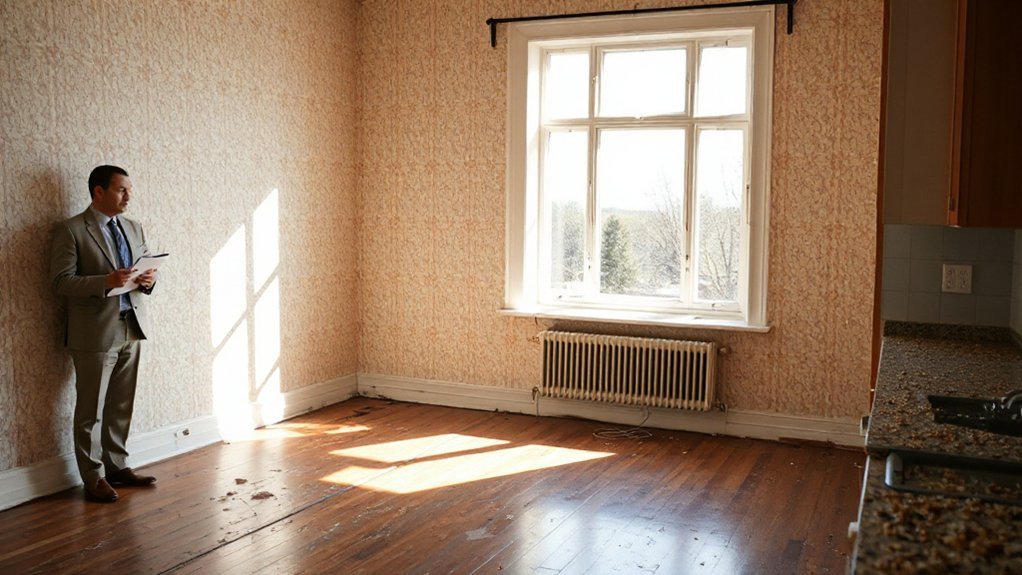
Contingencies protect your budget by tying price adjustments to verifiable risks in the home, so you can negotiate with confidence rather than guesswork. You’ll anchor offers to objective findings from inspections, appraisals, and contractor quotes, ensuring adjustments reflect actual costs. Use these protections to cap surprises and preserve value during diligence. Specify repair or credit remedies, target thresholds, and timeframes to avoid scope creep. Don’t rely on broad assurances; demand measurable remedies, documented estimates, and written acceptances before closing. Consider Property staging as a benchmark for livability costs and potential resale value, but treat it as a movable cost rather than a guaranteed outcome. Evaluate Financing options early; confirm loan terms will tolerate contingencies without derailing approval, and lock terms only after contingencies are satisfied.
Aligning Purchase Timelines With Seller Incentives
You assess how timelines and incentives interact to shape the deal, focusing on when the seller is motivated to close. We consider seller timing strategies and align them with your purchase window to avoid delays or unnecessary risk. This conversation establishes clear expectations about contingencies, milestones, and potential concessions tied to timing.
Align Timelines With Incentives
Aligning purchase timelines with seller incentives requires a precise, data-driven approach. You’ll map closing windows to seller goals, then align contingencies, deposits, and approvals accordingly. Use market trends to forecast how timelines shift as buyers compete or pause. Consider financing options that lock rates or extend terms without collapsing the bid. Guarantee your plan respects financial constraints and legal timelines, and document each milestone clearly for all parties.
- Align closing date with seller-matters, not arbitrary deadlines
- Tie contingencies to verifiable market signals and lender timelines
- Schedule deposits and inspections to match incentive milestones
- Confirm financing options won’t derail the agreed path or add risk
Seller Timing Strategies Aligning
Careful coordination with the seller’s timing is essential to a successful buy. You’ll align purchase milestones with incentives the seller values, avoiding rushed decisions and potential penalties. Identify cooperative windows for inspections, appraisals, and loan contingencies, and document each stage with clear deadlines. When incentives hinge on interior decor or landscaping improvements, specify scope, quality standards, and completion dates in the agreement, not merely in conversations. Propose soft deadlines that accommodate construction or contractor schedules while preserving your due diligence rights. If the seller prefers a delayed closing, you may offer a short rent-back or transitional arrangement, defined in advance. Maintain open channels for status updates, but confirm changes in writing. This disciplined timing reduces renegotiation risk and clarifies expectations for both sides.
Common Fixer-Upper Negotiation Mistakes to Avoid
When negotiating a fixer-upper, the biggest mistakes often stem from optimism rather than facts, so start with a careful assessment and clear guardrails.
- Avoid overreliance on initial estimates; verify with third‑party inspectors and conservative buffers.
- Do not skip a formal repair prioritization plan; categorize must-dix, should-dix, and nice-to-haves, with cost schedules.
- Clarify pricing strategies upfront; separate construction, permit, and contingency costs to prevent scope creep.
- Resist emotional concessions; anchor offers to objective data, risk factors, and documented repair timelines.
Walking Away With Confidence When Terms Don’t Fit
If terms don’t fit, you should have a clear exit path and the discipline to use it. You assess options with a disciplined mindset, not emotion, and you document every step. When you walk away, you preserve leverage for future offers, not pride. Begin with a market analysis to verify whether the price reflects current conditions, repairs, and risk. Consider property staging impacts that may mask or exaggerate value, and factor them into your decision. Communicate decisions succinctly, citing objective data and timelines. Return to the table only if terms realign with your criteria and budget. Maintain a written trail, specify any contingencies, and set a definitive exit date. Walking away confidently protects capital and signals you won’t overpay in a flawed deal.
Frequently Asked Questions
How Do You Verify Contractor Recommendations Without Overpaying?
Verify contractor recommendations by checking credentials, licenses, and references, and compare at least three cost estimates. You should request written scope, timelines, and warranty terms; scrutinize cost estimation details to avoid overpaying and guarantee contractual clarity.
Can You Safely Renegotiate After a Home Inspection Reveals Surprises?
Yes, you can safely renegotiate after a home inspection reveals surprises. Use Renegotiation strategies, focusing on concrete credits or repairs; avoid escalators. Document Inspection pitfalls, require new quotes, and secure contingencies to protect yourself and preserve leverage.
What’s the Best Way to Request Credits Without Offending the Seller?
Offer strategies to request credits without offending the seller: present clear numbers, documented repairs, and a reasonable cap. You protect yourself with buyer protections, stay factual, polite, and firm, and negotiate anchor figures early to avoid surprises. You’ve got this.
When Is Delaying a Closing Better Than Accepting Costly Repairs?
Delaying closing is better when the anticipated cost of repairs outweighsholding costs, preserving risk until valuation reflects true value. You should consider Property valuation shifts and Market timing to align outcomes with contractual contingencies and minimize exposure.
How Do You Budget for Hidden Issues After Purchase?
You budget for hidden issues after purchase by reviewing the Home Inspection thoroughly and comparing Repair Estimates, then setting aside a contingency fund. You document assumptions, track changes, and require transparent updates to avoid unforeseen costs.
Conclusion
You can close with confidence when terms tally to truth. Thorough, thoughtful, and tethered to timelines, you’ll trust, track, and test every treaty. Thoroughness trims trouble; time-bound tasks temper risk; transparent totals tame tension. With meticulous margins, measurable milestones, and modest contingencies, maintain momentum, minimize mayhem, and maximize leverage. Stay selective, stay signed, stay sensible. Secure smarter settlements, safeguard standards, and steer settlement success with sober, steadied safeguards.
About the Author