
In 2023, you could have secured a mid-market home in a developing Newcastle corridor just off central transport links, with prices edging up as demand stays solid. You’ll notice limited new builds and rising rents pressuring affordability, nudging buyers toward growth-ready neighborhoods with strong amenities. With mortgage terms tightening slowly, payoff timelines and entry points matter more than ever. There’s momentum here, but choosing the right district could define your next move—so consider safety, growth potential, and access as you weigh options.
What’s Changing in Newcastle Housing Right Now
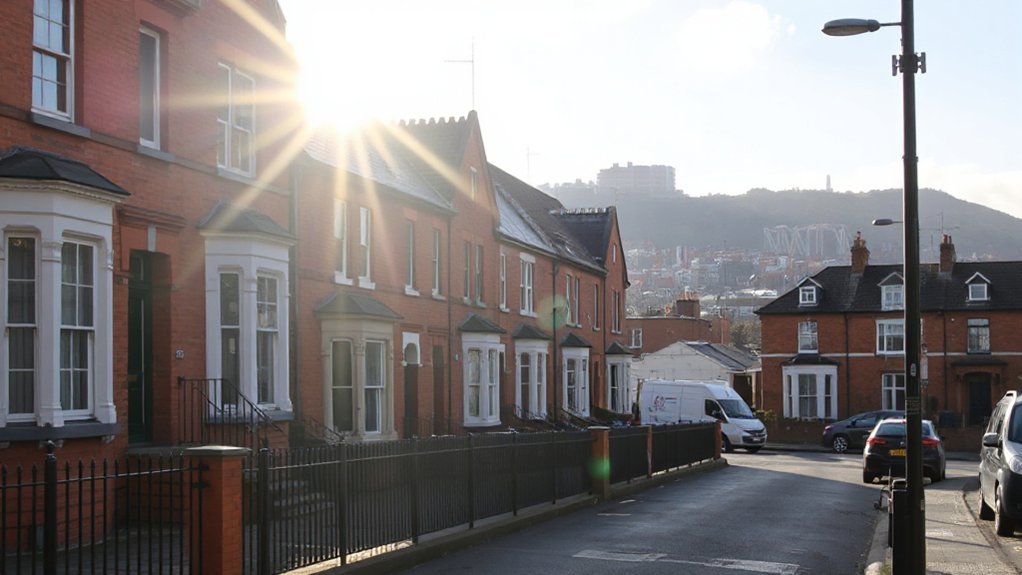
In Newcastle, housing trends are shifting quickly as supply tightens and demand tightens further from regional and local dynamics. You’ll see rental stock inching upward in pockets, but overall affordability remains pressed by rising rents and limited new builds.
Affordable rentals are increasingly a focal point for planners and buyers alike, with mid-market units balancing capture of demand and cost control. You’ll notice property taxes influencing budgeting decisions at the municipal level, shaping how landlords set yields and how buyers compare long‑term costs.
Forecasts point to gradual stabilization as development pipelines advance and occupancy rates normalize. You should track zoning updates and grant programs that accelerate delivery of affordable homes, while monitoring interest-rate trajectories that affect monthly payments and overall market resilience.
Newcastle Market Shifts: Price Trends and Demand
Newcastle’s price trajectory is edging upward as demand remains resilient and supply stays constrained, with a narrowing gap between asking prices and actual transaction costs. You’ll notice momentum across segments, with elevated activity in core neighborhoods and selective pullback in overbuilt pockets.
Price dispersion is tightening, yet gains are uneven; luxury apartments show steadier appreciation, while rural properties attract longer marketing times but cleaner yield prospects. Transaction velocity remains a leading indicator, signaling buyer willingness to act despite higher financing costs.
Going forward, expect gradual price stabilization as new listings balance demand, with pockets of acceleration around premium finishes and scalable floorplans. Market intelligence points to a cautious but constructive outlook for informed buyers and sellers.
- Demand dispersion highlights how price bands move differently
- Luxury apartments outperform relative to mid-market in selective cores
- Rural properties offer longer cycles but strong yield visibility
- Data signals suggest measured, opportunistic buying windows ahead
How Newcastle Mortgages Are Changing for Buyers
Mortgage conditions in Newcastle are shifting as lenders recalibrate risk and borrowers adjust to higher rates. You’ll see tighter approval criteria, with stress tests calibrated to recent rate moves and debt-service guidance becoming more conservative.
Fixed-rate products are increasingly favored for stability, while variable options may carry higher premiums or stricter caps. Down-payment requirements are edging up in some segments, particularly for high-value purchases in luxury apartments and properties within historic districts.
You’ll benefit from clearer affordability dashboards, enabling faster decisions when rates retreat temporarily. Lenders increasingly favor borrowers with documented income volatility control and stronger credit profiles.
For buyers targeting premium segments, expect selective lender appetite, with tailored programs that emphasize loan-to-value flexibility paired with long-term rate certainty. Stay prepared with precise budgets and responsive pre-approval timelines.
First-Time Buyer Essentials in Newcastle

First-time buyers in Newcastle must align budgets with rising rates and tighter lender criteria, but clear benchmarks and smart prep can open steady progress. You’ll benefit from validating affordability with a detailed plan, including upfront costs, monthly payments, and contingency buffers.
Track local price signals and mortgage products to choose a sustainable path, especially as rates shift. Stay aware of property auction dynamics and the potential for competitive pricing, while prioritising solid valuation and survey outcomes.
Understand leasehold issues early, such as ground rent, service charges, and lease lengths, to avoid hidden costs. Prepare documents, secure a lender decision in principle, and set a target timeline to maintain momentum toward a secure, affordable purchase.
- Define strict budget ceilings and exit buffers
- Map lender criteria to your preparedness
- Research property auction nuances and due diligence
- Flag leasehold pitfalls early and factor costs
Buy-To-Let vs Owner-Occupier: Newcastle Trends
For Newcastle, the decision between buy-to-let and owner-occupier strategies hinges on rental demand, yields, and debt service in a market already shaped by rising rates and tighter lending. You’ll see that buy-to-let remains attractive where net yields surpass financing costs, yet regulatory constraints and debt service ratios reduce leverage.
Owner-occupier incentives align with price momentum, especially in areas near Historical architecture and amenity clusters, where long-term value compounds despite higher stamp duties or mortgage costs.
Rental regulations are tightening, influencing hold periods, tax treatment, and licensing requirements, which compress risk premia for landlords and sharpen buyer scrutiny.
Across Newcastle trends, you’ll notice shifts toward selective, data-driven portfolios with clear exit paths, prioritizing serviceability, location quality, and resilient demand.
Budget-Friendly Areas in Newcastle: Where to Start
You’ll see that budget-friendly Newcastle boroughs offer solid starter-home value, with recent price data showing steady affordability trends.
Neighborhood profiles highlight practical options for first-time buyers, including typical starter price ranges and accessible rents where relevant.
Looking ahead, we expect gradual price alignment with city-wide growth while keeping entry points attainable for new buyers.
Budget-Friendly Newcastle Boroughs
Where should you start when hunting for affordable pockets of Newcastle? You’ll focus on budget-friendly boroughs with solid long-term value, supported by recent price trends and rental yields. By comparing median prices, you’ll spot areas where affordability converges with growth potential, while keeping financing options in mind.
Expect neighborhoods that balance lower entry costs with steady appreciation, aided by affordable financing and transparent planning. You’ll also weigh neighborhood safety metrics to avoid trading one risk for another, aiming for predictable, family-friendly environments.
Forward-looking indicators suggest pockets near transit links and upcoming developments may outperform in the medium term, even as cash flow remains favorable for buyers. Prioritize data-backed picks that align with your risk tolerance and timeline.
- Comparative price momentum across boroughs
- Areas with accessible financing corridors
- Local crime and safety trend indicators
- Short-to-midterm development pipelines impacting value
Affordable Neighborhood Profiles
Data shows affordable neighborhoods steadying after recent price fluctuations, with gradual upticks tied to improved transport links and local amenities. You should compare average rents, days-on-market, and sale-to-list ratios to gauge momentum rather than snap judgments.
Look for areas with diversified housing stock, community investment, and schools or parks that attract long-term residents. Forecasts suggest modest price growth aligned with regional employment trends, avoiding overheating risks.
Use these profiles to map a practical entry strategy, focusing on underpriced opportunities and transparent price fluctuations to maximize future equity.
Starter Home Price Ranges
Starter homes in Newcastle start within reach in several budget-friendly pockets, as recent data show stable entry costs paired with solid upside potential. You’ll find entry points in areas with practical transport links and growing local services, making monthly payments predictable while prices trend upward over time.
Historical architecture adds character, while modern touches appear in well-connected districts. Expect starter purchases to cluster around compact to mid-sized homes in these neighborhoods, with resale value supported by ongoing regeneration and rental demand.
Luxury apartments remain outside the core starter market, but nearby pockets offer affordable interim options. You gain clarity on value drivers, future land use, and potential yield as you compare price bands and development plans.
- Stable entry costs with clear upside
- Transport-accessible, regenerating pockets
- Historical architecture as value anchor
- Interim options near growth corridors
Up-Coming Newcastle Districts to Watch
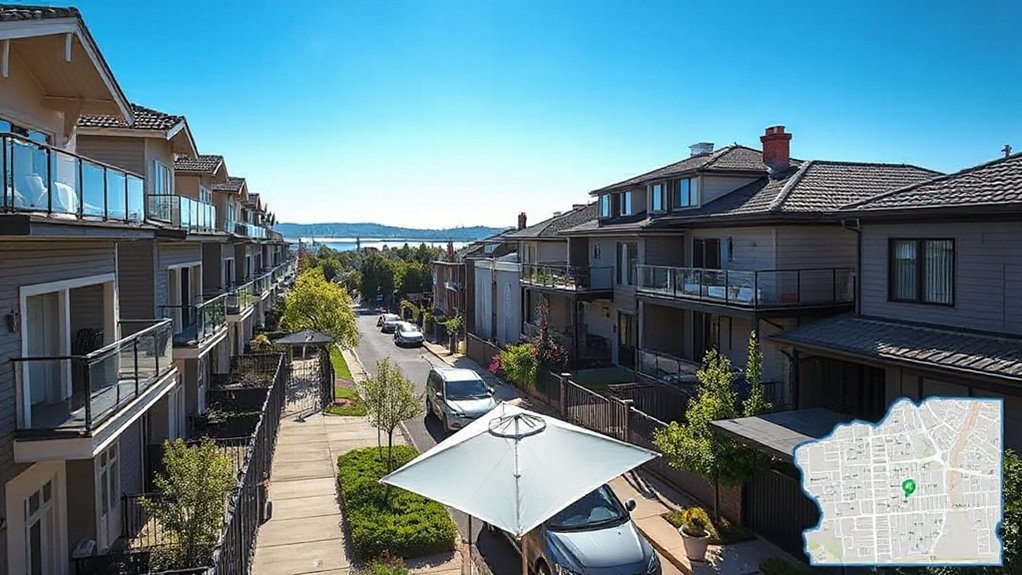
You’ll see emerging Newcastle districts gaining traction as supply tightens and demand shifts, with early indicators pointing to steady price momentum and rental yield improvements.
Market signals to watch include rising transaction activity, new development pipelines, and improving access to transit and amenities that correlate with value growth.
This data-driven view sets the stage for targeted investment and informed timing across the coming quarters.
Emerging Newcastle Districts
What emerging Newcastle districts are on the radar for 2024–26, and why do they matter to savvy buyers and investors?
Data signals point to districts gaining momentum through affordable entry prices, ongoing infrastructure, and growing amenities. You’ll see shifts in demand as young professionals and families seek value without sacrificing access to core centers. Track projects that uncover neighborhood character, from transport upgrades to mixed-use developments.
Expect rising occupancy with rising capital resilience, underpinned by robust rental yields and longer-term appreciation.
- Historical architecture becomes a selling point that supports value growth
- Local festivals boost seasonal demand and daytime footfall
- New retail and coffee hubs extend daily convenience for residents
- Transit improvements shorten commutes and widen catchment areas
Market Signals to Watch
Transit improvements—bus corridors and cycling lanes—couple with walkable retail hubs, boosting daily utility and resale appeal.
Historic districts are edging toward revitalization through heritage-led projects and adaptive reuse, preserving character while liberating modern layouts.
In tandem, luxury apartments are increasingly clustered near cultural nodes, signaling premium demand without deterring entry-level investors.
Forecast models project steady year-over-year appreciation in areas with balanced development and community activation.
Keep an eye on districts delivering cohesive futures: accessible homes, evolving infrastructure, and dense amenity ecosystems that sustain long-term value.
What Drives Newcastle Prices: Transport, Schools, Amenities

Transport links, school quality, and local amenities are the main price levers in Newcastle’s housing market, and each drives value differently: easy rail and road access boosts demand for central and commuter-friendly areas. Top-performing schools attract families and can lift premiums, and a rich mix of shops, parks, and cultural venues sustains price floors and reduces vacancy.
You’ll notice prices respond to transport upgrades, school league tables, and amenity investments, with property taxation and rental regulations shaping cost of ownership and landlord profitability.
Forward momentum hinges on balanced growth, not spikes, so pricing indicators reflect supply constraints, regulatory clarity, and ongoing infrastructure plans that improve accessibility and quality of life.
- Transport, schools, and amenities interact to set market floors and ceilings
- Regulatory clarity governs future affordable housing and returns
- Tax policies influence investor demand and cash-flow viability
- Data trends point to steady, sustainable appreciation rather than boom bust
Spotting Off-Market Newcastle Deals: Practical Tactics
You can spot off-market Newcastle deals by tracking hidden market signals, like sudden price stutters or liquidity shifts, and integrating local data to validate opportunities quicker.
Networking for deals accelerates access to off-market leads, from broker chatter to landlord circles, so you can act before listings appear.
Practical tactics, including off-market lead sourcing and timely outreach, let you convert signals into actionable opportunities.
Hidden Market Signals
- Monitor neighborhood turnover rates and days-on-market shifts to time ввoff-market outreach
- Spot consistent rent-gap closings after lease renewals to validate hidden demand
- Align outreach with property tax reassessment cycles for timing advantages
- Prioritize districts with improving greenspace access and luxury amenity clusters for higher yield potential
Networking For Deals
Building on earlier signals about hidden market movements, you can tee up off-market opportunities by actively mapping local networks and leveraging data-driven outreach. In Newcastle, your edge comes from targeted relationship-building, not luck.
Track owner activity and property lifecycle data to identify discreet sellers before listings appear. Use social media to gauge intent, join local groups, and flag potential conversations for timely follow-up.
Attend community events to meet landlords, tenants, and developers in informal settings, then document contacts with consent and privacy in mind.
Layer outreach with personalized value propositions—local market insights, renovation ideas, or rental yield analyses—to spark meaningful dialogue.
Stay disciplined with a CRM, measure response rates, and continuously refine your touchpoints for faster, higher-confidence deals.
Off-Market Lead Tactics
To spot off-market Newcastle deals, you’ll start with hyper-local signal tracking: owner activity, property lifecycle milestones, and intent indicators sourced from public records, MLS feeds, and targeted social listening.
You’ll translate signals into actionable lists, prioritizing luxury apartments with strong rental yields and upside from scarcity. Focus on patterns, like sudden ownership changes, vacant-unit campaigns, or refinance-driven exits, to identify motivated sellers before public exposure.
Use data to estimate cap rates, demand corridors, and time-on-market; stress-test scenarios with local rent growth.
Build a tight outreach playbook that combines direct mail, referrals, and discreet broker conversations. Monitor regulatory shifts, planning approvals, and infrastructure upgrades that tilt desirability toward upscale assets.
- Hyper-local signals prioritize luxury apartments with strong rental yields
- Motivated-seller indicators before public exposure
- Data-driven cap rates and rent-growth stress tests
- Discreet outreach paired with broker and referral networks
How to Vet Newcastle Properties for Value
When evaluating Newcastle properties for value, start with a disciplined data check: compare recent sale prices, rental yields, and days on market to local benchmarks to separate standout buys from overpaid listings.
You then measure condition and potential uplift against renovation costs, aiming for a clear value gap.
Track interior design trends in comparable homes to gauge appeal and resale demand, not just current looks.
Include property management factors early: expected maintenance, service charges, and landlord-friendly regulations that affect cash flow.
Break down cap rate and projected yield under various occupancy scenarios, using conservative rent growth assumptions.
Look for sites with transparent data, corroborated by multiple sources.
Exit plans should hinge on liquidity, time on market, and risk-adjusted returns for a forward-looking, disciplined buy.
Negotiation Tactics That Work in Newcastle Deals

Negotiating Newcastle deals requires a data-driven approach and concrete targets, so set clear price, terms, and timing benchmarks before you engage. You’ll anchor offers to recent comps, cycle through contingencies, and lock in favorable timelines to reduce risk.
Track property taxes and rental yields to assess true value, not just sticker price, and adjust your leverage accordingly. Use objective criteria to justify counteroffers and avoid overreaching beyond market norms.
Stay aware of financing cycles and market liquidity, which influence negotiation velocity and outcome. Remain patient, document all adjustments, and don’t rush to close before thresholds are met.
A disciplined, numbers-first approach boosts your win rate in Newcastle deals.
- Base decisions on recent comps and tax implications
- Align deadlines with lender timelines and market cadence
- Tie concessions to measurable targets like yields
- Preserve flexibility without sacrificing core price floor
From Viewing to Offer: A Newcastle Timeline
From the moment you view a Newcastle property, you should map a clear timeline that aligns with your financing, inspection, and response windows. In practice, set a 7–10 day window for making an offer after viewing to stay competitive, then lock in a mortgage pre-approval before you submit.
Track each milestone: preliminary offer, seller counter, and formal acceptance, with confirmations in writing. Prioritize clarity on contingencies—finance, appraisal, and required repairs—so you can adjust your position quickly.
Don’t overlook garden maintenance implications and any landscaping commitments that affect value, especially for period homes. As you move toward decision, calculate ongoing costs like property tax and utilities to confirm affordability.
Finalise an offer aligned with market data, then prepare for the next steps promptly to reduce delays.
Surveyors and Conveyancing in Quick Newcastle Wins
- Timely surveys drive decisions and limit renegotiations
- Clear, ongoing updates minimize uncertainty
- Early risk flags inform negotiation posture
- Digital workflows accelerate closings and reduce friction
Financing Paths by Buyer Type in Newcastle
Household buyers, first-time purchasers, investors, and relocating professionals each follow distinct financing paths in Newcastle, shaped by income profiles, credit access, and borrowing incentives. You’ll see a split between high-credit-score applicants leveraging lower-rate products and those guided toward government-backed schemes or lender programs designed for urban development goals.
First-time buyers benefit from deposit support and starter mortgages, while relocating professionals often access relocation packages and bridging facilities to align with job moves.
Investors pursue portfolio financing with interest-rate locks and rent-focused affordability tests, adjusting to market cycles.
Across all groups, housing affordability remains the central constraint, influencing down payments and debt service coverage.
Trends point to more flexible underwriting, higher loan-to-income thresholds in specific zones, and tailored incentives supporting urban development without overleveraging buyers.
Hidden Costs to Budget For in Newcastle Purchases
Expect hidden fees to affect your total purchase cost, from Land Registry charges to stamp duties that can shift with price bands.
We’ll quantify typical ranges and flag those that most buyers overlook, so you can plan cash flow with confidence.
Hidden Fees To Anticipate
Hidden costs can quietly blow your budget, so plan for them upfront: in Newcastle, expect fees beyond the purchase price that can add 2–5% to total costs, including legal fees, stamp duty, mortgage arrangement charges, and survey or valuation costs.
- Hidden fees
- Property taxes
- Lender charges
- Valuation timing and impact
You’ll want to forecast these alongside your price target, because small percentages compound into meaningful sums. Data shows legal and survey fees vary by property type, while stamp duty scales with price bands, shaping overall affordability.
Land Registry And Stamp Costs
Land Registry fees and stamp costs in Newcastle aren’t optional add-ons; they’re predictable, data-driven components of your total purchase outlay. You’ll see these charges scale with property price and type, so you can model impact precisely before you commit.
Land registry fees cover the official transfer of ownership, while stamp costs (Stamp Duty) reflect policy thresholds and timelines; both are non-negotiable inputs in your closing costs.
In practice, you should map these against your budget early, using current rates to forecast total outlay and avoid surprises. Expect periodic updates as the market and government bands shift, especially for higher-value purchases.
Stay aligned with your lender’s requirements and factor these costs into your affordability calculations for a smoother, forward-looking purchase plan.
Renovation ROI in Newcastle: Small Fixes That Pay Off
In Newcastle, small renovations can deliver outsized ROI for investors and homeowners alike. You’ll see value from targeted updates that boost curb appeal, energy efficiency, and flow, while preserving local character.
Data shows modest fixes often outperform grand overhauls, especially when tied to demand at property auctions and in areas with historic architecture. You can expect shorter selling times and higher bids when upgrades are strategic, not sweeping.
Focus on cost-effective changes with clear payback, and document improvements for buyers’ due diligence. Future-friendly updates—insulation, modern kitchens, refreshed bathrooms—typically yield steady appreciation and lower carrying costs.
- Align budgets with neighborhood completions and resale ceilings
- Prioritize energy efficiency without erasing historic architecture charm
- Target high-ROI rooms: kitchens, baths, and entryways
- Leverage provenance and improvement records for auctions-ready listings
Red Flags to Stop a Newcastle Deal Early
Keep an eye on Red Flag Timeline indicators, so you spot deal-stalling moments before you’re locked in.
Watch for Hidden Fees Signals that quietly inflate costs and squeeze your margins, and stay vigilant for Legal/Title Pitfalls that could derail closing.
Red Flag Timeline
Red flags to stop a Newcastle deal early hinge on timing and verifiable risk signals; when patterns emerge—unrepaired title defects, undisclosed liens, or inconsistent income docs—you should pause and verify before proceeding.
In this red-flag timeline, you track detectability, not drama. Data shows that early verification reduces later renegotiations and closing delays. You prioritize objective signals over gut feel, aligning actions with housing aesthetics and buyer psychology to protect value.
If a step uncovers inconsistent paperwork or unexpected encumbrances, reassess now rather than later. Your timeline becomes a decision discipline: act on solid verifications, not noisy hype. Forward-looking checks shorten cycles and improve confidence, guiding you toward informed commitments with minimal downside.
- Patterned risk signals shorten decision windows
- Verify title, liens, income documents promptly
- Align steps with housing aesthetics and buyer psychology
- Reassess quickly to preserve deal integrity
Hidden Fees Signals
Hidden fees can quietly erode a Newcastle deal, so you should spot them early and act. You’ll want to track market signals that hint at inflated costs or shifting incentives before you commit.
Look for opaque admin charges, unexpected maintenance surcharges, or vendor-only add-ons that aren’t clearly explained in the contract. In data terms, compare quoted fees to regional benchmarks and monitor any year-over-year spikes that lack justification.
If a lender or agent pressures you with time limits, that’s another red flag in the market signals you’re evaluating.
Document every fee, request itemized breakdowns, and insist on written confirmations. Early identification of hidden fees protects your budget, keeps negotiations objective, and improves your odds of a stable Newcastle purchase.
Legal/Title Pitfalls
Legal and title issues can derail a Newcastle deal before you’ve invested too much, so spot red flags early and act. You’ll want to quantify risks: title pitfalls and legal complexities often foreshadow delays, costs, or defects in ownership.
Informed buyers verify chain of title, check for covenants, and confirm planning consents before drafting an offer. Expect title insurance considerations and potential litigation exposure to inform decisions quickly.
- Confirm clear chain of title and absence of unresolved liens
- Verify planning permissions, building regulations, and covenants
- Assess mortgage and title insurance implications for timing
- Identify any easements or restrictive rights affecting use or resale
Early diligence supports faster closes, reduces friction, and strengthens negotiating leverage.
Next 12 Months: What Newcastle Buyers Should Watch
Over the next 12 months, Newcastle buyers should watch interest rate movements, house price trends, and local supply shifts because each factor will directly influence affordability and deal flow.
You’ll see rate paths influence mortgage costs and monthly budgets, while price momentum will signal entry points or hold periods.
Local supply changes—new listings, build completions, and conversion activity—will shape competition levels and negotiating leverage.
Historically, pockets like luxury apartments and historic neighborhoods exhibit distinct dynamics, with pricing often steadier in stable supply and higher turnover near amenities.
Track how unique submarkets respond to macro shifts, then calibrate offers and timing accordingly.
Data-driven monitoring, paired with risk-aware decision-making, will improve precision in acquiring quality assets within your target price bands.
City-Driven Trends: How Transport and Amenity Access Shape Newcastle Prices
Transport and amenity access are strong price drivers in Newcastle, with price momentum closely tracking changes in connectivity and daily convenience. You’ll see prices rise where transit options improve, station redevelopment expands catchment, and walkable hubs grow around cultural festivals and local cuisine districts.
The data point to sharper gains near rapid transit corridors and amenity clusters, while neighborhoods with slower connectivity lag behind.
- Transit upgrades correlate with peak price acceleration in mixed-use districts
- Walkability scores align with higher resale values near dining and culture hubs
- Event calendars, like cultural festivals, boost short-term demand in adjacent areas
- Local cuisine clusters sustain longer-term value through repeated visitor footfall
These trends imply targeted buying in well-connected pockets now, with appreciation tied to ongoing amenity investments and neighborhood character.
Local Resources and Next Steps for Newcastle Buyers
To navigate Newcastle’s market confidently, start with local resources that translate trends into actionable steps. You’ll find guidance from estate agents, mortgage advisers, and council data portals that summarize price shifts, planning notices, and infrastructure timelines.
Use local resources to verify current price ranges by area, track supply, and identify rising enclaves before competition heats up. Next steps include getting a mortgage in principle, obtaining a property appraisal, and scheduling viewings in off-peak windows to maximize negotiation leverage.
Rely on council regeneration plans and transport updates to forecast value appreciation and risk. Maintain a running list of target neighborhoods, school zones, and amenity access.
Regularly review rental yields and owner-occupier incentives to inform your strategy.
Frequently Asked Questions
How Does Seasonal Demand Affect Newcastle Housing Prices?
Seasonal fluctuations typically push prices up in spring and early summer, then ease in autumn and winter. You’ll see market seasonality, with stronger demand and tighter supply driving higher closings during peak periods and slower activity otherwise.
What Taxes Apply to Newcastle Property Purchases Right Now?
Satire aside, you’ll face Property tax and Land registration fees on Newcastle purchases. You’ll pay stamp duty as applicable, plus potential council tax post-punding. You’ll track rates now and expect updates, staying data-driven, forward-looking, and compliant.
Are There Hidden Costs in Newcastle Conveyancing Fees?
Yes, there can be hidden fees in Newcastle conveyancing, and you should expect potential delays. You’ll want to track fees and timelines, since conveyancing delays and hidden fees can impact your closing date and overall costs.
Can I Still Secure Grants for Newcastle First-Time Buyers?
Yes, you can still access first time incentives, provided you meet grant eligibility. Data shows eligibility remains steady, with rising top-up options and regional schemes. You’ll want to track deadlines and prequalify to maximize grant opportunities today.
How Does Newcastle’s Student Housing Market Influence Pricing?
Student accommodation tightens pricing, you’ll see higher rents as demand outpaces supply. You’ll likely access stronger rental yields when targeting near universities, with occupancy rates stabilizing around academic terms and seasonal peaks driving price growth.
Conclusion
So, as prices rise and demand holds, you’ll want to target mid-market pockets with solid transport links and safety profiles, leaning on data like price momentum, supply constraints, and planned developments. Mortgage conditions might tighten, so lock in timing and flexibility. Keep an eye on emerging districts and infrastructure upgrades that mute risk while boosting value. Will you seize the data-backed entry points now to secure a resilient Newcastle move?
About the Author