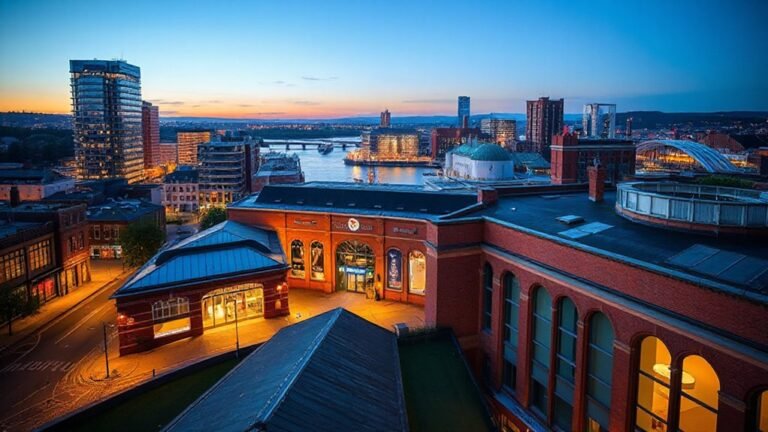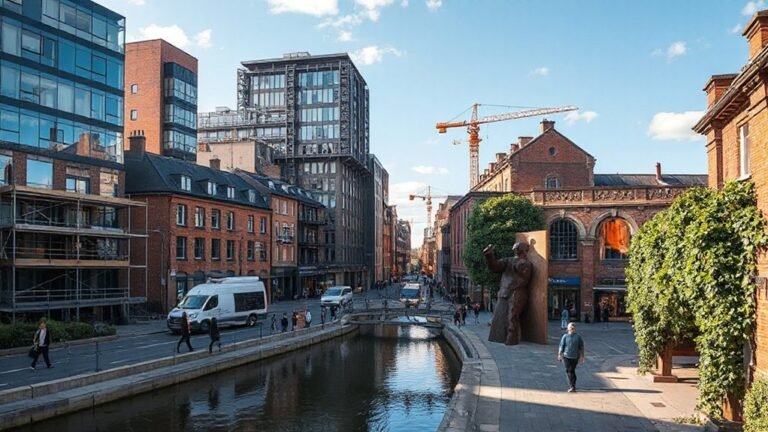
In Nottingham’s market, you’re steering a map where value sits at the intersection of affordability and steady demand. You’ll find mid-range neighborhoods with stable price-per-square-foot, plus regeneration corridors and heritage districts that attract long-term investment. Suburban areas with strong transit offer reliable rental yields, while waterfront and historic sites provide authentic, walkable appeal. The question is, which mix of affordability, growth, and risk balance best fits your strategy as the next move looms ahead?
Why Nottingham for Value Buys

Nottingham stands out for value buys due to a balance of affordable entry prices and resilient demand. You’ll see steady price floors and modest upside from upgrading stock, supported by recent sales velocity and rental yields.
This market combines affordable luxury entry points with robust liquidity, making Luxury apartments appealing for investors seeking visible diversification.
Commercial investments benefit from a diversified tenant mix and improving corridor connectivity, which sustains demand across offices and retail formats.
You’ll notice occupier demand remains resilient despite macro headwinds, keeping capitalization rates stable relative to peers.
Price dispersion remains favorable for value-conscious buyers, especially in secondary districts where refurbishment can free substantial yield.
In short, Nottingham offers disciplined entry, predictable performance, and measurable upside.
Where Nottingham Offers the Best Value: Affordable Neighborhoods
You’ll see where affordability meets opportunity as we map Affordable Neighborhoods Overview against current Value-Based Property Trends. The data highlights price-conscious areas with steady demand and rising rents, signaling solid entry points for value seekers.
Look ahead to Growth Potential Areas where modest initial costs could yield higher returns as Nottingham’s market normalizes.
Affordable Neighborhoods Overview
What makes Nottingham affordable? You’ll notice value clusters in mid-range neighborhoods where price-per-square-foot remains steady and rental yields stay attractive. Across grades of property, street-level data shows newer developments mix with period homes at a discount to city-center equivalents, delivering predictable long-term appreciation.
In this overview, you’ll focus on neighborhoods with solid transport links, growing local amenities, and recent regeneration without premium premiums. Market signals point to stable occupancy rates and modest, controllable debt service, even as interest costs fluctuate.
For you, opportunities include a balance between affordable entry points and upside from improved infrastructure. Watch for pockets near luxury apartments and historic landmarks, where sustainable value is more likely to endure and attract landlord-friendly, renter-demand.
Value-Based Property Trends
Value-based trends highlight where Nottingham delivers the most value relative to risk and growth potential. You’ll see how pricing aligns with demand across neighborhoods, revealing affordable pockets that outperform peers on value per square foot and entry-point affordability.
Data indicates stable rental yields in mid-market sectors, with compressing cap rates signaling efficient capital deployment. You’re considering Luxury apartments as a benchmark for premium value, noting limited supply but high rent growth in select districts that still offer favorable entry points for value seekers.
Commercial investments show resilience when tied to mixed-use corridors and transit-enabled zones, enhancing long-term defensibility. In sum, the strongest value cases balance cost discipline, predictable cash flow, and clear opportunity channels without chasing overheated markets.
Growth Potential Areas
Nottingham’s most affordable neighborhoods show the strongest near-term growth potential, with pricing disciplined by steady demand and improving infrastructure. You’ll see value spread across transit-accessible zones, where rent multiples and occupancy rates outperform city averages, signaling durable demand.
Growth drivers include affordable Luxury apartments appealing to renters seeking quality without premium premiums, and opportunistic Commercial investments that leverage evolving coworking and service sectors.
Data shows progressing school networks, enhanced bike lanes, and targeted regeneration projects, all supporting price resilience and upside. For investors, this mix translates to favorable cap rates, modest entry costs, and visible exit options as neighborhoods mature.
- Transit-adjacent pockets with rental upside
- Regeneration corridors drawing steady tenancy
- Mixed-use hubs expanding daily-footfall
- Premium-for-value Luxury apartments fueling demand
Historic Charm Plus Regeneration: Growth Hotspots
Historic charm meets regeneration in proven growth hotspots, where data shows value cores trending above market averages. You’ll see clusters with character driving higher demand.
While regeneration projects accelerate supply and price momentum. This mix creates targeted opportunities by blending historic appeal with scalable development signals.
Historic Charm, Regeneration Growth
Historic charm meets regeneration-driven momentum in Nottingham, with former industrial pockets transforming into sought-after districts as city-center investment accelerates. You’ll see steady price lift alongside renewed infrastructure, guided by data on development enablers and cultural catalysts like Historical preservation and Cultural festivals driving walkability and demand.
- Historic districts trend upward as restoration budgets unlock value and investor confidence rises.
- Regeneration corridors concentrate amenities, attracting residents seeking authentic, mixed-use environments.
- Market signals show price per square foot outpacing broader city averages in targeted pockets.
- Cultural-led events and conservation planning reinforce long-term value, reducing volatility.
You gain clarity from granular metrics, recognizing where heritage assets meet modern momentum. The result is a predictable, growth-focused subset within Nottingham’s property landscape, favored by those prioritizing enduring appeal and connected living.
Regeneration Hotspots Value Cores
Regeneration hotspots in Nottingham fuse historic charm with growth momentum to form targeted value cores. You’ll see these areas delivering disciplined returns where amenity density, transport access, and mixed-use development converge.
Data signals point to steady rent growth and resilient occupancy in upgraded quarters, with price appreciations outpacing broader city trends over the medium term.
Luxury apartments anchor premium yields, supported by differentiators like street-level dynamism and conservation-led redevelopment.
Vacation homes in select cores attract seasonal demand, aided by proximity to cultural venues and green corridors.
Analysts flag limited supply within core regeneration zones, reinforcing price resilience even as development cycles mature.
In value terms, these hotspots offer a balance of capital preservation and upside, appealing to value-driven buyers seeking diversification.
Growth Areas With Character
- Vintage architecture as a selling point and differentiator
- Local festivals driving occupancy and visibility
- Transport-linked growth corridors enhancing liquidity
- Regeneration-driven rent and price momentum
Suburban Picks With Strong Rental Demand
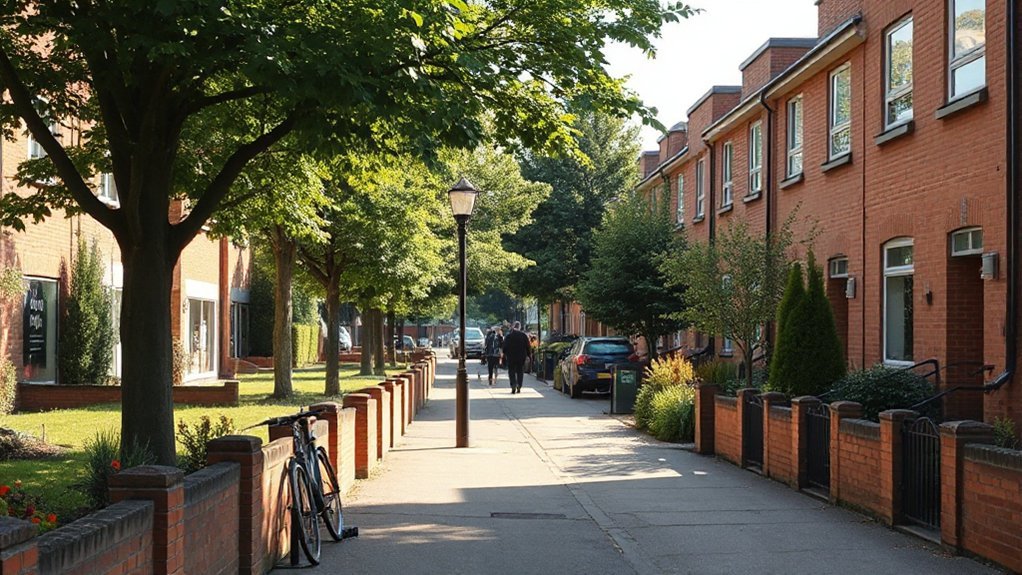
Suburban areas around Nottingham that balance affordability with rental demand are outperforming city-center hotspots, driven by strong tenant turnover and steady yields.
You’ll see rental occupancy rising in mid-range neighborhoods, with cap rates stabilizing around mid-5% to 6% in recent quarters. Demand is strongest for units offering convenience and value, including refurbished flats near key transit links and family-friendly cul-de-sacs.
Luxury apartments attract higher rents but require well-maintained builds and professional management to sustain occupancy. Waterfront properties, though fewer, command premium rents when located on linear canal corridors or near redeveloped waterfront parks.
Data indicates shorter vacancy periods in these suburbs, supported by improving school catchments and nearby amenities, translating into resilient income versus city-center volatility.
Focus on quality builds and reliable management to maximize returns.
What Price Trends Mean for 2026 Buyers
You’ll want to watch market momentum into 2026 as lenders and buyers adjust to evolving price signals.
The trajectory for Nottingham suggests measured gains, with affordability and supply shaping the path for new buyers.
In short, modest but steady price trends will guide decision-making for 2026 purchasers.
Market Momentum for 2026
Market momentum in 2026 signals continued price resilience but with tighter growth as demand cools and mortgage costs bite. You’ll see steadier prices, not sharp swings, as buyers weigh affordability against value.
In Nottingham, data shows selective strength in high-demand sectors, while overall pace slows slightly.
1) Luxury apartments attract cautious inventories, sustaining premium pricing even as volume softens.
2) Commercial investments maintain resilience due to rents and investor risk controls.
3) Mortgage rate sensitivity remains a key driver for entry timelines and bid levels.
4) Neighborhood variance grows, rewarding precise value targeting and due diligence.
For buyers, this means calibrated timing, targeted searches, and emphasis on fundamentals—location, yield, and long‑term growth potential—over headline momentum.
Price Trajectory Outlook 2026
Price trajectory in 2026 points to steady gains tempered by affordability constraints. You’ll see gradual price appreciation across Nottingham’s core districts, with pockets of stronger momentum around value-focused neighborhoods.
Data signals modest annual increases, pressured by mortgage costs and tighter lending, yet demand remains resilient in areas with proven yield.
Luxury apartments continue to attract affluent buyers seeking quality assets, though price per square meter should avoid overextension to sustain liquidity.
Commercial investments remain viable in mixed-use zones where rental fundamentals show stable occupancy and long-term rent growth.
Investors should emphasize cash-flow efficiency, aligning cap rates with risk tolerance while monitoring macroeconomic shifts.
Stay alert to supply constraints, project delivery timelines, and regulatory changes that could shift pricing trajectories into the second half of the year.
Typical Nottingham Rental Yields by Area
Nottingham’s rental yields vary by area, with city-center and university-adjacent zones typically delivering stronger returns than outer suburbs. You’ll see medians hovering around offers that reflect demand, with market fluctuations influencing quarterly shifts and year-on-year comparisons.
In practice, yields cluster highest where employment and student demand converge, while suburban pockets lag but offer stability and space. For investors, diversification matters: spread across core, peri-urban, and student-heavy markets to smooth volatility and capture multiple demand drivers. This approach supports informed decision-making and resilience in changing cycles.
Below are four area-led insights to gauge potential:
- City-center cores often outperform on gross yield, yet leverage and costs matter.
- University-adjacent zones show repeatable rent cycles and shorter voids.
- Suburban belts provide steadier, lower-risk income streams.
- Diversified exposure aligns with investment diversification goals and risk tolerance.
Signs of a Genuine Bargain in Listings
Look for listings that show immediate value beyond the headline price, such as a price per square meter that beats recent comps or a clear path to added value through minor renovations.
In Nottingham’s current market, genuine bargains reveal themselves in timing, condition, and potential rental demand. You should track how listings compare to nearby sales after adjusting for size and floor level, not just sticker price.
Focus on properties with solid rental prospects, especially those offering straightforward management needs and predictable occupancy.
Luxury developments often price in future amenities, so verify ongoing costs and potential for value capture.
Consider Rental management implications: maintenance cycles, service charges, and reputable operator profiles.
A true bargain persists when cash flow and long-term equity align with market fundamentals.
Price Per Square Foot by Nottingham Neighborhood
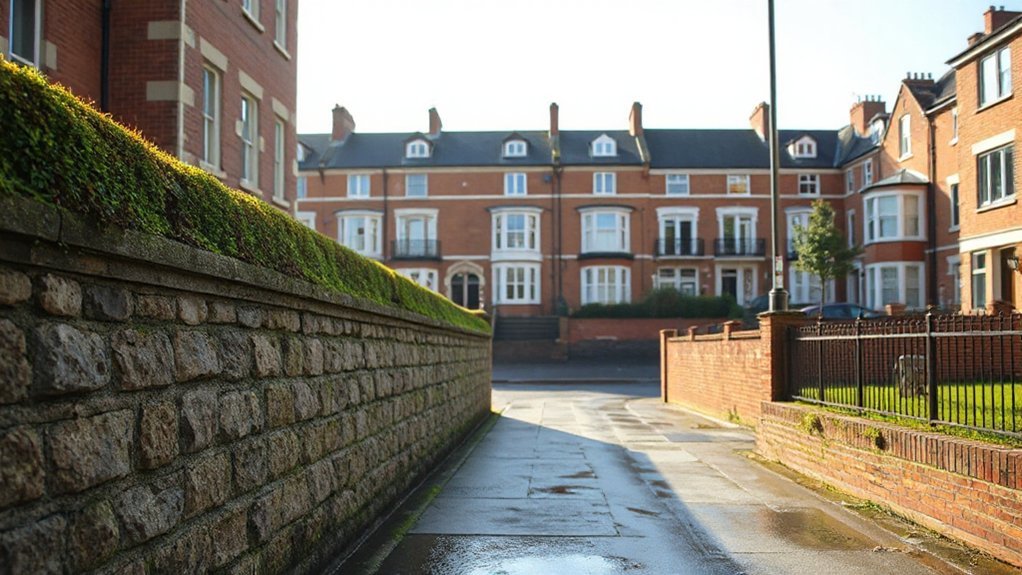
Across Nottingham’s neighborhoods, price per square foot varies meaningfully, reflecting location fundamentals, age, and building type. You’ll see tighter spreads in newer districts, while historic cores show premium density where charm adds value.
In practice, luxury condos and waterfront properties push average metrics higher, signaling demand for lifestyle alongside space efficiency. Neighborhood benchmarks reveal where value supports future growth, and where markets trade at a premium for views or modern amenity packages.
- Higher per-square-foot pricing in luxury condos signals aspirational demand.
- Waterfront properties concentrate value around access, boosting comp sets.
- Older, well-located districts command liquidity but can diverge on teardown risk.
- Newer developments offer efficiency premiums that compress cost per usable square foot.
Infrastructure and Amenity Upgrades to Watch
Transportation and utility upgrades are shaping Nottingham’s growth trajectory: new arterial projects, expanded bike lanes, and grid modernization are likely to reduce commute times and improve reliability.
You’ll notice a steady alignment between infrastructure rolls and value, with utility upgrades supporting dense development around key corridors. In university-adjacent zones, capital expenditure targets resilience and service consistency, encouraging longer dwell times and repeat visits.
Luxury estates near upgraded transport nodes gain premium demand, while commercial investments cluster where access improves cash flow certainty.
Data shows faster project delivery correlates with stabilizing rents, particularly in mixed-use districts that blend housing, retail, and office space.
Watch planned pedestrian zones and green-space enhancements as they tend to lift neighborhood desirability and resale ceilings.
Financing Value-Buys: Mortgages and Exit Strategies
Financing value-buys hinges on disciplined mortgage strategy and clear exit plans that align with Nottingham’s growth run. You evaluate lenders’ terms, stress-test rents, and time exits to match momentum in luxury apartments and commercial investments.
Data indicates tight spreads for long-term leverage, with cap rates compressing modestly in core neighborhoods. Your plan balances cash flow, debt service, and predictable appreciation, avoiding over-leverage as rates rise.
Exit ready means defined sell or refinance milestones tied to occupancy, vacancy trends, and macro cycles.
- Lock in fixed-rate IFIs or durational hedges to shield cash flow
- Align purchase timing with lease-up curves and stabilization milestones
- Map travaillent-like exit routes: hold, refinance, or sale at target IRR
- Segment portfolios between luxury apartments and commercial investments for diversification
Risk Factors in Value Plays and Mitigations

What’re the main risks in value plays, and how can you mitigate them in Nottingham’s market? You’ll face price corrections, tenant demand shifts, and capital-cost changes that compress yields. Market volatility can destabilize entry prices and exit timing, so rely on resilient entry points and conservative appraisal margins.
Mitigate by stress-testing rents against empty-property scenarios and shifts in local employment cycles. Investment diversification helps—don’t overconcentrate in a single submarket or asset type; blend buy-to-let with small-scale mixed-use, and spread across different price bands.
Use transparent, data-backed metrics: cap rates, gross yield, and cash-on-cash return projections under varied occupancy. Maintain liquidity reserves to navigate short-term downturns, and set clear exit criteria tied to observable market signals.
Continuous monitoring keeps you aligned with Nottingham’s evolving risk profile.
A Practical, Step-by-Step Deal Evaluation Guide
A practical, step-by-step deal evaluation in Nottingham starts with a disciplined framework that you can apply across submarkets and price bands. You’ll anchor decisions in current data, compare cap rates, rental yields, and occupancy trends, then stress-test against scenario shifts.
Focus on asset quality, location dynamics, and exit options, keeping risk-reward parity intact for Luxury apartments and Commercial investment.
1) Pinpoint cash flow certainty by validating rents, vacancies, and maintenance costs before purchase.
2) Stress-test with price sensitivity and macro shifts to protect downside.
3) Benchmark against market peers to gauge upside and timing.
4) Confirm liquidity pathways and hold-period targets to align with your strategy.
Case Studies: Small-Town Bargains That Scaled in Nottingham
Case studies show how small-town bargains in Nottingham scaled into meaningful returns by timing demand, tightening operations, and reinvesting gains.
You’ll see patterns where submarkets grabbed discounts in overlooked towns, then pivoted to higher-value exits. In our data, deals often double entry value within 3–5 years as demand shifts toward amenities and accessibility.
You’ll note that upgrades to Luxury apartments and strategic repositioning of Commercial spaces boosted rents and occupancy, supported by targeted marketing and tenant mix optimization.
Cash-on-cash returns improved when diversification reduced single-site risk, and exit multiples rose with zoning clarity and infrastructure improvements.
Takeaway: disciplined acquisition, swift improvements, and disciplined capital recycling convert modest bets into scalable Nottingham outcomes with measurable, repeatable results.
Frequently Asked Questions
How Do You Measure True Value Beyond Price per Square Foot in Nottingham?
You measure true value by analyzing market trends and property appreciation, not just price per square foot. Track rental yields, resale demand, asset quality, school catchments, transport links, and planned developments to gauge growth potential and long-term value.
Which Areas Offer the Best Rental Demand vs. Purchase Risk?
You’ll find high rental yields in areas with strong neighborhood amenities, balancing demand against purchase risk. Don’t overlook proximity to transport and schools, because those factors sustain demand, boosting yields while keeping capital risk comparatively low.
What Hidden Costs Affect Overall Value of Nottingham Properties?
Hidden costs include property tax and maintenance costs, which slice your net yield. You’ll want to factor repairs, insurance, and management fees; these influence cash flow and long-term value more than purchase price alone. Data shows reliable maintenance lowers depreciation.
How Long to Hold for Optimal Value Realization in Nottingham?
Hold for 5–7 years to realize value, you ride market waves like a lighthouse. Market trends guide you; investment timing matters. You’ll see compounding signals, then exit when appreciation aligns with risk-adjusted targets.
What Indicators Signal a Genuine Value Opportunity in Listings?
You’ll spot genuine value when market trends show steady price reversion and Neighborhood growth accelerates, with days on market shrinking and price-per-square-foot rising, signaling demand. Monitor volume spikes, and compare rents to comps for credibility.
Conclusion
Conclusion: you’ll find value where contrast sharpens insight. In Nottingham, steady price-per-square-foot sits beside buoyant regeneration; historic charm sits next to modern mobility. The data shows durable rents in suburban cores, while canal-side and heritage zones offer authentic, walkable appeal. Yet risk lingers—economic shifts, policy, and rate moves. If you balance timing with due diligence, you can pair affordable entries with resilient exits, marrying stability with upside in a city of evolving value.
About the Author