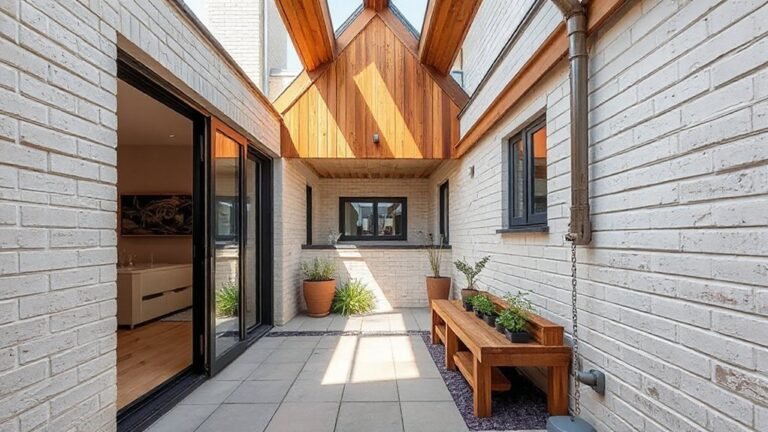
If you’re buying in Luton for commuters, focus on areas near Luton Station and well-linked suburbs—these zones trim your London trips to under 20 minutes and sustain strong rental demand. You’ll balance proximity to transport with amenities, greenery, and revivable districts that hold resale value. Yet, the best choice hinges on your budget and risk tolerance; consider how each neighborhood stitches together transit, price bands, and growth, then anticipate the trade-offs before you commit.
Why Luton Works for Commuters

Luton is a strong commuter hub thanks to its efficient transport links. You’ll find fast rail access, reliable bus routes, and proximity to motorways that cut door-to-destination times.
Data shows average journey times into London cluster around 20 to 45 minutes, depending on mode and station, with predictable off-peak intervals. This reliability supports daily routines and weekend flexibility.
Urban development around station precincts has boosted housing supply near tram and rail nodes, improving catchment for commuters. Community amenities near transport hubs—groceries, gyms, coworking spaces—reduce out-of-pocket travel costs and time waste.
Fast Rail Towns: Quick Hops to London by Rail
Fast rail towns near London deliver rapid, predictable commutes that appeal to both homebuyers and investors. You’ll notice consistent rail infrastructure supporting short travel times, with major lines linking town centers to King’s Cross and Liverpool Street in under an hour.
This reliability reduces downtime and increases the attractiveness of local properties. From a data perspective, value tends to track service frequency, punctuality, and seasonality of peak flows, making density and transit-oriented development prudent considerations.
You should assess property investment potential by examining ticketing zones, typical rental yields, and vacancy rates during off-peak periods. In practice, towns with cross-compatibility to commuter hubs often outperform similar markets on price growth and liquidity, enhancing long-term resilience and return profiles.
Budget-Friendly Picks Near Luton Station
In historic districts nearby, exit strategies and resale potential stay solid, even as entry prices climb elsewhere. You should compare yield scenarios and maintenance costs across micro-neighborhoods, noting that proximity to station steps up liquidity during market dips.
Luxury apartments exist but are rarer at this price tier, so focus on efficiency and long-term value. Historical districts offer architectural character without premium premiums, preserving budget-friendly potential for steady appreciation.
Growing Areas With Strong Rental Demand
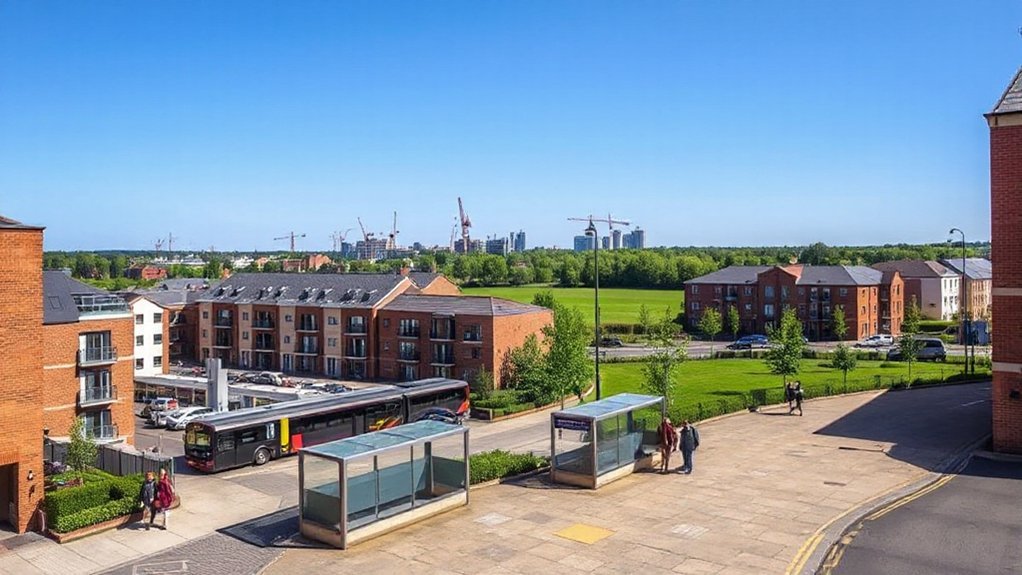
In Luton, demand concentrates around established routes and revitalized districts, where turnover remains steady even amid market fluctuations. Luxury apartments attract premium tenants, driving lower vacancy despite competition, while historic neighborhoods preserve long-term value through character and location.
Rental yields in these pockets often exceed borough-wide benchmarks, supported by consistent lease renewals and tighter supply due to building constraints. You should weigh cap rate trajectories, maintenance costs, and rezoning plans.
Prioritize routes with reliable commute times and amenities, balancing potential appreciation against management complexity in heritage-rich areas.
Suburban Quiet With Easy City Access
You’ll notice quiet suburbs offering a calmer environment without sacrificing access to central amenities.
Data shows quick commutes and easy city access support higher buyer confidence, especially in family-friendly neighborhoods.
With these factors in mind, we can start comparing options that balance quiet living with practical travel times.
Quiet Suburbs, Quick Commute
Quiet suburbs around Luton offer a balance of low density, green space, and predictable property values, while maintaining quick access to the city. You’ll find steadier price trajectories in these areas, aided by steady demand from commuters and families who value reliability over peaks in volatility.
Transit links, like fast rail and measured bus timetables, contribute to predictable commute times, even as you seek quiet mornings.
Urban parks provide bite-size recreation without leaving the borough, supporting health metrics and neighborhood appeal.
Local amenities cluster near main streets, sustaining daily convenience and resale value.
- Established green corridors correlate with higher occupancy longevity
- Proximity to urban parks aligns with sustained demand among families
- Local amenities drive shorter shopping trips and price stability
Easy City Access
In this setup, daily routines hinge on predictability rather than spontaneity. Local amenities cluster within short reach, including supermarkets, healthcare, and recreation, which sustains convenient, low-traffic runs for errands.
You should evaluate property values against commuter discounts, noting that proximity to major roads reduces door-to-door time rather than distance alone. School quality remains a consideration, with reputable local schools often correlating to stronger resale appeal.
Family-Friendly Neighborhoods
- Strong local amenities and school districts correlate with higher rental stability
- Consistent access to city centers with controlled development
- Transparent zoning and community planning reduce investment risk
Neighborhoods Near Major Employment Hubs
Many neighborhoods near major employment hubs in Luton offer quick commute times and higher daily service usage, making them attractive for property investors and buyers who prioritize work-life balance. You’ll see density around business districts driving demand, with occupancy rates tracking stable, above-average in several micro markets.
Data indicate shorter modal commutes, often under 20 minutes, and resilient rent growth tied to office cluster expansion and transport reliability. In these areas, you’ll find a mix of property types, from compact flats to larger units that appeal to professionals.
Luxury apartments feature premium finishes and amenity access, while historic districts attract buyers seeking character without sacrificing accessibility. Evaluate zoning, infrastructure upgrades, and amenity catchment to optimize risk-adjusted returns.
Commuter Housing Options and Typical Price Ranges

Focusing on commuter housing options, you’ll see which areas balance short travel times with sensible price ranges.
Data shows price bands vary by area, while proximity to major transport links tends to raise both demand and value.
Price Range By Area
Price ranges by area in Luton vary with commute options and housing type. You’ll see distinct bands by neighborhood and unit type, with data showing premium prices for closer proximity to rail hubs and city centers.
Luxury apartments command higher per-square-foot rates, especially near historic neighborhoods and redeveloped riverfront corridors.
Family-sized homes in suburban pockets offer more value per bedroom, but demand remains strong near mainlines.
Overall, you’ll notice a pattern: higher prices correlate with shorter commutes, newer builds, and secure amenities, while historic neighborhoods offer charm at a modest premium when combined with modernization.
Consider both transaction costs and ongoing maintenance as you compare price per year versus long-term equity growth.
- Luxury apartments near major stations show the strongest price per square foot
- Historic neighborhoods blend character with steady appreciation, often at a premium
- Suburban corridors provide larger homes with improving access, balancing value and commute
Commuter Transport Links
What’s the link between transit access and housing cost in Luton? Transit-rich areas attract higher demand, driving premiums on property values and rents.
In commuter corridors near Luton Airport Parkway, Leagrave, and Luton Town stations, you’ll see faster access to central London and major hubs, translating into tighter price bands for similar square footage elsewhere. Commuter housing options cluster around towns with frequent rail and bus services, while slower routes along peripheral routes show modest price gains.
Typical price ranges tighten around well-connected zones, yet you can still find value where growth projections lag. Real estate investment benefits from stable demand, supported by local amenities, schools, and business services that sustain long-term value beyond transport time.
How to Choose Your Ideal Commuter District

Choosing your ideal commuter district hinges on balancing travel time, cost, and convenience. To decide, quantify commute durations to central hubs, then weigh housing prices against potential rental or resale yields. Analyze transport reliability, frequency, and peak-time bottlenecks to forecast daily punctuality, not just distance.
Consider property investment upside tied to growth districts with improving local amenities and planned infrastructure. Compare council tax, service charges, and utility costs to avoid hidden deltas in monthly expenses.
Evaluate crime, schooling options, and green spaces as impact multipliers for desirability and long-term value. Align these factors with your work patterns and risk tolerance to pick a district that sustains demand.
- Comparative travel metrics and price-to-rent trends
- Local amenities and planned developments shaping future value
- Transit reliability, safety, and school quality indicators
Frequently Asked Questions
What Are the Hidden Costs of Buying in Luton for Commuters?
Hidden costs include legal fees, stamp duty, survey costs, ongoing maintenance, and utility bills; you’ll also face mortgage arrangement fees and insurance. Consider affordable housing options and nearby local amenities to balance upfront expenses with long-term value.
How Do School Zones Affect Commuter Property Value?
Like a well-tuned clock, school zoning shapes value: you’ll see higher buy-in near top zones. You gain commute convenience, but monitor zoning changes that could shift property demand and resale timing.
Which Areas Have the Strongest Long-Term Rental Growth?
You’ll see the strongest long-term rental growth where rental demand remains high and property appreciation accelerates. You’ll note areas with consistent occupancy, rising rents, and limited supply, indicating resilient, data-driven Rental demand fueling sustained Property appreciation.
Are There Any Safety or Crime Concerns Near Railway Lines?
Rail safety improves with lights, crossings, and patrols; Crime hotspots around lines vary, but you should check local data, monitor trends, and stay vigilant. You’ll compare, assess, and decide based on evidence and safety metrics.
How Does Future Infrastructure Impact Property Prices?
Future infrastructure boosts property prices, you’ll likely see higher values near planned routes. Public transit improvements attract demand, while infrastructure development signals growth, prompting investors like you to bid more aggressively as accessibility and reliability rise.
Conclusion
Luton’s commuter appeal is proven by proximity to fast rail links and consistent demand in revitalized, well-connected neighborhoods. With averages nudging up near the station and solid rental yields in growing areas, your investment decision should hinge on rail access, local amenities, and future transport projects. In short, this market is a highway with multiple reliable exits—choose a district that balances price, speed, and long-term growth. Time is money; pick the fastest route.
(Note: included one figure of speech: “a highway with multiple reliable exits”)
About the Author