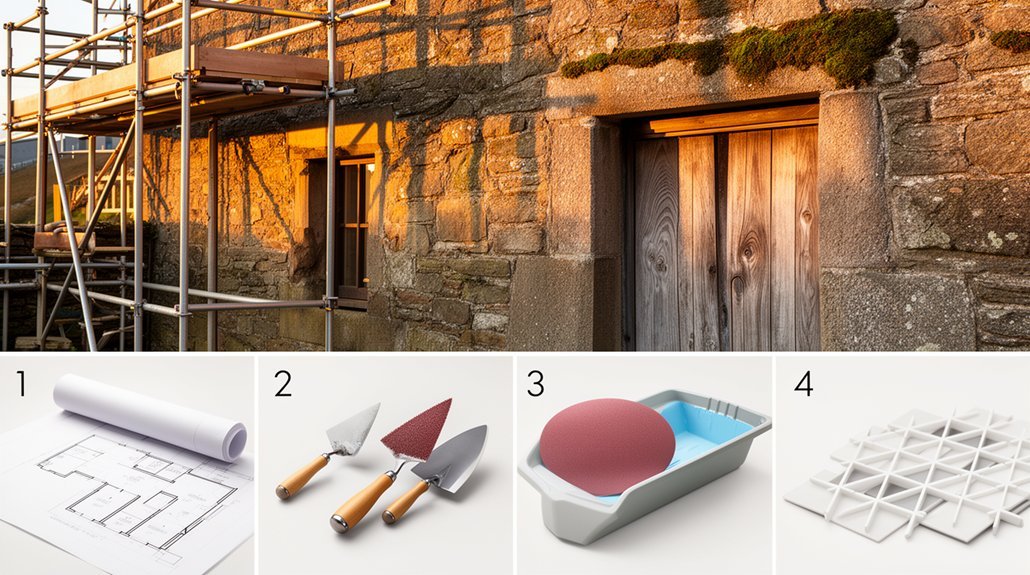
Start with a clear plan that respects heritage constraints and prioritizes structural safety. Define concrete goals: structural integrity, energy efficiency, drainage, and authentic granite restoration. Assess the building’s health—foundations, roof timbers, mortar, and stone—before any work. Secure permits and engage with Aberdeenshire conservation officers early. Plan phased upgrades: insulation, airtightness, windows with traditional profiles, and era-appropriate timber detailing. Schedule milestones and community input, then sequence trades to minimize disruption. If you press on, you’ll gain access to more detailed steps and checks.
Define Your Granite Farmhouse Renovation Goals
Start by clarifying why you’re renovating and what you want to achieve. You identify three core goals: structural integrity, modern interior design compatibility, and enhanced outdoor utility.
Determine your non-negotiables (load-bearing limits, insulation targets, moisture control) and your nice-to-haves (flexible spaces, daylight optimization, smart controls).
Translate these into measurable criteria, like U-values, air changes per hour, and budget caps.
Prioritize risk management, scheduling realism, and supplier timelines.
Align your plan with garden landscaping concepts that support drainage, shade, and curb appeal without compromising granite features.
Document success metrics for each room, then map them to phased milestones.
Finally, set review points to adjust scope, ensure cost control, and maintain focus on durable, timeless decisions.
Aberdeenshire Heritage Constraints for Renovation
Aberdeenshire’s historic status shapes every renovation decision. You must navigate local heritage regimes, evaluating listed status, design guidance, and permitted alterations before you plan any change to your granite farmhouse.
This involves aligning with heritage regulations that govern façade treatments, stone repair methods, and window replacements, emphasizing sensitivity to original materials and scale. You’ll prioritize granite preservation techniques that maintain texture, coursing, and historic character, prioritizing reversible interventions where possible.
Consult with conservation officers early, document existing conditions, and prepare a robust justification for each modification. This disciplined approach reduces risk of refusals and guarantees long-term authenticity.
- Engage early with conservation officers
- Document existing granite characteristics
- Favor reversible, non-destructive interventions
Granite preservation, Heritage regulations.
Assess Structural Health and Safety First
Before you make any design decisions, assess the structure’s health and safety, because the integrity of the building underpins every renovation choice. Start with a structural audit: load-bearing walls, arches, foundations, and roof timbers, noting cracks, moisture, and timber decay.
Map out stone stability, mortar type, and potential granite preservation concerns that could signal hidden voids or settling. Check drainage, ground moisture, and fuel-safety risks, then document surroundings for remedial planning.
Prioritize essential repairs: stabilize visibly compromised elements, ensure weatherproofing, and address hidden vulnerabilities before cosmetic work. Use objective data to guide decisions, avoid overloading joints, and verify material compatibility to prevent future deterioration.
This disciplined approach sustains rural aesthetics and preserves long-term safety for occupants and heritage.
Create a Realistic Renovation Budget and Timeline
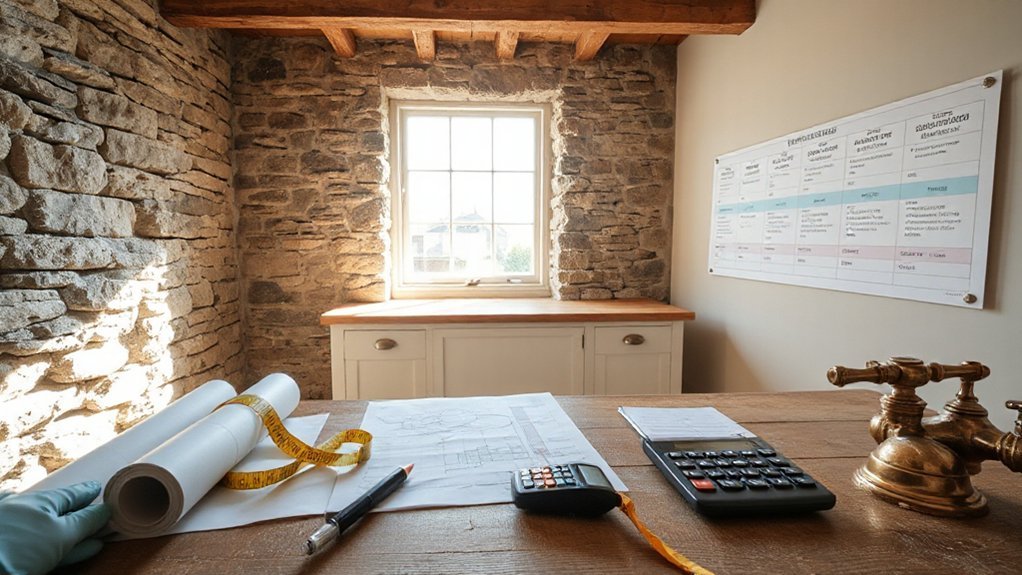
A realistic renovation budget and timeline begin with a precise scope: itemize all required work, from essential structural stabilization to cosmetic updates, and estimate costs for each task with current market prices.
You’ll assign a realistic sequence, build contingencies, and align milestones with procurement lead times and permitting. Track funding sources and document approvals to prevent scope creep, then set a conclusive finish date that accounts for weather and contractor availability.
Maintain a living budget, updating estimates as bids come in and as site conditions change. Include Interior decor and Landscaping design costs early to avoid rework.
Keep a weekly progress log and risk register to stay on target.
- Define tasks, costs, and timelines with buffers
- Align decor and exterior planning to budget
- Monitor changes and adjust schedules promptly
Prioritize Insulation and Energy Efficiency
To begin, prioritize insulation and airtightness as the foundation for energy efficiency; upgrades here reduce heating loads and set the stage for durable comfort.
You’ll seal gaps around doors, windows, and penetrations with carefully chosen materials, then upgrade to high-performance glazing and insulation in walls, attic, and floors.
Target thermal bridges with continuous sheathing and mineral wool or closed-cell foam where appropriate.
Implement an airtightness strategy measured by a blower door test, aiming for a low ACH (air changes per hour) value before adding mechanical systems.
Choose energy-efficient HVAC solutions, heat pumps, and smart controls to optimize usage.
In parallel, plan landscape design and interior decor to minimize heat loss through shading, reflective surfaces, and compact layouts that support efficient operation.
Plan Layouts to Honor Granite Character
Plan layouts that honor granite character by placing mass and openings to celebrate the stone’s natural texture while guiding movement through the house. You shape spaces to emphasize hefty stone margins, avoiding over-framing that hides textures.
Position doorways and halls to draw visitors along the grain, letting walls become tactile guides rather than barriers. Balance open living areas with intimate backing stones, preserving the rugged charm while enabling modern flow.
Prioritize granite preservation by selecting finish levels that reveal patina rather than conceal it. Use durable, low-reflective materials adjacent to exposed stone to reduce glare and echo.
Aim for rural aesthetics that respect provenance and scale, ensuring every progression respects the quarry’s imprint.
- Align massing with stone planes to enhance character
- Place openings to choreograph movement and light
- Select textures that echo rural granite without overpowering space
Choose Timeless Bulkheads and Sash Windows
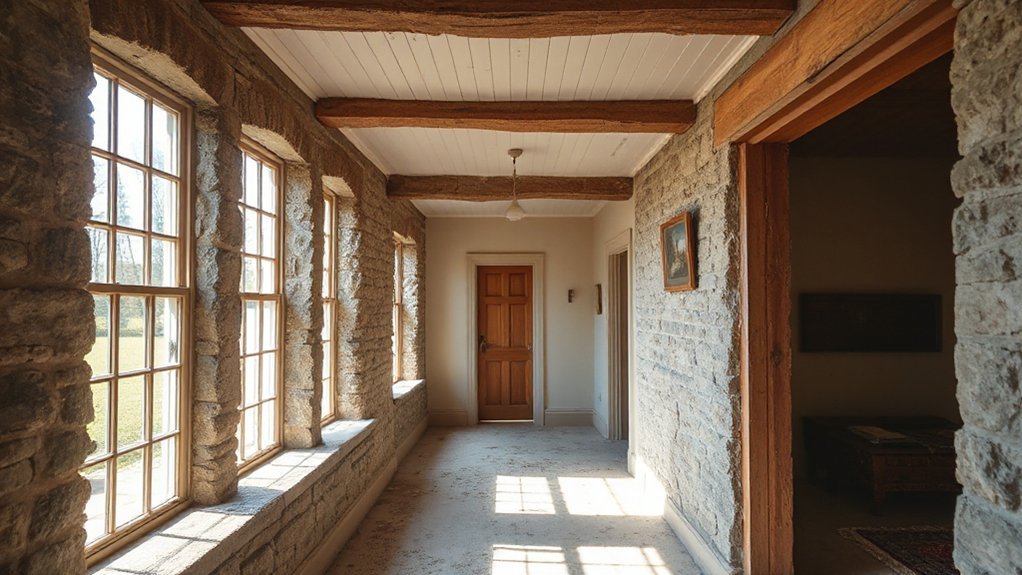
Choosing timeless bulkheads and sash windows ties the plan to the granite character while guaranteeing practical, enduring performance. You select bulkheads with clean, simple profiles that hide service routes yet preserve room proportions, favoring solid timber cores or steel-framed variants for structural fidelity.
Sash windows receive traditional muntin patterns or slim glazing beads to echo period aesthetics without compromising insulation. Prioritize timber or engineered wood with proven durability, and seal joints to guard against weather ingress.
For hardware, opt for brass or pewter finishes that age gracefully and resist corrosion. Confirm timber is certified for outdoor use, with a durable finish and UV protection.
This approach delivers Timeless design and Material durability, aligning authentic appearance with modern performance.
Source Local Materials and Aberdeenshire Craftspeople
Harness local resources and skilled regional craftspeople to honor the granite character while ensuring practical performance. You’ll prioritize materials from nearby quarries and trusted suppliers, reducing transport and supporting local economies. Seek evidence of quality, consistency, and sample finishes that match your home’s texture.
Engage local artisans for detailing, joints, and traditional techniques that endure. By pairing granite quarrying outcomes with contemporary performance standards, you preserve authenticity without sacrificing efficiency.
- Source granite from nearby quarries with documented quarrying practices and grade consistency
- commission local artisans for chamfered edges, inlays, and mortar choices that complement Aberdeenshire styles
- verify suppliers’ sustainability, provenance records, and craft credentials before committing to contracts
Drainage, Plumbing, and Electrical Upgrades in Rural Homes
Renovating a granite farmhouse in Aberdeenshire must address drainage, plumbing, and electrical upgrades to preserve both comfort and performance in a rural setting. You’ll map drainage paths first, preventing frost heave and surface pooling by linking swales, soakaways, and permeable pavements to field drainage.
Upgrade plumbing with reinforced mains, pressure regulation, backflow prevention, and insulated runs to withstand cold winters.
Electrical work demands a phased plan: RCD protection, tamper-resistant outlets in kitchens and outbuildings, external lighting, and generator or solar back-up considerations.
Prioritize service continuity for essential systems, check water quality, and install filtration where needed.
Integrate garden landscaping drainage into aesthetic choices, ensuring unobstructed water flow around features.
Even with practical priorities, align upgrades with interior decor to maintain cohesive, enduring farmhouse charm.
Damp, Ventilation, and Humidity Management
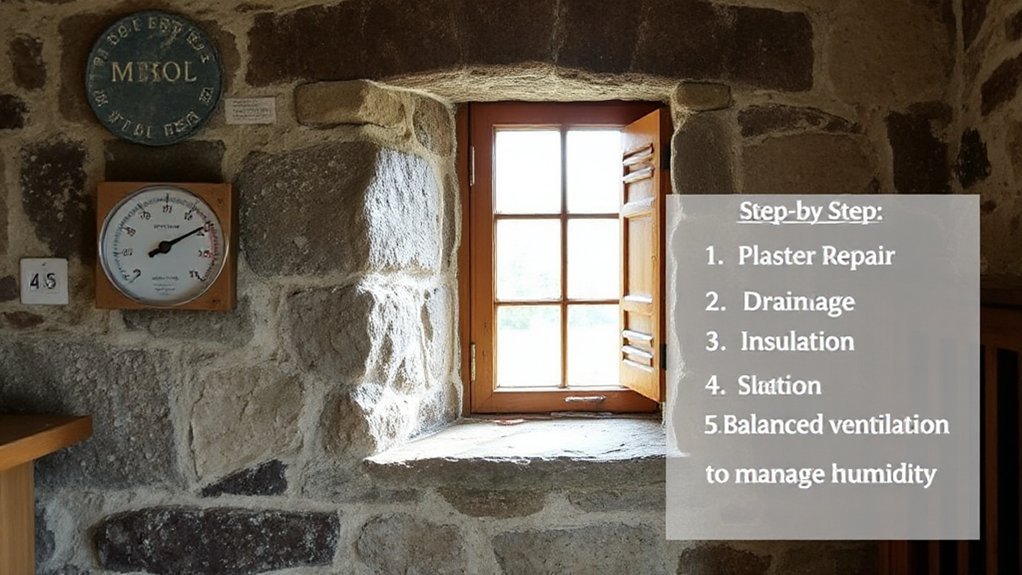
You’ll start by prioritizing moisture control methods to prevent damp and mould—use hygrometry to track humidity, seal leaky joints, and choose breathable finishes for granite interiors.
Measure ventilation performance with metrics like air changes per hour and relative humidity targets to guarantee consistent, fresh air without heat loss.
This sets a precise baseline for ongoing humidity management and informs subsequent embodied choices in renovations.
Moisture Control Methods
Moisture control in a granite Aberdeenshire farmhouse hinges on three core practices: damp prevention, effective ventilation, and humidity management. You’ll implement rigorous moisture barriers at basements and ground floors, seal gaps, and use terminating flashings to block water ingress.
Humidty sensors monitor interior conditions, triggering alerts before condensation forms on cold surfaces. Maintain a proactive stance: fix leaks promptly, isolate moisture sources, and schedule seasonal checks to prevent creep.
- Moisture barriers installation and seal integrity
- Humidity sensors monitoring and alert thresholds
- Proactive leak repair and seasonal inspection cadence
Ventilation Performance Metrics
How do ventilation performance metrics quantify damp, ventilation, and humidity management in a granite Aberdeenshire farmhouse? You’ll evaluate metrics that define air quality, moisture balance, and exchange efficiency.
Begin with air change rate (ACH) to measure how often the space refreshes per hour; target steady-state humidity, not overshoot.
Next, assess ventilation efficiency by comparing actual versus designed flow under typical occupancy and use patterns, identifying leakage, thermal bridging, or inadequate ducting.
Use CO2 and VOC readings as proxies for indoor air quality, flagging stagnant zones.
Monitor relative humidity and dew-point proximity to surfaces to prevent condensation and mold.
Track moisture load over time, correlating with outdoor kinetics and indoor activities.
Document thresholds, excursions, and corrective actions for consistent, energy-efficient ventilation performance.
Preserve Granite Detailing and Stonework
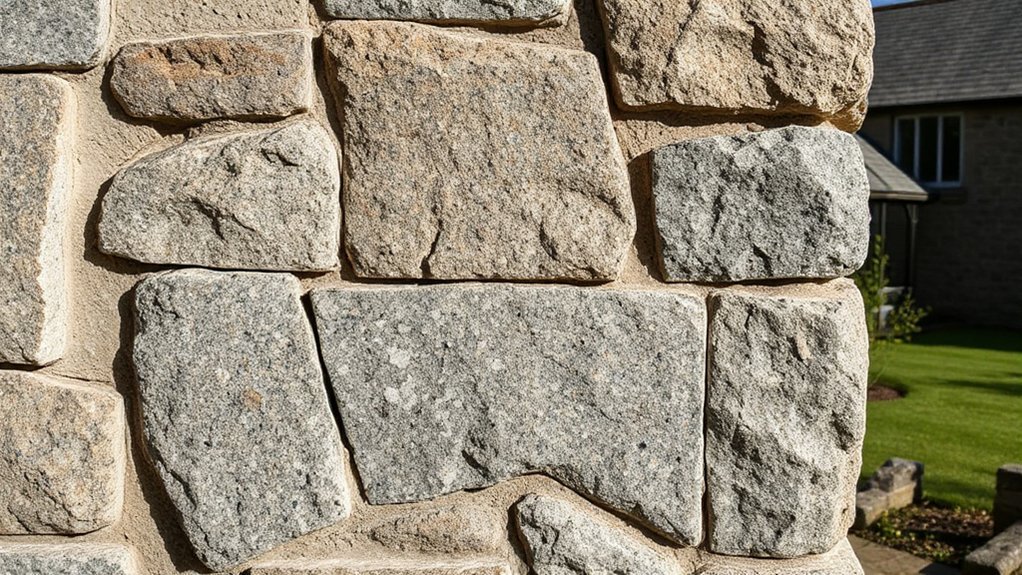
- Inspect, document, and prioritize stone integrity
- Select compatible cleaners and consolidation methods
- Repoint with period-appropriate lime mortars
granite cleaning, stone preservation
Windows, Doors, and Thermal Breaks for Historic Homes
Windows, doors, and thermal breaks are critical to preserving the character and comfort of a granite farmhouse while improving energy efficiency. You assess existing openings for historic accuracy and airtightness, then select replacements that respect proportion, sill height, and lintel details.
For window styles, prioritize slim profiles, multi-pane grids, and timber frames that echo traditional crafts, while integrating modern glazing for U-values suitable to Aberdeenshire climates.
When choosing door designs, favor solid timber with reinforced joints, authentic panelling, and weather stripping that preserves historic sightlines.
Install thermal breaks at frame junctions to reduce heat transfer without compromising authenticity.
Guarantee flashings and sills direct water away from walls, maintaining stone integrity and long-term performance.
Avoid flashy hardware; opt for understated, durable finishes.
Heating Solutions for Rural Aberdeenshire Homes
Across a rural Aberdeenshire setting, heating solutions must balance performance with the area’s stone-built character and seasonal demands. You’ll optimize efficiency by combining solar heating with conventional systems, reducing peak loads while preserving ambient comfort.
Prioritize radiator placement to maximize heat distribution, aligning tall, exposed stone walls with vents and thermostatic controls. Use heat emitters sized for long, cold winters and consider buffer storage to smooth demand.
Integrate renewable controls that respond to sun exposure and external temperatures, ensuring consistent warmth without overextension. Maintain airtight detailing around floor joints and ceilings to minimize drafts.
In practice, pair a solar preheat with a well‑shielded boiler, and verify zoning for quiet, precise operation.
- Solar heating
- Radiator placement
- Zoned controls
Step-by-Step Renovation Timeline and Milestones
A practical renovation timeline starts with a clear baseline and firm milestones, then progresses through design, procurement, and execution phases. You establish a 0–12 week master schedule, mapping critical paths for structural work, services, and finishes.
Define milestones for survey completion, contractor onboarding, and procurement cutoffs; tie each to concrete deliverables and lead times.
Interior lighting planning occurs during design, with specifications locked before ordering fixtures.
In execution, you sequence trades to minimize disruption, aligning tasks to avoid rework. Regular milestone reviews keep progress transparent and risk management proactive.
For landscape design, schedule site surveys early and integrate grading, drainage, and external lighting alignments with the interior plan.
Maintain buffer periods for weather and supply delays to preserve momentum throughout the project lifecycle.
Permits, Compliance, and Local Support
You’ll start by confirming permits and approvals required for the project scope, including any listed building consents, planning permissions, and utilities notices.
Local authority support matters—you’ll establish points of contact, track submission timelines, and anticipate potential conditions or fees.
Finally, you’ll review compliance and code updates relevant to granite farmhouses, ensuring routines align with recent amendments and conservation guidance.
Permits and Approvals
Before you break ground, confirm which permits and approvals the project requires in Aberdeenshire, as these define the scope, timing, and compliance standards for renovating a granite farmhouse. You’ll need to align with planning, building warrants, and any listed-building considerations, ensuring documentation matches the renovation scope, materials, and permanence.
Confirm any constraints on alterations to exterior facades, roofing, or load-bearing elements, and prepare for potential Historic Environment Scotland input to preserve historical integrity. Emphasize historical accuracy, and plan material sourcing to meet local standards.
Coordinate approvals early with the Scottish planning authority and conservation officers, reducing the risk of delays or retrofits after work begins.
- Permit prerequisites and review timelines
- Compliance milestones and documentation
- Local support channels and submission contacts
Local Authority Support
Securing timely local authority support is essential for a smooth renovation of a granite farmhouse in Aberdeenshire. You’ll map relevant permissions early, distinguishing listed-building constraints from standard planning needs.
Begin by identifying the local planning authority and the conservation officer, then request pre-application guidance to clarify expectations on massing, materials, and setting.
You’ll document community involvement plans, ensuring neighbours and local historians have input where historic significance informs design choices.
Compile a robust design statement detailing unchanged exterior features, repair methodologies, and sourced stone, mortar, and roofing that meet, not just comply with, policy intent.
Maintain precise calendars for submissions, responses, and mandatory consultations. Track conditions with actionable deadlines, and secure written confirmations of required approvals before proceeding.
Compliance and Code Updates
- Permits and approvals
- Conservation and safety compliance
- Local support and documentation
Frequently Asked Questions
How Long Does a Granite Farmhouse Renovation Typically Take in Aberdeenshire?
Renovations typically take six to nine months, depending on scope and weather. You’ll coordinate interior design and structural work, while landscaping ideas shape the grounds. Plan contingencies, secure permits, and track milestones to stay on schedule and within budget.
What Permits Are Required for Historic Granite Homes in Aberdeenshire?
Historic preservation requires listed-building consent and local planning approvals; you’ll also navigate Building Regulations, energy standards, and potentially external alterations permissions. You should engage early with planning officers, document heritage features, and align projects with conservation guidelines.
Can I Renovate on a Tight Budget Without Compromising Heritage?
Yes, you can, and you should prioritize budget friendly options that still honor heritage preservation techniques. Use reclaimed materials, simple finishes, and scalable updates, then document choices to demonstrate compliance while maintaining authenticity and structural integrity.
What Maintenance Will a Renovated Granite Home Require Long-Term?
Your home will demand steady watchfulness: stone preservation remains core, and weatherproofing techniques must be maintained. You’ll inspect mortar, seal joints, clean graffiti, treat efflorescence, and reseal annually to protect historic granite against moisture and freeze-thaw damage.
Are Traditional Materials Readily Available Locally in Aberdeenshire?
Local material sourcing is strong here, and granite availability remains reliable. You’ll find ample options from regional quarries, plus compatible traditional finishes. You can source locally for most restoration needs, ensuring authenticity and cost efficiency in your project.
Conclusion On Renovating A Granite Farmhouse
You’ve got a clear path: define goals, respect heritage constraints, and plan around robust insulation, drafts, and efficient glazing. Prioritize structural safety, then layer in energy efficiency with modern heating that respects the granite shell. Track a realistic budget and timeline, secure permits, and lean on local support. An intriguing stat to deepen the narrative: homes in Aberdeenshire’s granite belt lose up to 40% of heat through poorly sealed joints. Precision in detail yields durable, authentic renovations.
About the Author