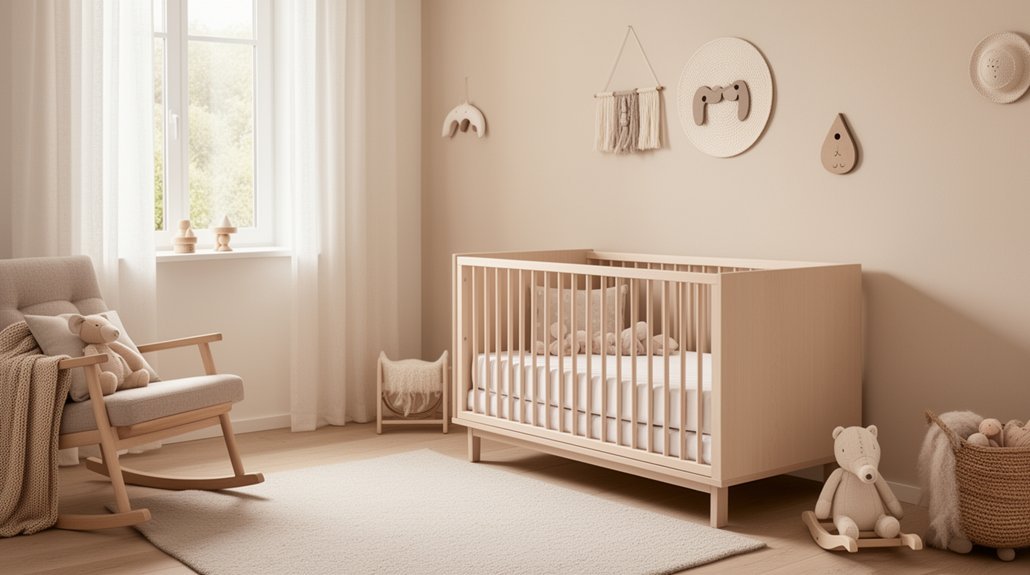
A Scandi-style nursery creates calm, cosy spaces with minimalism, natural light, and warm wood tones. You’ll emphasize clean lines, integrated storage, and clutter-free zones that support easy movement. Use soft neutrals, tactile natural materials, and restrained textures—linen, cotton, wool—paired with matte finishes and gentle patterns. Lighting stays warm, dimmable, and strategically placed to guide routines. Plan zones for sleep, diapering, feeding, and play with safe, versatile furniture. If you keep exploring, you’ll uncover more practical refinements.
What Defines a Scandi-Style Nursery
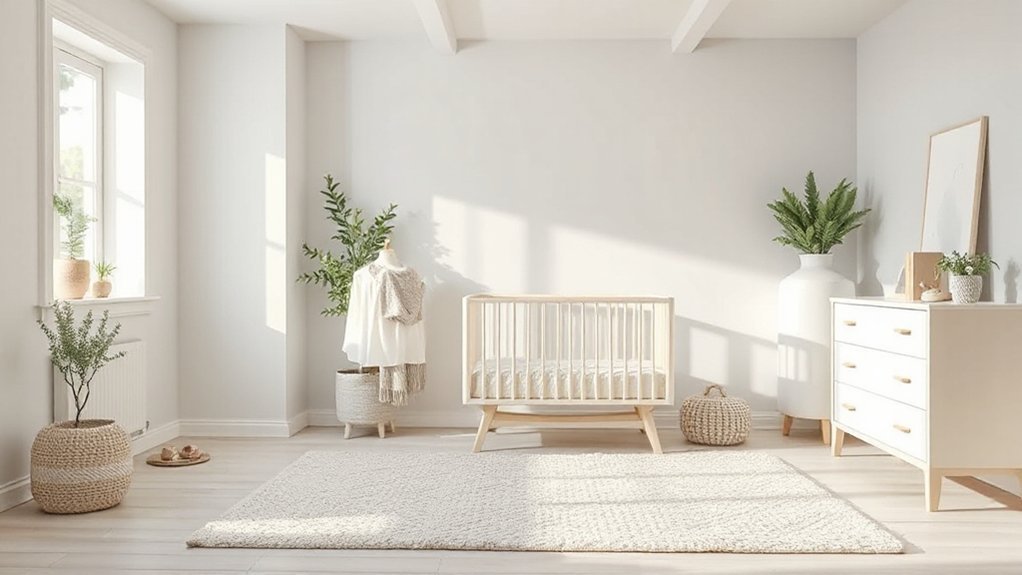
A Scandi-style nursery embraces minimalism, natural light, and a soft, neutral palette. You define it through function over ornament, choosing clean lines, unembellished furniture, and tactile materials that glow under daylight.
You prioritize form that supports calm, with storage integrated into the design to reduce clutter. You select durable woods, textile textures, and a restrained color scheme to create visual quiet.
You approach lighting as a key element, balancing ambient, task, and accent layers to keep spaces airy without harsh contrasts. You consider nursery lighting to support gentle routines and daytime energy.
You also align layout with baby sleep patterns, ensuring safe, open floor plans that invite easy movement. In this framework, simplicity becomes the hallmark of a serene, efficient environment for growth.
Choosing a Calming Color Palette for Baby Spaces
Choosing a calming color palette starts with soft neutral tones that create a serene backdrop you can build on.
Pair these with gentle color combinations to keep the space soothing without feeling sterile.
Use a balanced contrast palette to guide your eye and add depth.
You’ll establish harmony by keeping saturation low to mid and ensuring every hue supports rest and focus.
Soft Neutral Tones
Use these hues across walls, textiles, and cabinetry to maintain visual harmony. Introduce subtle variation through textures rather than saturated color, inviting tactile interest without overstimulation. Pair soft neutrals with deliberate contrast in key elements like nursery wall art and storage fronts to guide focus.
Keep lighting warm and consistent to reinforce serenity; diffuse sources prevent glare and harsh shadows. For comfort, select comfortable seating in muted finishes, ensuring a cohesive, functional space that remains soothing.
Gentle Color Combinations
Color psychology guides selections: cooler blues and greens can foster serenity, while warm taupes and creams provide soothing warmth without overstimulation. Pair these tones with subtle accents to avoid visual clutter.
For surfaces, rely on paint finishes that feel quiet and refined—matte or eggshell surfaces reduce glare and create depth without glare. Test swatches in natural light across morning and afternoon.
Keep contrasts gentle, and guarantee surfaces remain cohesive with furniture and textiles. This approach yields a serene, adaptable room that grows with your child.
Balanced Contrast Palette
A balanced contrast palette lends calm structure to baby spaces, pairing softened neutrals with carefully restrained accents to create depth without disturbance. You choose a restrained color base—dusty taupe, pale gray, or warm ivory—and introduce a single, well-considered accent hue.
The aim is harmony, not high drama, so apply contrast in small doses: a bold but muted wall color, or a single furniture piece against a pale background. Implement through texture and light as much as pigment: natural wood grains, matte finishes, and soft cottons to reinforce calm.
Consider nursery wallpaper for subtle patterning instead of loud motifs, and select wall art that echoes the palette without overpowering. Your space stays tranquil, polished, and visually coherent.
Natural Materials That Feel Hygge-Ready
Natural materials instantly signal hygge, because their texture and warmth invite you to linger. In a Scandi-style nursery, you’ll prioritize tactile elements that endure.
Choose untreated wood furniture with soft, rounded edges to create a calm anchor in the room, and pair it with natural fibers for seating and play surfaces. Linen, cotton, and wool add breathable warmth without visual noise, keeping the space serene.
Introduce Modern art with restrained palettes to avoid overstimulation, and let Vintage textiles bring character through subtle patterns and history.
Avoid synthetics where possible; they interrupt the gentle mood you’re building.
Finally, balance texture with light, ensuring every surface feels inviting, cohesive, and convincingly hygge-ready for everyday moments.
Light and Scale: Maximizing Daylight in a Nursery
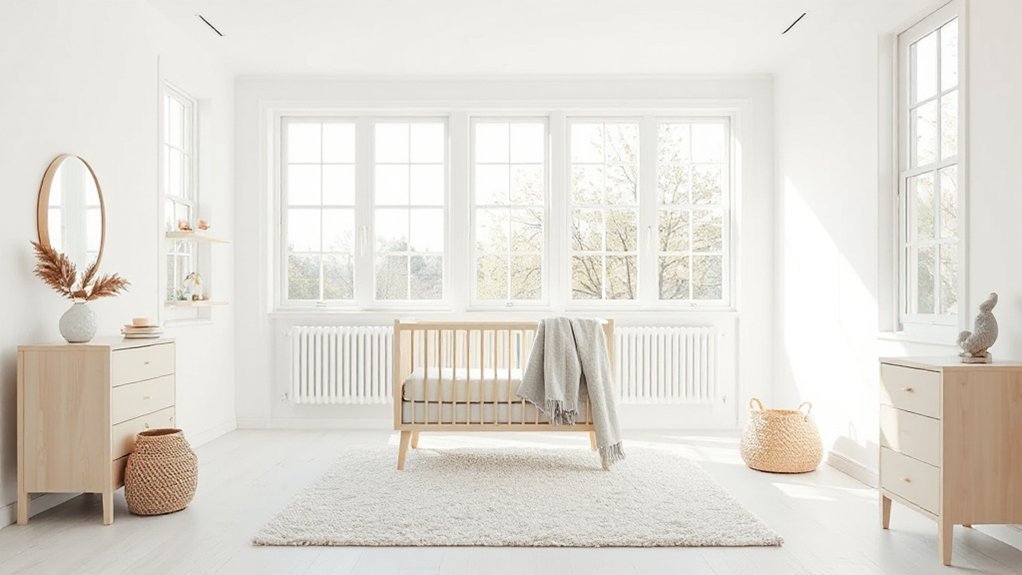
Position daylight strategically with ideal window placement to flood the nursery without glare. Use light-reflective decor and surfaces to amplify every beam.
While keeping concealment for naps simple and soft. Manage climate-controlled light to preserve a calm atmosphere, adjusting brightness across the day to support sleep and routine.
Optimal Window Placement
To maximize daylight in a nursery, place windows where they capture direct and diffuse light throughout the day, avoiding strong glare on cribs or play areas.
Ideal window placement hinges on orientation, surrounding shading, and proportion. Align primary windows to capture morning sun without harsh afternoon glare, and group secondary openings to distribute light evenly across the room.
Consider low sill heights for eye-level interaction with a seated child, while keeping blinds or sheer fabrics within easy reach for quick adjustment.
Minimize obstructions outside the frame to prevent blocked daylight and to sustain a balanced, airy feel. Use light, neutral frames to enhance natural light without introducing visual clutter.
Remember: window placement supports calm mood, safe sleep zones, and functional play spaces through thoughtful daylight management. window placement, natural light.
Light-Reflective Decor Ideas
If you want to maximize daylight in a nursery, choose light-reflective decor that amplifies natural illumination without creating glare. Opt for pale, matte finishes on walls and furniture to diffuse light softly, rather than reflect harsh rays.
Position mirrors thoughtfully to bounce daylight laterally without directly facing the crib.
Use white or soft cream textiles and minimal clutter to preserve brightness across the room. Incorporate glossy accents sparingly to catch stray light without overwhelming the calm energy.
Select nursery art and wall decals with light, airy tones that echo the surrounding environment, enhancing spacious perception.
Keep window treatments light and translucent to filter sunbeams while preserving color fidelity.
This approach supports a serene, luminous atmosphere conducive to calm, focused play.
Climate-Controlled Light Management
Controlling light and scale in a nursery means aligning daylight with climate-smart strategies that keep the room comfortable year-round. You’ll balance brightness with heat, using careful window placement and shading to sustain consistent illumination without overheating.
Use Eco friendly paints on walls to reflect diffuse light softly while preserving color accuracy.
Integrate Smart lighting systems that adjust to natural patterns, ensuring steady luminance during naps and play.
Choose dimmable fixtures and automated blinds that respond to sun angles, preserving ambience without waste.
Maintain scale by selecting fixtures and furniture that amplify daylight without clutter.
Regularly assess daylight quality and adjust coverings to optimize glare control and color perception.
- Eco friendly paints
- Smart lighting systems
- Dimmable fixtures
- Automated blinds
- Glare control strategies
Warm Wood Tones: Balancing Coziness and Simplicity
Warm wood tones anchor a nursery with natural warmth while preserving simplicity. You balance these hues with clean lines and minimal ornamentation to avoid visual overload. Choose light, pale oak or ash as your base, letting the grain provide texture without shouting color.
Combine with cozy textiles—soft throws, knit blankets, and plush rugs—to invite tactile comfort, while keeping patterns restrained to preserve calm. Introduce rustic charm through subtle, artisanal details: a wooden mobile, hand-woven baskets, or a simple frame in a muted finish.
Maintain contrast through matte whites or cool grays to keep the space airy. Prioritize durability and care with finishes that resist wear, ensuring the room remains serene as your child grows.
Essentials for Clutter-Free Storage and Organization
To keep toys organized and accessible, map out dedicated zones for play and storage so items live where they’re used. Explore hidden storage hacks that maximize space without clutter, like under-crib bins or wall-mounted organizers.
Start by testing a streamlined setup that supports quick cleanups and easy rotation of toys.
Streamline Toy Zones
When you streamline toy zones, you create calm, functional spaces that invite play rather than clutter. You’ll optimize flow with clearly defined zones, durable bins, and labeled shelves that children can navigate independently.
Pair low storage with a central play rug to anchor the Play zone, while keeping frequently used toys within arm’s reach. Establish rotation cues to reduce overwhelming choices and preserve focus.
Choose minimalist basics and integrate soft textures to maintain Scandi calm. Implement a simple cleaning routine to sustain order, and teach ownership so toys return to their places.
Consistency beats complexity, so these choices support longer, focused play sessions.
- Toy storage that’s accessible and labeled
- A dedicated Play zone with a soft rug
- Low, sturdy bins for easy reach
- Rotations to minimize overstimulation
- Clear, repeatable tidy routines
Hidden Storage Hacks
Hidden storage isn’t about adding more bins; it’s about revealing the space you already have. In a Scandi-inspired nursery, you’ll transform clutter into calm with discreet solutions.
Start with hidden compartments behind wardrobe panels or under bed drawers to house blankets and essentials, keeping surfaces uncluttered.
Opt for sleek storage baskets that tuck neatly into shelves, providing quick access without visual chaos.
Use labeled, uniform bins to create a cohesive look, so you know exactly where every item belongs.
Choose multi-purpose furniture, such as change tables with built-in drawers, to maximize utility.
Consider under‑seat storage in seating areas and clear documentation pockets on doors for important notes.
The result is a calm, cosy space that feels organized, intentional, and effortless.
Textile Textures That Soothe: Rugs, Curtains, and Blankets
Soft textures set a calm, cozy tone in a nursery, and the right rugs, curtains, and blankets create a tactile rhythm you can feel. You select textile textures that invite warmth while remaining sleek and safe, prioritizing fiber quality and durability. Cozy textiles elevate the ambiance without overpowering the space, balancing softness with structure.
- Layered wool rug for warmth and sound dampening
- Cotton or linen curtains to filter light gently
- Knitted or quilted blankets for tactile variety
- Low-pile, plush textures for safety and ease
- Neutral tones with subtle pattern accents
These choices reinforce a cohesive, Scandi-inspired aesthetic. You combine natural fibers, restrained palettes, and thoughtful placement to achieve textile textures that soothe, supporting a serene nursery atmosphere.
Safe, Stylish Furniture With Clean Lines
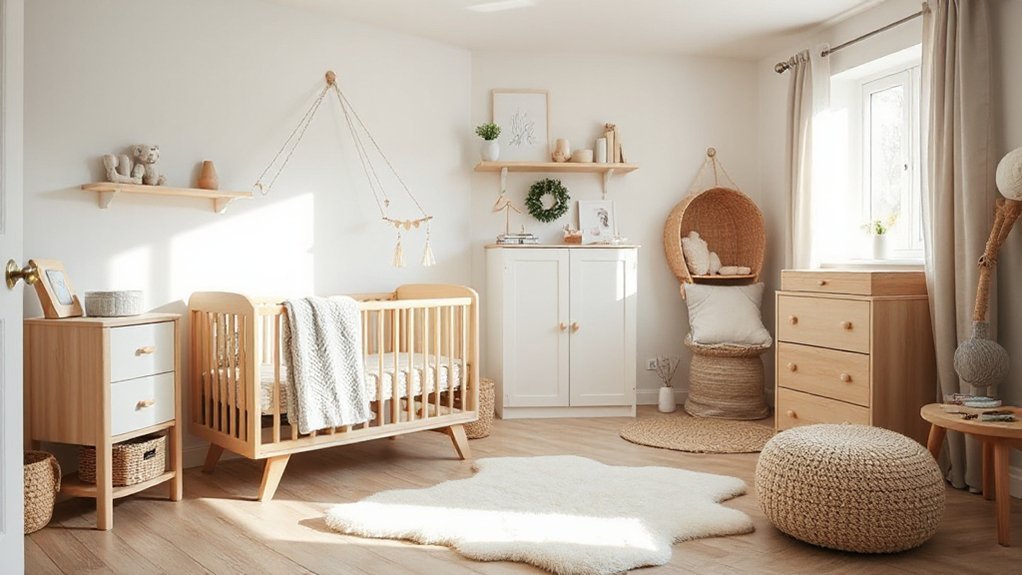
You’ll want furniture with clean lines that stays calm and uncluttered, enhancing the room without overwhelming it.
Prioritize safe materials—non-toxic finishes and sturdy construction—so pieces endure as your child grows.
Choose timeless, simple designs to keep the space feeling refined and easy to update over time.
Clean Lines Matter
Clean lines create a calm, organized nursery by prioritizing safety and ease of use. You’ll select furniture with simple silhouettes, minimal ornament, and sturdy construction to reduce visual clutter while supporting growth. Aim for pieces with rounded corners, slip-covered fabrics, and dual-height adjustments to grow with your child.
Pair these essentials with thoughtful storage that stays tidy and accessible. Maintain cohesion by sticking to neutral tones and restrained accents, allowing boho decor and vintage accents to appear as deliberate highlights rather than dominating the space. Keep surfaces clear and wipeable for quick cleanup, and make certain hardware is child-safe.
The result is a serene, functional room that supports daily routines without sacrificing style or safety.
- Streamlined crib and dresser with soft edges
- Low-profile changing station
- Hidden storage under beds or benches
- Simple, durable textiles in calm tones
- Subtle boho decor and vintage accents as focal points
Safe Materials First
Safe materials matter most when choosing furniture with clean lines. You prioritize low-VOC finishes, responsibly sourced timber, and formaldehyde-free composites to protect tiny lungs and future-proof your space.
Look for solid wood or engineered alternatives with durable, non-toxic coatings, and avoid laminates with uncertain binders. When you select pieces, guarantee joints are sturdy and edges are smooth for safe, long-lasting use.
You can achieve warmth without clutter by pairing simple silhouettes with careful detailing. Incorporate Vintage accents intentionally to nod to character without compromising safety.
Choose Artistic wall decor that’s lightweight or securely mounted, minimizing hazards while preserving a calm, Nordic feel.
Prioritize transparent certifications and reputable brands to maintain a pristine, hygienic environment.
Timeless, Simple Pieces
- Crib and dresser with timeless silhouettes
- Convertible options for longevity
- Subtle vintage accents
- Limited, durable textiles in playful patterns
- Clear, organized storage for serenity
Gentle Lighting That Supports Restful Routines
Gentle lighting guides little ones toward restful routines without startling wakefulness. In a Scandi‑style nursery, choose lighting that supports soothing progressions rather than harsh illumination. Favor dimmable lamps so you can lower brightness during evening feedings or calm-down moments, creating a gradual wind‑down.
Keep nightlight options soft and diffuse, guiding footsteps to the crib without focal glare or blue‑tinted screens. Position lights strategically near the changing station and rocking chair, avoiding direct glare in the baby’s line of sight.
Use warm, neutral color temperatures that resemble twilight, promoting melatonin production without overstimulation. Implement consistency: consistent light cues help establish predictable rhythms, aiding both you and your child.
Maintain clean, uncluttered lamp bases to preserve the calm, minimalist aesthetic.
Gentle Patterns and Tactile Accents for Baby’s Senses
Soft, varied textures and gentle patterns engage baby’s senses without overstimulation. You choose tactile contrasts, like ribbed or velvet, to invite touch and exploration without overstating visuals.
Combine simple motifs with quiet color—think gentle lines, organic shapes, and soft asterisks of pattern that repeat across textiles and wall pieces. Incorporate nursery art that complements the mood with subtle movement and calm imagery.
When layering cozy textiles, vary weight and finish to create depth while keeping serenity intact. Prioritize safe, durable materials that feel soothing to tiny hands and cheeks.
Your goal is a harmonious, tactile environment that supports self-soothing and curiosity.
- Neutral palette with soft contrasts
- Limited, repetitive motifs
- Varied fabric textures (knit, nubby, plush)
- Subtle wall art integration
- Consistent, quiet accents
Nursery Layout That Promotes Flow and Calm
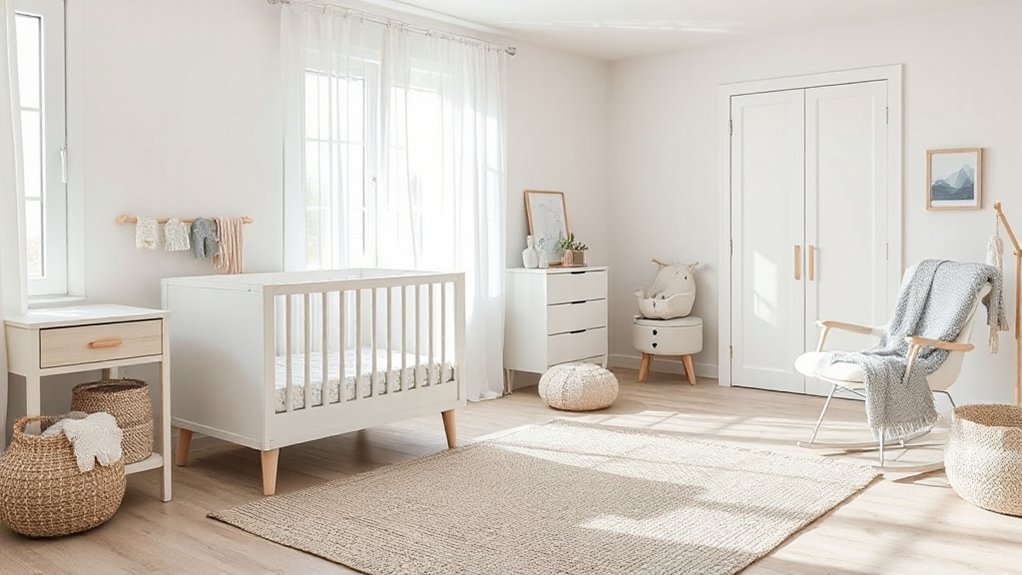
A calm nursery layout guides movement and attention with intention, placing key zones—sleep, diapering, feeding, and play—within easy reach while preserving open floor space.
You design flow by aligning furniture along walls and center pathways, preventing bottlenecks near the primary activities. Choose coordinating nursery furniture that anchors each zone without crowding.
A low, easily accessible changing station and compact dresser keep essentials within arm’s reach while preserving sightlines. Position a feeding chair or glider near the feeding area to minimize disruption.
Use storage solutions that blend with the palette: woven baskets, labeled bins, and slim organizers keep clutter out of sight yet reachable.
Facilitate transitions between areas smoothly, with gentle lighting cues and clear sightlines to promote calm, focused routines.
Sound Considerations: How to Reduce Noise and Promote Sleep
Sound considerations can make a big difference in a nursery. To promote sleep, you’ll integrate quiet zones, consistent white noise, and strategic materials.
Start with soundproofing techniques that minimize external interruptions while keeping airflow steady. Choose soft, dense textiles and solid doors to dampen impact noise. Consider floor cushions or rugs to absorb footsteps and household sounds.
Establish a routine of calm, low-volume soundscapes and avoid sudden loud voices near the crib. Maintain consistent nap times to reinforce sleep cues.
Keep the room free of squeaks and creaks by checking hinges and fixtures regularly.
- soundproofing techniques
- noise reducing decor
- dense textiles and carpets
- stable, soft white noise
- consistent sleep routines
Personal Touches Without Visual Clutter
You can keep personal touches intentional with a minimalist display that feels calm rather than cluttered. Focus on a few meaningful items and pair them with thoughtful toy storage to maintain order and accessibility.
This approach creates space for touch and warmth while preserving visual clarity.
Minimalist Display Rules
- Curate 3–5 focal pieces
- Align silhouettes for harmony
- Reserve surfaces for one decorative element per area
- Integrate textiles with intention
- Eliminate duplicates and excess
This approach preserves visual calm while still reflecting your personal touch.
Thoughtful Toy Storage
Choose Storage solutions that are scalable as your child grows, avoiding excess and visual noise. Opt for low, wide units for easy access and daily tidying, and mount open shelves for select keepsakes, art, and books to celebrate personality without crowding surfaces.
Implement a simple rotation principle—rotate toys to maintain calm without erasing play. Use uniform containers to create a cohesive look, and pair them with soft textiles to soften edges.
The result is an orderly, inviting space that preserves character while maintaining calm.
Sustainable Choices That Align With Scandi Principles
- Eco friendly paints that reduce VOCs and support a breathable, clean nursery
- Renewable textiles for upholstery and textiles with low impact fibers
- Reclaimed wood accents that add warmth without new resource strain
- Durable, simple designs that resist fast disposal and outlive trends
- Modular systems that adapt with growth and reconfigure spaces
You’ll notice that color remains calm and neutral, while texture comes from natural fibers rather than synthetics.
Choose certifications and transparent supply chains to guarantee integrity, and pair eco conscious finishes with timeless silhouettes for lasting Scandi calm.
Budget-Friendly Upgrades for a High-End Look
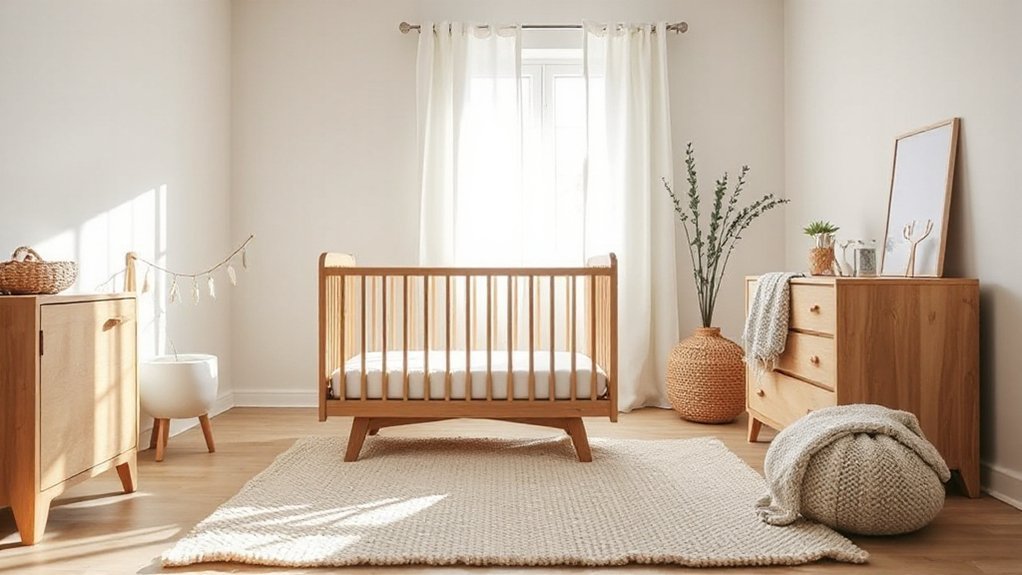
You can elevate a calm nursery on a budget by focusing on strategic, high-impact upgrades that read as premium without the price tag. Start with timeless foundations: quality basics in soft neutrals, low-moire textures, and solid furniture silhouettes.
Introduce warmth through a cohesive color palette—two contrast tones, a white base with muted accents—and keep surfaces uncluttered.
For a high-end feel, choose scalable accessories rather than full remakes. Nursery wall decor should be curated, artful, and framed; opt pieces that offer presence without overwhelming the room.
Elevate the crib area with coordinated crib bedding patterns that blend with the palette while maintaining visual calm.
Finish with purposeful lighting—dimmed, layered, and warm—to enhance texture and depth, ensuring the space remains serene and enduring.
Safety Essentials for a Newborn-Friendly Nursery
Safety in a newborn-friendly nursery starts with a solid crib and sleep setup that meets current guidelines, plus clear, simple protections around every surface. You shape a calm space by choosing a firm, flat mattress, fitted sheet, and crib with slats that meet height specs.
Prevent strangulation risks with no loose items in reach. Secure cords, blinds, and electrical outlets, and keep small parts out of the crib.
Maintain a smoke-free environment and monitor temperature for comfort. Nursery decor stays functional—no heavy or sharp accents near sleeping areas.
Baby safety relies on consistent checks and simple routines.
- Firm sleep surface with snugly fitted sheet
- Nothing loose in the crib
- Cord and cord-cleaning discipline
- Outlet guards and covered electronics
- Clear, clean, temperature-stable space
Quick Room-Refresh Ideas to Maintain Calm
Even a quick room refresh can restore calm by reinforcing a simple, evidence-based setup. To maintain serenity, focus on a single, cohesive palette and tactile textures that soothe.
Swap out clutter for purposeful decor, keeping surfaces clear and functional.
Introduce a soft, ambient light layer to replace harsh overheads, using dimmable lamps or LEDs to ease shifts from nap times to evenings.
Refresh the infant’s focal points with concise, high-contrast Nursery wall art and steady, eye-level visuals that promote focus without overstimulation.
Add decorative mobiles with gentle motion to introduce rhythm without distraction.
Reassess storage: tidy, within reach, labeled, and accessible for quick, confident organization.
Conclude with a brief, consistent routine that reinforces calm without compromising practicality.
Evolving the Space as Your Little One Grows
As your child grows, adapt the nursery to support independence and safe exploration while preserving the calm, cohesive feel you established early on. You’ll evolve the space with durable, adaptable pieces, rethinking storage and play zones as needs shift.
Prioritize function while maintaining Scandi simplicity: soft, neutral tones, clean lines, and purposeful textures guide the progression. Plan nursery wall art to remain meaningful, swapping motifs seasonally while keeping a cohesive palette.
Reassess the rocking chair placement to maintain accessibility for feeding and soothing during milestones. Introduce low shelving, step stools, and modular storage that encourage autonomy without clutter.
Update lighting to suit different routines, ensuring a tranquil atmosphere at bedtime.
Frequently Asked Questions
How Can I Incorporate Scandi Simplicity With Bold Accents?
Yes—mix minimalist color palettes with bold accents by choosing a crisp base and inserting textured accessories like chunky knit, sculptural pieces, or graphic rugs. You’ll balance simplicity with personality, using contrast, tactful repetition, and strategic pops of color.
What Startup Items Best Balance Cost and Calm?
You should start with budget‑friendly essentials, prioritizing ergonomic, eco friendly materials, and nursery wall decor with soothing tones. Pair affordable furniture with durable pieces, and choose multi‑use items to balance cost, calm, and practicality.
How to Choose Timeless Nursery Storage That Grows With Baby?
You should choose timeless nursery storage by prioritizing vintage furniture and neutral palettes, balancing durability and adaptability. Curiously, 70% of parents reuse furniture across siblings, so select pieces that grow with baby and simplify long-term organization.
Which Lighting Layering Creates Best Sleep-Friendly Ambiance?
Yes—layer ambient lighting with dimmable corners and a soft overhead that avoids glare; aim for a calm sleep environment, balanced with task lighting for feeding. You create consistency, reduce awakenings, and support steady, peaceful sleep.
How to Adapt a Scandi Nursery for Toddler Transition?
You’ll adapt a Scandi nursery for toddler changeover by rotating to low-risk furniture, securing cords, and creating a flexible sleep zone. Implement Baby proofing essentials and update Nursery wall decor to reflect growing curiosity and safety.
Conclusion
In your nursery, you’re the captain steering a quiet ship through morning light. The room, a patient lighthouse, keeps you grounded as the sea of trends ebbs and flows. You’ll trim excess decor like sails, letting natural textures and soft neutrals chart the course. When your little one grows, the hull remains sturdy—simple, safe, timeless. The voyage isn’t about perfection; it’s about a calm harbor you return to, again and again, with growing curiosity.
About the Author