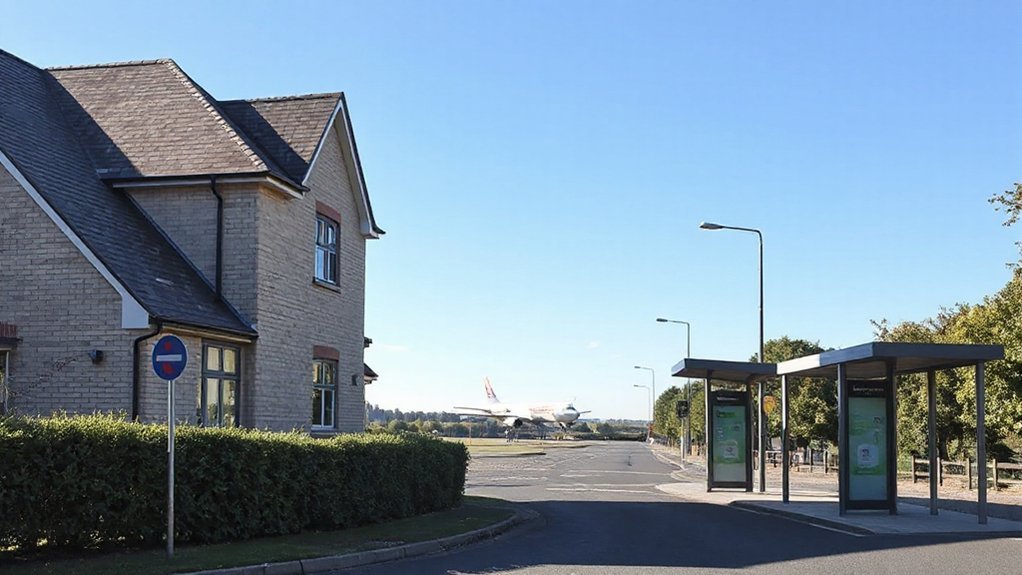
You might not realize how close proximity to Luton Airport can trim your daily commute by minutes, not miles. Nearby transport links mean faster door-to-door trips, reliable schedules, and easier access to rail, bus, and road networks. The choice of neighborhood near key hubs shapes long-term value, convenience, and lifestyle flexibility. Curious about which areas offer the best balance of accessibility and investment potential? Let’s map out how transport and regeneration affect your options.
Why Luton Airport Proximity Matters for Daily Life

Living near Luton Airport makes frequent travel and time management easier. You’ll notice shorter trip planning, fewer delays, and streamlined screening when you fly often. Proximity translates to reliable travel convenience: you can schedule early departures without long commutes, pack light, and avoid overnight stays for short trips.
Airport amenities near you boost daily routines, from quick coffee runs to last-minute errands between flights, keeping your day on track. Statistical contrasts show reduced transport time variability versus distant hubs, saving minutes that compound into months over a year.
For business or leisure, you gain predictable access to diverse routes and flexible timing. Your property value also benefits as demand rises for practical, well-situated locations.
How Transport Links Shape Your Commute and Flexibility
Transport links near your Luton property directly shape how you move and how flexible you can stay.
Your daily commute hinges on distance to stations, service frequency, and reliability. With rail and bus networks coordinated to airport timings, you gain shorter total travel times and fewer transfers, boosting commuting efficiency.
Fast links into central London, a regional hub, and local connections reduce planning friction and lateness risk, so you can bill in predictable windows.
Parking availability and park-and-ride options further enhance travel flexibility when plans shift.
Timetables reflecting peak and off-peak patterns let you trim costs and tailor your day.
In short, robust transport links translate into steadier schedules, smoother transfers, and greater control over when you work or arrive.
Neighborhoods by Airport Accessibility: Quick Picks
If you’re weighing options by airport accessibility, focus on areas that offer strong proximity to Luton Airport and reliable transit links.
You’ll see quick wins in neighborhoods with short on-site commutes and frequent bus or rail connections, backed by clear time-to-city-center data.
Use these Airport Proximity Gems and Transit Link Highlights to benchmark your shortlist and target routes that maximize reach with minimal disruption.
Airport Proximity Gems
Among Luton’s neighborhoods, those closest to the airport stand out for rapid, reliable access to flights and the M1. You’ll notice proximity translates to shorter commutes and stronger rental demand, with average door-to-door times under 15 minutes for peak departures.
Property values near the terminal tend to reflect premium access, yet yield remains solid due to consistent travel traffic. In this “Airport Proximity Gems” segment, you’ll find pockets with high-quality finishes and efficient layouts that maximize light and space.
Look for developments offering luxury amenities that justify premium pricing, such as concierge services, secure parking, and fitness facilities.
Historical landmarks in surrounding areas add cultural value, contributing to longer-term appreciation for buyers seeking lifestyle and investment balance.
Transit Link Highlights
Focus on areas with frequent services, short walking distances, and express routes that reduce commute minutes. Route planning here emphasizes reliability, with real-time updates and multi-modal options to avoid delays.
Data shows higher service density near major stations and bus interchanges, translating to higher short- and mid-term resale appeal. If you’re evaluating property, compare service frequencies, peak vs. off-peak travel, and access to park‑and‑ride facilities to optimize your investment.
Property Types That Maximize Convenience Near Luton
There are several property types near Luton that maximize convenience, especially for commuters and travelers: purpose-built flats near train stations, modern townhouses with easy access to major roads, and serviced apartments suited for short stays. You’ll find luxury apartments located within mixed-use districts that minimize transit time to the airport and city center.
For families, family friendly housing options emphasize larger layouts, safe common areas, and access to good schools, while still keeping travel times short. Data shows proximity to stations reduces average commute by up to 15 minutes, and serviced options boost flexibility for temporary assignments.
Essentially, these properties balance comfort, accessibility, and predictable maintenance, helping you optimize time and reduce daily friction.
Parking, Access, and Road Connectivity You Can Expect
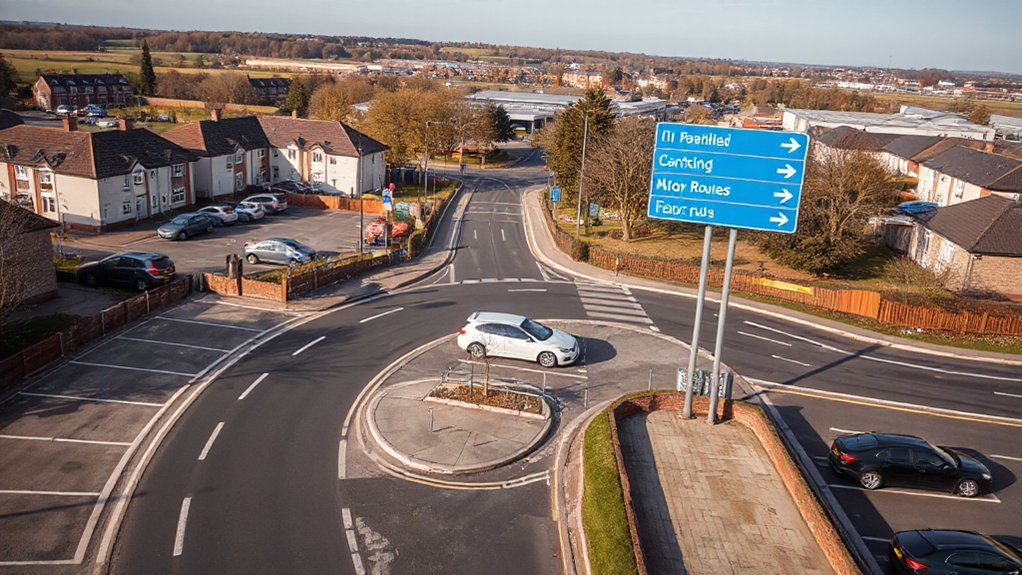
Parking, access, and road connectivity near Luton are strong selling points for commuting and travel. You’ll find ample Parking facilities at major parks, stations, and business hubs, with options ranging from short-stay to long-term to fit your schedule.
Road layouts emphasize direct routes to the airport and hub links, minimizing circles and backtracking. Expect well‑maintained major arterials and frequent resurfacing to keep journeys smooth.
Public roads beside commercial districts show clear signage and predictable lane patterns, aiding handovers between car, rail, and bus. Local councils publish regular Road maintenance schedules, so you can plan around brief disruptions.
Regeneration in Luton: Implications for Value and Choice
Regeneration shapes property value by upgrading amenities, transport hubs, and housing options, so you’ll see faster price growth where projects land first.
As access improves, buyer choice shifts toward developments with strong regeneration plans and longer-term sustainability.
In short, you’ll weigh value, access, and future growth when evaluating options in regenerated areas.
Regeneration Impact on Value
Regeneration around Luton’s core transport hubs can lift property values by boosting accessibility, amenities, and perceived investment reliability. You’ll see value shifting as urban renewal and targeted investments attract buyers who prioritise commutable homes and rental demand.
Data suggest faster growth in areas with mixed-use development, shorter travel times, and improved public spaces. Infrastructure upgrades, from station upgrades to street improvements, can shorten journey durations and cut perceived risk, supporting higher rents and sale prices.
You should compare pre- and post-project data, watching for concentration of new leases and price premium in nearby streets. However, value isn’t uniform; pockets near stations often outperform, while distant corridors may lag without complementary amenities.
Stay alert to project timelines, funding cycles, and local planning signals influencing buyer confidence.
Transport Access and Growth
Transport access shapes growth by tying Luton’s regeneration to real-world mobility gains. You’ll see how public transit upgrades connect neighborhoods to the airport, city center, and business parks, reducing commute times and widening labor markets.
Growth projections hinge on planned infrastructure development, including enhanced rail links, bus corridors, and bike routes. Data show faster connections correlate with higher housing demand near key nodes, while improved reliability supports mixed-use developments and employment clusters.
You gain a clearer view of value drivers: shorter journeys, predictable schedules, and greater access to jobs. Regulatory timelines, funding allocations, and project phasing influence delivery speed, but the overall trajectory remains positive.
Buyer Choice Shifts Ahead
Buyer choice is shifting as regeneration accelerates in Luton, shaped by improved accessibility, job growth, and clearer value signals for buyers. You’ll notice buyers prioritise properties near upgraded transport links, where shorter commutes boost real value and resale appeal.
Data shows more buyers seek homes within mixed-use districts that bundle lifestyle and convenience, rather than pure price play. Developers respond with flexible layouts and faster completion timelines, aligning with demand for adaptability.
Luxury amenities near regeneration zones become differentiators, not extras, while access to new parks, schools, and cultural venues reinforces value.
Historic corridor projects and nearby historical landmarks add a sense of provenance, attracting buyers who want a connected narrative. In this environment, informed choice hinges on proximity to ongoing upgrades and documented performance.
Quick Checklist: Choosing the Right Location by Transport Links
Choosing the right location based on transport links isn’t about chasing every new route—it’s about aligning travel time, access to major hubs, and commute predictability with your daily needs.
- Compare average door-to-station times for your top routes
- Check peak vs. off-peak travel time reliability
- Prioritize proximity to key hubs (airports, rail, bus interchange)
- Assess local infrastructure: roads, parking, and cycle routes
- Consider community amenities and local schools for long-term value
Use data to weigh options, not impressions. If a commute saves minutes but adds days of fatigue, revisit the choice.
Evaluate how transit quality impacts shopping, healthcare, and leisure. Strong transport links should support, not complicate, routine life.
Frequently Asked Questions
How Do Air Quality Levels Vary Near Luton Airport?
Air quality near Luton Airport fluctuates with flight activity and weather, but you’ll notice higher air pollution on busy days and lower levels when winds disperse pollution. Green spaces help, reducing exposure, though you should monitor local data.
What Are Typical Noise Levels During Peak Travel Times?
Peak travel times bring higher noise levels, typically louder during daytime and evening rushes, and you’ll notice reductions with efficient noise mitigation and soundproofing measures. You’ll compare data, plan mitigations, and expect calmer environments despite activity.
Which Council Zones Offer Tax or Rate Incentives?
Certain council zones offer tax incentives; check current council zoning policies for eligibility details. You’ll often find targeted relief in areas designated for redevelopment, regeneration, or business investment, with specific rates reductions or exemptions aligned to investment tiers.
Are There Hidden Parking Restrictions Near Major Routes?
Yes, there can be hidden restrictions near major routes. You should watch for parking enforcement signage and staggered rules, as hidden restrictions may apply even where spaces seem unrestricted, with fines if you ignore posted limits and hours.
How Does Future Airport Expansion Affect Property Values?
Intriguing statistic: properties near expanding airports often rise 5–15% within five years. You’ll see this when you assess airline impact and plan for residential development; future expansion tends to push values upward, while guiding targeted investments.
Conclusion
Near Luton, your daily routine slots into place with the airport just minutes away and trains, buses, and cycle routes weaving you through town. A key stat: properties within a 15-minute commute to an airport typically see higher demand and faster price growth than regional averages. If you value time, reliability, and future growth, prioritise proximity to transport hubs, parking access, and seamless road links to keep your options open today and tomorrow.
About the Author