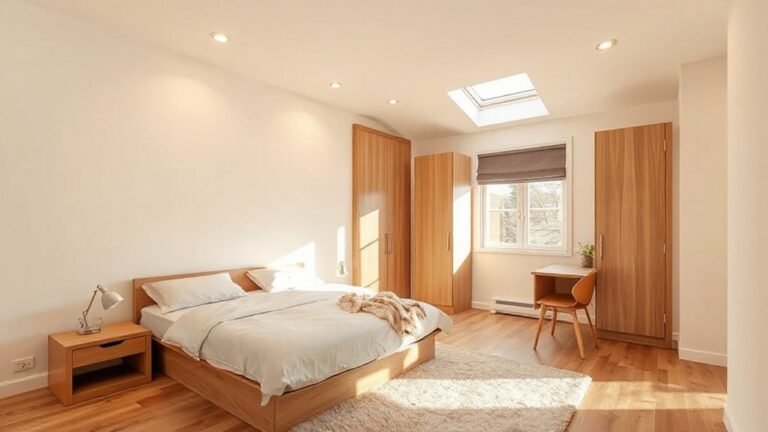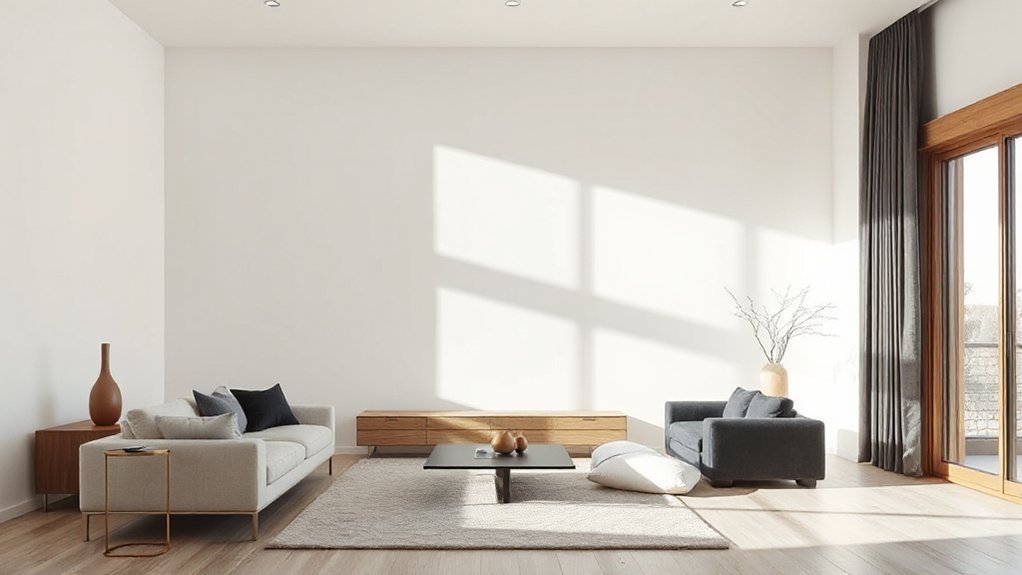
Minimalism in your space means focusing on purpose over excess. You’ll choose a calm palette, lean furniture, and natural light to guide every decision. Prioritize multifunctional pieces and deliberate placement that keep flow intact. As you declutter, you’ll notice what truly matters—and what belongs elsewhere. A single well-placed object or texture can shift the room’s cadence. Start with a small, intentional update, and you’ll see how restraint creates space for what matters most.
Start Here: What Minimalism Brings to Your Living Space
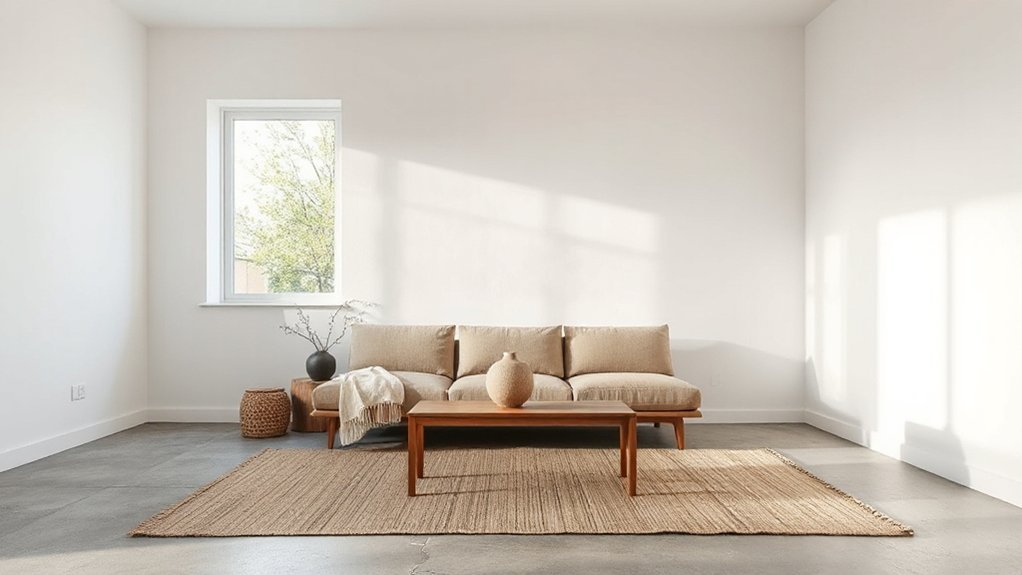
Minimalism clears the chaos, turning your space into a calm, functional backdrop. You gain clarity when you strip excess and choose only what serves daily life. Minimalism prime: less means more focus on what matters.
You’ll notice rooms feel larger, brighter, and more navigable, with fewer distractions pulling your attention away from daily tasks. Decorative accents appear intentional, not random; each piece earns its place.
You avoid clutter by design, so you can respond to moments with purpose rather than reaction. Personal expressions still fit, but in restrained forms—textures, color, and shape that echo your life without shouting.
Your living space becomes a stage for what you value, not a ledger of possessions. Embrace restraint, experience ease, and invite calm into every corner.
Define Your Minimalist Goals: Function, Calm, and Joy
Define clear goals to guide every choice, from layout to materials.
Seek functional simplicity that keeps what you love usable, organized, and effortless.
Prioritize calm and joy by shaping spaces that feel uncluttered, purposeful, and uplifting.
Define Clear Goals
To define your minimalist goals, start with three core aims: function, calm, and joy. You’ll shape spaces that support daily tasks, reduce friction, and elevate mood.
Define function by prioritizing essentials: furniture that serves a purpose, layouts that flow, and storage that disappears into the background.
For calm, limit visual noise, choose soft hues, and guarantee natural light feels uninterrupted.
Joy comes from elements that feel personal without clutter—curate a few meaningful objects, balanced by negative space. Integrate decorative accents selectively, so they reinforce purpose rather than distract.
Use color psychology to guide decisions: muted tones for repose, brighter highlights for energy.
Document your criteria, review annually, and remove anything that no longer aligns with your aims.
Embrace Functional Simplicity
You’ve set clear goals—now design around function, calm, and joy by embracing functional simplicity. You align every choice with purpose, ensuring each item serves a clear need.
Prioritize dual-purpose pieces that reduce clutter while boosting utility, so space feels uncluttered and ready for daily tasks. Seek functional aesthetics: clean lines, tangible usefulness, and restrained ornament.
Choose materials that endure, not just look good, and curate only what supports living well. Build routines that keep surfaces clear, storage accessible, and surfaces free of excess.
Practice practical elegance—where form follows function, yet each element feels refined and intentional. Your home mirrors deliberate restraint, delivering ease, focus, and a sense of quiet efficiency without sacrificing warmth.
The result is a space that works, breathes, and inspires.
Cultivate Calm and Joy
Cultivate calm and joy by clarifying your minimalist goals: prioritize function, serenity, and delight. You define what your space should do, how it feels, and what adds meaning.
Start by listing essential tasks, daily rituals, and moments you want to nurture. Seek meditative ambiance through restraint—choose quiet colors, simple textures, and purposeful lighting that stays on when you need presence, not clutter.
Let intentional living guide every choice: storage that vanishes from sight, furniture with clear use, and decor that signals calm rather than noise. When decisions align with function, serenity, and delight, your home breathes.
Reassess periodically, removing what no longer serves, keeping only what supports your true needs and joyful, focused living.
Build a Neutral Palette That Stays Fresh
A neutral palette feels timeless when you layer a few steady anchors and swap out accents as trends shift. You start with this backbone: walls in soft white or warm gray, a floor of natural timber, and a durable, quiet textile base.
Then introduce Color accents sparingly, reserving the brightest touches for restrained moments. Let artwork and furniture form cohesive loops of tone, texture, and light, not competing color.
Artistic touches—sculptural vases, a handmade throw, a woven rug—should deepen the palette, not shout. Maintain consistent finishes: matte metals, natural fibers, and minimal grain.
Balance is your discipline: keep contrasts gentle, corners uncluttered, and lines clean. Refresh with small, intentional swaps to keep the room alive without losing calm.
Choose Multiuse Furniture for Small or Busy Rooms
Choose multiuse essentials that fit your space, so every piece earns its keep.
Opt for space-smart furniture that folds, stows, or converts to tidy, organized surfaces you can rely on.
This keeps your room calm and clutter-free while still supporting busy routines.
Multiuse Essentials Fit
For small or busy rooms, pick multiuse furniture that clears clutter and adapts to changing needs. You’ll streamline surfaces while gaining flexibility, so every piece earns its keep.
Choose items that serve more than one function, like a coffee table with hidden storage or a sofa that doubles as guest bedding. Prioritize clean lines, neutral tones, and simple joins that don’t interrupt sightlines.
When possible, select products with integrated power, USB ports, or modular components that reconfigure without tools. Commit to a core set of essentials, avoiding unnecessary ornament.
Space-Smart Furniture Choices
Small spaces demand furniture that does double duty. When you choose pieces, prioritize function over form, then refine with clean lines and hidden storage.
Opt coffee tables and ottomans that open, serving as extra closets or desks, so surfaces stay uncluttered. A sofa bed or wall-mounted sofa frees floor space by day and accommodates guests without adding bulk.
Nesting tables stack away, while modular seating rearranges to suit gatherings or solo moments. Consider integrated lighting in shelves or benches to reduce clutter and create color contrasts through warm wood tones or matte black hardware.
Use decorative accents sparingly to punctuate the room without crowding it. Every item should earn its place, contributing calm, usable space rather than visual noise.
Tidy, Organized Surfaces
When space is tight or busyness is high, multiuse furniture keeps surfaces tidy and functional. You choose pieces that conceal everyday items, transforming clutter into clean lines. A folding desk doubles as a console, while a coffee table with hidden compartments stores remotes and cables.
Keep decorative accents minimal—one or two meaningful pieces rather than a shelf full of trinkets. Prioritize surfaces that feel breathable, not busy, so you can wipe away dust and see the room’s true form.
Each item should contribute to purpose and mood; avoid excess. Integrate artistic expressions through restrained, cohesive elements—monochrome tones, precise silhouettes, and subtle textures.
The result is a calm center, where surfaces stay organized and ready for your next task.
Decluttering: A Practical, Non-Judgmental System
Decluttering doesn’t have to feel punitive. You establish a practical, non-judgmental system by separating items into keep, donate, and discard.
Begin with a 10-minute sweep of a single surface or drawer, then commit to a weekly 15-minute check-in. Ask simple questions: Do I use this? Do I love it? Does it serve a purpose? If the answer is no, let it go.
Prioritize function over fashion, but allow personal expression through intentional choices, not crowded shelves. Group kept items by category, not by cluttered display.
Use storage bins and labeled boxes to sustain order. When you curate, you retain meaning and minimize space.
Decorative accents remain deliberate, not decorative overload, preserving calm while acknowledging you.
Layout for Light and Flow: Space Planning Essentials
Think about Light-Flow Zoning to define spaces without walls, guiding movement and mood with loose boundaries. You’ll map routes that favor easy Circulation With Simplicity, keeping sightlines clear and doors unobtrusive.
Start with a simple layout that balances daylight, views, and task areas for a calm, cohesive flow.
Light-Flow Zoning
How should light move through a space to feel effortless and inviting? Think in zones, not lines. Separate tasks by intent: work, rest, and social moments, but connect them with a single light language.
Use natural textures to diffuse and reflect: linen, stone, wood soften glare and create depth without clutter. Position ambient lighting to unify zones, then add task lights only where precision matters.
Keep windows unobstructed to welcome daylight, but control its intensity with sheer screens or smart dimmers. Maintain a quiet rhythm: a few focused fixtures, a central glow, and hidden sources that vanish when not needed.
This zoning reduces shadows, guides behavior, and preserves calm. You’ll gain clarity, flow, and a space that feels spacious yet intimate.
Circulation With Simplicity
Where should movement feel inevitable yet unhurried, guiding you through a space with ease? You design routes that honor function before flourish, shaping circulation with intention.
Begin by mapping airflow patterns across rooms, ensuring doors and thresholds support sightlines and quiet passages. Keep traffic away from primary focal points, so furniture doesn’t interrupt flow.
Define clear circulation zones that slot into a minimalist rhythm—straight lines, gentle bends, and consistent pacing. Minimize furniture that blocks paths, using low profiles and open layouts to preserve air and light.
Align storage and utility spaces with passing routes, avoiding detours and dead ends. Trust restraint: fewer obstacles, more comfort.
The result is a calm, breathable home where movement feels natural and purposeful.
Storage That Breathes: Concealed Solutions and Accessibility
Hidden storage should feel invisible yet easy to reach, so choose concealed solutions that don’t clutter the room. You seek calm surfaces and a clear flow, so integrate hidden compartments into furniture and walls.
Prioritize accessible storage that remains discreet: under-bed drawers, lift-top coffee tables, and wall niches with doors that close softly. Build in shelving with adjustable heights to adapt as needs grow, keeping exposed clutter at bay.
Choose finishes that blend, not compete, with your palette. Use labeling only where it serves purpose, not decoration.
Limit micro-redundancies by pairing function with form: pull-out bins for daily items, paired with closed cabinets for infrequently used objects. This approach preserves airiness while ensuring practical, organized efficiency.
Curating Belongings: What to Keep, What to Let Go
Curating belongings is a deliberate act: keep what serves daily life, let go of what doesn’t. You assess every item through function, meaning, and mood it creates.
Begin with decorative accessories: remove duplicates, limit color and texture, and choose pieces that unify rooms rather than clutter them.
Then evaluate sentimental belongings with honesty. If an object recalls a memory without contributing daily joy or utility, let it go or digitalize its story.
Preserve heirlooms that spark gratitude or inspire action, not nostalgia alone.
Create designated spots for the kept items and rotate seasonal pieces to maintain freshness.
Embrace restraint: fewer objects, clearer sightlines, calmer air. Your space grows quieter when every remaining item has a purpose, story, and resonance.
Budgeting for Quality Over Quantity
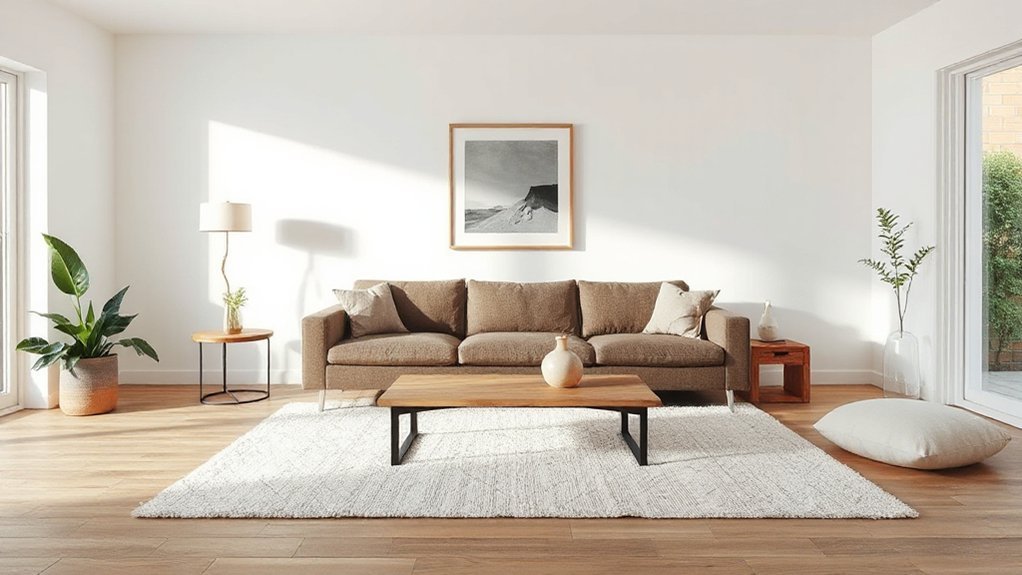
Start with a mindset shift: invest in a few pieces you’ll use daily rather than many items you’ll rarely touch. When you budget, prioritize quality over quantity to reduce turnover and clutter.
Practice deliberate budgeting by mapping daily needs to durable options that age well. Focus on Budget planning that allocates funds toward essentials first—sofas, beds, tables—then fill gaps with trusted, lasting finishes.
In material selection, choose timeless textures and reliable construction rather than trend-driven looks. Seek reputable brands, warranties, and repairability; quality materials save money over time.
Limit impulsive purchases; pause to compare again after 24 hours. Measure usage, comfort, and fit within your space, ensuring every item earns its place.
With intention, your home becomes cohesive, functional, and enduring.
Quick-Start Guide: 10 Minimalist Tweaks You Can Do This Weekend
Here are 10 minimalist tweaks you can tackle this weekend to sharpen calm and function in your space. Start by decluttering surfaces; keep only essentials and group others in labeled, easy-to-access bins.
Rearrange seating for clear sightlines and comfortable ergonomics—prioritize sofa height, chair depth, and desk posture to support you.
Declutter cords; use a single charging station and wireless options where possible.
Apply color psychology with a restrained palette: add a single accent hue that promotes focus or rest.
Maximize natural light: trim curtains, clean windows, and position mirrors to reflect daylight.
Introduce tactile texture through a single material—wool, linen, or wood—sparingly.
Replace disposable items with durable basics.
Label storage, then commit to weekly 10-minute resets.
Frequently Asked Questions
How Do I Start With a Minimalist Mindset at Home?
You start by embracing a minimalist mindset at home, focusing on essential items. Practice decor organization daily and maintain style consistency across rooms, choosing a cohesive palette. Let fewer possessions guide clearer, calmer routines and intentional living.
Can Minimalism Work With a Small Budget?
Yes, minimalism can work on a small budget. You’ll prioritize essentials, shop Budget friendly furniture, reuse space, and DIY decor to reduce costs while maintaining clean lines, intent, and a cohesive, calm atmosphere.
What’s the Quickest Way to Declutter?
Declutter fast: you grab, you sort, you discard. Irony aside, storage solutions can hide clutter you’d rather forget. Use simple decluttering techniques: tackle one area, set limits, and decide once—then live with less.
How to Maintain a Minimalist Look Long-Term?
You maintain a minimalist look long-term by choosing sustainable materials and multifunctional furniture, then decluttering regularly and organizing efficiently, so you simplify daily routines, reduce waste, and keep spaces calm, cohesive, and easy to adapt to changing needs.
Are Color Accents Compatible With Minimalism?
Yes, color accents can work in minimalism. Remember: less is more. You’ll maintain color harmony while using thoughtful accent accessories to add personality without clutter, ensuring your space stays calm, cohesive, and deliberately styled.
Conclusion
You discover that simplicity isn’t a rule, but a rhythm you learn to hear. As you clear a shelf, a memory surfaces—coincidence? a reminder that less often reveals more. Your space breathes: daylight, lines, and quiet. With function guiding mood and joy guiding choice, clutter becomes a memory, not a weight. When you finish the weekend tweaks, you find you’ve created room for what matters: calm, flow, and the small, deliberate pleasures of living simply.
About the Author