In Manchester, you’ll boost rental demand by prioritizing durable, high-quality interiors, energy-efficient upgrades, and smart features that tenants actually use. Modernized kitchens and bathrooms, low-maintenance exteriors, and transparent digital communication drive retention and justify higher rents. With careful budgeting and staged improvements, you’ll see steady demand from renters seeking convenience and sustainability. Ready to map the most impactful quick wins versus long-term investments, and align them with your property’s profile?
What Manchester Renters Value That Drives Rent and Retention
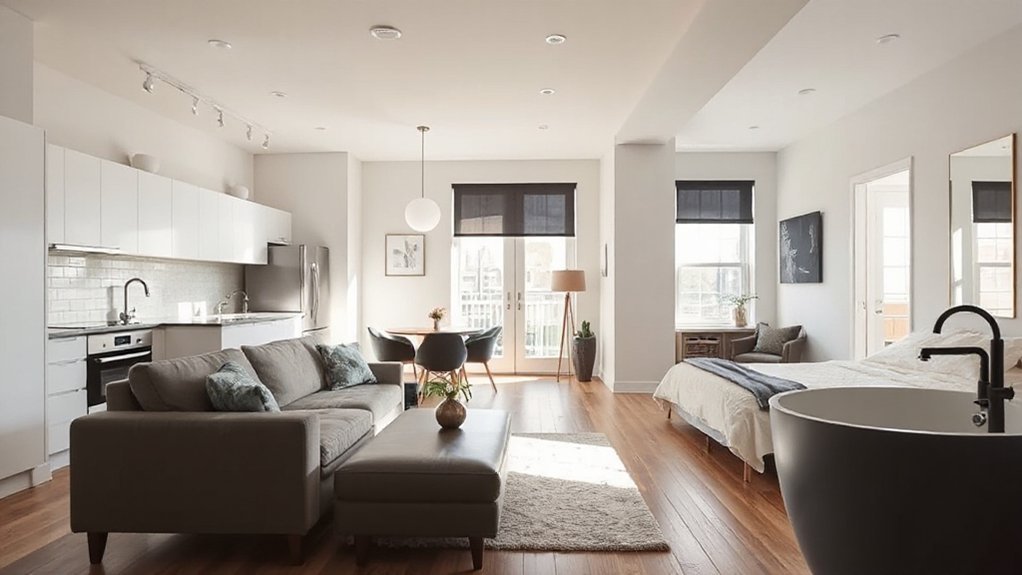
Renters in Manchester prioritize modern amenities, competitive pricing, and reliable upkeep, which together drive higher rents and stronger retention. You’ll see value where tenant engagement boosts satisfaction and reduces turnover, signaling to landlords that responsive management correlates with longer tenancies.
In-depth data shows tenants reward properties offering digital maintenance requests, transparent pricing, and prompt service levels, translating into steadier cash flow.
Neighborhood amenities matter as much as unit features; access to parks, cafes, and transit enhances perceived value and justifies premium rents.
When you track engagement metrics—request response times, renewal rates, and resident surveys—you’ll identify gaps quickly and target improvements with measurable ROI.
Focus on reliable upkeep, clear communication, and curated neighborhood perks to maximize demand and retention.
Quick Wins: Low-Maintenance Exteriors That Catch the Eye
You’ll see that low-maintenance exteriors, like durable finishes and simple curb-appeal upgrades, deliver faster tenant appeal with lower ongoing costs.
Data shows quick wins—such as weather-resistant siding and minimal upkeep landscaping—boost perceived value and renewal rates.
Let’s discuss which combinations maximize eye-catching impact while reducing maintenance, and how to forecast ROI for Manchester properties.
Low-Moot Maintenance Exterior
Even with a tight budget, a low-maintenance exterior can deliver quick demand wins in Manchester. You’ll prioritize durable, low-effort materials that resist weather and wear, reducing long-term upkeep while preserving curb appeal.
Data shows tenants value predictable costs, so choose finishes with extended lifespans and scalable replacement cycles.
Focus areas include exterior landscaping that requires minimal watering and pruning, such as native plantings and mulch that suppress weeds. Pair this with a robust roofing maintenance plan—inspect annually, clean gutters, and replace damaged shingles promptly—to prevent water intrusion and costly repairs.
Strike a balance between clean lines and modern texture to attract demand without high maintenance. This approach yields consistent first impressions while preserving asset value and operational efficiency.
Curb Appeal Quick Wins
Curb appeal is the quickest way to attract tenants without inflating costs. In Manchester, data shows that eye-catching exteriors reduce vacancy time and boost perceived value by up to 15%. Focus on low-maintenance wins that scale across portfolios: prune, mulch, and evergreen accents for year-round polish.
Prioritize cohesive entryways, crisp pathways, and durable landscaping edges that require minimal upkeep. Garden landscaping should emphasize color bursts from perennials rather than annuals, enabling predictable maintenance windows and cost control.
Incorporate exterior lighting to extend curb visibility, deter mischief, and highlight architectural lines without overpowering the facade. Use warm temp LEDs and strategic placement to enhance safety and curb presence after dark.
Measure impact via vacancy rates, time-to-rent, and tenant inquiries.
Durable Eye-Catching Finishes
Durable eye-catching finishes mix long-lasting materials with visual impact, delivering standout appeal without ongoing upkeep. You’ll prioritize surfaces that resist weathering, UV fade, and pollution—key in Manchester’s climate.
Use data-backed material choices like fiber cement, porcelain tile, and high-performance stucco to reduce maintenance cycles by up to 40% compared with traditional coatings.
Pair these with design accents that enhance curb presence and tenant perception of value. Eco-friendly materials reduce embodied carbon and appeal to sustainability-minded renters, while artistic wall finishes create unique character without frequent refurbishment.
Opt for sealed, multi-coat systems for longevity and easy cleaning.
Track maintenance costs and tenant feedback to validate ROI, adjusting colorways and textures to sustain long-term demand.
Design-Forward Kitchens That Attract and Endure
You’ll see that sleek cabinetry trends, paired with durable surface materials, create a modern, long-lasting kitchen footprint tenants value.
Smart storage solutions maximize functionality without sacrificing style, improving turnover rates and renter satisfaction.
This data-driven approach sets the baseline for cost-effective, design-forward kitchens that endure in Manchester rentals.
Sleek Cabinetry Trends
Sleek cabinetry is shaping rental appeal by combining minimal profiles with high-durability finishes, delivering a clean, modern look that stands up to heavy use and evolving design trends. You’ll see demand lift when you pair flat-panel doors with antimicrobial coatings and integrated hardware, reducing maintenance while maximizing perceived value.
In Manchester, renters favor systems that simplify cleaning and scheduling, so option sets that offer modular integration with >10-year life expectancy outperform dated setups. Data indicates higher occupancy rates and quicker renewals when kitchens feature soft-close drawers, concealed hinges, and uniform color palettes aligned to modern minimalism.
Budget-smart upgrades include solid-surface countertops and handle-free fronts, which sustain appeal across renovations. Track performance by unit, correlate turnover with cabinet cadence, and widen appeal through consistent, durable, visually lean designs. Sleek cabinetry elevates rental resilience.
Durable Surface Materials
Across Manchester rentals, durable surface materials blend long lifespan with design-forward appeal, reinforcing value without compromising style. You’ll see high durability options like quartz composites, porcelain slabs, and dense laminates outperform typical surfaces in heavy-use kitchens. These materials resist scratches, heat, and moisture, reducing maintenance costs and tenant turnover.
Emphasize consistency in color and texture to support modern, cohesive interiors that photograph well for listings. Data shows longer replacement cycles translate to lower capital expenditures over five years, boosting yield.
Favor eco-friendly materials that meet durability standards and maintain resale value. Texture matters: matte, brushed, or honed finishes hide wear and create perceived depth.
Avoid fragile surfaces in high-traffic zones; prioritize non-porous, easy-clean options that sustain appearance between tenants.
Smart Storage Solutions
Smart storage solutions in design-forward kitchens directly boost rental appeal while extending asset life. You’ll measure impact through space efficiency, turnover speed, and tenant satisfaction, then compare pre- and post-renovation metrics.
Innovative closet systems maximize usable depth and reduce clutter, supporting longer lease terms and fewer unit complaints. Modular shelving offers configurable zones for cookware, small appliances, and pantry items, enabling tenants to personalize without compromising durability.
In Manchester, builders report higher perceived value when storage integrates with appliance layouts and workflow, not as an afterthought.
Use data-driven tests: track vacancy days, maintenance calls related to clutter, and renter feedback scores.
Prioritize materials and finishes that resist wear, moisture, and scuffs, ensuring long-term appeal and cost effectiveness.
Durable Bathrooms: Comfort, Longevity, and Low Upkeep
Durable bathrooms reduce maintenance costs and downtime, delivering long-term value for rental properties in Manchester. You’ll maximize appeal by selecting robust, high-quality components designed for steady performance and minimal service calls.
Prioritize corrosion-resistant faucets, thermostatic valves, and solid-surface surfaces that resist scratches and staining, lowering replacement frequency. Compare lifecycle cost data to balance upfront investment with long-term savings, aiming for a favorable payback period.
Integrate luxury fixtures to elevate perceived value without sacrificing durability, ensuring finishes withstand heavy use in rental cycles. Eco-friendly materials should be used where practical, supporting cleaner maintenance routines and tenant satisfaction.
Standardize installations across units to streamline repairs and inventory. This approach aligns with data-driven demand trends and property-level profitability. Continuous QA reduces downtime and improves tenancy stability.
Energy-Efficient Upgrades That Cut Bills and Boost Appeal
Energy-efficient upgrades deliver immediate bill savings and higher occupancy appeal in Manchester rentals. You’ll see measurable impacts from targeting cost per square foot, with renewable energy options and tight insulation upgrades driving lower energy intensity.
Install high-performance windows and doors to curb heat loss during Manchester’s cooler months, reducing demand on heating systems and promoting longer lease terms. Add controlled ventilation and heat recovery where possible to sustain indoor air quality without spiking bills.
Prioritize insulation upgrades in roofs, walls, and floors to close thermal gaps and minimize seasonal energy swings. Pair with smart thermostats and efficient boilers or heat pumps to optimize usage patterns.
Data indicates properties with upgraded envelopes and renewable inputs command higher rents and faster occupancy, sustaining competitive advantage.
Smart Home Features Renters Actually Use in Manchester
One clear takeaway is that renters in Manchester respond to a core set of features that streamline daily living and cut friction, not just novelty gadgets. In practice, you’ll see strong demand for voice control that simplifies routines, like hands-free lighting, climate tweaks, and quick task execution.
Smart security remains a priority, with remote monitoring, door sensors, and motion alerts driving perceived safety without complicating leases. Residents favor systems that integrate with existing devices and require minimal setup, lowering barriers to adoption.
Data from local property managers shows higher retention where these controls are standardized across units. Emphasis should be on reliable connectivity, straightforward app experiences, and clear usage guidance.
Prioritize scalable, privacy-conscious implementations to maximize appeal while maintaining compliance and cost efficiency.
Layouts That Maximize Space for Flexible Living
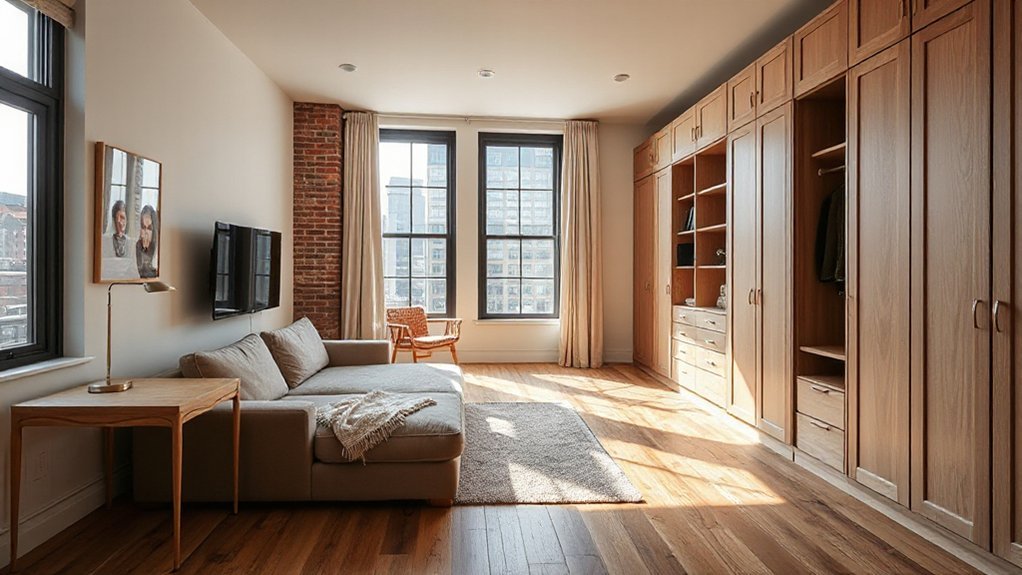
To maximize flexible living, prioritize layouts that optimize footprint and adaptability, revealing how spaces function in daily routines. You’ll see open floor plans empower fluid activity, letting living, dining, and work zones share sightlines without clutter.
In smaller Manchester units, define zones with subtle contrasts—slab flooring, area rugs, and furniture placement—so every activity has a dedicated feel without walls.
Choose versatile furniture that folds, nests, or hides, transforming a studio into a multi-use hub in minutes.
Favor walls with built-in storage and adjacent hidden surfaces to maintain clear paths and reduce visual noise.
Emphasize adaptable entries, sliding partitions, and pocket doors to reconfigure height, width, and function as needs shift.
Data supports shorter sightlines and convertible layouts that attract mobility-minded renters.
Budget, Timeline, and ROI: Planning Your Manchester Renovation
A clear budget, realistic timeline, and measurable ROI are essential to any Manchester renovation plan. You’ll align costs with projected rental yields by building a line-item forecast that includes material, labor, and contingency. Track property taxes and non-discretionary charges to avoid surprises in cash flow.
For timeline, set milestones tied to permit approvals, supplier lead times, and contractor availability, then back-schedule to start dates that preserve tenancy while minimizing vacancy.
ROI hinges on objective benchmarks: incremental rent, reduced vacancy, and cost-savings from energy upgrades. Consider renovation permits as gating factors; pre-authorize inspections and permit fees to prevent delays.
Use data from comparable Manchester properties to calibrate returns, and maintain a dynamic budget that adjusts with market signals and inflation.
Regularly review actuals against targets to stay on track.
Frequently Asked Questions
How Long Does a Typical Manchester Rental Renovation Take?
A typical Manchester rental renovation takes 4–8 weeks, depending on scope. You’ll boost interior redesign appeal and energy efficiency, tracking progress with milestones, cost per square foot, and compliance checks to minimize delays and maximize occupancy quicker.
Which Renovations Maximize ROI in Manchester Markets?
Open ROI by prioritizing Luxury finishes and Smart home upgrades, you maximize appeal while minimizing vacancy. Data shows premium finishes yield higher rents, smart systems slash operating costs, and both accelerate absorption, guiding you toward stable, scalable Manchester returns.
Are Permits Required for Common Rental Upgrades in Manchester?
Yes, permit requirements apply for many common rental upgrades in Manchester, and you’ll need to align with renovation regulations. You should consult local planning offices, track permit timelines, and document compliance to avoid fines and delays.
What Costs Should I Expect for Bathroom Remodels?
Lightning-fast estimate: expect $5,000–$15,000 for a bathroom remodel, depending on fixtures and finishes. You’ll invest in bathroom fixtures and Tile selection, with labor as the bulk. You’ll stay data-driven, track costs, and adjust accordingly.
How Do Renovations Impact Rental Yield and Occupancy?
Renovations boost occupancy and yield by attracting quality tenants and reducing vacancies. In property management terms, higher tenant satisfaction drives longer tenancies, stabilizing cash flow. Data shows stronger demand correlates with premium rents and lower turnover costs.
Conclusion
In Manchester’s rental market, think of your property as a well-taired ship at harbor. You swap worn planks for durable decks, install gusts of energy efficiency as quiet sails, and add smart gauges to steer tenant needs. The short-term upgrades are lighthouses; the long-term shares are a steady crew. When design meets data—kitchens, baths, exteriors, and smart tech—the hull stays sound, vacancy drops, and retention rises. Sailers stay because value, comfort, and predictability keep them aboard.
About the Author