This tiny space will feel like a mansion you barely recognize, if you approach it with the right mindset. You’ll use simple, affordable tweaks to brighten rooms, carve out clever storage, and steer natural light where it counts. Stay practical, keep textures restrained, and map your layout before you touch a paint can. A measured plan can transform a row house’s mood without blowing up the budget, and that approach is exactly what keeps you curious for what comes next.
Why a Budget Refresh Beats a Full Renovation for Terraced Homes
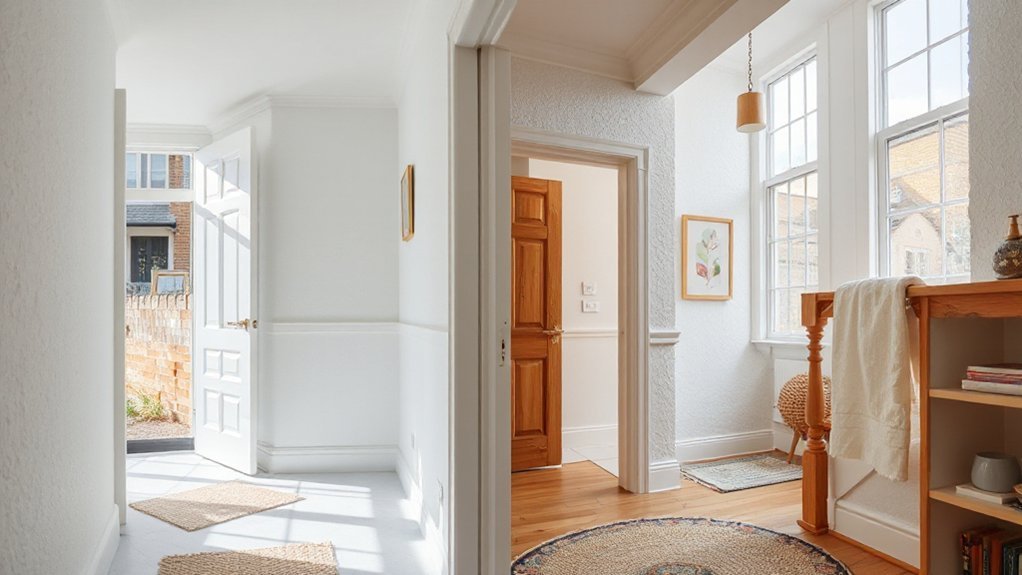
Choosing a budget refresh over a full renovation makes sense for terraced homes, where space is precious and disruption is costly. You’ll gain momentum without uprooting your daily routine, preserving rhythm while upgrading essentials.
A budget refresh prioritizes structural integrity—checking foundations, loads, and timber with a discerning eye—so you don’t trade one problem for another. You can refresh surfaces and layouts through clever space planning, reconfiguring nooks, optimizing traffic flow, and ventilating awkward corridors.
Historical accuracy matters too; you respect period details, molds, and lighting, blending modern efficiency with authentic character. You’ll avoid rip-and-replace chaos, shrinking project timelines and debris.
The result feels deliberate, coherent, and calm, with targeted investments delivering tangible returns. Practical minimalism keeps rooms breathable, functional, and adaptable for evolving needs.
Quick Paint and Color Tricks to Transform Narrow Spaces
If you want to make a narrow space feel bigger, start with paint and color tricks that do the heavy lifting for you. You’ll first map the flow: light walls reflect, darker accents ground, and vertical lines stretch upward. Choose a neutral base and reserve bold patterns for targeted features.
Accent walls create focal points without overwhelming, so pick a wall that recedes to deepen depth. Use semi-gloss on trim to catch light, while matte walls reduce glare and feel calm.
Implement color blocking to define zones—kitchen alcove, entry, or reading nook—without adding furniture. For quick impact, swap stiff drapes for light, single-layer linen, and pair with reflective surfaces.
Remember: restraint amplifies space; bold patterns should punctuate, not overpower.
Lighting Up a Terraced Home: Ambience and Perceived Space
Turn on the idea of light with layered layers: warm ambient glow, task lighting, and smart accents that don’t clutter.
Use light colors and reflectors to expand perceived space, while you map pockets for function and flow.
Harness brightness strategically—reflective surfaces boost what you already have, and a clear plan keeps every watt purposeful.
Light Layering Techniques
Lighting isn’t just about brightness; it’s about shaping space. You’ll layer light sources to sculpt depth in a compact terraced home, avoiding glare and clutter. Begin with a baseline of ambient light from a slim ceiling fixture or wall washers, then add task lighting at desks, consoles, and cooking surfaces.
Use floor lamps as flexible anchors, not statement overload. Accent light highlights architectural details like alcoves, moldings, or artwork, creating momentary focal points that trick the eye into perceiving more room.
Consider dimmers to modulate mood and scale, so evenings feel open rather than closed. Layering textures and fabric accents, from woven shades to tactile throws, softens edges and adds warmth without bulk.
You achieve roomy charm through precise, intentional illumination.
Color for Perceived Space
Color choice can trick the eye into feeling more space by boosting brightness without adding bulk; lighter hues reflect more light and push walls outward, while restrained contrast keeps rooms calm and cohesive.
In color psychology, you curate mood as much as volume. For narrow, terraced layouts, start with hue selection that enhances flow: soft neutrals in living spaces, airy whites near entrances, and a gentle echo of color in focal walls or accents.
Test large swatches on the wall at different times of day to observe warmth and brightness shifts. Maintain balance by pairing cooler tones with warm furnishings, so you don’t undermine openness.
Use color as a planning tool, not decoration clutter—clarity, continuity, and proportion guide the perceived space you gain.
Reflective Surfaces Boost Brightness
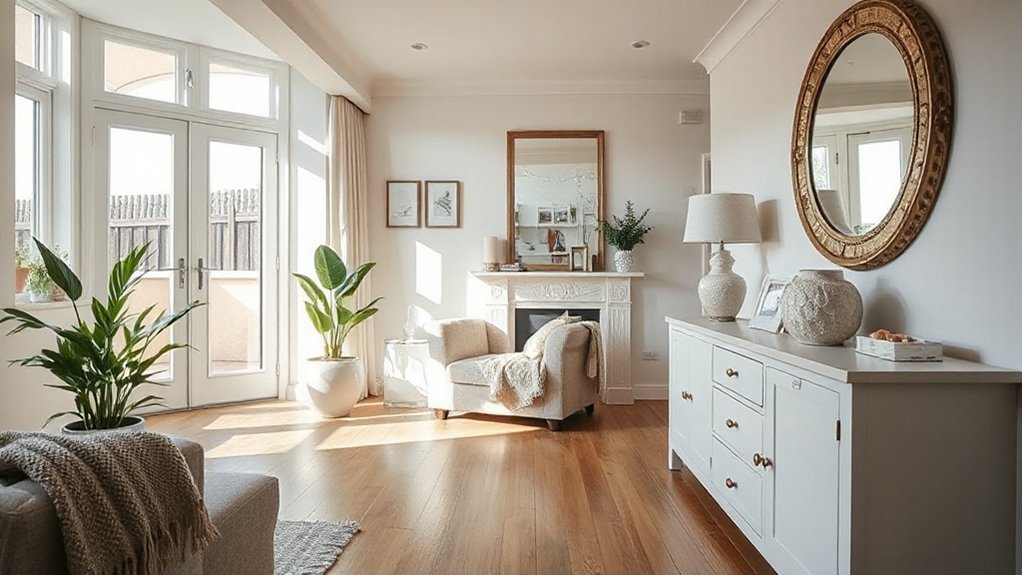
Sunlight bounces around a terraced interior when you layer reflective surfaces—mirrored shelves, gloss-finish cabinetry, and polished floors that catch every ray and push brightness deeper into narrow rooms.
You optimize light by thoughtful mirror placement, aligning modules to reflect existing light without creating glare. Keep surfaces clean to preserve sparkle and avoid visual chaos in tight hallways.
Glass accents—airy pendant pedestals, translucent backsplashes, and crystal-dusted accessories—grant depth without weight.
Use vertical planes to draw the eye upward, widening perceived height, while horizontal mirrors lengthen sightlines along corridors.
Pair reflective elements with matte neutrals to prevent bounce fatigue.
Test layouts with temporary panels before committing, rotating pieces seasonally to maintain freshness.
Subtle echoes of brightness translate into a calmer, more open terraced home.
Clever Built-In Storage for Small Terraces
Smart, space-saving storage is the backbone of a small terrace, so start by mapping every inch you can reclaim. You’ll design around vertical walls and underused corners, then tuck essentials into discreet surfaces.
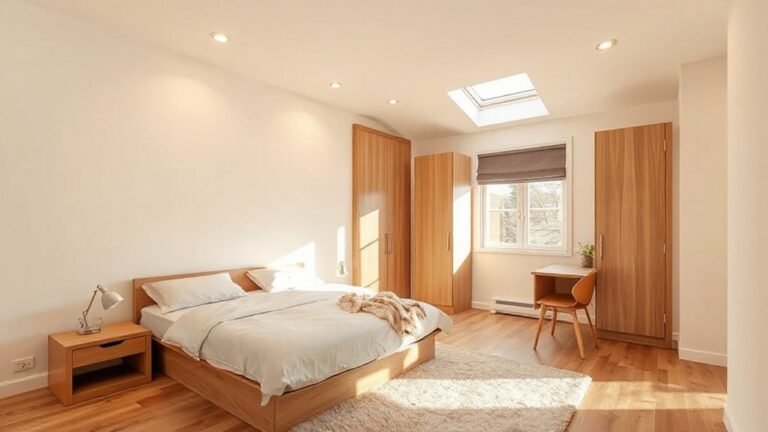
Built-in shelving instantly frees floor space while keeping gadgets, tools, and cushions within reach. Choose modular units that can adapt to changing needs, and keep a slim profile to preserve air and light.
Hidden compartments add clever separation for seasonal items, garden gear, or spare throws, without cluttering the deck. Integrate seating with storage, so your bench or banquette lifts open to reveal blankets or planters.
Label and group, so you know where everything lives at a glance. Finish with a cohesive tone, hardware, and color that unify the terrace vibe.
Space-Planning for Smooth Terrace Flow
You map the space around a clear flow, letting every zone lead into the next with intention. Use a flow-driven layout to guide movement, and establish simple zones that feel distinct yet cohesive.
With practical minimalism, you’ll design paths and sightlines that maximize light, function, and ease of use.
Flow-Driven Layout
Flow-Driven Layout sets the rhythm of your terrace by prioritizing movement between zones, so every step feels natural and efficient. You align traffic paths with sightlines, avoiding dead ends and clutter that trap energy.
Begin with a main corridor that links entry, seating, and dining areas, then carve secondary currents for sunlit hotspots. Use thresholds, rugs, and low profiles to cue transitions without boxing you in.
Consider sightlines from indoors to outdoors, framing focal points like a plant wall or water feature. Garden landscaping subtly guides pace, while outdoor furniture placement creates intuitive pauses for rest.
Keep surfaces clear and edges soft to maintain openness. The result is a calm, dynamic terrace where activities flow seamlessly yet distinctly from zone to zone.
Efficient Space Zoning
Efficient Space Zoning starts with a clear map of every function your terrace needs, then allocates rooms for flow rather than clutter. You sketch zones for cooking, lounging, dining, and storage, prioritizing accessible routes and sightlines.
Use an open plan layout mindset to weave living and outdoor areas, keeping passages smooth and intentional. Place seating to encourage conversation across the space, not into corners; allow clearance for doors, gates, and extra planters without crowding.
Prioritize outdoor connectivity by aligning indoor exits with outdoor seating and greenery views, so you can step outside without breaking stride. Employ multifunction furniture, built-ins, and vertical storage to maximize floor area.
Remember: fewer pieces with deliberate placement yield calmer, more versatile terrace living.
Finishes on a Budget That Stand the Test of Time
Finishes don’t have to break the bank to look sharp; smart choices deliver big impact with small costs. You’ll prioritize durable, versatile surfaces that resist wear while feeling, well, calm. Choose sustainable finishes that age gracefully, so you won’t chase trend after trend.
Pair budget friendly materials with a restrained palette to maximize light and space, not overwhelm it. In walls, a low-sheen paint in a cool neutral extends rooms; shaders of texture add depth without clutter.
For floors, engineered timber or quality vinyl mimics real warmth at a fraction of cost, and rugs anchor zones with texture.
Cabinetry can be refreshed with new doors or paint, preserving structure you already trust.
Finally, think cohesion: pick finishes that align across rooms for a timeless feel.
Frequently Asked Questions
How Long Does a Budget Refresh Typically Take From Start to Finish?
You’ll finish a budget refresh in about 1–2 weeks, depending on scope. You’ll plan DIY upgrades, map space efficiently, and lock in timelines. Budget planning stays tight, then you tackle small tasks, updating finishes and comfort with intention.
Can I Refresh a Terrace Without Hiring a Contractor?
Yes, you can refresh a terrace without a pro. Embrace euphemistic tweaks, try DIY tips, and prioritize space planning. For cost effective solutions, declutter, repaint strategically, add mirrors, and swap lighting to elevate ambiance without contractor costs.
Which Paint Finishes Hide Imperfections Best on Brick or Plaster?
You’ll want matte or eggshell finishes on brick textures or plaster, because they hide imperfections well and keep paint durability high. You prefer breathable, subtle tones, maximizing space planning with minimal clutter and creative flair, avoiding heavy sheen.
Where to Source Affordable, Durable Materials for Terraces?
Affordable options bloom near you; search builders’ surplus, recycled yards, and big-box outlet clearance. Material durability proves sturdy yet affordable, so you’ll save space and budget while sourcing from local suppliers and online marketplaces. You’ll plan, compare, and decide.
What Maintenance Routine Keeps Refreshed Spaces Looking New Longer?
You maintain refreshed spaces longer by a simple routine: dust weekly, wipe surfaces daily, rotate Furniture arrangement seasonally, and schedule quarterly inspections. Pair Lighting enhancements with natural light, declutter monthly, and refresh textiles as needed for continuous, calm, practical space planning.
Conclusion
You can refresh without the wreckage of a full reno, and still end up with a brighter, more cohesive home. Paint light, add mirrors, and swap fixtures for instant lift. Use smart storage to reclaim floor space, plan your flow, and let reflective surfaces multiply natural light. With thoughtful hires of texture and color, you’ll feel like you’ve opened a space that’s twice its size—legit, a miracle in 3D-printed-hourglass time. Your terraced haven, reimagined.
About the Author