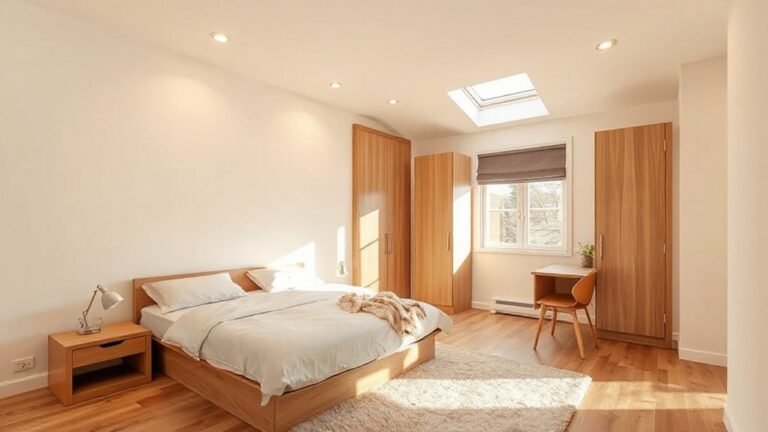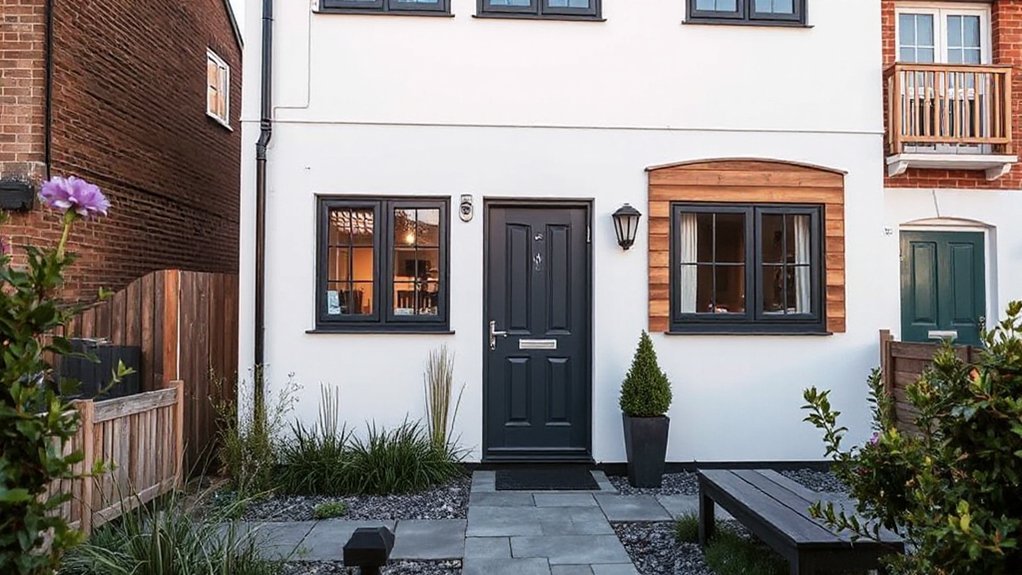
You can modernise a semi‑detached home without breaking the bank by focusing on simple, high-impact upgrades: seal gaps, refresh paint, swap entry lighting, and declutter with smart storage. Build a scalable plan that tiers fixes from essential to nice-to-have, then stage each phase to minimize disruption. Source affordable materials locally or salvage yards, and use layered lighting and smart furniture placement to create a modern feel on a budget. Start with the basics and see where the savings take you.
Evaluate Value Upgrades for Semi-Detached Homes
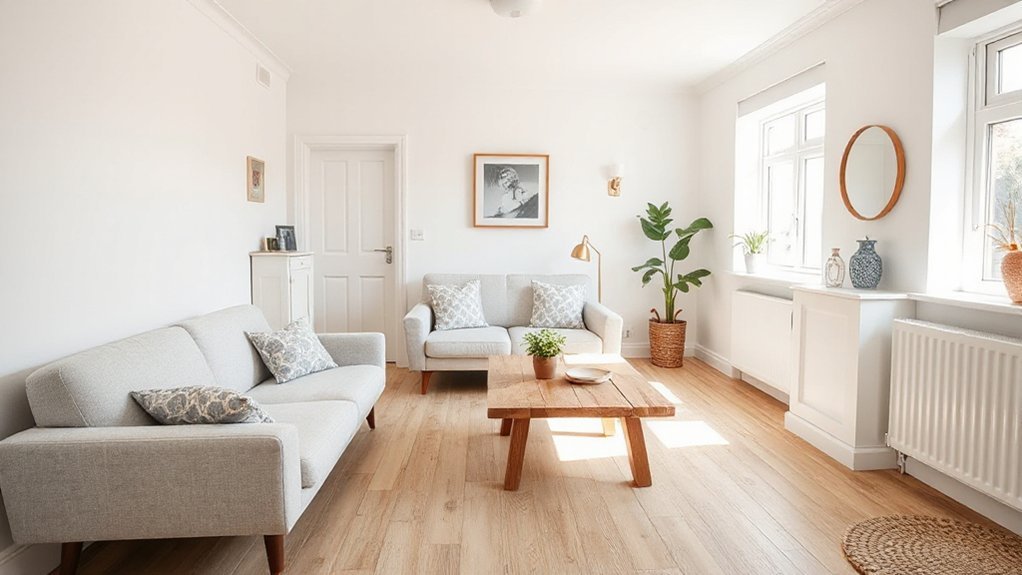
When you’re evaluating value upgrades for a semi-detached home, start by identifying high-impact, low-cost improvements that boost curb appeal and long-term efficiency. You’ll target tasks that pay back over time, like sealing gaps, upgrading entry lighting, and improving insulation where it matters most.
Look to current + historical context of your house to preserve character while increasing value. Focus on exterior enhancements that don’t break the bank yet create a noticeable lift: fresh paint in a durable, period-appropriate palette, clean gutters, and a tidy, welcoming entryway.
Consider upgrading hardware, door seals, and window caulking to trim energy loss. If you can, restore or accentuate Historical features with careful, cost-conscious tweaks.
Prioritize improvements that reduce monthly costs and elevate first impressions for potential buyers.
Create a DIY Plan That Scales With Your Budget
Start with a clear, scalable plan that matches how much you’re willing to invest, not just what you want. Break your budget into tiers: essential fixes, value boosts, and upgrades you can defer. Map out a realistic timeline and a cost tracker to prevent overspending.
Prioritize high-impact, low-cost changes first, then layer in bigger improvements as funds allow. If you’re on a tight budget, begin with practical steps like sealing drafts, upgrading door weatherstripping, and addressing moisture risks.
For structural comfort, plan roof insulation in a staged loop so each phase adds measurable value. Consider Exterior landscaping tweaks that boost curb appeal without breaking the bank, such as native plants and tidy borders.
Revisit the plan quarterly to reallocate funds and adjust priorities based on results.
Paint, Lighting, and Storage for Quick Impact
Paint, lighting, and storage deliver quick wins that don’t require a full renovation. Start with a fresh coat in a cohesive color scheme: pick two core tones and an accent for focal walls, trim, and storage units. Color schemes matter because they visually expand space and set mood without costing a fortune.
Swap in warm, energy-efficient bulbs and layer lighting with a ceiling fixture, a couple of floor lamps, and task lighting for desks or benches. Use storage upgrades that keep surfaces clear: install hooks, wall-mounted shelves, and under-bed or behind-door organizers.
Plan furniture placement to maximize flow—group seating to create intimate zones and leave walkways uncluttered. Keep bigger furniture proportional to rooms to avoid crowding and preserve openness.
Source Affordable Materials and Save Time
Look beyond brand names to save both time and cash by sourcing affordable materials strategically. You’ll gain speed and keep costs down by planning ahead, checking for bulk discounts, and staying flexible on材質 choices. Compare alternatives that meet safety and performance needs, not just aesthetics.
Prioritize local suppliers, salvage yards, and recycled or refurbished items to cut waste and support quick turnaround. When you encounter trade-offs, choose Eco friendly options that still fit your budget, like low-VOC finishes or energy-efficient fittings.
Consider Historical preservation constraints if you’re in a listed area—reuse authentic elements where possible and document provenance for future maintenance.
Schedule delivery windows to avoid delays, and assemble a small, skilled buy-in team to accelerate installs without sacrificing quality.
Plan Disruption-Free Upgrades for Long-Term Value
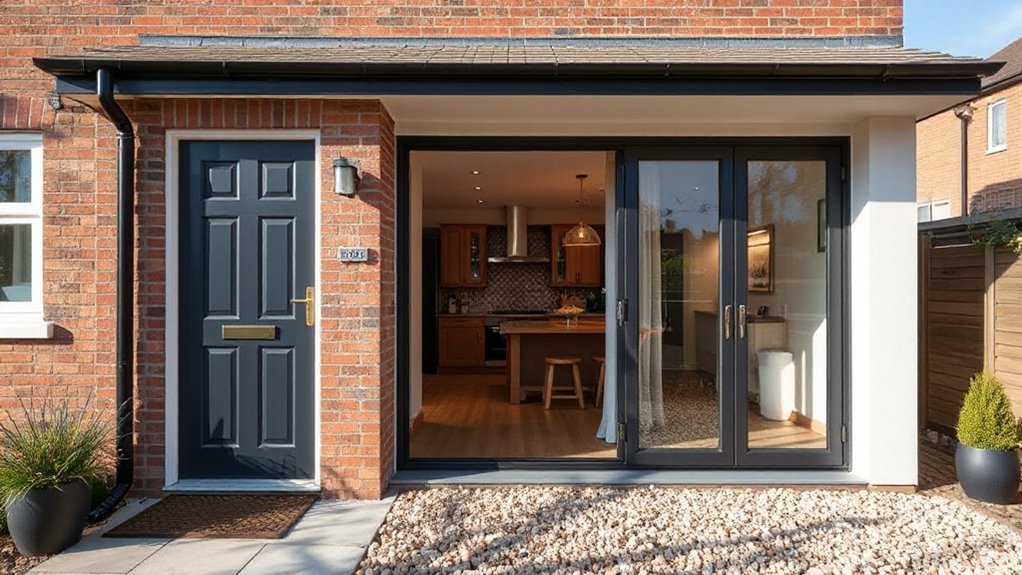
To minimize disruption while upgrading, plan upgrades in logical phases that fit your daily routine and budget. Start with essential systems and divide tasks into short blocks you can complete on weekends or evenings.
Prioritize simple, reversible changes that preserve historical preservation and architectural consistency, so the home feels coherent as you progress. Map a master timeline, then create a rolling schedule with buffers for delays.
Source materials in advance to avoid mid-project shortages, and batch tasks by room to reduce repeated setup. Use portable, low-dust options for interior work to limit mess and cleanup.
Communicate plans with neighbors to minimize surprises and stay compliant with local guidelines. Track costs weekly, adjust scope before overruns, and celebrate milestones that add long-term value.
Frequently Asked Questions
How Can I Finance a Budget-Friendly Renovation Without Debt?
You can finance a budget-friendly renovation without debt by using cash flow tricks: prioritize Interior lighting upgrades and affordable Flooring options, shop sales,DIY where possible, and stage payments with a savings plan, paying as you go for each project.
What Permits Are Required for Minor Structural Changes?
Building permits are usually required for structural work, so you’ll file for Structural modifications with your local authority. You’ll submit plans, get approvals, and follow codes; budget-smart steps include timelines, inspections, and documenting every change.
Which Eco-Friendly Upgrades Offer the Best ROI?
Eco-friendly upgrades with the best ROI include upgrading to sustainable materials and installing green insulation. You’ll save on bills, cut emissions, and boost comfort; start by choosing recycled or rapidly renewable materials and sealing gaps for airtight efficiency.
Can I Renovate While Renting Without Violating Terms?
Yes, you can, but check renting restrictions and tenant permissions first. Visit your landlord, propose safe, reversible updates, keep receipts, document changes, and avoid structural work. Start with low-cost, non-permanent fixes to stay compliant.
How Do I Schedule Trades to Minimize Disruption?
Yes—schedule trades in blocks, align with tenants’ routines, and build buffer days. Map interior lighting needs and paint color choices first, then stagger work by room, setting cut-off times, and keeping cost-saving contingencies for cleanups and touch-ups.
Conclusion
You’ll notice the coincidence: small fixes you’re already planning line up with big returns. Start with sealant and fresh paint, then swap in layered lighting and smart storage to elevate every room without blowing your budget. As you shop salvage yards and local deals, each find confirms this plan works: practical, scalable, and disruption-free. When the boots hit the door, you’ll see a more modern, cohesive home arc unfolding—one affordable, deliberate step at a time.
About the Author