Did you know that a well-planned double storey extension can add up to 50–60% more floorspace to a typical home without expanding the footprint? You’ll need a precise approach to costs, planning permissions, and design choices to avoid budget creep and delays. Consider how foundations, structure, finishes, and site access interact with regulations, then align energy-efficient finishes with long-term running costs. There’s more to it than size alone, and a disciplined plan will determine whether you proceed confidently or pause to reassess.
What a Two-Storey Extension Can Add to Your Home (And What It Costs)
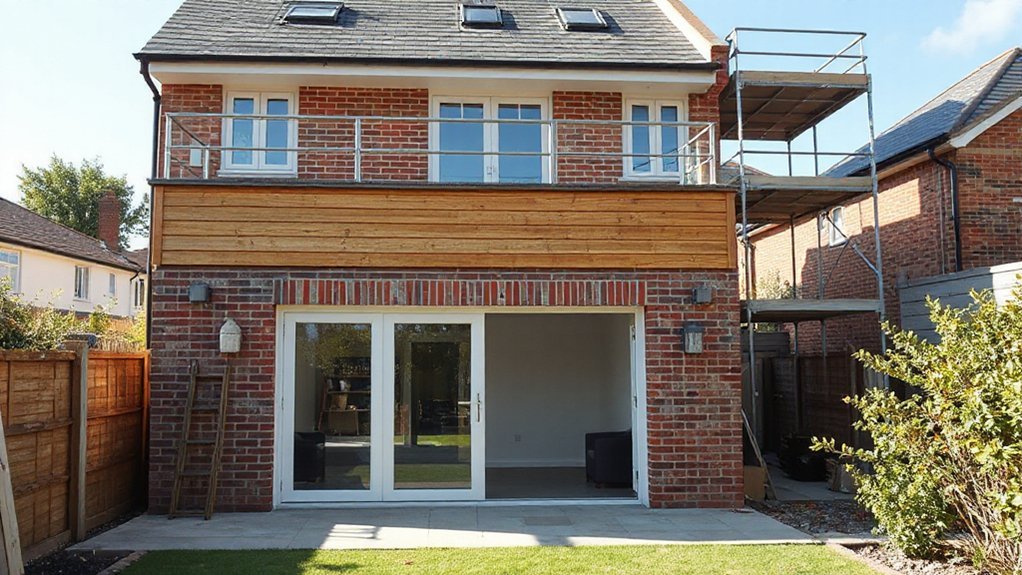
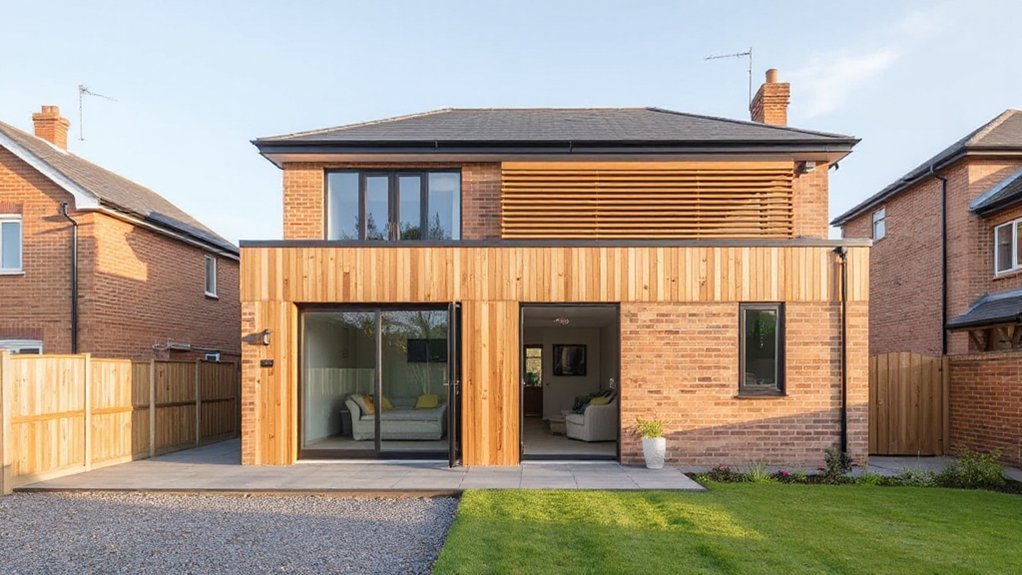
A two-storey extension can substantially expand your home’s usable space while preserving your existing footprint. You’ll gain additional living areas, such as a larger kitchen-dining zone and a private upper-level bedroom suite, enabling improved function and circulation.
Structural options include stepped or full-height elevations, with load-bearing walls reinforced to maintain stability and compliance with local codes.
Cost determinants cover foundations, framing, insulation, and services integration, alongside specialist execution for stair geometry and fire safety compliance.
Landscaping ideas can enhance approach aesthetics and drainage, while interior decor choices should support consistent scale and lighting.
Thermal performance, sound attenuation, and airtightness influence long-term operating costs.
Assess alignment with current architectural language to maximize value and curb appeal.
How Much a Two-Storey Extension Typically Costs: a Practical Budgeting Guide
Planning the budget for a two-storey extension requires a clear, itemized approach that accounts for both base construction and long-term operating costs. Start with a realistic cost per square meter and then factor in site-specific variables.
You should estimate provisional totals for gross floor area, then apply industry-standard multipliers for complexity, access, and program requirements.
Material choices, finishes, and thermal performance substantially influence final spend, so document assumed specs to enable comparator analyses.
Incorporate contingency, typically 5–15%, to absorb design refinements or regulatory changes.
Track cash flow by project stage, aligning expenditures with approval milestones.
Use budgeting tips to refine scope before construction begins, avoiding scope creep.
For design inspiration, reference precedent schemes succinctly, ensuring cost-conscious adaptations remain feasible within your target budget.
Key Cost Drivers for a Two-Storey Extension: Foundations, Structure, Finishes, and Site Prep
Foundations, structure, finishes, and site preparation are the primary cost drivers in a two-storey extension, each demanding precise planning to control totals. You optimize cost by targeting critical elements early, balancing performance with aesthetics.
- Foundations and structural frame: select load paths, excavation depth, and materials that meet safety margins while minimizing long-term maintenance.
- Finishes and interior systems: harmonize material choices with durability, moisture resistance, and installation efficiency.
- Site preparation: plan access, drainage, and temporary works to reduce disruption and cost overruns.
- Material selection and aesthetic considerations: align finishes with climate, longevity, and visual goals to achieve consistent quality and value.
Careful budgeting around these drivers prevents scope creep and supports predictable outcomes.
Planning Permission vs. Permitted Development: What You Need to Know
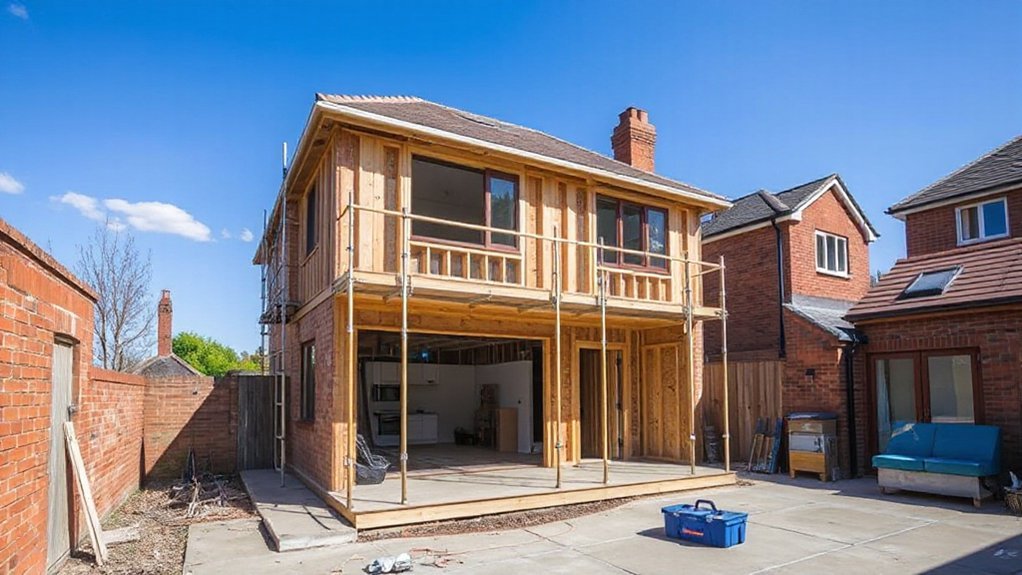
Understanding planning permission and permitted development rights is essential before designing a two-storey extension, because these regulatory paths determine whether you must obtain formal approval or can proceed under automatic allowances.
You assess boundary conditions, site constraints, and impact on neighboring light and privacy to decide the correct route. Planning permission requires a formal application with assessed material considerations, design conformity, and sequencing of works.
Permitted development allows specific enlargements within defined limits without prior consent. You must verify local authority constraints, including conservation areas and listed status, to avoid retrospective actions.
Consider building materials and insulation techniques early, as they influence compliance with size, height, and visual impact. Documented conflict between permitted development and material choices can trigger planning requests or negotiations.
Building Regulations and Approvals: How They Affect Your Timeline
Understanding how building regulations and approvals map onto your project timeline is essential. You’ll encounter a defined approvals process with clear milestones that can influence start dates, inspection slots, and completion targets.
We’ll outline the timing implications of regulations, expected approval milestones, and how delays typically arise.
Regulations Timeline Effects
Regulations and approvals shape your project timeline from the outset: building regulations, planning permissions, and inspection milestones define when work can proceed and when delays may arise. You must navigate compliance checkpoints to avoid hold-ups and guarantee sequence integrity during construction.
- Determine applicable zoning restrictions before design finalization to prevent noncompliant scope changes.
- Identify any historical overlays that impose additional review requirements or stricter material constraints.
- Schedule critical permit submissions to align with authority calendars and avoid clashes with seasonal workloads.
- Align inspection milestones with on-site progress to minimize rework and ensure timely sign-offs.
Failure to integrate these factors can cascade into variations, funding delays, and extended project timelines. Prior planning mitigates risk and sustains execution momentum.
Approval Process Milestones
First, submit the planning application and prepare for a potential redesign if objections arise, then await consent before advancing to building regulations approval.
Subsequent milestones include issue of the building permit, compliance checks, and scheduled site inspections at critical stages, such as foundations, structure, and final completion.
Anticipate adjustments to timelines caused by plan revisions or additional surveys.
Consider how home decor and landscaping elements influence compliance claims, ensuring they integrate with structural works without triggering additional approvals.
Maintain meticulous records to expedite approvals and safeguard progress.
Design Ideas to Maximize Light and Space in a Two-Storey Extension
To maximize light and space in a two-storey extension, prioritize the alignment of adjoining rooms and the use of vertical glazing to flood both levels with natural light. Interior lighting and material selection should be treated as performance constraints from the outset, not afterthoughts.
- Align openings across floors to create uninterrupted sightlines and reduce floor-area shadows.
- Implement tall glazing with low-iron or high-transparency glass to maximize daylight transfer.
- Choose light-reflective interior finishes and durable, low-emission materials to enhance brightness and efficiency.
- Integrate passive cooling and shading strategies within the envelope to sustain comfortable illumination levels without excess artificial lighting.
Layout Strategies: Kitchen-Diners, Living Zones, and Master Suites
You assess how Kitchen-Diner Flow optimizes circulation between cooking, dining, and activity zones, ensuring efficient movement and clear sightlines.
Consider Master Suite Comfort as a priority, balancing acoustics, thermal comfort, and private access to essential amenities.
This discussion frames layout choices that support functional integration of living zones with private quarters while sustaining spatial clarity.
Kitchen-Diner Flow
A well-planned kitchen-diner flow prioritizes clear pathways, functional zones, and integrated utilities, guaranteeing you can prep, cook, dine, and socialize without interference.
- Establish Furniture arrangement that minimizes transit between cooking and dining, preserving sightlines and work triangles.
- Zone the space with distinct dining, prep, and relaxation areas to prevent conflicts between tasks.
- Integrate utilities through shared surfaces and concealed storage, reducing clutter and improving hygiene.
- Harmonize Interior decor with cohesive color, materials, and lighting to enhance permeability and perceived space.
Carefully align cabinetry, appliance runs, and seating to support interaction without impeding access.
Maintain logical sequencing from preparation to plating, and guarantee accessibility for all users.
Prioritize adaptable layouts that accommodate evolving family routines with minimal disruption.
Master Suite Comfort
The master suite benefits from layout strategies that harmonize kitchen-diner activity, living zones, and private repose to create a cohesive daily environment. You should optimize spatial flow by locating the sleeping zone away from high-traffic corridors and mechanical systems, reducing disturbances.
Align furniture to ensure clear circulation, with bedside alcoves or recessed niches to minimize clutter. Bedroom decor should emphasize restraint, dual-function storage, and acoustic considerations, supporting restorative sleep without compromising aesthetics.
Lighting design must balance ambient, task, and accent layers; integrate dimmable fixtures, indirect coves, and blackout options for screening and rest. En-suite access should be direct yet buffered from social areas, facilitating morning routines while preserving privacy.
Sound insulation, thermal comfort, and window treatments contribute to consistent conditions across seasons.
Energy Efficiency and Warmth: Finishes That Save on Bills
Even in modern extensions, selecting finishes that curb heat loss and reduce energy use yields tangible savings. You’ll optimise warmth through material choices and installation methods that minimize thermal bridging and air leakage.
Prioritise performance across envelope components, then align finishes with long-term operating costs.
- Insulation upgrades: install high-R walls, roof, and floor systems to cut heat transfer and improve comfort, reducing demand on heating systems.
- Airtight membranes: apply continuous air barriers to limit drafts while preserving ventilation effectiveness.
- Low-U finishes: select cladding, glazing, and interior surfaces with superior thermal performance to maintain setpoint stability.
- Solar panels integration: situate PV systems to maximize electricity generation, offsetting energy use and supporting efficiency targets.
Choosing Contractors and Managing the Build Without Surprises
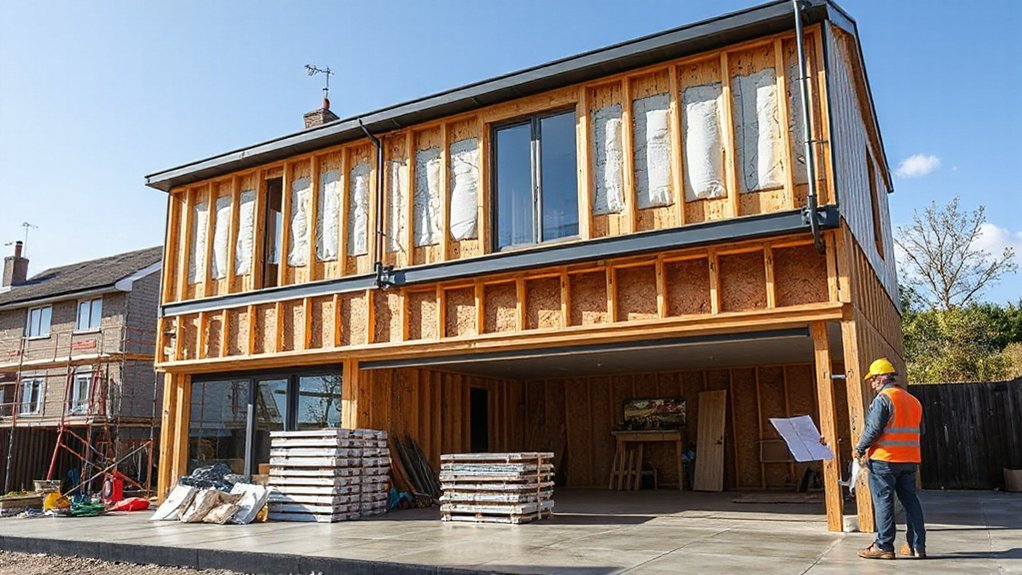
To start your project on a solid footing, choose reputable contractors with verifiable track records and transparent pricing.
You’ll want clear milestones, detailed contracts, and defined change-control processes to prevent scope creep.
Selecting Reputable Contractors
- Verify qualifications and licenses, confirming coverage for structural work and applicable trades.
- Request detailed references and outcomes from comparable extensions, and follow up with site visits.
- Confirm material sourcing practices and supply chain stability to avoid substitutions that impair design integrity.
- Obtain explicit insurance coverage, including public liability, employer’s liability, and builder’s warranty, with documented limits.
Process notes: draft a formal contract outlining scope, milestones, and change-order procedures; require performance bonds or forfeit rights if commitments aren’t met.
Engage discussions with the contractor about project budget control and risk mitigation.
Managing Build Milestones Effectively
Coordinating build milestones starts with selecting a contractor who provides a clear, enforceable schedule and transparent progress reporting. You then establish baseline benchmarks, linking milestones to payment triggers and quality checks to prevent scope creep.
Maintain a detailed Gantt or CPM view, updating weekly to reflect site conditions, weather, and access limitations. Budget planning should accompany each milestone, with contingency allocations clearly documented and approved by all parties.
In contractor selection, prioritize written methodologies for sequencing trades, lead times, and material procurement, ensuring alignment with your design timeline. Require a project superintendent or dedicated foreman, plus daily logs and weekly progress photos.
Communicate changes promptly, formalize amendments, and retain documentation to mitigate disputes. This disciplined approach reduces surprises and supports on-time, within-budget delivery.
Timeline Expectations: From Feasibility to Move-In Day
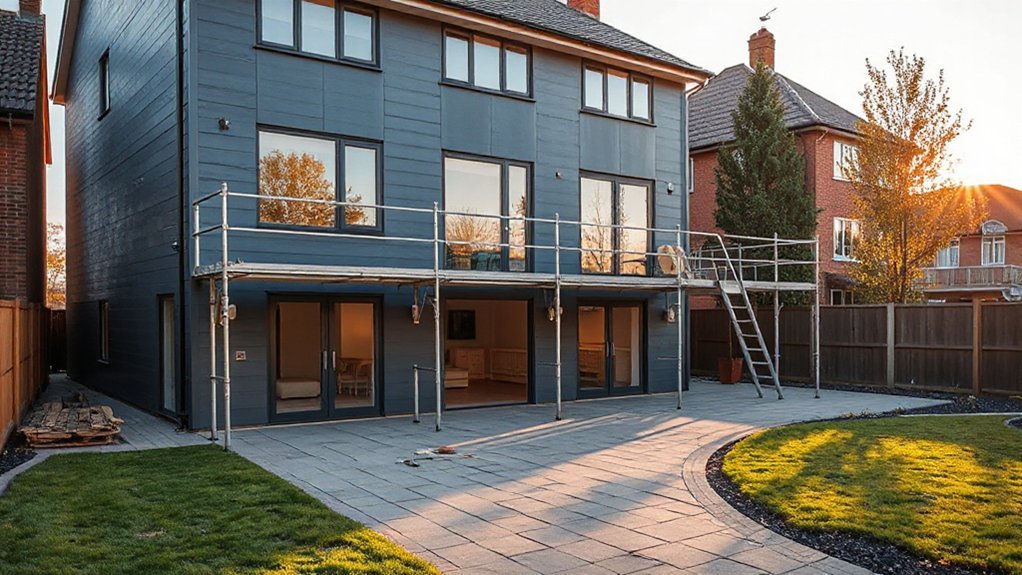
A feasibility assessment outlines the project’s critical milestones, from initial site and load assessments to concept design and budget validation, establishing a realistic timeline for subsequent stages.
You’ll navigate a structured schedule that aligns design approvals, procurement, and construction windows with constraints, permits, and site logistics.
As you progress, expect clear handoffs between teams and documented milestones to minimize rework.
The timeline culminates in Move-In Day, when interior spaces meet functional and aesthetic requirements, including interior decor and landscaping plans integrated into the final brief.
- Validate design intent and obtain approvals within defined cadences.
- Schedule procurement and fabrication to align with construction sequencing.
- Coordinate site preparation, utilities, and structural works efficiently.
- Finalize fit-out, inspections, and commissioning prior to occupancy.
Mistakes to Avoid and Tips for a Smoother Project Journey
To keep the project on track, anticipate common pitfalls early and implement disciplined processes that prevent rework, delays, and budget overruns. You should establish a clear decision log, define change-control thresholds, and maintain rigorous documentation from the outset.
Common mistakes include underestimating site constraints, mismatched specifications, and inadequate interface coordination between trades. Mitigate these by prequalifying contractors, conducting regular progress reviews, and aligning milestones with procurement lead times.
Prioritize interfaces between structural work, services, and finishes to minimize rework. For interior decor, confirm material compatibility, tolerances, and lighting plans before installation to avoid late-stage rework.
For landscaping design, integrate drainage, grading, and hardscape sequencing early to preserve site access and scheduling. Maintain contingency buffers, monitor costs in real time, and sustain open, factual communication with all stakeholders.
Frequently Asked Questions
How Long Does a Two-Storey Extension Typically Take From Start to Finish?
Typically, you’ll complete a two-storey extension in about 4–6 months, depending on permits and site conditions. You should plan for design considerations, building permits, inspections, and potential weather delays affecting schedule and coordination.
Can I Convert an Existing Attic Instead of Building Up?
Yes, you can convert an attic instead of building up; guarantee proper attic insulation and roof ventilation, verify structural suitability, and comply with fire and safety regulations, while preserving headroom and egress access for effective living space.
Do Extensions Affect Home Insurance and Future Resale Value?
Extensions can alter your insurance and resale risk; insurance implications rise with structural complexity, while resale impact may improve if compliant and well-documented. You’ll mitigate concerns by transparent declarations, updated valuations, and robust building compliance documentation.
What Are Hidden Costs That Surprise Most Homeowners?
Hidden expenses catch many homeowners by surprise, including unforeseen fees for permits, surveys, and project management. You should budget for contingencies, contractor variability, and utility relocations to avoid cost overruns and maintain project timelines and quality.
How Can I Fund a Two-Storey Extension Without Debt?
Open financing options by detailing grants and savings, you avoid debt. You consider equity, savings, and phased funds; use grant programs strategically, and compare financing options to minimize interest, ensuring prudent, formal planning across the two-storey extension.
Conclusion
You can finish a two-storey extension that’s both cost-conscious and compliant by following disciplined planning, clear budgeting, and rigorous contractor management. As an anecdote, think of a 5% contingency—the extra cushion that saved a project from a rain-delayed milestone, keeping timelines intact. Data point: energy-efficient finishes can trim ongoing bills by 10–20% annually. Stay precise with permits, timelines, and contracts, and document changes to prevent surprises and protect your investment.
About the Author