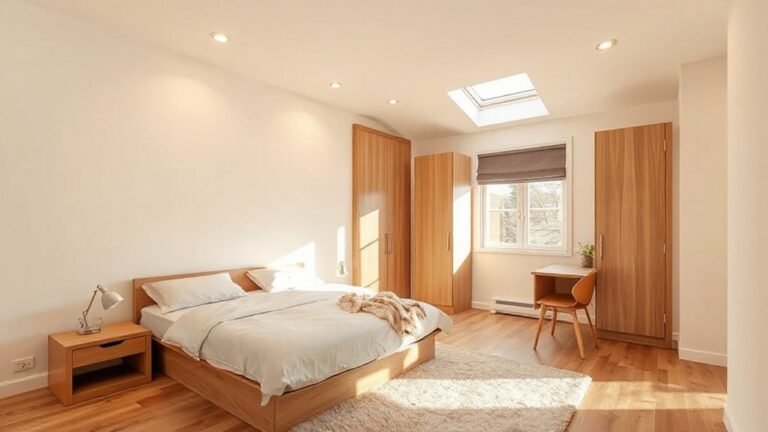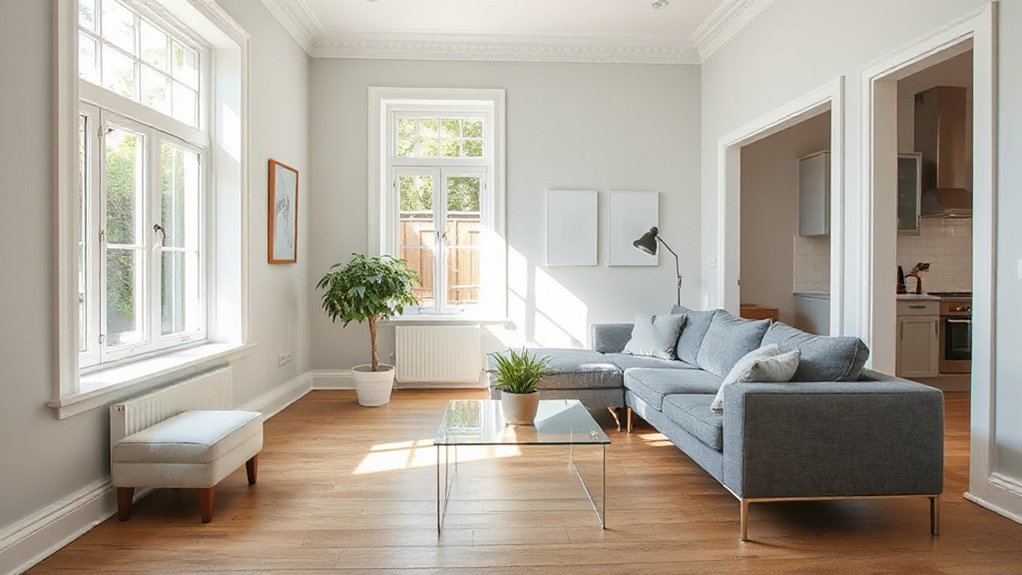
For example, a modest £3,000 investment in fresh curb appeal and neutral interiors can lift a UK home’s perceived value and speed up viewings, yet the exact impact hinges on local market dynamics and timing. You’ll want a clear plan that balances high-ROI improvements with compliance and durability, from exterior tidy-ups to energy-efficient tweaks, while preserving a coherent, light-filled flow that resonates with buyers. Consider how each change aligns with price bands and demand to avoid over-spending before you list.
Assess Your Starting Point: Quick Wins to Boost Curb Appeal
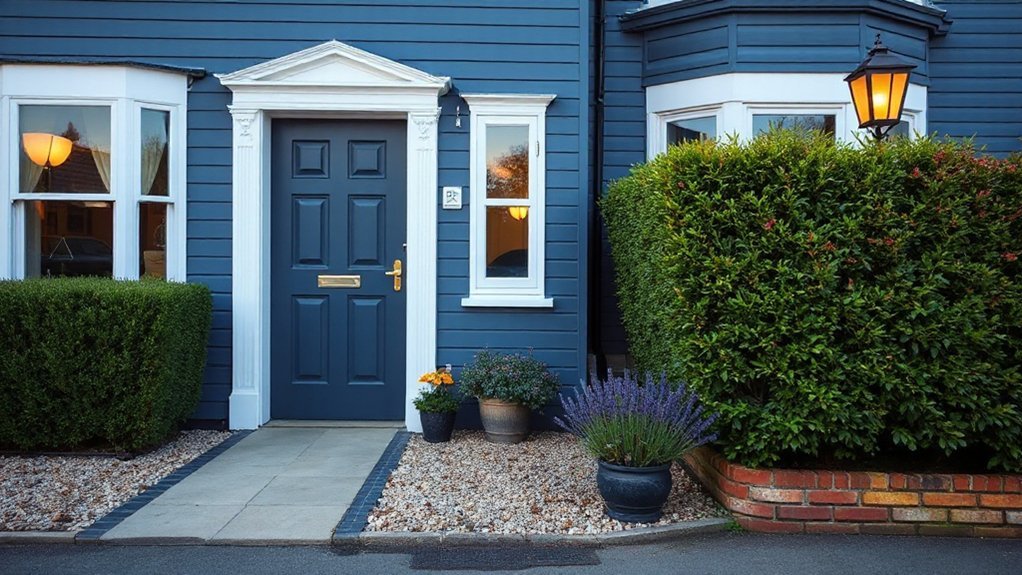
Assess your starting point by identifying the most visible issues that deter buyers. You’ll audit exterior cues: entry appeal, windows, roofline, and paint condition. Focus on quick, high-impact fixes that improve perceived value without overinvesting.
Prioritize garden landscaping improvements that define curb appeal, such as fresh mulch, tidy edging, and seasonally appropriate planting. Reassess fencing and gate aesthetics for broken panels or rust, replacing where necessary to restore boundary integrity.
Illuminate the approach with outdoor lighting that emphasizes pathways and the front door, boosting safety and ambiance after dusk. Address drainage and lawn health to avoid soggy or bare patches that signal neglect.
Document improvements with before-and-after photos, so buyers recognize tangible, low-cost progress during viewings.
ROI-Driven Interior Upgrades: What Delivers the Most Value
To maximize value from interior improvements, focus on changes that yield noticeable returns in buyer perception and sale price relative to cost. You should quantify impact where possible, prioritising renovations with proven price uplift and fast buyer acceptance.
Target enduring quality over trendiness, choosing mid-range finishes that look premium without overinvesting. Prioritise room-by-room improvements that enhance flow, lighting, and perceived space: fresh paint in neutral tones, solid-core doors, updated hardware, and zero-threshold passages.
Subtle, durable updates outperform flashy gimmicks. Consider luxury features where they align with overall budget and market expectations, ensuring durability and ease of maintenance.
Plan outdoor enhancements as part of overall interior value, since access and ambience influence interiors perceived value. Maintain discipline on scope to avoid diminishing returns.
Kitchen and Bathroom Upgrades That Pay Back
Kitchen and bathroom upgrades consistently deliver strong resale leverage when executed with cost-conscious precision. You should prioritise durable, modern fixtures over trendy fads, focusing on cost per value.
Priorities include efficient lighting, low-flow taps, and reliable appliances that meet current UK standards, as these reduce ongoing costs for buyers.
In kitchens, consider re-granite or quartz surfaces, soft-close cabinetry, and integrated storage solutions to maximise usability without excessive spend.
In bathrooms, aim for a clean, cohesive look with standard sizes, preventing costly replumbing.
Incorporate garden landscaping and smart home technology where feasible to boost appeal without inflated budgets, ensuring compatibility with existing systems.
Assess return on investment for finishes and fittings, avoiding niche styles that may limit buyer interest.
Paint Schemes and Flooring Choices Buyers Love
When choosing paint palettes and flooring, you should focus on neutral tones and durable finishes that appeal to a broad buyer base.
Current trends favor light, airy colors and modern textures that enhance perceived space and resale value.
Consider how these options pair with typical UK room layouts to support cohesive, low-maintenance aesthetics.
Popular Paint Palettes
Are neutral palettes the safest bet for attracting buyers, or do bolder schemes actually pay off in certain rooms? In popular palettes, you’ll weigh timeless neutrals against selective accents to balance space perception with mood.
Analytical reasoning guides color choices: neutrals expand rooms and support resale, while restrained pops can anchor focal points without overwhelming. Consider color psychology: cool shades tend to recede, warm tones advance, influencing perceived room size and comfort.
For durability, choose proven finishes and lightly tinted whites to minimize visible wear and repaint frequency, improving long-term appeal. When selecting flooring-compatible palettes, test undertones under varied lighting to avoid clashes.
Maintain consistency across living spaces to support a cohesive flow, avoiding contrived contrasts that distract buyers. Prioritize clarity, minimalism, and high-contrast trims for a crisp, lasting impression.
Flooring Trends Today
Flooring trends today lean toward durable, low-maintenance materials that still deliver visual warmth and resale appeal. You’ll prioritize consistency across living spaces, leaning toward engineered wood or luxury vinyl planks for longevity and ease of care.
In open-plan layouts, subtle, light-toned floors enlarge rooms, while underfoot comfort stays paramount. For bathrooms and kitchens, moisture-resistant tile or stone-look porcelain offers practicality without sacrificing style.
Colour choices favour neutral bases with warm undertones, enabling flexible decor upgrades. Regarding trends, seamless blends between zones reduce visual clutter, boosting perception of space and value.
Pair floors with smart home technology for centralized climate control and lighting, supporting efficiency. Integrate elements like luxury landscaping around entryways to enhance curb appeal without overinvesting.
Energy-Efficiency Upgrades That Sell Homes
Upgrading energy efficiency directly impacts running costs and buyer appeal, so focus on high-impact insulation gains and efficient systems.
You should quantify expected savings and comfort improvements to frame value in terms buyers can compare easily.
Prioritize measures with strong resale signals, like wall or loft insulation and modern heating controls, to maximize both appeal and return.
Efficient Home Upgrades
Efficient energy upgrades directly impact a home’s appeal and sale price, making them a prudent focus before listing. You should pursue objective assessments of where improvements yield the best ROI, prioritising measurable outcomes over sentiment.
Start with low-cost, high-impact changes like smart upgrades to heating, lighting, and controls, ensuring systems are correctly sized and installed. Evaluate insulation and air leakage only as far as it informs performance, avoiding redundancy with the next subtopic.
Consider landscaping enhancements as a complementary aesthetic and microclimate strategy that supports efficiency, not a distraction from core energy tasks.
Emphasise verifiable metrics—energy bills, bordering insulation tests, and appliance efficiency ratings—in the listing disclosures. Document maintenance histories, warranties, and installation dates to bolster buyer confidence and minimise negotiation friction.
High-Impact Insulation Gains
Insulation is a high-ROI lever that buyers notice, so focus on gains that translate into measurable comfort and lower running costs. High-impact insulation gains target both diagnostic performance and daily experience, delivering verifiable value.
You should quantify improvements via heat-loss reductions, U-values, and seasonal energy use as benchmarks. Prioritize continuous insulation to minimize thermal bridging, since gaps undermine overall efficiency even with thick layers.
Consider upgrading to high-performance materials with proven long-term durability and low environmental impact, and document their performance data for buyers.
In attics, optimize insulation depth and install proper attic ventilation to prevent condensation and mould risk, ensuring the system maintains design tolerance.
Pair insulation upgrades with airtightness measures and clear maintenance guidance to support confidence and perceived value.
Simple Staging and Presentation Tacts for Buyers
When buyers tour a home, small changes in staging can noticeably influence their perception of space, light, and potential. You should assess each room for function and flow, then optimize the sequence of spaces to guide attention logically.
Prioritize neutral finishes and consistent tones to reduce cognitive load, enabling buyers to project their own use of the space. Emphasize natural light with strategic window treatments and uncluttered surfaces, avoiding heavy decor that distracts.
Implement a clear furniture arrangement that promotes sociable gathering areas while preserving walkway width and accessibility.
For outdoor presentation, garden landscaping should feel orderly and low-maintenance, tying indoor and outdoor spaces cohesively.
Maintain a disciplined approach to styling; minimalism yields measurable perception improvements without overstatement.
Legal Checks Before Listing: What You Must Confirm
Before listing, you should complete essential legal checks to avoid delays or penalties—confirm ownership, check for liens, and verify planning permissions.
You’ll systematically audit key facts to reduce buyer risk and post-listing disputes. Start with Title deeds to confirm your legal title and any differences, such as enforceable rights or restrictions.
Next, review planning permissions to ensure all substantial works were properly approved and any exemptions documented.
Check for building regulations compliance where required, and note any conditions that could affect value or sale timing.
Identify covenants or easements that could limit use or future alterations.
Verify any ongoing leases, service charges, or communal ownership issues affecting the property.
Document findings clearly for your solicitor and potential buyers.
Budgeting to Add Value: What to Spend and When
Careful budgeting is essential to maximize value without overinvesting, so you should map costs against expected returns and timing. In practice, begin with a baseline estimate for each improvement, then classify by impact on sale price and covert costs such as interim inconvenience.
Prioritize high-ROI updates—kitchens, bathrooms, curb appeal—while recognizing diminishing returns beyond a certain spend. Use budget planning to set upper limits and guardrails for contractor quotes, materials, and contingency, typically 5–10%.
Schedule renovations with a clear timeline to align with market windows, enabling faster listing and reduced holding costs. Maintain strict tracking of actual versus projected costs, adjust as needed, and document decisions for buyers.
This disciplined approach minimizes risk and clarifies value proposition for prospective buyers.
Frequently Asked Questions
How Long Does a Typical Home Improvement ROI Take to Realise?
A typical home-improvement ROI appears within 1–3 years, depending on project type and market conditions. You should monitor Renovation timing and Investment return closely, as timing and quality influence resale value, market demand, and overall financial payoff.
What Legal Disclosures Commonly Trigger Buyer Concerns?
Legal disclosures commonly trigger buyer concerns about defects, risks, or hidden issues. You should disclose known problems promptly, provide supporting documentation, and address concerns transparently to mitigate risk and maintain trust throughout the transaction.
Which Improvements Deter Over-Investing in a UK Market?
Could you avoid over-investing by prioritizing selective improvements? You should pursue balanced, resale-focused choices: implement luxury renovations and eco friendly upgrades only where they clearly boost value, without excessive customization, and track cost-to-value ratios meticulously.
How Do You Prioritize Upgrades With Limited Budget?
Prioritize essential updates first, then cosmetic fixes. You should allocate Budget allocation to high-impact improvements and plan Upgrade sequencing to maximize value within constraint, ensuring renovates deliver strongest ROI before listing.
Are There Regional UK Variations in Value-Adding Features?
Regional differences exist, and you should tailor upgrades to Local preferences. You’ll notice value shifts by region, so analyze buyer demand, climate, and nearby amenities to align features with regional expectations and maximize appeal.
Conclusion
You can boost your UK home’s appeal with targeted, cost-effective tweaks. If you’re worried you’ll over-invest, remember many gains come from curb appeal and neutral finishes, not major renos. A fresh façade, bright diffusion of natural light, and efficient insulation make the house feel newer without blowing the budget. Stay disciplined with a simple, clear layout and documented compliance, and you’ll attract buyers faster and secure seller-friendly offers.
About the Author