Sunlight slides along timber frames, catching brass hinges and creaking plaster as you step inside. You’ll balance new warmth and fuel efficiency with the home’s old craft, choosing discreet upgrades that honor the sash windows, mouldings, and timber floors. You’ll plan on quiet storage, flexible spaces, and layered light so the character remains legible even as comfort grows. The challenge is to weave modern systems without dulling the terrace’s honesty, and that tension invites a closer look at every detail.
Identify the Victorian Features to Preserve
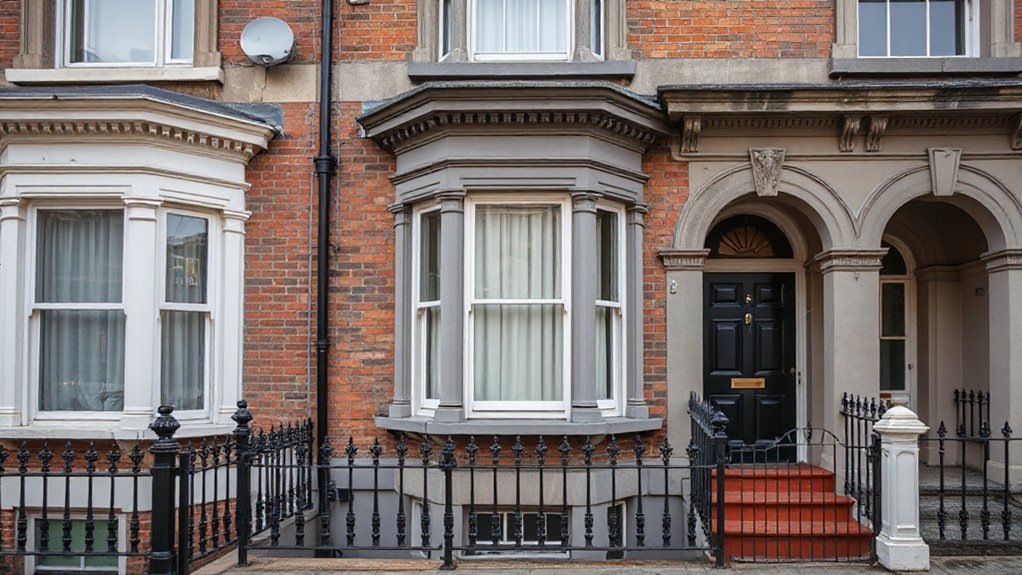
Some features define a Victorian terrace long before you add modern touches. You’ll learn what to preserve by examining how the building was built, not just how it looks today. Focus on structural integrity, timber frames, brickwork, and floor plans that reveal original flow.
Victorian craftsmanship shines in joinery detail, timber doors, and sash windows, whose proportions create a rhythm you should honor. Note Architectural ornamentation—cornices, plasterwork, friezes, and decorative panels that carry historical meaning.
Preserve materials where possible, repairing rather than replacing, to maintain authenticity. Document existing finishes before changes, so you can reintroduce or reproduce them accurately if restoration is needed.
Your goal is to retain character while planning respectful upgrades that don’t erase the past.
Set Criteria for a Bright, Flexible Ground Floor
To set a bright, flexible ground floor, start by defining how the space will function in daily life while respecting the building’s timber and brick logic. You’ll balance daylight, traffic flow, and zones for cooking, dining, and lounging, avoiding clutter that obscures the structure.
Prioritize durable, authentic materials that read as part of the terrace’s history while accommodating modern use. Establish clear, adaptable boundaries rather than rigid walls, so furniture can reconfigure with minimal effort.
Color palettes should reinforce openness: light neutrals with strategic warm accents to echo timber and brick. Plan for varied lighting levels, ensuring task, ambient, and accent layers remain compatible when you reconfigure.
Furniture arrangements must be modular and resilient, enabling quick reorientation for gatherings or quiet days.
Plan the Layout Before Finishes
Start by sketching how you move through each room before selecting finishes, so your layout supports daily life and future needs. Prioritize flow and load-bearing realities, mapping doors, stairs, and services before you commit to any material choices.
With a clear plan in place, you’ll achieve authentic craft that respects the terrace’s character while guiding sensible renovations.
Layout Before Finishes
Begin by mapping how you move through the space, not just what finishes you’ll install. You’ll sketch routes that feel natural, avoiding dead ends and awkward progressions.
Focus on how doors, halls, and stairs choreograph daily flow, then test sightlines from key viewpoints—entry, kitchen, and living room.
Prioritize flexible zones: keep open areas for gathering yet reserve intimate nooks for reading or quiet meals.
Consider ceiling height, light shafts, and alcoves to inform where furniture might breathe.
Color palettes and materials should respond to this layout, supporting scale without overpower.
Plan furniture arrangement that supports conversation and circulation, not crowding.
Leave room for future tweaks, so the space remains responsive as habits change.
Preserve the Victorian fabric by aligning modern pieces with heritage details.
Plan Before Renovation
While you’re planning, map the layout first before any finish decisions. You’ll want to test flows, sightlines, and daylight across rooms, not just walls or ceilings.
Sketch zones for living, dining, and work, ensuring doors, radiators, and outlets don’t clash with future finishes. Preserve period details by integrating new elements as complementary supports—stairs, mouldings, and fireplace alcoves should read as authentic scaffolding for today’s use.
Measure furniture footprints against doorways and corridor widths, leaving generous clearance for movement.
When you’re ready to specify finishes, reference interior color schemes that harmonise with original materials, avoiding jarring contrasts.
Consider contemporary furniture styles that respect scale and proportion, so modern pieces feel curated, not imposed, within the Victorian grain.
Plan deliberately to sustain charm and function.
Upgrade Heating and Insulation Without Compromising Charm
To modernize heating and insulation without sacrificing Victorian charm, prioritize systems that blend with the house’s character and perform efficiently. You’ll win by choosing compact, high-performance solutions that respect architectural authenticity and sit discreetly within existing volumes.
Consider under-floor or wall insulation that’s breathable and suited to solid- or cavity-wall construction, avoiding bulk that obscures mouldings or cornices.
Opt for radiator options with slim profiles or modern low-temperature radiant panels that mimic traditional heat emission, keeping sightlines clear.
A well-sealed envelope reduces energy loss without visible bodgework; sealive gaps and draft-proof eaves to support historical accuracy.
Pair these moves with a controllable boiler or heat pump sized for the footprint, ensuring comfort remains steady and true to the building’s character.
Choose Period-Appropriate Finishes and Materials
You’ll start by selecting period-appropriate finishes and materials that feel authentic to the Victorian era, while letting modern needs show through in subtle ways.
Prioritize materials with integrity—solid timber, plaster, ceramic tiles, and restrained metalwork—so the craft remains visible and true.
Then weave modern twists thoughtfully to preserve historic harmony, ensuring every choice serves both character and comfort.
Period-Appropriate Finishes
Choosing period-appropriate finishes means selecting materials that reflect a Victorian terrace’s authentic character while supporting modern needs. You’ll opt for finishes that echo historic craft—wallpapers, decorative plaster, timber joinery, and tiled surfaces—yet guarantee contemporary durability.
Prioritize historical accuracy in detailing: chamfered architraves, panel doors, and period-appropriate mouldings, paired with breathable lime plaster and limewash paints to preserve wall ages.
Use quarry tiles or encaustic-inspired ceramic floors in kitchens and hallways for tactile credibility. In living spaces, balance oil-based or waterborne finishes that resist wear while maintaining patina.
Consider engineered timber with real grain for floors that accept modern underfloor systems. shy away from overly glossy surfaces that erode charm.
Material durability and careful aging protect the aesthetic, supporting long-term maintenance and seamless integration.
Materials With Integrity
Materials With Integrity: choose finishes and materials that endure while honoring period character. When you select surfaces and components, prioritize authentic craftsmanship over fast fashion. Seek materials that age gracefully, like solid timber floors, brick or lime plaster walls, and traditional lime-based mortars, which breathe and repair easily.
Favor finishes that reveal texture and patina, avoiding overly slick coatings that erase history. Embrace sustainable sourcing: reclaimed timber, locally quarried stone, and responsibly produced brick align with both ecology and provenance.
Detail matters: hand-finished joinery, traditional adhesives, and period-appropriate hardware reinforce credibility without sacrificing durability. Be mindful of maintenance rhythms, treating surfaces to extend life rather than replace them.
Your goal is a tactile, enduring, characterful environment that respects origins while supporting modern living.
Modern Twists, Historic Harmony
Modern Twists, Historic Harmony: when you select finishes and materials, look for period-appropriate options that read as authentic yet subtle enough for contemporary life. You’ll blend contemporary aesthetics with craft fidelity by choosing textures and tones that echo Victorian roots without shouting.
Opt for solid timber floors with a soft patina, and use brass or nickel hardware to hint at era details while staying functional today. Keep plastered walls warm and crisp; introduce muted wallpapers with restrained motifs as accent features rather than room-wide statements.
For kitchens and bathrooms, select stone, ceramic, or engineered surfaces that mimic period materials but perform reliably. Strike a balance between minimalist design and craft, ensuring each element supports harmony, durability, and quiet elegance.
Contemporary aesthetics meet timeless tactility.
Integrate Hidden, Efficient Storage Solutions
Hidden storage can slice clutter without sacrificing space or style. In a Victorian terrace, you’ll hide essentials where you already live, not where you fear to place them. Start with hidden compartments embedded in eaves, under stairs, and behind panelled kicks, so everyday items vanish from sight yet stay within reach.
Choose multi functional furniture that serves dual duties—ottomans with lift lids, benches with drawers, beds with built‑in drawers—to preserve floor area while adding capacity. Use authentic finishes: wood veneers, brass pulls, hand‑stitched upholstery, and linings that feel substantial.
Measure precisely, cut cleanly, and align hinges to maintain a seamless silhouette. Prioritize accessibility and airflow, ensuring that storage supports living spaces without creating dark, cramped gaps.
Update Windows and Doors for Light and Air
Natural light and ventilation transform a Victorian terrace, and updating windows and doors is where that transformation begins. You’ll preserve proportion and detailing while choosing contemporary glazing to improve performance.
Aim for window enhancement that respects original profiles, using slim, proportionate frames and traditional sashes where possible. Consider casement or vertical sliders that echo era geometry, but with low-emissivity glass to cut heat loss.
For doors, balance inviting access with period character; prefer panels or glazed interior doors that retain hand-fixed hardware and crisp joinery. Guarantee robust, draught-free seals and thoughtful insulation without oversized reveals.
Materials should read as authentic—rebated sills, factory-finished timber, or steel where appropriate. Plan light routes through multifunctional openings, and prioritize door design that mediates space and air, not noise.
Smart Tech That Supports, Not Detracts From, Character
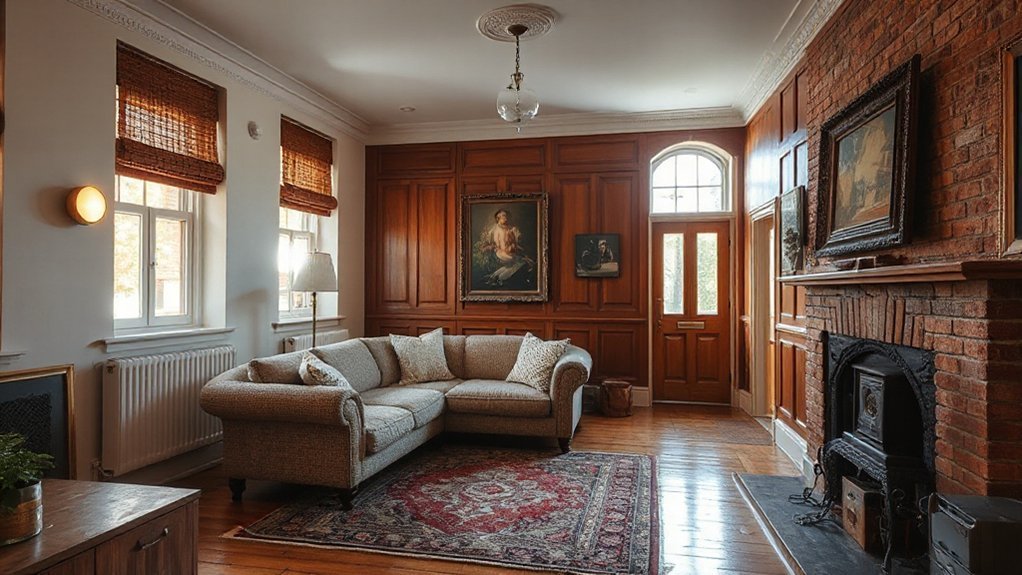
Smart tech should enhance the room, not shout its presence; when thoughtfully chosen, devices disappear into the architecture rather than dominate it.
You approach every upgrade with contextual sensitivity, choosing solutions that respect material authenticity and craft fidelity.
Opt for aesthetic integration, where cables vanish behind plasterwork, and surfaces remain tactile, not cluttered.
Favor modern appliances that align with Victorian proportions—compact fridges, discreet ventilation, and quiet HVAC—so comfort grows without visual noise.
Prioritize discreet automation that feels intuitive: lighting scenes that respond to occupancy, shading that preserves natural textures, and security systems woven into cornices or skirting lines.
The goal is utility with restraint, where technology serves atmosphere.
In harmony, tech becomes a subtle ally, enhancing heritage rather than competing with it.
Lighting Strategies to Highlight Architecture
Lighting is a craft companion to architecture, not an overlay. You shape rooms by letting light reveal texture, proportion, and detail, not mask them.
Use a layered approach: ambient lighting to define space, task lighting for practical areas, and accent lighting to sculpt focal architectural features like cornices, arches, or brickwork.
Contemporary fixtures should feel honest to the building’s material palette—clean lines with warm intakes, avoid glare, and respect scale. Position sources to avoid harsh shadows while highlighting rhythm and depth.
Dimmer controls invite intimacy and adaptability, preserving evening atmosphere without overpowering original character. Consider hidden LEDs behind cornices or under eaves for subtle glow.
Ambient lighting should feel natural, supporting daylight, not competing with it.
Frequently Asked Questions
How Do I Evaluate Trade-Offs Between Modern Tech and Period Feel?
You weigh period authenticity against tech integration by testing each choice in situ, prioritizing materials and craft fidelity, and opting for discreet tech that respects scale, texture, and light, preserving character while enhancing daily comfort and reliability.
Can I Renovate on a Tight Budget Without Losing Charm?
Yes, you can—tread carefully, like threading a spindle. You’ll save by sourcing vintage fixtures, embracing color palettes that echo history, and prioritizing craft fidelity; your budget stretches when symmetry and texture guide every thoughtful, authentic choice.
What Are Legal/Planning Considerations for Victorian Terraces?
You should check heritage restrictions and obtain planning permissions before you proceed, respecting contextual sensitivity, material authenticity, and craft fidelity; make sure your alterations align with conservation guidelines, engage stakeholders, and document decisions to protect the building’s character.
How Do I Maintain Original Stairs and Plasterwork Safely?
You’ll treat original stairs and plasterwork with care, like oven-soft clay warming to your touch. Restoration techniques preserve detail, ensuring material compatibility, compatible lath, plaster, and timber. You’ll stabilize, clean, and repair without masking historic craft fidelity.
What Maintenance Schedule Keeps Features Thriving Long-Term?
You should follow a regular maintenance schedule that prioritizes Historic preservation and material durability, inspecting plasterwork, stairs, and period finishes quarterly, then repairing with authentic methods, sealing porous surfaces, and documenting each step to sustain craft fidelity long-term.
Conclusion
You’ll finish with a home that breathes its history while moving forward. Picture timber gleaming, sash windows catching light like captured rain, brass hardware singing softly under your touch. You’ve threaded warmth and air through clever insulation and discreet radiant heat, kept plaster rhythms intact, and tucked storage where you forget it’s there. Let your layout dance around the heart of the house, with layered light and honest materials guiding every step—modern life, quietly faithful to its past.
About the Author