
Plan, prioritize, and price wisely: you diagnose your 2026 repair budget, you identify the biggest cost drivers, you plan preventive maintenance that pays, you compare smart quotes and cost-effective upgrades, you DIY when it makes sense and hire smartly when it doesn’t. If you want to avoid surprise bills, you’ll need data, discipline, and a clear path forward—but there’s more to weigh before you pull the trigger.
Diagnose Your 2026 Repair Budget Before You Spend
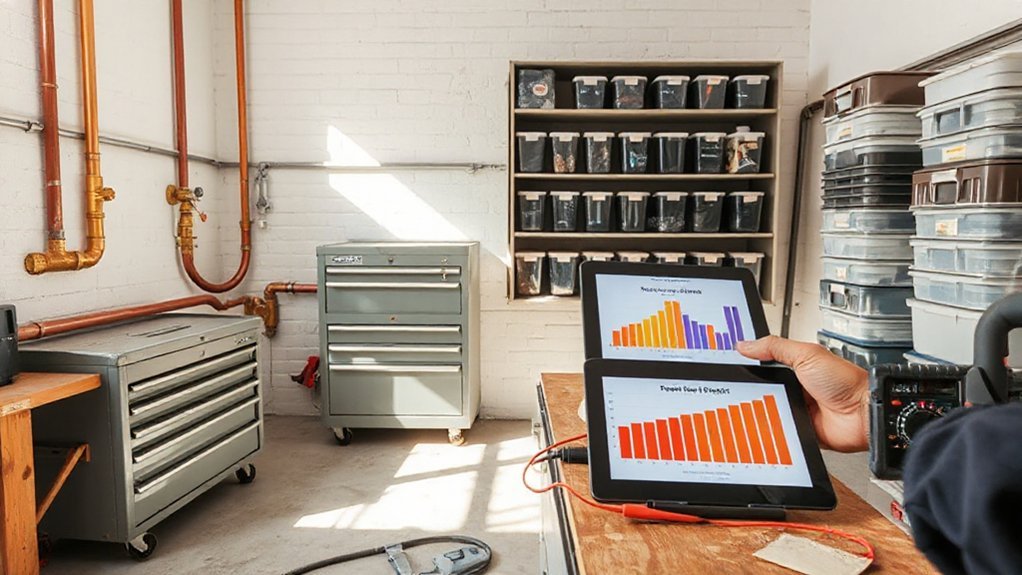
Before you spend a dime on repairs, chart a 2026 budget based on realistic needs, projected costs, and your available funds. Start with a detailed line-item inventory of anticipated fixes, then attach unit costs and a risk buffer. Use recent quotes, contractor timelines, and regional price trends to calibrate totals.
Compare your budget to your current cash flow, and identify gaps you must cover before work begins. Check your home insurance for covered items and adjust expectations accordingly; this keeps you from paying out-of-pocket for losses that aren’t applicable.
Also assess contractor reputation: review licenses, references, and past project outcomes to avoid overruns. A disciplined budget reduces impulse choices and anchors decisions in verifiable data.
Identify the Biggest 2026 Repair Cost Drivers
Identifying the biggest 2026 repair cost drivers starts with data-driven prioritization: energy efficiency upgrades, major structural or system failures, and aging components consistently drive bills higher. You’ll spot patterns by tracking claim history, defect rates, and replacement timelines.
Energy retrofits—insulation, windows, and HVAC efficiency—often reduce long-term costs even if upfront outlays rise briefly.
Structural cracks, water damage, and failing foundations tend to cascade, inflating repair scopes and insurance claims if neglected.
Aging components like roofs, plumbing, and electrical panels escalate maintenance needs as parts wear out.
Use precise bids and compare contractor negotiations to avoid padding. Document failure drivers with photos and metrics, then prioritize fixes that yield the largest risk reduction and lowest recurrence, so you allocate resources more effectively and curb total outlays.
Plan Ahead With Preventive Maintenance That Pays
Plan ahead with preventive maintenance, and your long-term repair costs will drop. You’ll reduce surprise expenses by scheduling routine inspections and keeping a proactive checklist.
Prioritize tasks with clear ROI, like sealing ducts, cleaning gutters, and testing safety devices, then track results with simple metrics (cost vs. failure rate).
A disciplined approach helps you anticipate wear patterns and prevent cascading failures, which saves both time and money.
Build a small Emergency fund to cover unexpected repairs that lurk between planned maintenance cycles.
Consider a Home warranty for major systems as a hedge, but don’t rely on it for every issue; it shouldn’t replace regular upkeep.
Document maintenance milestones; they improve resale value and reduce future repair friction.
This is practical, data-driven budgeting in action.
Get Smart Quotes and Choose Cost-Effective Upgrades
Armed with a preventive plan, you’ll no longer guess at upgrades—you’ll get smart quotes and pick cost-effective options. Start by gathering three bids for each project, then run a cost comparison to identify the best value, not just the lowest price.
Demand itemized line items, including materials, labor, timelines, and warranties, so you can flag hidden charges before work begins. Use standardized specs across bidders to ensure apples-to-apples comparisons.
Build a simple risk matrix that weighs durability, energy savings, and maintenance costs over time. Track this data in a single file to support smart budgeting and decision-making.
Prioritize upgrades with measurable payback, and document expected tax or rebate incentives to sharpen your financial case. Regularly review and adjust estimates as plans evolve.
DIY Where It Makes Sense and Hire Smartly When Needed
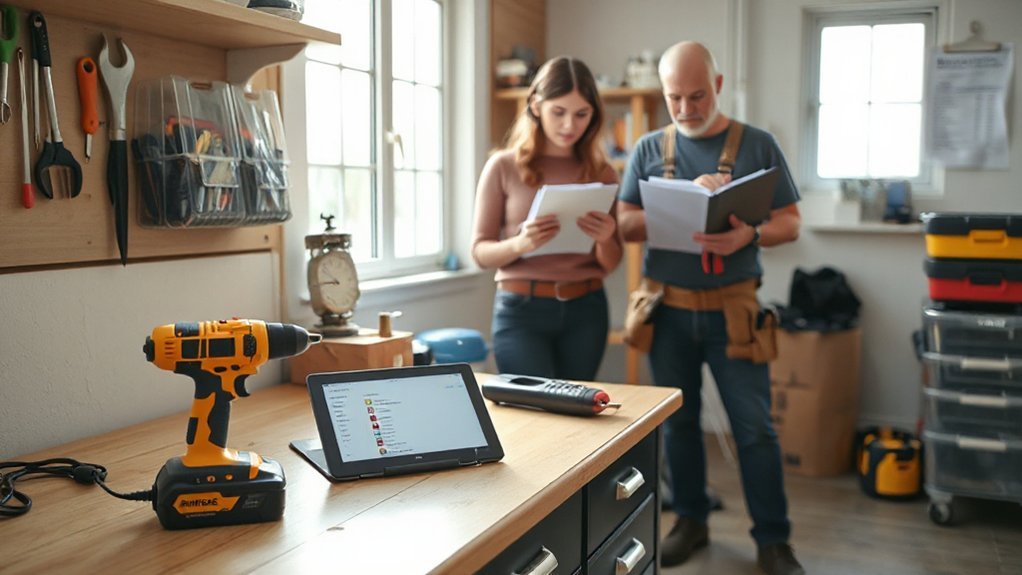
When you weigh DIY vs. professional help, start with a simple cost–benefit check: handle small, straightforward tasks yourself to save money, and hire out only where a pro’s expertise, safety, or time savings justify the expense. You’ll maximize value by matching tasks to skills.
For DIY safety, use proper PPE, follow manufacturer directions, and verify local codes before starting. Reserve professional help for complex plumbing, electrical, or structural work, where errors raise risk or code violations.
Track costs and downtime to compare scenarios with hiring tips, such as obtaining multiple bids, checking licenses, and requesting detailed scopes. Documented results, warranties, and adherence to safety standards often offset higher upfront costs, delivering long-term savings rather than just quick fixes.
Frequently Asked Questions
How Can I Spot Hidden Repair Costs Before They Arise?
You can spot hidden repair costs by doing DIY inspections and comparing contractor quotes carefully, noting potential overruns. Track material prices, labor hours, and permit needs with a checklist, and demand itemized bids to compare risks and mitigate surprises.
What Licensing or Permits Affect Overall Home Repair Costs?
Auditing your project echoes a checklist heartbeat: Building codes and contractor licenses shape costs, requirements, and timelines. You’ll pay for permits, inspections, and licensed work, ensuring compliance and fewer rework surprises—choose qualified pros to minimize long-term expenses.
Which Energy Upgrades Yield the Fastest Payback?
Here’s your fastest payback: install energy efficient LED lighting, improve attic insulation, seal ducts, and upgrade to a programmable thermostat. These steps deliver immediate energy savings, boosting home comfort while delivering cost saving returns on investment.
How Do Insurance Claims Influence Repair Budgeting?
Insurance claims influence your repair budgeting by shaping coverage limits and out-of-pocket costs. You should prioritize thorough claim documentation, compare estimates, and negotiate carefully; use data to justify repairs and maximize eligible reimbursements.
What Tax Credits Apply to Home Improvement Projects?
You’re a savvy traveler, maneuvering a tax labyrinth: tax credits apply to eligible home improvements, and you’ll uncover tax incentives and home rebates that can cut costs; track energy, accessibility, and safety upgrades for maximum savings.
Conclusion
You can tighten your 2026 repair bill by predicting costs, catching issues early, and shopping smartly. Track quotes, compare line items, and weigh warranties so every dollar buys value. Tackle simple tasks yourself where safe, but call licensed pros for the rest to protect safety and compliance. Build a proactive budget and an emergency fund, stay alert to rebates, and let prevention pay off as surely as a well-oiled machine—steady, predictable, and ready. Your wallet’ll thank you.
About the Author