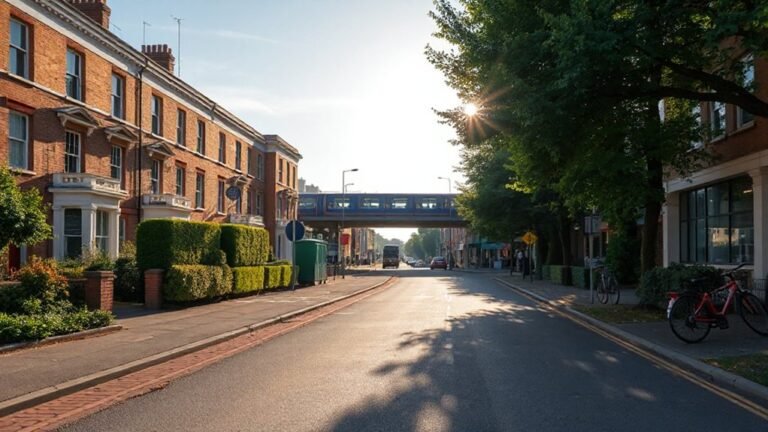
You might not realize that central Newcastle rents stay steadier even as peripheral areas swing more with vacancy shifts. Demand clusters around universities, transport hubs, and amenities, while costs rise for upkeep and utilities. This mix shapes where price gains occur and how quickly properties turnover. With policy changes and market normalization on the horizon, a clearer picture emerges—but the implications for investors and tenants diverge. Curious what that means for your next move?
What Drives Newcastle’s Rental Market Today

Newcastle’s rental market is shaped by a mix of demand drivers and policy constraints that together determine prices and availability. You’ll see demand propelled by university enrollment, local employment growth, and urban renewal projects, which tighten supply during peak periods.
Historical rental data shows month-to-month volatility, with spikes in August and September as students enter the market and new leases start.
Policy constraints, including licensing schemes and energy-efficiency standards, constrain supply growth and influence landlord investment decisions.
You’ll notice higher turnover in central districts and near transport hubs, where tenant satisfaction correlates with accessible amenities and consistent utility costs.
Newcastle Rent Trends: How Prices Vary by Neighborhood
Neighborhood price variation in Newcastle follows clear spatial patterns. You’ll see higher rents in central and coastal-adjacent districts, with steadier, lower figures in peripheral reszones.
Overall, average rents rise in areas with historic transport access, universities, and proximity to employment hubs, while more affordable pockets exist where housing supply outpaces demand.
When you map by neighborhood history, you’ll notice legacy developments and period housing contributing to premium pricing in certain blocks, even as modern flats pull prices up elsewhere.
Rental regulations influence volatility: stricter licensing and clearer landlord obligations tend to dampen sudden spikes and sustain rental stability.
You should monitor micro-trends between Student Quarter, East End, and Riverside zones, using neighborhood-specific data rather than citywide averages for precise budgeting.
From Quayside to Hotspots: Where Demand Is Hottest
From Quayside to the hotspots, demand concentrates where transport links and amenities cluster: central Newcastle, the Quayside corridor, and coastal-adjacent districts see the strongest bid for rental units.
Historical rental data shows clear clustering around transit hubs, with higher bids for compact, well-connected properties within walking distance to stations and major bus routes.
You’ll notice the highest occupancy pressure near Central Station, the Quayside’s entertainment belt, and coastal enclosures that offer rapid access to the city center and employment clusters.
Tenant satisfaction remains higher where management responsiveness is rapid and amenities are proximate, reinforcing continued demand.
This pattern signals price resilience in core belts, while peripheral pockets lag, underscoring the value of proximity-driven listings in Newcastle’s evolving market.
What the Latest Vacancy Rates Tell Us
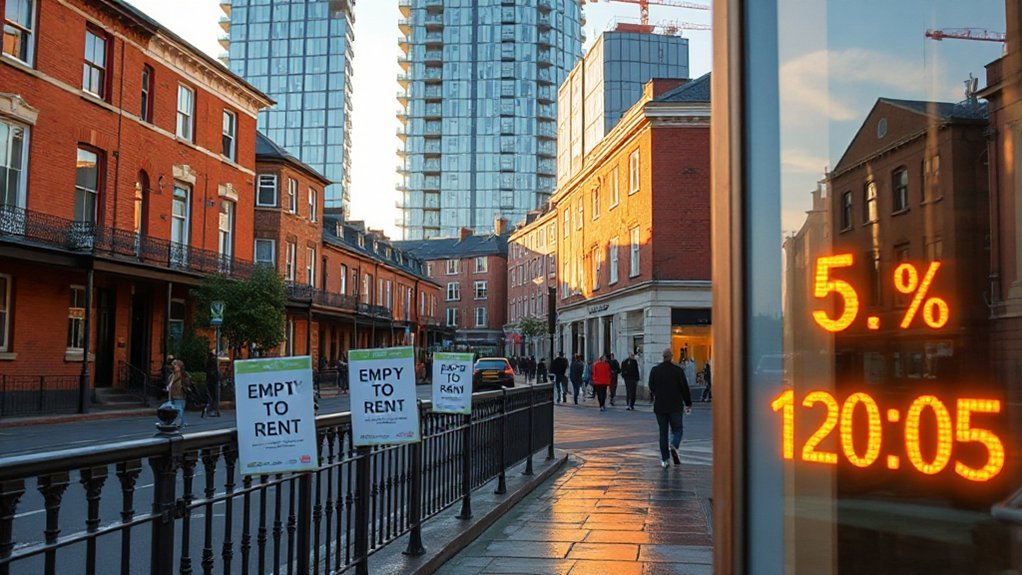
Vacancies have risen where affordability pressures and new-build inventories intersect, signaling a lull in demand outside the core clusters. You’ll see vacancy rates pull back from fringe areas as prices compress relative to incomes, then stabilize where landlords adjust expectations.
In central pockets, rates remain steadier, reflecting persistent demand from professionals and students who prioritize location over rent alone. The data show monthly fluctuations, but the trend points to tighter supply in top submarkets and softer performance where rental affordability worsens compared with earnings growth.
You should monitor the spacing between vacancy durations and rent growth to gauge market temperature. A sharper rise in vacancy rates often precedes rent moderation, signaling a potential recalibration for landlords and tenants alike.
The 2026 Supply and Demand Balance in Newcastle
Despite a steady pipeline of new-build completions, Newcastle’s 2026 supply-demand balance tilts toward tighter urban demand and tempered growth in new stock, driven by affordability constraints and ongoing student and professional concentration in core submarkets.
You’ll see demand concentrated in central neighborhoods where rental absorption remains robust, while outlying areas face softer activity.
Housing affordability pressures limit relocations and constrain price corrections, nudging vacancy rates toward equilibrium at higher rents.
New stock addition, though steady, lags behind rapid leasing cycles, sustaining a lean market turnover pace and sustained competition for available units.
Rental regulations continue shaping landlord-retailer dynamics, with compliance costs influencing pricing trajectories and portfolio decisions.
Renter Preferences Shaping Newcastle Rents
You’ll see rents respond to renters’ shifting priorities, with demand favoring updated interiors, flexible layouts, and tech-enabled buildings.
Neighborhood appeal drivers—quality of life, transport links, and local amenities—are increasingly price-sensitive factors.
This pattern suggests rents will adjust where these priorities cluster, guiding which areas gain or lose premium, all else equal.
Renters’ Priorities Shifts
Renters’ priorities in Newcastle are shifting as affordability, flexibility, and access to amenities drive demand. You’ll notice demand patterns bending toward units with lower total costs, shorter fixed terms, and better utility packages.
Data shows month-to-month or 6‑month options are rising, while upfront deposits compress in response to tighter budgets. You value transparent pricing, timely maintenance, and predictable bills, so landlords increasingly emphasize energy efficiency and modern appliances to reduce long-term costs.
Tenant screening quality correlates with tenancy stability, translating into stricter, yet clearer, application criteria for some properties. Lease renewal activity tightens where previous landlords met expectations on response times and condition reports.
Renewals cluster in markets with reliable service and incremental rent adjustments. Overall, renters reward clarity, flexibility, and value-driven features.
Neighborhood Appeal Drivers
What drives neighborhood appeal in Newcastle? You’ll see rents reflect a mix of safety, access, and fiscal context. Data show tenants prize lower property tax burdens and clearer safety metrics, which correlate with higher occupancy and faster lease turnover in core wards.
You’ll notice rents respond to proximity to transit, walkability, and school quality, but premium pricing clusters where crime rates are lower and public services are visible. In investor terms, neighborhood safety and predictable property tax expectations reduce perceived risk, supporting steadier cash flow even as vacancy fluctuates.
You’ll also observe that amenities—parks, cafes, healthcare access—translate into modest rent uplifts, while overly dense development without safety assurances dampens demand. Overall, drivers combine fiscal stability with tangible quality-of-life signals.
How Policy Changes Are Shaping Rent and Leases
Policy changes are already reshaping the Newcastle rental landscape, with new caps, reporting rules, and enforcement patterns influencing both asking rents and lease terms. You’ll notice tighter Rent control signals and clearer thresholds guiding landlord behavior, while compliance costs push some owners toward shorter, more visible leases.
The data show mixed effects: average asking rents stabilize in regulated segments, yet lease flexibility tightens as landlords constrain renewal options to mitigate risk. You’ll want to monitor enforcement cadence and landlord reporting accuracy, which correlate with perceived risk for tenants and lenders alike.
- Caps on deposits and rent increases are shifting negotiation power.
- Expanded tenant reporting reduces information asymmetry and improves risk pricing.
- Lease flexibility trends reflect enforcement timing and penalty structures.
Seasonality’s Effect on Newcastle Rental Activity

Seasonality drives noticeable shifts in Newcastle’s rental activity, with demand surging in spring and early summer and cooling during autumn and winter. You’ll notice clear peaks in listings and inquiries between March and July, when student turnover and job cycles align with moving dates.
Market fluctuations chart the tempo, showing brighter activity windows around grant-funded intakes and university term starts, then retreat as holidays set in.
Seasonal patterns also influence pricing momentum, with modest bumps in late spring followed by stabilization or slight dips in autumn.
You compare year-over-year momentum to identify persistent seasonal effects versus long-run trends.
In practical terms, target listings for spring and early summer to maximize visibility, while preparing fall inventories for steady but slower engagement.
Monitor data weekly to adjust strategy.
Why Landlord Costs Matter for Rents
Landlord cost components—from mortgage and maintenance to regulatory fees—directly shape the monthly rents you see in Newcastle.
When these costs rise or fall, rent adjustments tend to follow, reflecting the tight link between expenses and pricing power.
Regulation and fees add a structural layer, to watch for as they can alter the marginal cost of housing provision and, as a result, the market rate.
Landlord Cost Components
Understanding landlord cost components is essential because each expense directly shapes the rent you’ll encounter. In Newcastle, the breakdown is data-driven and precise, linking fixed and variable costs to price signals you’ll notice in listings.
You’ll see how taxes, maintenance, and compliance drive overall profitability and, consequently, rent levels. This section stays focused on cost inputs rather than rent outcomes, so you can compare properties with clarity.
- Landlord taxes and regulatory fees
- Maintenance expenses, including routine upkeep and emergency repairs
- Property management and insurance costs, plus compliance obligations
These components interact with occupancy rates and financing terms to set the baseline rent. By isolating these inputs, you can better assess pricing strategies and margin constraints in the Newcastle market.
Impact On Rent
What you pay in landlord costs directly shapes the rents you’ll see in Newcastle. In simple terms, higher operating expenses push up asking rents and, over time, market rents for similar properties rise to maintain yields.
When maintenance, utilities, insurance, and service costs climb, landlords price in a risk premium, narrowing gross margins unless rents adjust. The pattern aims to balance occupancy and revenue, so vacancy risk can trigger more moderate increases.
This dynamic intersects with Affordable housing pressures, where affordability hinges on whether rent growth keeps pace with wages and local income trends. Rental affordability declines if cost pass-through outpaces tenant resilience, while savings from efficiency upgrades can moderate hikes.
Ultimately, landlord cost trajectories help explain the pace and direction of Newcastle’s rent movements.
Regulation And Fees
- Regulatory compliance costs determine ongoing annual expenses for landlords.
- License, inspection, and admin fees alter total operating spend and rent setting.
- Fee structures influence risk-adjusted returns, shaping price competition and vacancy durations.
Financing and Buyer Activity in Newcastle’s Market
Financing activity in Newcastle’s rental market has tightened modestly as lenders edge toward smaller loan-to-value ratios and higher documentation standards.
While buyer interest remains steady among locally employed 25- to 44-year-olds. You’ll notice volume shifts in new applications, with demand concentrated in lower LTV products and fixed-rate options to curb refinancing risk.
Banks emphasize transparent income verification and robust credit history, reducing approval velocity but sustaining intent among core residents.
Data point to resilient activity in buy-to-let portfolios, yet tighter servicing criteria temper aggressive leverage.
Rental regulations and Lease agreements increasingly shape borrower decisions, prompting more cautious underwriting and stricter compliance checks.
Rent Levels by Property Type: Flats, Houses, Studios
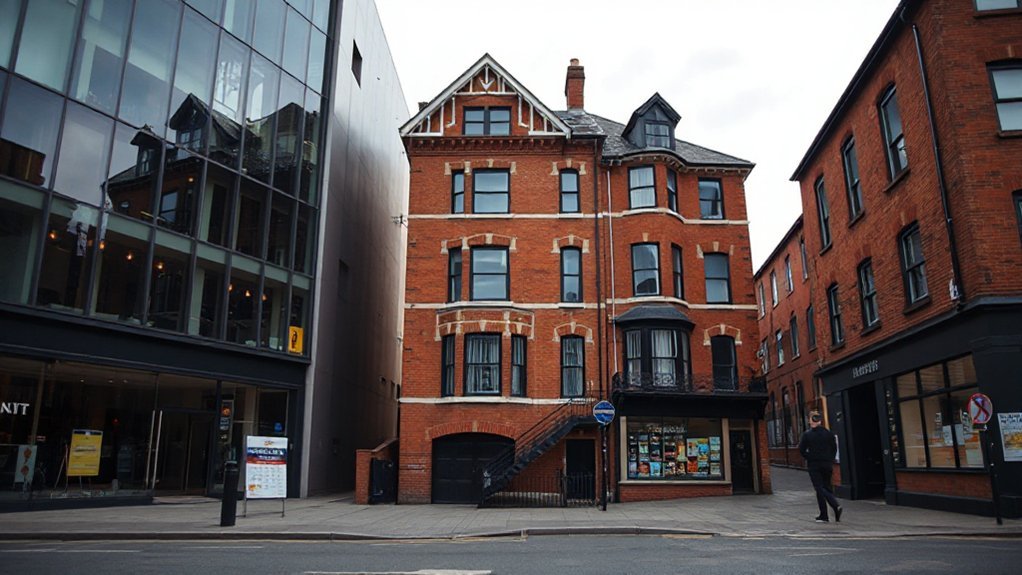
You’ll compare current flat, studio, and house rents to identify where price gaps exist. Early indicators show distinct variances between flats and houses, with studios often occupying a mid-range tier but varying by location.
This discussion sets up a closer look at how type-specific trends influence overall affordability and market dynamics.
Flat Rent Levels
What’re the current rent levels in Newcastle upon Tyne by property type, and how do flats compare to houses and studios? You’ll see flats command mid-to-high premiums versus houses, while studios stay below both on average.
In the latest data, flat rents trend higher due to amenities, location, and demand from professionals and luxury apartments sectors, with some premium segments tied to short term rentals. Overall, flats exceed studio rents by a noticeable margin, while houses, though larger, don’t always offer proportional price per square foot in central zones.
Expect seasonal shifts and differential by neighborhood, not uniformly distributed.
- Flats show the strongest rent resilience in prime districts
- Luxury apartments concentrate price growth in top corridors
- Short term rentals subtly elevate peak flat pricing
Studio and House Variances
In Newcastle upon Tyne, rents by property type diverge meaningfully: studios trade well below flats and houses, while flats command mid-to-high premiums over both houses and studios. You’ll see Studio variances reflecting smaller layouts, lower utilities, and faster turnover, amplifying price sensitivity during seasonal shifts.
Across houses, premium pricing arises from space, yards, and longer lets, yet maintenance costs keep net yields nuanced. The data show flats leading on average rent, with houses modestly below but steady due to family demand and longer tenancy durations.
Studio rents lag, often 20–40% under flats, while houses sit 5–15% above studios. House differences center on footprint, triple occupancy potential, and proximity to transport hubs, shaping demand elasticity and vacancy cycles.
Emerging Newcastle Neighborhoods to Watch

- Quayside-adjacent conversions trend higher density near transit nodes
- Allandale-Gateshead corridor expands student-focused rental supply
- Heaton’s historic core leverages preservation incentives for mid-market units
Student and Commuter Dynamics in Rent Trends
You’ll see student demand patterns driving peak-season rent spikes and preferring affordable, well-connected options.
Commuter workforce shifts are tightening supply in peripheral areas, nudging prices where transit access is strongest.
Rent elasticity dynamics reveal how small price changes trigger meaningful occupancy shifts among student blocks and commuter pockets.
Student Demand Patterns
Student demand in Newcastle’s rental market shows a pronounced seasonal cadence, with spikes tied to university calendars and exam periods. You’ll see demand surge as term starts and taper during holidays, then rebound for midterms and finals, creating predictable inventory gaps. This pattern aligns with on-campus housing strategies and off-campus allocation, influencing price ceilings and lease durations.
You’re most likely to observe sharper competition in areas near campuses and in purpose-built student blocks, where dormitory preferences drive unit mix and amenities.
- Demand concentrates around academic term start dates, shaping lease timing and renewal cycles.
- Dormitory preferences steer unit selection toward furnished, compact layouts with study spaces and utilities included.
- Shorter leases and flexible renewal options reflect student calendar variability and housing policy changes.
Commuter Workforce Shifts
Commuter workers add a distinct demand layer to Newcastle’s rental market, altering both price sensitivity and vacancy timing beyond student patterns. You’ll observe higher turnover tied to contract cycles and midweek showings, with peaks near major rail hubs.
Commuter patterns shift the demand from traditional student clusters toward furnished, flexible leases and longer-term options close to transit stops. Rents in key corridors respond more to commute reliability than campus proximity, producing tighter vacancy windows and faster re-rent cycles when services improve.
Data indicate a modest premiums for proximity to rail and bus nodes, tempered by overall affordability constraints. Workforce mobility drives gradual annual rent growth, concentrated where transport access aligns with employment hubs.
Rent Elasticity Dynamics
Rent elasticity in Newcastle’s rental market reflects how student and commuter demand respond to price changes and broader economic shifts. You’ll see the dynamics hinge on price sensitivity, time horizons, and alternative housing options, revealing how market sensitivity shapes vacancy rates and rent growth.
Data indicate a steeper response among peak academic sessions, while off-season demand dampens price effects, illustrating asymmetric elasticity. You’ll also note that commuting costs and campus proximity influence willingness to pay, affecting overall rent levels and turnover.
- Demand responsiveness spikes during term starts, signaling higher rent elasticity among students.
- Commuter-driven demand moderates price shifts when transit costs rise, tempering market sensitivity.
- Vacancy- and price-mersistence patterns reveal how long-term rents adjust to shifting relative value.
Rising Utility and Maintenance Costs for Tenants
Rising utility and maintenance costs are squeezing tenants in Newcastle upon Tyne, with energy bills and council tax increases outpacing wage growth and rent stability.
You’ll see utility costs rising faster than typical income growth, compressing disposable income and increasing financial stress.
In a data-driven view, utility costs and heating bills dominate monthly outlays in many flats, while flat maintenance expenses creep upward due to aging stock and higher service charges.
The pattern is uneven: newer builds often show better insulation but higher council tax bands, while older properties incur more frequent repairs.
Across the market, total housing costs are edging upward even when rent stays flat.
Net effect: affordability pressure remains the defining trend for tenants.
Newcastle Tenancy Rules and Protections: What Shoppers Need to Know
In Newcastle, tenancy protections and rules shape how you rent, contract terms, and dispute resolution, with updates designed to curb unfair practices and improve transparency. You’ll find these protections influence screening standards, deposit handling, and notice periods, clarifying responsibilities for both sides. Data shows compliance focuses on fair practice, timely repairs, and transparent fee disclosure, reducing disputes before they start.
You should prioritize clear lease language and documented communications to align with current rules and safeguard your interests.
- Tenant screening: standards target non-discriminatory processes, consent, and verifiable references to prevent bias.
- Lease negotiations: transparent terms, fixed rent, renewal options, and clear maintenance responsibilities are emphasized.
- Disputes: predefined pathways and deadlines streamline resolution, supporting evidence-based decision-making for all parties.
Practical Tips for Navigating Newcastle’s Current Market
Given Newcastle’s current market dynamics, you should prioritize verified rent benchmarks, transparent fee structures, and prompt communication with landlords to reduce negotiation friction and avoid surprises at move-in.
In practice, compare current listings against official data to set realistic offers and expect typical rent ranges by area. Track response times from agents and landlords; faster replies correlate with fewer delays and clearer terms.
For property management, insist on documented maintenance schedules, clear repair timelines, and rotation of inspections to prevent creeping charges. Stay compliant with rental legislation, ensuring tenancy agreements reflect protections and fees permissible under law.
Use data sheets to monitor renewal risks, deposit handling, and dispute paths. This disciplined approach minimizes mispricing, miscommunication, and unexpected costs.
What the Outlook Means for Newcastle Investors
For Newcastle investors, the outlook hinges on income stability, occupancy velocity, and cost discipline, with data showing steady rental demand across core neighborhoods and a shifting mix of tenants.
You should expect disciplined capex planning to preserve yield as markets normalize and renewal rates stabilize.
Historical property values provide a benchmark for leverage and risk tolerance, while investment tax incentives can improve net returns when paid on qualifying projects and refurbishments.
- Analyze rent collection trends and tenant turnover to assess durability of income streams.
- Track occupancy velocity by neighborhood to target high-demand clusters and optimize pricing.
- Map tax incentives to project timelines, balancing upfront costs with long-run yield.
Frequently Asked Questions
How Does Newcastle’s Rental Demand Compare to Its Population Growth?
You’ll find demand outpaces population growth, driven by turnover and affordable leases, yet protections tighten. You balance Tenant protections with flexible Lease agreements, noting rental demand remains strong even as population climbs slowly, signaling efficiency in supply and containment of rents.
What Factors Drive Rent Spikes in Specific Newcastle Neighborhoods?
Neighborhood amenities attract tenants and boost demand, driving rent spikes in specific Newcastle neighborhoods. You’ll see sharper increases where transit access, schools, and amenities cluster. Rent control policies, if strict, can temper these surges and stabilize pricing.
Are There Hidden Fees Landlords Frequently Charge Tenants?
Yes, some hidden fees exist. You’ll often face security deposits and application fees, which vary by landlord. Data shows these charges correlate with screening rigor and property type, so compare totals, verify itemized costs, and negotiate where possible.
How Do Seasonal Shifts Impact Newcastle Rental Availability?
Honestly, you’ll notice seasonal demand drives tighter supply and vacancy fluctuations: you’ll snag better options in off-peak periods while prices dip, yet demand surges again as peak seasons roll in, shaping leasing pace and availability.
What Rental Market Indicators Best Signal Future Price Moves?
You’ll watch rent affordability, vacancy rates, and time-on-market as key signals; rising affordability stress, shrinking vacancies, and longer listings suggest price declines. Market stability strengthens when rents trend predictably, while volatility signals potential future price moves you should monitor.
Conclusion
You can see the pattern: demand outpaces supply in core Newcastle districts, driving resilient rents even as vacancies tighten in peripheral areas. Neighborhood hot spots near transport hubs and amenities command premium, while rising utility and maintenance costs pressure tenants. With regulatory shifts and a steady influx of students and workers, the market stays data-driven and predictable for investors who target high-demand corridors. In short, the city’s balance tilts toward continued core-area strength—act decisively, not impulsively.
About the Author