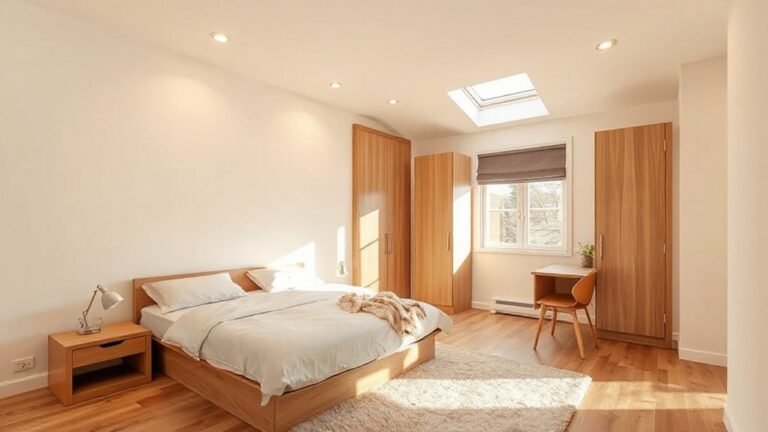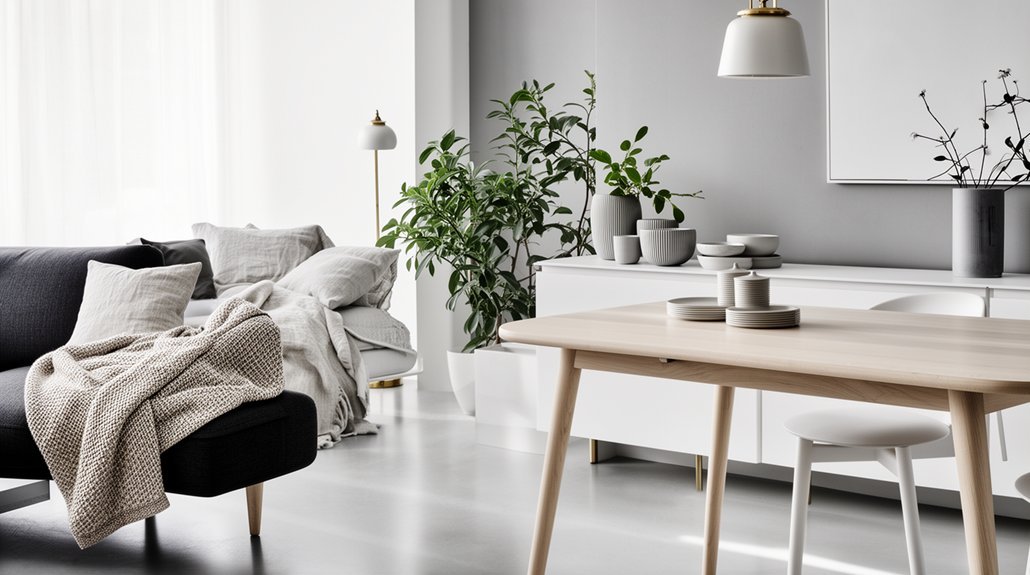
Embrace a Scandi-inspired whole-home makeover that centers on light-first design, natural materials, and timeless silhouettes. You’ll use high-reflection whites, airy ceilings, and negative space to brighten rooms, while warm neutrals add coziness. Functional layouts prioritize flow, sightlines, and adaptable zones. Layer textures with linen, wool, wood, and stone for tactile warmth, and pair minimalist furniture with hidden hardware for a refined, cohesive look. Ready to harmonize spaces across entry, living, kitchen, and baths? There’s more to reveal ahead.
What Scandi Design Means for Your Whole-Home Makeover
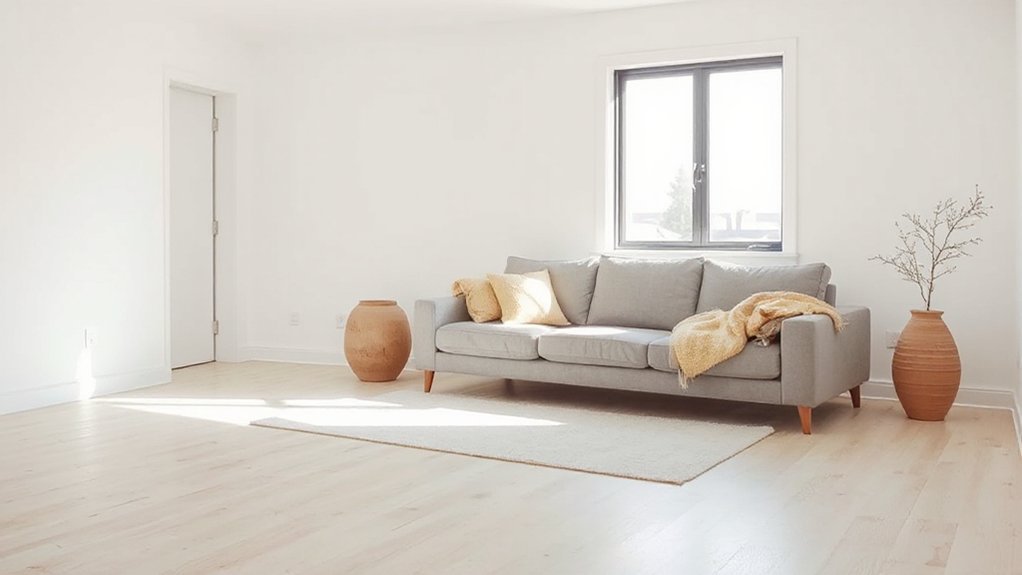
Scandi design isn’t just a look—it’s a holistic approach to living light and serene. You adopt a cohesive vision, aligning every room with calm, clutter-free purpose.
Start with core principles: clean lines, natural materials, and a restrained color palette that breathes. You’ll prioritize functional layouts that enhance flow, not merely decorate.
Embracing scandi aesthetics means choosing quality essentials over trends, so every piece earns its keep. You simplify surfaces, train your eye to spot durable textures, and invest in timeless silhouettes that endure.
Minimalist elegance guides your decisions—from storage strategies to seating arrangements—ensuring form follows function. You build warmth through tactile materials and thoughtful lighting, avoiding overstatement while preserving refinement and coherence across the entire home.
Light-First: The White Palette for Nordic Spaces
Light is king in Nordic spaces, and a white palette converts every room into a brighter, more breathable sanctuary. You harness light first, using high-reflectance whites to maximize natural illumination and reduce visual clutter.
The white canvas isn’t sterile; it’s a foundation for subtle temperature shifts through texture, shade, and contrast. In practice, stick to a restrained Nordic color palettes approach: introduce cool and warm neutrals in controlled doses to prevent flatness.
Pair white walls with airy ceilings, pale floors, and deliberate negative space. Choose minimalist furniture with clean lines, streamlined profiles, and hidden hardware to preserve openness.
Accessories stay purposeful: a single wood accent, a tactile rug, and a matte metal lamp. The result is serene, cohesive, and distinctly contemporary.
Natural Materials That Ground a Nordic Home
Natural materials anchor a Nordic home in tactile honesty and environmental sense. You’ll prioritize timber, stone, and raw wool for honest texture that ages gracefully. Choose light, breathable woods with visible grain to preserve that Scandinavian clarity, and favor low-embellishment finishes to keep spaces calm and cohesive.
Introduce rustic accents through hand-forged metals, live-edge surfaces, and reclaimed beams to add character without harsh contrast. Layer Scandinavian textiles—soft linens, wool throws, and cotton weaves—in muted tones to enhance warmth without sacrificing polish.
Keep surfaces uncluttered; let natural grains guide the palette and form. Prioritize sustainable sourcing and airtight, low-VOC finishes to support a healthy interior.
This grounded approach yields durable, timeless rooms aligned with modern, minimal Nordic ideals.
Warm Neutrals: Balance Brightness and Coziness
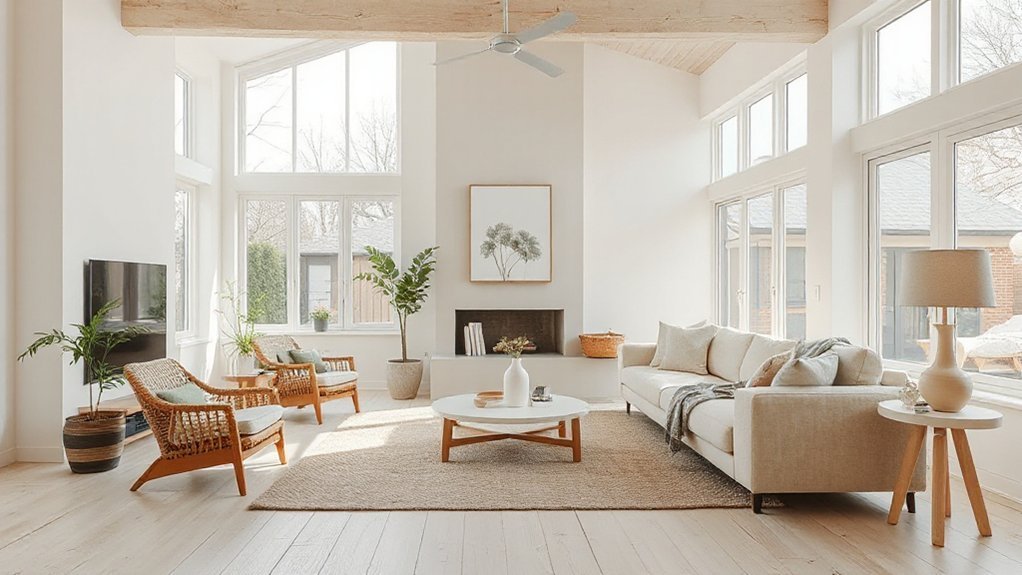
Warm neutrals strike a careful balance between brightness and coziness, ensuring spaces feel open without losing intimacy. You’ll layer light and pigment to keep rooms airy while inviting. Use warm whites and greiges as bases, then add depth with soft taupe and caramel undertones. Keep contrast deliberate to maintain calm, not drama.
- Cozy lighting elevates mood without glare
- Neutral accents anchor furniture and textiles
- Subtle shadow play adds dimension
- Textures reinforce warmth without heaviness
In practice, choose luminance-dense bulbs and dimmers, then pair with linen, wool, and cotton in natural hues. You’ll achieve daylight-like clarity by day and cocooning warmth after sunset.
This approach supports a serene, modern Nordic aesthetic while preserving functional brightness. Avoid oversized patterns that disrupt the palette; favor cohesive, tactile surfaces that amplify warmth.
Function-Driven Layouts for Mindful Living
Functional Flow Principles guide you to prioritize ease of movement and quick access to essentials.
Mindful Space Zoning helps you carve purpose into each area, fostering calm and focus.
With a Purpose-Driven Furniture Layout, you align every piece to daily rituals, reducing clutter and wasted steps.
Functional Flow Principles
Whether you’re designing a space for daily flow or for purposeful rituals, functional flow principles prioritize how you move through a room, not just how it looks. You align sightlines, reach zones, and surface heights to support intentional use, reducing friction and clutter. Focus on clear pathways, ergonomic placements, and adaptable nooks that invite activity without crowding.
Let artistic expressions and cultural influences subtly guide material choices, textures, and color warmth to reinforce rhythm. Maintain consistency in scale, lighting, and furniture spacing to sustain calm momentum throughout the day. Practice modular arrangements that evolve with needs, preserving energy and ease.
- Optimize pathways for uninterrupted circulation
- Place frequently used items within effortless reach
- Design flexible zones for work, rest, and gathering
- Integrate texture and art to cue function and mood
Mindful Space Zoning
Keep circulation intuitive: minimize barriers, maximize sightlines, and reserve corners for quiet work or restorative recharge. Use creative color palettes to cue mood shifts—muted neutrals in living areas, warmer accents near gathering nooks, cooler tones where focus matters.
Favor minimalist art choices that reinforce restraint rather than distraction, letting form support function. Implement modular dividers or partial walls sparingly to preserve openness while maintaining definition.
Your layout should feel deliberate, cohesive, and adaptable to evolving routines.
Purpose-Driven Furniture Layout
When you arrange furniture around the way you live, the layout becomes a tool for focus, connection, and ease. Purpose-driven layouts place function first, guiding traffic, sightlines, and daily rituals with deliberate choice. You’ll balance seating, work zones, and storage so spaces breathe, reduce friction, and invite mindful use.
In a Scandi context, clean lines meet tactile warmth through Vintage accents and subtle Artistic details, ensuring character stays calm, not noisy. Prioritize adaptable configurations that can shift with routines, seasons, and guests. This approach honors efficiency without sacrificing comfort or cohesion, aligning aesthetics with practicality.
- Map zones by activity, not merely room shape
- Limit furniture to essential pieces, then layer with texture
- Position focal points for natural flow and conversation
- Integrate vintage accents and artistic details for depth
Texture as the Secret Sauce: Wood, Linen, and Woven Elements
Texture plays the lead role in Scandi spaces, so you’ll layer wood for depth, soften edges with linen, and point to woven elements for texture contrast.
You’ll feel how wood texture adds warmth through grain direction, how linen creates tactile calm, and how woven pieces balance rigidity with movement.
This trio sets a disciplined, trend-aware foundation you can build on.
Wood Texture Layering
- Focus on texture layering to create contrast between smooth surfaces and tactile grain.
- Pair wood accents with matte whites and cool neutrals for balanced warmth.
- Use varied wood tones in cabinetry, floors, and fixtures to add architectural interest.
- Keep grain direction subtle and consistent to preserve calm, cohesive flow.
This approach anchors spaces with organic warmth while preserving clean lines and restraint. You’ll notice the effect in furniture silhouettes, paneling, and shelving that reveal character without shouting.
Texture layering remains the deliberate, practical method to achieve depth, cohesion, and timeless appeal in modern Scandi interiors.
Linen Softness Impact
Linen softens the sharp edges of wood and color, acting as the tactile counterpoint you use to soften the room without sacrificing clarity. You’ll feel the difference in texture when you introduce linen as a core element.
Focus on textile layering: a strategic mix of large-scale pieces and smaller accents creates depth without visual clutter. Opt for fabric selection that favors natural fibers, breathable weaves, and subtle sheen to keep Nordic calm while adding warmth.
Place linen across seating, throws, and window treatments to establish a cohesive texture rhythm. Maintain contrast through color, not fiber density—soft taupes, dove grays, and warm whites read as intentional rather than decorative.
This approach preserves light, enhances acoustics, and reinforces a curated, timeless aesthetic.
Woven Element Balance
Woven elements do more than fill space; they orchestrate the room’s rhythm by balancing wood and linen with tactile texture. You’ll achieve this by layering woven accents with clean lines, ensuring every piece adds warmth without clutter.
Focus on textile layering that interlocks color, pattern, and scale to preserve calm while delivering depth. Organic textures anchor the palette, letting natural materials breathe and age gracefully.
- Introduce a lightweight jute rug paired with soft linen cushions
- Add a woven throw over a wooden chair for subtle contrast
- Use rattan storage or baskets to keep surfaces uncluttered
- Mix in a textured wall hanging to echo floor and seat materials
Layered Nordic Lighting Across the Home
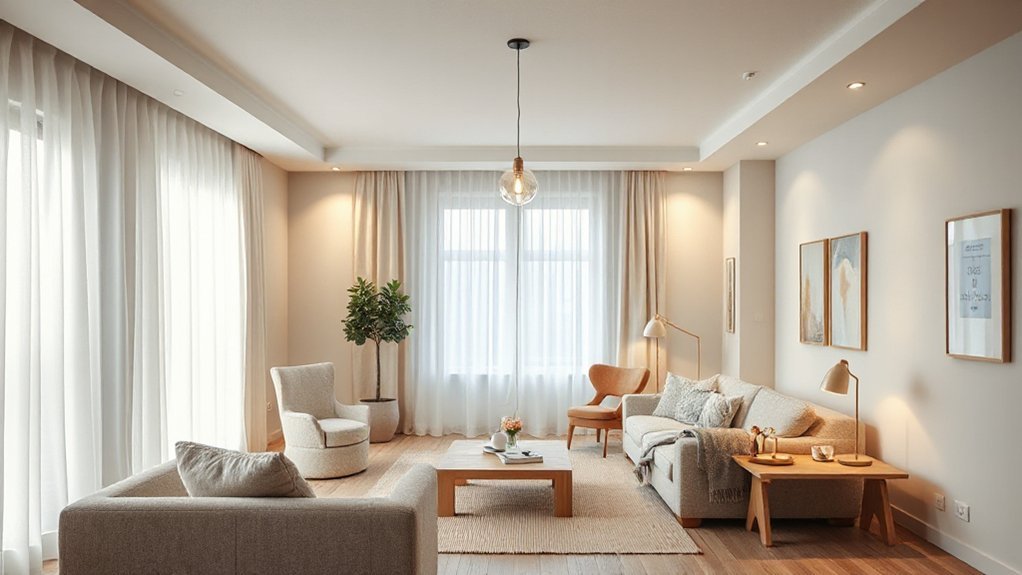
Layered Nordic lighting isn’t a single fixture but a strategy: combine ambient, task, and accent light to sculpt mood, highlight textures, and anchor the space. You’ll design rooms with a clear hierarchy, ensuring soft overall glow, focused work zones, and deliberate focal points.
Use dimmers to modulate intensity as daylight shifts, preserving Nordic illumination’s crisp, natural feel. Choose fixtures with clean lines, matte finishes, and warm dimming, prioritizing efficiency without sacrificing atmosphere.
Layered lighting should follow architectural cues: under-cabinet tasks in kitchens, wall grazing to reveal textiles, and ceiling wash to widen spaces. Avoid clutter by selecting versatile lamps that serve multiple roles.
In every room, let functional lighting reinforce scale, material honesty, and calm, understated elegance. Layered lighting elevates the home without shouting.
Warmth-First Minimalism: Avoid Sterile Looks
Warmth-first minimalism blends clean lines with tactile warmth, ensuring spaces feel welcoming rather than sterile. You maintain restraint without sacrificing character, letting texture and color psychology guide perception. Subtleties from cultural influences inform material choices, so your looks stay rooted and human, not clinical.
- Prioritize warm neutrals and soft accents to foster coziness while preserving clarity.
- Introduce natural materials: wood, woven textiles, and stone that invite touch.
- Use layered lighting to sculpt depth, avoiding flat, clinical surfaces.
- Pair minimalist forms with subtle, expressive accessories that tell a story.
Creating a Cohesive Color Rhythm Throughout the Home
Creating a cohesive color rhythm across a home starts with a deliberate palette strategy that supports warmth and character from the previous topic. You’ll establish a core set of hues that recur in subtle, purposeful ways, anchoring rooms through shared undertones and consistent saturation.
Prioritize color harmony by aligning warm neutrals with curated accents, ensuring progressions feel seamless rather than staged. Implement palette coordination through deliberate repetition: one to two dominant colors per zone, with a restrained accent palette that travels from living to private spaces.
Use tone-on-tone variations and natural materials to keep depth without clutter. Apply these principles in lighting choices and textiles to reinforce continuity, while preserving individuality per room.
The result is a calm, cohesive home that reads as intentional design.
Sustainable Choices in Nordic Design
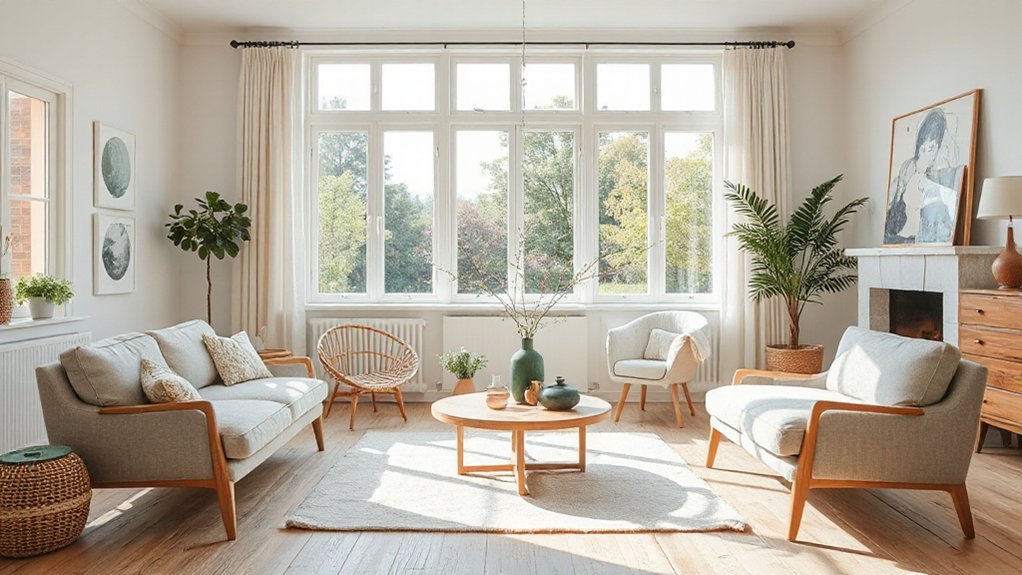
Sustainable choices define Nordic design when every material, process, and product is chosen for longevity, low environmental impact, and timeless appeal. You shape spaces with intent, prioritizing durability, repairability, and minimal waste.
- Eco friendly fabrics that breathe, last, and resist trends
- Renewable materials sourced responsibly and transparently
- Low-toxicity finishes and finishes that age gracefully
- Modular systems that adapt rather than replace
This approach keeps interiors serene and functional, aligning modern aesthetics with stewardship. You leverage daylight, natural textures, and clean lines to reduce energy needs while retaining warmth and tactility.
Invisible Yet Accessible Storage Solutions
Hidden yet handy storage keeps surfaces clean without sacrificing function. Seamless cabinet integrations blend in, so your spaces read uncluttered while staying practical.
Wall-mounted clever solutions offer easy access and flexible positioning, aligning with Scandi minimalism and daily living.
Hidden Yet Handy Storage
If you crave a clean, calm base in a Scandi-inspired space, choose storage that vanishes yet stays within reach. Hidden yet Handy Storage relies on clever placements that feel invisible, not invasive, so surfaces stay serene while you access essentials fast.
Leverage hidden compartments and discreet storage to keep daily clutter out of sight but never out of reach. Subtle pull-outs, under-bed drawers, and slim, toe-kick panels crown your organization without breaking the line.
Use light finishes and matte hardware to maintain cohesion, avoiding visual noise. Plan with intent, so every square inch serves a purpose without shouting.
Your goal: calm, breathable rooms where function hides in plain sight.
- hidden compartments
- discreet storage
- under-bed drawers
- toe-kick panels
Seamless Cabinet Integrations
Precision joinery, flush planes, and recessed pulls create a unified look, while smart organizers maximize every inch. Cabinet integration means shelves, pantries, and pull-out trays disappear into the design, yet remain instantly usable.
Choose light, warm woods and matte finishes to reflect Scandi restraint and daylight. Avoid bulky hardware; favor soft-close mechanisms and hidden tracks for flawless operation.
This approach sustains minimalism without sacrificing function, delivering practical, elegant storage that enhances flow and maintains a serene, cohesive home aesthetic.
Wall-Mounted Clever Solutions
- Concealed pull-out trays for small items
- Rotating panels behind framed art for extra depth
- Magnetic/slotted boards integrated into cabinetry
- Recessed brackets for slim, high-capacity storage
Calm-Setting Entryways to Welcome Home
A calm-setting entryway sets the tone for the whole home, so start with clean lines, soft textures, and a restrained color palette that invites relaxation. You’ll prioritize pared-down silhouettes, natural materials, and deliberate negative space to anchor the cadence of your daily arrivals.
Choose a compact console, a slim mirror, and a durable rug that resists wear while anchoring warmth. Entryway decor should read cohesive, not cluttered—store essentials in discreet, functional vessels that complement the Nordic light.
Introduce seasonal accessories with restraint: a single woven basket, a ceramic vase, and a small plant to refresh without overwhelming. Focus on lighting that stays soft yet sufficient, guiding mood without glare.
This approach supports smooth transitions into the home’s living zones.
Living Rooms for Cozy Gatherings
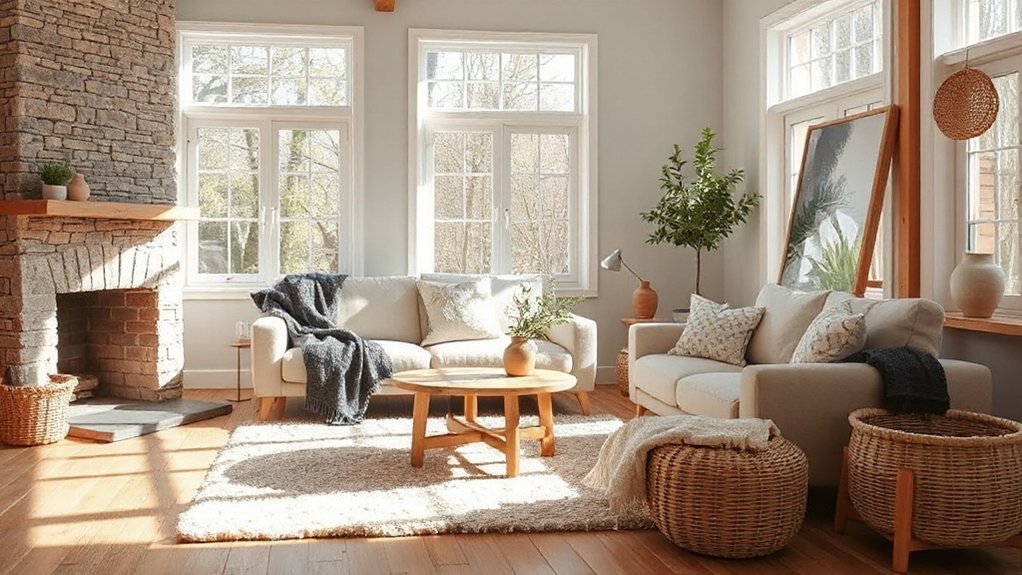
- Artisan textiles anchor seating and throws
- Vintage accents provide narrative without clutter
- Natural fibers enhance acoustics and warmth
- Minimalist storage maintains calm, functional flow
This approach keeps the room intimate, adaptable, and ready for frequent gatherings, while preserving the serene, Scandi aesthetic you began at the threshold.
Quietly Functional Kitchens and Bathrooms
You’ll embrace Quietly Functional Kitchens by prioritizing clean lines, smart storage, and subtle technology that keeps workflows seamless.
Pair minimalist bath essentials with tactile textures and warm finishes to maintain calm, clutter-free spaces.
In this mode, form supports function, ensuring each fixture and detail serves everyday rituals with quiet efficiency.
Quietly Functional Kitchens
- Efficient layouts that reduce steps
- Hidden storage solutions and accessible counter space
- Durable, easy‑care surfaces
- Subtle tech and tasteful art accents
Minimalist Bath Essentials
Prioritize essential storage—wall niches, recessed cabinets, and single‑drawer vanities—to keep countertops clear. Choose bathroom accessories that blend form and function: matte finishes, soft edges, and hidden hardware for a seamless look.
Select shower fixtures with precise flow control and a restrained silhouette to maintain a spa‑like calm. Limit color to natural tones and warm whites, contrasting subtly with texture from stone, wood, or ceramic.
Embrace quality over quantity, and document every swap to sustain a timeless, breathable bath.
Personalize the Scandi Look Without Overloading on DIY
To personalize the Scandi look without tipping into DIY overload, pick a few signature pieces that anchor the space and carry the theme consistently. You’ll gain cohesion with carefully chosen accents that feel deliberate, not cluttered.
Lean on DIY shortcuts only when they truly save time or elevate texture, not when they disrupt balance. Emphasize high‑quality materials, neutral palettes, and calm silhouettes to keep the room serene.
Focus on functional beauty, where every item earns its place and supports the overall mood. Personalized accents should feel curated, not random. Avoid over‑processing surfaces; let natural warmth speak for the space.
- Pick signature furniture with clean lines
- Use natural textures as contrast
- Integrate soft, muted textiles
- Add understated art or greenery for life
Frequently Asked Questions
How to Measure Scandi Impact Across Every Room?
You measure Scandi impact by consistency and evidence: track Nordic lighting quality, Scandinavian furniture usage, and color warmth in every room; compare daylight vs artificial lighting, function, and mood, then quantify improvements with surveys and simple ceiling-lumens tests.
Can Color Repeats Create Visual Harmony Without Sameness?
Color coordination can create harmony without sameness when you balance hues and let pattern repetition echo through accents. You’ll notice rhythm, cohesion, and intentional flow emerge as color repeats anchor spaces and guide your eye.
Which Textiles Best Resist Wear in High-Traffic Areas?
You should choose textiles with high weave density and low pile for durability in high-traffic areas. Durability testing confirms performance, while Fabric longevity indicators guide your selection to resist abrasion, stains, and fading in busy homes.
How to Mix Warm Neutrals With Bolder Accents?
Warm neutrals melt into bolder accents like a sunrise blending colors. You layer textures and use natural materials, balancing contrast with cohesion; keep one bold hue as a focal point while surrounding it with layered textures for depth.
What Budget-Friendly Upgrades Yield Lasting Nordic Feel?
You can achieve lasting Nordic vibes with budget-friendly upgrades: choose sustainable materials and minimalist furniture, prioritize quality over quantity, and opt for timeless silhouettes. Emphasize natural light, simple textures, and functional pieces that age gracefully. You’ll create calm, enduring spaces.
Conclusion
So, you can embrace a Scandi-influenced whole-home makeover without chasing perfection. The theory that “less equals more” holds true here: simplicity sharpens function, and thoughtful contrasts—bright whites with warm woods—heighten calm and usability. Stay trend-aware by prioritizing natural materials, clean lines, and mindful layouts over flashy DIY excess. When every room feels purposeful, you’ll sense the space working for you, not the other way around. Your home becomes a quiet, elegant stage for everyday life.
About the Author