You’ll want a clear picture of where a would-be intruder could gain access, from doors and windows to unseen corners around your block. Start by mapping entry points and blind spots, then outline practical upgrades and routines that fit an urban UK home. You’ll find a path that balances cost, legality, and effectiveness, but the specifics will hinge on your building type and tenancy. Keep going to tailor a secure, steady approach that actually sticks.
Assess Your UK Urban Home’s Security Vulnerabilities
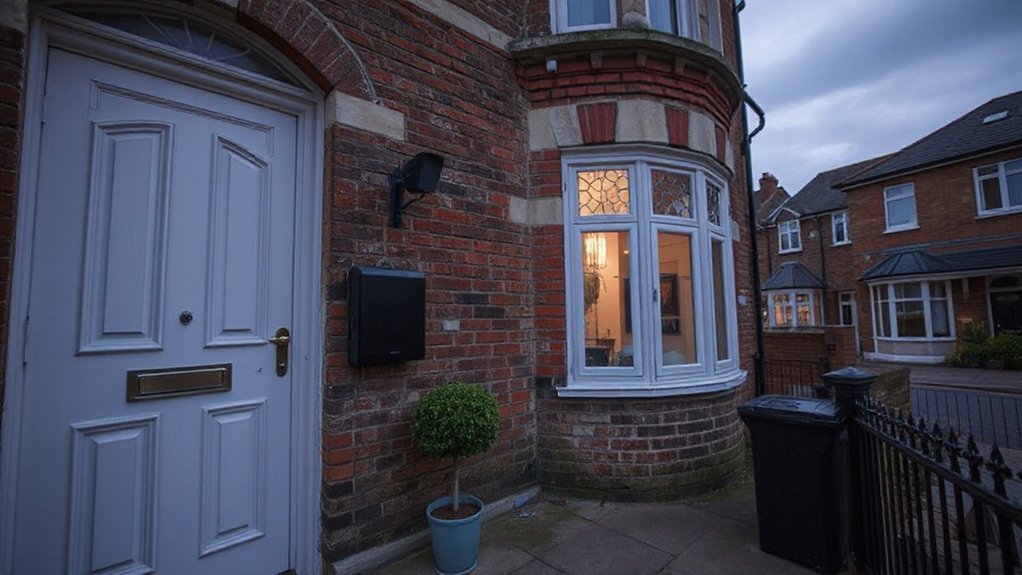
Start by mapping out your home’s weakest points. You’ll methodically inspect entry doors, windows, and any ground-floor access, noting latch types, hinge security, and gap sizes.
Walk through each room to identify blind spots, lighting gaps, and overlooked surveillance angles.
Assess external risks—garages, sheds, and boundary walls—to determine fence height, gate strength, and potential crawl routes.
Prioritize vulnerabilities by likelihood and impact, documenting concrete observations rather than impressions.
Consider how your layout affects natural patrols and sightlines, and test alarm responsiveness from different areas.
Plan for security system integration where existing devices can share data and alerts, reducing blind spots.
Pair this with emergency preparedness: ensure everyone knows protocols, assembly points, and how to respond if a breach occurs.
Budget Upgrades for UK Urban Doors and Windows
Budget-friendly upgrades for UK urban doors and windows can deliver meaningful security gains without breaking the bank. You’ll start with a practical assessment: identify weak points, prioritize changes, and allocate funds accordingly.
Install high-quality window locks on all ground-floor and accessible upper-floor sashes, and guarantee they meet PAS 24 or Sold Secure standards where possible.
Add laminated or reinforced glazing if feasible, or retrofit secondary glazing for vulnerable panes.
Fit sturdy, maintainable door hardware, including strike plates and longer screws that reach studs.
Improve visibility and deterrence with clear security signage placed near entry points.
Keep doors and frames properly aligned, lubricate hinges, and replace rusty hardware.
Document warranties and maintain regular checks to sustain protection over time.
Smart Deterrents and Monitoring for City Living
Smart deterrents and monitoring build on the upgrades you’ve already made to doors and windows, adding real-time awareness and rapid response. You’ll deploy smart sensors that detect unusual movement, door or window tampering, and environmental changes, then push alerts to your phone or home hub.
Position cameras to cover entry points, using motion-triggered recording and secure, encrypted feeds. Link devices to a centralized system for coordinated alerts and automatic lockdowns if needed.
Prioritize clear, time-stamped notifications and a defined escalation path—your Neighborhood watch contacts, security supplier, and local precinct. Test responses monthly, ensuring battery life and Wi‑Fi reliability.
Maintain privacy by configuring camera angles and retention policies. This approach reinforces deterrence while enabling swift, controlled action in city living.
Daily Habits and Neighborhood Vigilance
Daily habits and neighborhood vigilance hinges on consistent, proactive routines. You keep security front and centre by embedding simple, repeatable actions into daily life.
Start with personal routines: lock doors and windows on entry and exit, confirm alarms are armed, and secure keys in a designated spot.
Practice routine checks of exterior lights and motion sensors at dusk, noting any irregular activity.
Participate in Community watch by sharing suspicious behavior promptly and recording details succinctly.
Maintain visible, low‑friction practices that deter opportunists, such as keeping entryways clear and doors reinforced.
You’ll benefit from predictable patterns that reduce gaps in protection, and you’ll feel more capable when neighbours collaborate.
When everyone commits, vigilance strengthens, and risks diminish across the street.
Renters vs Homeowners: Maintenance, Rights, and Practical Tips
Whether you rent or own, maintenance loops and rights shape how you protect a home in the city; understanding the differences helps you act quickly and avoid disputes. You’ll map responsibilities clearly: tenants handle day-to-day upkeep, safety checks, and reporting faults promptly; landlords or managing agents cover structural fixes and major systems.
When questions arise, consult your tenancy agreement and local legal protections to confirm who bears costs and timelines. For renters, document requests in writing and keep receipts for repairs to support claims. For owners, schedule inspections, service alarms, and keep records of maintenance.
Communicate promptly, set expectations, and follow statutory notice periods. Knowing tenant responsibilities and legal protections reduces friction, supports compliance, and strengthens security by ensuring essential fixes occur without delay.
Frequently Asked Questions
How Do I Assess Local Crime Trends Affecting My Home?
You assess local crime trends by checking official crime statistics for your area, then join your Neighborhood Watch, attend meetings, and compare trends over time; track types of incidents and adapt security steps accordingly.
What Grants or Discounts Exist for Security Upgrades in the UK?
On the ball, you’ll find grants and discounts through the UK government, local councils, and energy suppliers. Look into home automation subsidies and neighborhood watch programs, then document costs, eligibility, and application steps to maximize your savings.
Are There Legal Restrictions on Filming in Shared Spaces?
Yes, you must obtain filming permissions for shared spaces and follow shared space regulations; check lease, building management, and local laws to avoid breaches, and document consent, boundaries, and times to film legally and practically.
How Can I Secure Bikes and External Sheds Effectively?
Invest in sturdy bike locks and robust shed hardware, then install layered security. Use tamper-resistant anchors, consider shed alarms, motion lights, and camera coverage. Secure bikes inside, label serials, routinely inspect locks, batteries, and door seals. Regularly update protections.
What Insurance Implications Come With Security Device Installations?
Like a steadfast shield, your devices trigger fewer insurance claims as you install them; you’ll see policy discounts and smoother processing when you report upgrades. You assess options, document improvements, and maintain compliance to protect your premiums.
Conclusion
You’ve mapped vulnerabilities, upgraded doors and windows, and added smart deterrents, but security isn’t a one-off fix. Stay vigilant: lock up every night, keep lights on a schedule, and review sensor alerts promptly. Regular maintenance avoids false alarms and gaps in protection. Build a simple routine with neighbors—“a stitch in time saves nine”—and document lease duties or ownership responsibilities. With disciplined habits and smart monitoring, you’ll deter threats and protect your urban home.
About the Author