Like a quiet hinge between eras, your plan to modernise a flat in Edinburgh’s historic buildings must balance care with progress. You’ll secure heritage permits, work with conservation-minded trades, and choose reversible, minimally invasive upgrades that preserve character. Focus on discreet insulation, high-performance windows, and smart controls, all while sourcing period-accurate hardware and finishes. Keep provenance documentation handy to support long-term preservation, and you’ll uncover a path that respects history while boosting comfort—and the next step awaits.
Plan Heritage Permits, Timelines, and Guidance
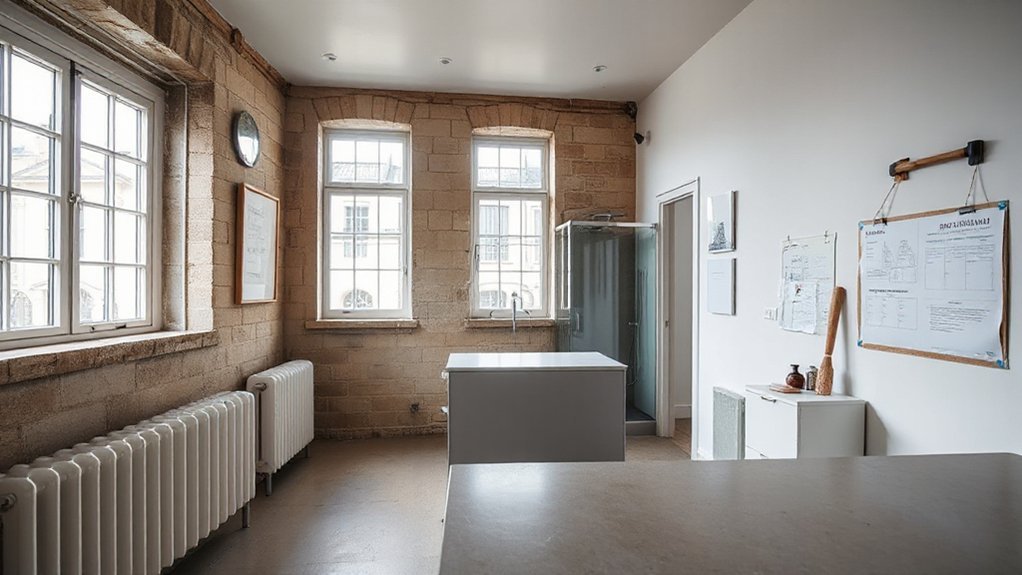
Planning and heritage permissions in Edinburgh require a clear, stepwise approach: identify which permits apply, map the approval timelines, and align with guidance from Historic Environment Scotland and your local council. You assess Heritage compliance early to prevent later delays, pairing statutory requirements with practical design intent.
Your planning procedures begin with a precise scope of works, then catalog applicable consents—listed building, planning, and any conservation area notifications. Timelines are mapped against project milestones to avoid clashes with archaeological or environmental reviews.
You engage stakeholders transparently, documenting decisions to maintain a clear audit trail. This approach prioritizes sustainability, minimizing repetitive permissions and rework.
You prioritize contextual fit, ensuring modern upgrades respect fabric, rhythms, and the historic cityscape while preserving long-term built heritage value.
Non-Invasive Upgrades to Boost Comfort
Non-invasive upgrades focus on enhancing comfort without altering the building’s fabric or triggering major approvals. You can improve livability by prioritising controllable climate zones, smart scheduling, and low-disturbance fixtures that respect heritage constraints.
Start with a calibrated lighting plan and pocket-friendly sensors to minimize energy waste while preserving ambiance, using dimmable LEDs and daylight-linked controls.
For energy efficiency, target heat loss reduction through upgrading seals, draft-proofing, and efficient curtain fabrics without major renovations.
Integrate a discreet smart home hub that coordinates thermostat, blinds, and lighting to adapt to occupancy patterns while preserving room proportions and historic character.
Choose portable, reversible solutions over permanent changes, document performance, and monitor long‑term effects on comfort, humidity, and air quality.
This approach balances modern convenience with conservation priorities.
Windows, Acoustics, and Thermal Fixes
Could you improve comfort and energy performance in a historic Edinburgh flat by addressing windows, acoustics, and thermal leakage? You’ll evaluate existing assemblies, prioritising breathable, thermally performing elements that respect historic fabric.
Opt for double glazed windows where feasible, balancing sightlines, reduced condensation, and protective glazing with slim frames to minimize impact on historic character.
Enhance acoustic insulation by sealing gaps, treating shared walls, and selecting dense, compliant materials that don’t stifle ventilation.
Address thermal bridges at mullions, lintels, and shelves with tailored insulation strategies and reflective barriers where appropriate.
Integrate lightweight, breathable internal seals to maintain humidity control.
Use calibrated, non-invasive fixes that preserve fabric while achieving measurable gains in comfort and energy efficiency.
Document changes for future conservation reviews.
Interior Refreshes With Period-Accurate Touches
You can start by selecting a period-accurate palette that respects Edinburgh’s historic context while prioritising low-impact, sustainable materials.
Pair authentic hardware details with timber finish harmonies to create cohesive, quiet-regime edges that read as authentic yet modern in use and maintenance.
This approach keeps circulation, lighting, and acoustics aligned with sensitivity to the building’s fabric and long-term viability.
Period-Accurate Palette Choices
When selecting a period-accurate palette for a flat in Edinburgh’s historic buildings, start by identifying the era you’re echoing and the building’s materials, so you can harmonize wall tones, wood finishes, and textiles without overpowering original details.
You’ll balance restraint with texture, prioritising sustainable paints and low-VOC options to safeguard interiors and occupants.
Ground your choices in Historic color schemes that reflect authenticity yet adapt to modern living, avoiding theatrical contrasts that clash with carved plaster or timber.
Verify paint authenticity by testing historical tones on small panels, consulting period documentation, and documenting aging patinas.
Favor breathable finishes and lime-based plasters where appropriate, to support moisture management, longevity, and a lighter environmental footprint.
Authentic Hardware Details
Authentic hardware details elevate a period-accurate refresh without compromising modern usability. You’ll prioritise provenance and function, selecting pieces that respect Edinburgh’s historic silhouette while delivering reliable performance.
Focus on period authenticity in form, finish, and mounting methods, preferring solid brass or bronze hardware with tasteful patina over cheap reproductions. Consider hinge geometry, latch mechanisms, and strike plates that mirror original builders’ intent, but install with modern fasteners and regulatory safety standards.
Document reuse where possible to boost sustainability, and source vintage hardware with traceable lineage to avoid counterfeits. Plan for maintenance accessibility, ensuring screws, springs, and springs’ pivots are serviceable.
This approach reduces embodied energy, supports skilled trades, and delivers a coherent, timeless look that enhances architectural integrity. Vintage hardware complements contemporary comfort without sacrificing character.
Timber Finish Harmonies
Timber finishes set the tonal framework for an Edinburgh interior refresh, balancing historic restraint with modern durability. You’ll align wood choices with period cues while prioritising sustainable sources and low-emission products.
Begin by selecting finishes that celebrate natural durability: low-VOC oils or water-based polyurethanes that preserve warmth without masking grain. Wood grain should read as authentic texture, so apply gentle stain depth that respects the character of historic timbers while facilitating future refinishing.
Consider finish sheen to modulate light—matte or satin reduces glare in narrow halls and enhances architectural details. Guarantee consistency across joinery, flooring, and hidden substrates to avoid mismatched reflections.
Document maintenance regimes that extend life cycles, and favour locally sourced timber to reduce embodied carbon. Your refined palette supports timeless elegance and responsible stewardship.
Working With Conservation-Minded Trades
Working with conservation-minded trades means you’ll coordinate specialists who understand Edinburgh’s listed-building constraints and prioritize reversibility, minimal intervention, and appropriate materials. You’ll align project goals with Historical preservation principles, ensuring any alteration respects structural and cultural context while enabling practical Modern design outcomes.
Engage engineers, surveyors, and craftsmen who articulate risk, load paths, and compliance without sacrificing aesthetic intent. Establish clear briefings on material compatibility, reversibility, and ventilation, documenting decisions for future maintenance.
Prioritize low-impact methods, reuse where feasible, and source compatible finishes that age gracefully. Schedule phased inspections to verify alignment with conservation guidance, avoiding irreversible changes.
Maintain transparent communication with stakeholders, framing decisions around longevity, resilience, and environmental performance. This disciplined collaboration supports responsible renovation and enduring value for Edinburgh’s historic flats.
Sourcing Authentic Period Fixtures
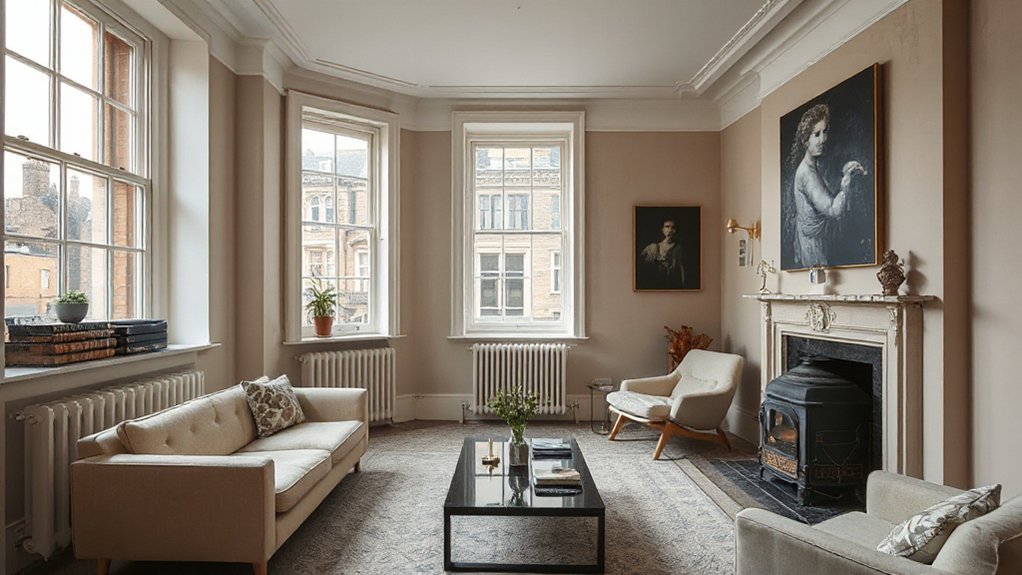
When sourcing authentic period fixtures, you’ll balance historical accuracy with material longevity and embodied carbon. Consider provenance, condition, and repairability to minimise waste while preserving Edinburgh’s architectural language.
Prioritise repairable, reclaimed, or certified sustainable options to maintain authenticity without compromising future resilience.
Authentic Period Fixtures
Authentic period fixtures are essential for preserving Edinburgh’s architectural integrity while delivering functional modern living. You approach sourcing with precision, evaluating material compatibility, finish, and provenance to minimize embodied impacts.
Prioritize items that mirror original craftsmanship—hammered brass, cast iron, timber joinery, and period glass—yet satisfy contemporary safety and efficiency standards. Document historical restoration considerations, ensuring fixtures align with conservation guidelines and building regulations.
Opt for reproductions that respect scale, motifs, and patination, rather than wholesale replacements that erode cultural preservation. Where authentic pieces aren’t feasible, choose carefully researched modern equivalents that echo historic performance without visual discord.
Inspect joinery details, hardware fit, and installation tolerances to avoid intrusive alterations. Maintain consistency across rooms to sustain a coherent narrative of Edinburgh’s built heritage.
Sourcing Vintage Details
Sourcing vintage details demands a disciplined, provenance-first approach that balances historic fidelity with modern performance. You assess authenticity, condition, and reuse potential, prioritising items with clear provenance and minimal restoration needs.
You evaluate structural compatibility, ensuring fixtures won’t compromise acoustics, heating, or safety standards. You seek Vintage furniture that’s structurally sound, with operational finishes, and free from harmful treatments, reclaiming value while reducing waste.
You compare costs, maintenance, and carbon footprints, favouring locally sourced pieces to cut transport emissions. You consider Decorative moldings for reproducibility versus genuine relics, selecting options that harmonise with Edinburgh’s architectural language.
You document provenance for future stewardship, storing data for maintenance cycles. You verify warranties, supplier ethics, and returns, ensuring durability>disposal and long-term performance within a sustainable refurbishment strategy.
Frequently Asked Questions
How to Balance Modern Plumbing With Historic Fabric in Edinburgh Flats?
You balance modern plumbing with historic fabric by prioritising reversible, retrofittable updates, using hidden or surface-mounted runs, and selecting compatible materials. Employ vintage fixtures with modern aesthetics, ensuring sustainability, technical sensitivity, and contextual thinking throughout the project.
Are There Hidden Costs When Upgrading Listed Interiors in Conservation Areas?
Yes—about 60% of listed interiors involve hidden costs you’ll want to plan for, including permits and expert assessments. You’ll safeguard Historic preservation and Interior authenticity while prioritizing sustainability, minimizing risk, and aligning updates with conservation guidelines.
Can Smart Home Tech Be Compatible With Period-Accurate Interiors?
Yes, smart home tech can be compatible with period interiors, you just size it right and hide wires. Use Vintage lighting, Antique furnishings thoughtfully, prioritise low-energy devices, and preserve character while maintaining sustainable, context-aware functionality.
What Are the Most Effective Soundproofing Options for Old Stairwells?
Noise reduction options for old stairwells include dense mineral wool and mass-loaded vinyl on walls, plus door sweeps; install acoustic insulation to limit impact noise. You’ll achieve quieter circulation, with sustainability and technical sensitivity guiding material choices. Consider a decoupled ceiling.
How to Finance Renovations Without Compromising Listed-Building Protections?
You can finance renovations by leveraging grants and loans for historic preservation, while prioritizing Modern aesthetics; assess sustainability impacts, preserve authentic features, and choose compliant materials, ensuring budgets align with protections and practicalities of Scotland’s listed-building regulations.
Conclusion
You stand at the hinge between past and future, like a careful locksmith in a centuries-old door. Your plan turns the turning of a key into a quiet, reversible breath—insulation tucked behind original plaster, windows that listen rather than shout, materials that echo with provenance, not vanity. Each choice preserves the building’s memory while inviting today’s comfort. Sustainably, transparently, you write a future that respects Edinburgh’s walls and your own sense of place.
About the Author