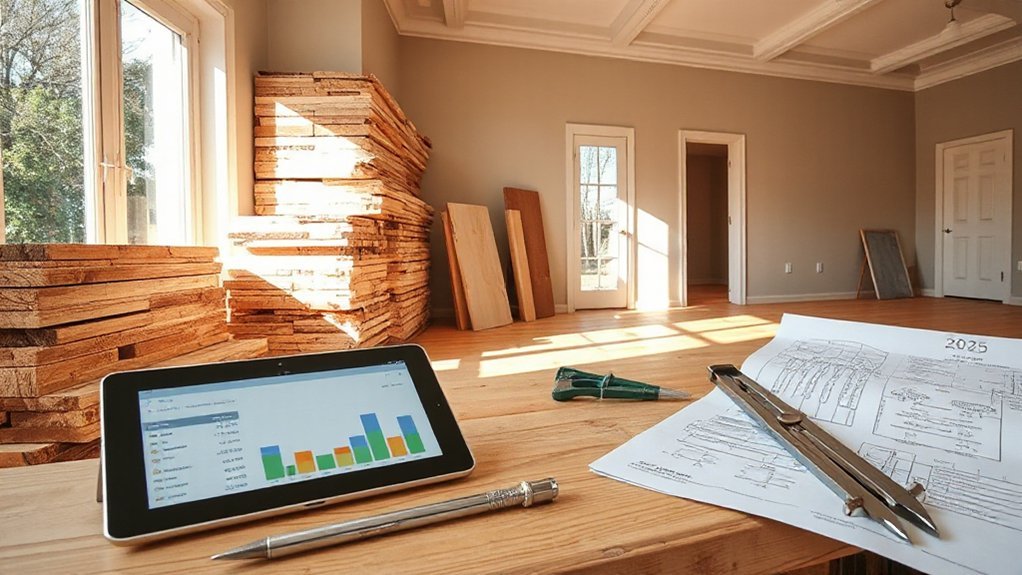
Renovating your home for 2025 could single-handedly redefine your finances—if you don’t plan carefully. You’ll want a clear, flexible budget with durable, cost-effective materials and a prioritization that favors long-term value. Set smart timing, lock in reliable contractors, and track every dollar against your plan. Don’t commit until you’ve mapped costs, risks, and trade-offs. The key steps are straightforward, but the timing and choices you make now will shape outcomes—so what comes next should be worth examining.
Pin Down Your 2025 Renovation Budget and Goals

To start, define a clear 2025 renovation budget and specific goals. You’ll map a practical ceiling and align your aims with your values, so your home feels like belonging, not burden.
Start with a baseline number for total spend, then break it into categories: design inspiration, material selection, labor, and contingencies. Document measurable targets—square footage changes, project phases, and completion timelines—so progress stays visible.
Prioritize items that deliver the most value per dollar, and flag nonnegotiables versus nice-to-haves. Track expected vs. actual costs in a simple spreadsheet, updating monthly.
Maintain flexibility to swap materials or reuse existing assets when possible. This disciplined approach keeps you centered, informed, and confident as you transform spaces while preserving budget integrity.
Prioritize Projects by Impact and Total Cost
When you’re prioritizing projects, start by mapping each item’s impact on daily living alongside its total cost. This framework guides project prioritization, clarifying where urgency and value align.
Conduct a concise impact assessment to gauge how long you’ll endure disruption, how safety, comfort, and resale value shift, and how each dollar drives outcomes.
Rank items by a composite score: high daily benefit per dollar spent signals top priority; items with modest impact or long payback move down the list.
Use your budget as a constraint, not a trap—reallocate funds from lower-impact tasks to sequence-critical improvements.
Communicate decisions transparently with household members to reinforce belonging and shared purpose.
Regularly re‑evaluate as prices shift, ensuring every choice advances long-term cost efficiency.
Choose Durable, Cost-Effective Materials That Meet Standards
Durable, cost-effective materials that meet standards should be your baseline for every renovation choice. You assess longevity, maintenance, and lifecycle costs before you select, ensuring every dollar earns value.
Prioritize standard-compliant products that balance performance with price, then compare total ownership costs rather than just upfront price.
Seek eco-friendly options that don’t force compromises on safety or durability. Favor materials with durable finishes, easy repairability, and widely available replacements to avoid premiums from specialty suppliers.
Leverage innovative materials when they prove proven, tested, and cost-efficient in real-world use.
Document warranty terms, QA certifications, and installation requirements to prevent hidden expenses.
Build supplier relationships to access bulk pricing and warranties, reinforcing a sense of belonging to a value-conscious, standards-driven community.
Schedule Smart: Timing Strategies for Maximum Deals
Smart timing can dramatically cut renovation costs, so start by mapping project phases and anticipating price cycles. You’ll gain leverage by aligning purchases with predictable swings, not gut urgency.
Begin with a clear calendar: order bulk items before demand spikes, and schedule tasks around supplier restarts and inventory refreshes. Track market signals that signal seasonal discounts and promotions, then time purchases to capitalize on those windows.
Off peak timing matters: you’ll pay less for materials, freight, and disposal when demand softens. Build a project timeline that phases in dependencies, allowing price dips to coincide with key progressions.
Maintain budget buffers for late-stage changes, and renegotiate terms when prices ease. This disciplined rhythm creates belonging through shared, informed decisions and predictable, controlled spending.
Cut Labor Costs With Clear Plans and Trusted Contractor Relationships
Clear plans reduce rework and guide bid comparisons, directly impacting labor costs.
Build trusted contractor relationships to lock in reliable timelines and predictable pricing.
With steady savings from efficient coordination, you can keep renovations on budget while maintaining quality.
Clear Plans, Lower Costs
A clear plan is essential to cut labor costs in home renovations, because it reduces changes, delays, and miscommunications that drive up hourly rates. You’ll align scope, timelines, and budgets through precise drawings, phased milestones, and decision logs. With a documented plan, you minimize rework and guarantee trades coordinate smoothly, saving hours and avoiding overtime.
Emphasize Design innovations to streamline workflows—prioritize adaptable layouts and off-site prefabrication when possible. Conduct Material comparisons early to select cost-effective, durable options, and lock in pricing before orders.
Build a collaborative rhythm with your contractor, establishing transparent expectations and change-order processes. A disciplined approach fosters belonging, as you share progress updates, celebrate milestones, and trust the plan to deliver predictable costs and quality.
Trusted Partners, Steady Savings
Trusted partners simplify budgeting by aligning schedules, rates, and scope from the outset. You gain clarity on labor costs, delivery timelines, and change-order processes, reducing surprises that inflate the bill.
By choosing trusted partners, you create a reliable network that communicates transparently, documents expectations, and avoids opportunistic add-ons. This collaboration accelerates decision-making, preserves quality, and keeps your project within scope.
You’ll benefit from standardized contracts, clear milestones, and defined warranties, which translate to steadier cash flow and predictable savings.
Build relationships with licensed trades, vetted suppliers, and experienced project managers who value accountability as much as you do. The payoff is steady savings over time, plus a sense of belonging to a professional, value-driven team that respects your budget and goals.
Track Progress, Reassess Savings, and Adjust Your Plan
Track your budget milestones against your project timeline, and flag any gaps early.
Reassess savings regularly to confirm you’re on track and identify where adjustments matter most.
If you see drift, adjust the plan now to protect scope, cost, and quality.
Track Budget Milestones
To keep a renovation on track, set clear budget milestones and measure progress against them, so you can spot overruns early. Track budget milestones by mapping phases to costs, with concrete date targets and contingency buffers. You’ll monitor actuals against forecast weekly, flagging variances before they compound.
Revisit assumptions behind material selection and contractor negotiation to assure unit prices remain realistic and aligned with market trends. Maintain a centralized ledger so every team member sees current totals and remaining allowances.
When milestones slip, adjust your plan promptly—reallocate funds from underused line items or trim nonessential features. This disciplined cadence reinforces belonging: you’re part of a careful, collaborative effort that respects constraints while pursuing quality, clarity, and predictable outcomes.
Your project stays purposeful, affordable, and on course.
Reassess Savings Regularly
Regularly reassessing savings keeps a project affordable and on track. You’ll track progress against milestones, then compare actuals to your forecasts to identify gaps early. When costs shift or you hit a delay, adjust your plan with disciplined, objective choices rather than reactive swings.
Build in emergency funds and financial buffers so you can absorb surprises without scrapping essential components. Reassess savings after each major phase, evaluating material costs, labor rates, and permit fees that may fluctuate.
Prioritize value over velocity: confirm what truly elevates durability and comfort, and defer optional upgrades if savings targets tighten. Document decisions, outcomes, and revised timelines so your team shares a common frame of reference, fostering belonging through transparent, accountable budgeting.
Frequently Asked Questions
How Can I Estimate Soft Costs Beyond Materials and Labor?
You estimate soft costs by scrutinizing design planning and material sourcing, then forecast permits, inspections, contingencies, insurance, and project management. You track timelines, align stakeholders, and build in buffers, ensuring shared budgeting helps everyone feel a sense of belonging.
What Incentives or Rebates Apply to 2025 Renovations?
Tax credits and energy rebates apply to 2025 renovations, offering you financial leverage. You chart a budget path like a captain, weighing options, aligning with shared goals, and investing wisely to belong in a greener, cost-conscious community.
How Do I Floor-Plan Without Triggering Permit Delays?
You’ll design efficiently by mapping floor plans that respect zoning restrictions and minimize changes, avoiding delays. Analyze space needs, budget constraints, and workflow, then iterate. Prioritize compliance, document thoroughly, and foster belonging through transparent, collaborative planning.
Which Funding Options Minimize Interest During Renovations?
Financing options that minimize interest include personal lines of credit and home equity loans. You should compare terms, fees, and promo rates, projecting cash flow to maximize interest minimization. Belonging comes from transparent budgeting, shared decisions, and disciplined repayment.
How Can I Renegotiate With Contractors Mid-Project?
Cut the drama, renegotiate calmly: pause, assess, and open Contractor communication with clear expectations. You’ll document scope changes, justify Budget adjustments, request revised milestones, and confirm mutual sign-offs—keeping trust, transparency, and accountability central throughout the mid-project talk.
Conclusion
You’ve laid out a clear, budget-conscious plan that emphasizes durable choices, smart timing, and reliable contractor partnerships. By tracking progress against your goals and reassessing savings, you’ll stay flexible as costs shift. Prioritize essential upgrades and cut nonessentials to maximize value. Think of your budget as a sturdy framework: like a house that stands firm when storms come, your plan holds strong only if you constantly monitor, adjust, and stay aligned with costs and outcomes.
About the Author