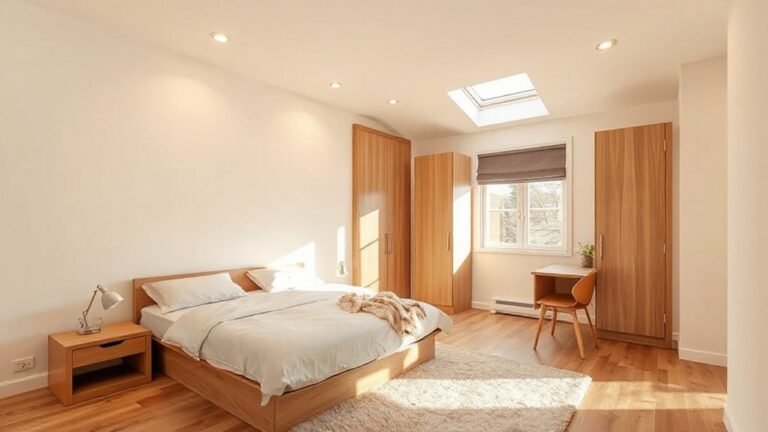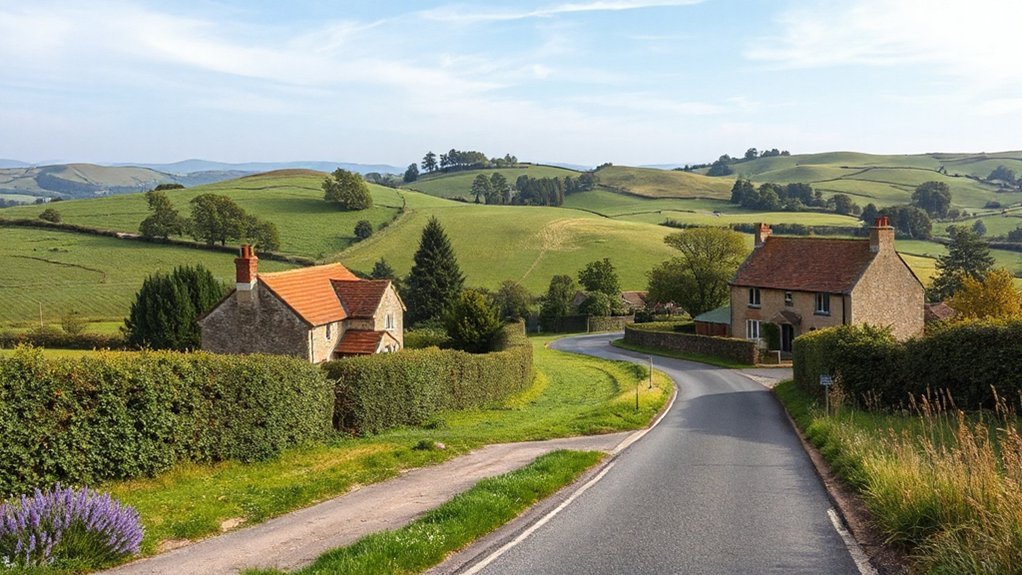
Imagine you shaping a room that breathes with soft greens and misty greys, where mossy textures meet linen and weathered wood. You’ll balance calm neutrals with quiet accents drawn from cottages and fens, layering depth with light rather than loud color. As you map each space, you’ll feel the countryside’s calm guiding your choices, inviting a restrained, timeless charm—and you’ll sense there’s more to uncover just beyond the next shade. Let’s explore what that could become.
What the British Countryside Palette Really Means for Your Home
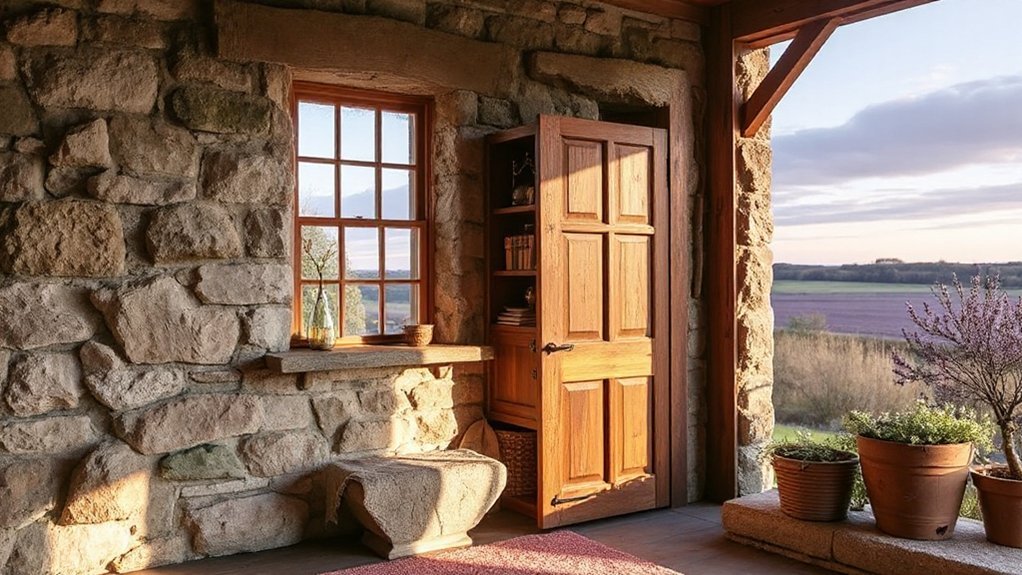
The British countryside palette isn’t just about colors; it’s a language you can speak in your home. You translate wet stone, hedgerow greens, and burnished wheat into rooms that feel like weather, time, and craft aligned. You’ll notice how airy light warms brick, how muted shadows reveal texture, how soft leathers and linens echo old barns. When you design, you’re assembling a conversation—tone, scale, and rhythm—so every surface speaks truth. You choose Vintage farmhouse hues to anchor warmth, then layer with Rain kissed meadows accents that brighten without shouting. Your goal isn’t trendiness; it’s resilience, a living palette that ages with you. Collaboratively, you map spaces, invite memory, and let the landscape guide thoughtful, purposeful interiors.
Core Foundations: Soft Greens and Misty Greys
Soft greens and misty greys form the quiet backbone of any room, guiding both mood and scale with practiced restraint. You’ll implement a calm skeleton that lets natural light breathe and architectural lines speak. Visualize a foundation where soft greens ground furniture and rugs, while misty greys temper brighter accents, preserving balance across spaces. This duo supports both serenity and clarity, enabling you to layer texture and form without shouting. Integrate Wildflower patterns as understated nods to countryside life, keeping them restrained to avoids clutter. Bring in Rustic textures—weathered wood, flax, and stone—so tactility reinforces the palette rather than competing with it. With disciplined restraint, collaboration between color, texture, and proportion yields a coherent, adaptable environment.
Warm and Cool Pairings: Stone Yellows With Lavender Skies
Stone yellows warm the scene while lavender skies calm the gaze, inviting you to explore how contrast and harmony interact. You’ll test balance by pairing bold warmth with cool softness, aiming for a cohesive mood across spaces, fabrics, and visuals. Together, we’ll map practical palettes that feel intentional, fresh, and endlessly adaptable.
Stone Yellow Tones
Curious how stone yellow tones can redefine your palette when paired with lavender skies? You’ll notice the warmth anchors cool horizons, creating a balanced field for ideas to flourish. In practice, use stone yellows as a unifying base, then layer lavender accents to carve thoughtful contrast. This approach invites collaboration: you test tones side by side, adjusting saturation until the mood feels both rustic and refined. Rustic charm emerges when textures—linen, plaster, weathered wood—echo the stone’s muted glow without overpowering it. For pattern decisions, lean into Floral patterns sparingly, allowing negative space to breathe between motifs. The result is a cohesive, forward-looking scheme that remains faithful to countryside sensibilities while embracing contemporary clarity and purposeful contrast.
Lavender Sky Pairings
How might stone yellows and lavender skies collaborate to shape a room’s mood, instantly balancing warmth with whimsy? You pair sunlit yellows with cool lavender tones to craft a scene that feels both grounded and expansive. Start with a warm base of stone yellow on walls, then introduce lavender in textiles and accents to evoke a twilight calm. The palette encourages daylight brightness while inviting evening softness, like a Sunset over meadows sliding into dusk. Use Rustic barn reds as a restrained anchor for depth, preventing over-sweetness. Consider lighting that shifts with the day, enhancing the lavender’s prismatic glow. Together, you’ll design spaces that feel collaborative, precise, and visionary, guiding occupants to breathe easier and linger longer in thoughtfully composed harmony.
Hedge-Ledge Neutrals: Whites, Beiges, and Sand Tones in Balance
Are you ready to balance light and calm in your landscape with Hedge-Ledge neutrals—whites, beiges, and sand tones—woven into a single, harmonious palette? You’ll tune their relationships to create spacious air, where whites reflect, beiges soften, and sand tones ground. Visualize textures that read as fabric and stone: smooth plasters, linen surfaces, sun-warmed timber, and subtle textures that invite touch without shouting. Use a controlled rhythm: primary whites as anchors, mid-tone beiges for warmth, and occasional sand accents to extend distance. In practice, test swatches side by side at dawn and dusk to confirm harmony, not contrast. Collaborate with nature’s light, letting your Hedge ledge neutrals breathe alongside surrounding greens. The result feels calm, cohesive, and deliberately modern.
Accent Colors Drawn From Cottages and Fens: Where to Use Them
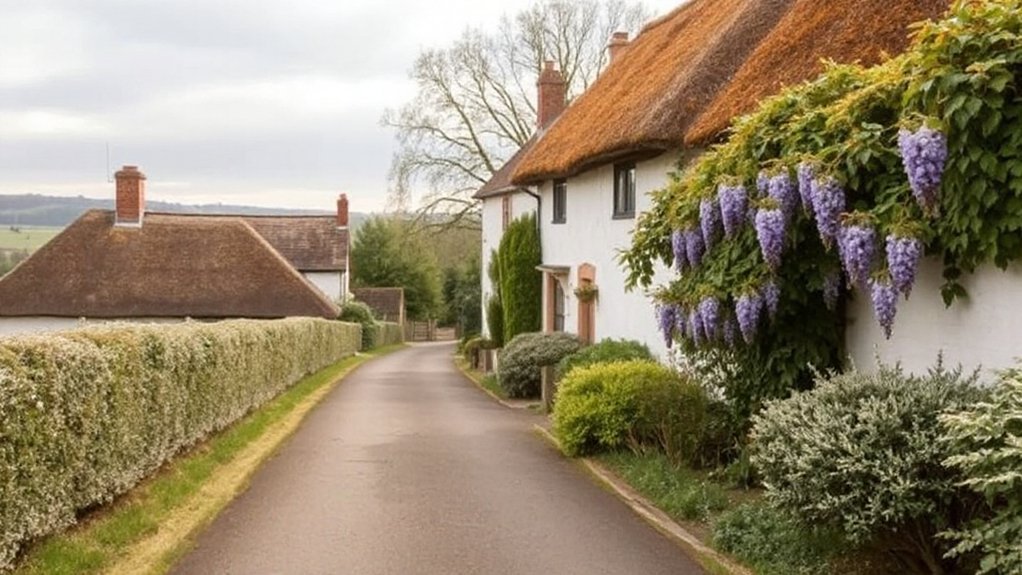
You’ll start by pairing cottage-hue inspirations with quiet fen accents, creating focal points that feel both homey and fresh. Consider where natural light, timber, and woven textures meet color whispers to guide placement, from doorways to feature walls. Together, we’ll map crisp, collaborative steps for using these tones to shape mood, flow, and subtle contrast.
Cottage-Hue Inspirations
Cottage-hue inspiration offers a quiet, confident path for accent colors, drawing from the soft greens of mossy cottages and the pale, misty blues of fenland mornings. You’ll learn to lift these tones into focal points without overwhelming rooms, pairing mossy greens with crisp whites for fresh, legible spaces. Use pale fen blues on doors, trim, or upholstery to invite airiness, then anchor with muted stone or charcoal accents for depth. Visualize vintage floral patterns as gentle references rather than dominant statements, letting them recur in textiles, wallpaper, or cushions. Consider rustic furniture finishes to ground the palette: matte oak, weathered pine, and rubbed waxes create tactile warmth. Share your experiments, refine collaboratively, and keep the mood calm, purposeful, and inherently Cotswold-inspired.
Fens-Influenced Accents
From the mossy greens and pale fen blues of cottage palettes, we pull accents that feel rooted in place yet glow like light drifting through reed beds. You’ll use Fens inspired textiles to weave texture through rooms, letting soft moss tones meet clay and sand for balance. Marshland color accents appear as quiet punctuation—cabinet hardware, lampshades, cushions—that remind you of slow marsh tides. Place them where natural light climbs, near whitewashed walls or timber frames, so they breathe without shouting. Think in layers: a primary hue anchored by a fen-inspired textile, then a few marshland pops for focus. This approach keeps interiors collaborative, precise, and forward-looking, inviting conversation about place, memory, and sustainable materials that endure.
How to Apply the Palette at Home: Step-by-Step
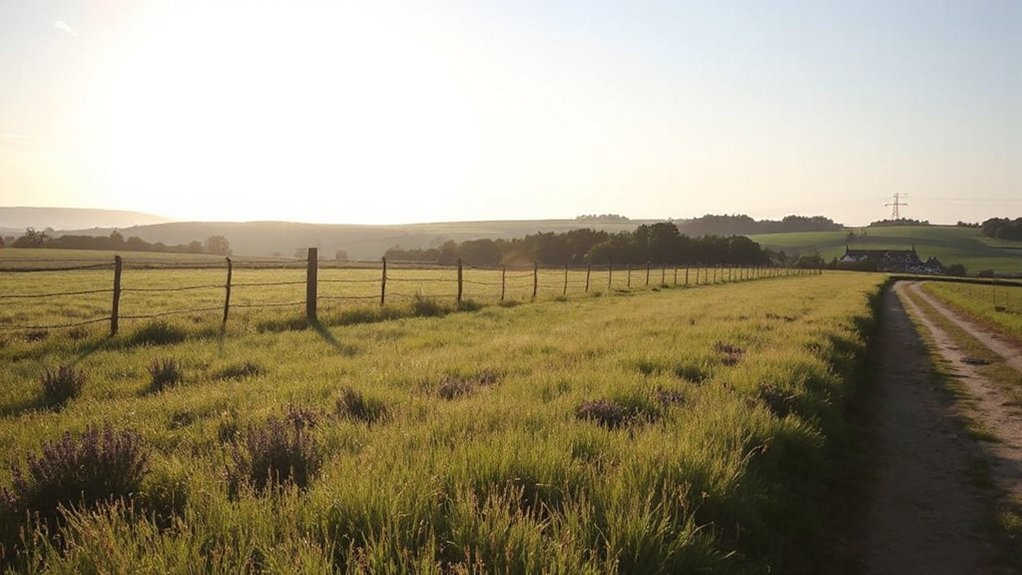
To apply the palette at home, start with a clear map: identify the rooms that will set the tone, note the dominant color, and plan where accents will live. You’ll translate the countryside mood into daily life by syncing wall hues with textiles, lighting, and surfaces. Approach color blending deliberately—test swatches in natural light, compare at different times of day, and adjust until harmony emerges. Then align furniture matching to the plan, choosing pieces that echo the dominant color or act as calm counterpoints. Create a circulation of shades across zones, not a single shout, so the home feels cohesive yet varied. Collaborate with others, review progress, and refine details: trim, rugs, and art should reinforce the palette’s breath and cadence.
Common Mistakes When Recreating Countryside Colorways
Avoid assuming the countryside palette will translate automatically; several tweaks matter. You’ll often run into common missteps that drain authenticity. Start by overcorrecting with faux countryside, which reads as staged rather than grounded; resist the impulse to imitate every shade blindly. Instead, observe how light shifts color in real landscapes and pick hues that breathe with time of day and season. Beware overly saturated hues that shout instead of whisper; they flatten texture and distance. Test relationships, not single swatches, pairing muted greens with warm earth tones to preserve depth. Consider scale: small patterns on larger surfaces can feel busy, while large blocks glow softly in natural light. Collaborate with space, texture, and light, refining until the palette feels lived-in, honest, and timeless.
Frequently Asked Questions
How to Choose Accent Colors for Small Rooms?
To choose accent colors for small rooms, you optimize furniture coordination and lighting considerations, using lighter neutrals with bold pops. You’ll balance scale, reflectivity, and texture, collaborating with space, color, and lighting to create perceived depth and cohesion.
Which Finishes Avoid Color Fading in Cottages?
Yet you’ll discover that finishes with periodic maintenance last longest; choose high-quality, breathable paints for cottages, and you’ll see paint durability rise. You invest now, collaborating with pros, ensuring durable, fade-resistant tones through steady, practical upkeep.
Can the Palette Work With Modern Furniture?
Yes, the palette works with modern furniture. You’ll harmonize matching floral patterns with clean lines, while vintage furniture coordination adds character, balance, and depth. You collaborate, envisioning cohesive spaces that feel timeless and uniquely yours.
How to Test Colors Before Painting Walls?
A chime of color steels your eye: test colors on large swatches, not walls, first. You’ll compare wall texture and lighting effects, adjust accordingly, and collaborate with testers until your palette feels true to you and space.
Do Natural Dyes Affect Color Stability Over Time?
Natural dyes can fade; you’ll notice color stability declines if exposed to light. You’ll conduct color stability testing, track aging, and adjust recipes for natural dye longevity, collaborating with conservators and makers to preserve vibrant, enduring hues.
Conclusion
You step into your home and feel the land settle around you, a quiet handshake between wall and breath. The palette, like a weathered gate, opens to a garden of mossy greens and misty greys, where lavender skies bless linen textures. Each corner becomes a field vignette—soft stone, warm neutrals, careful accents—guiding collaboration with light. When you live this colour story, you’re not decorating; you’re tending a living memory of the countryside, together.
About the Author